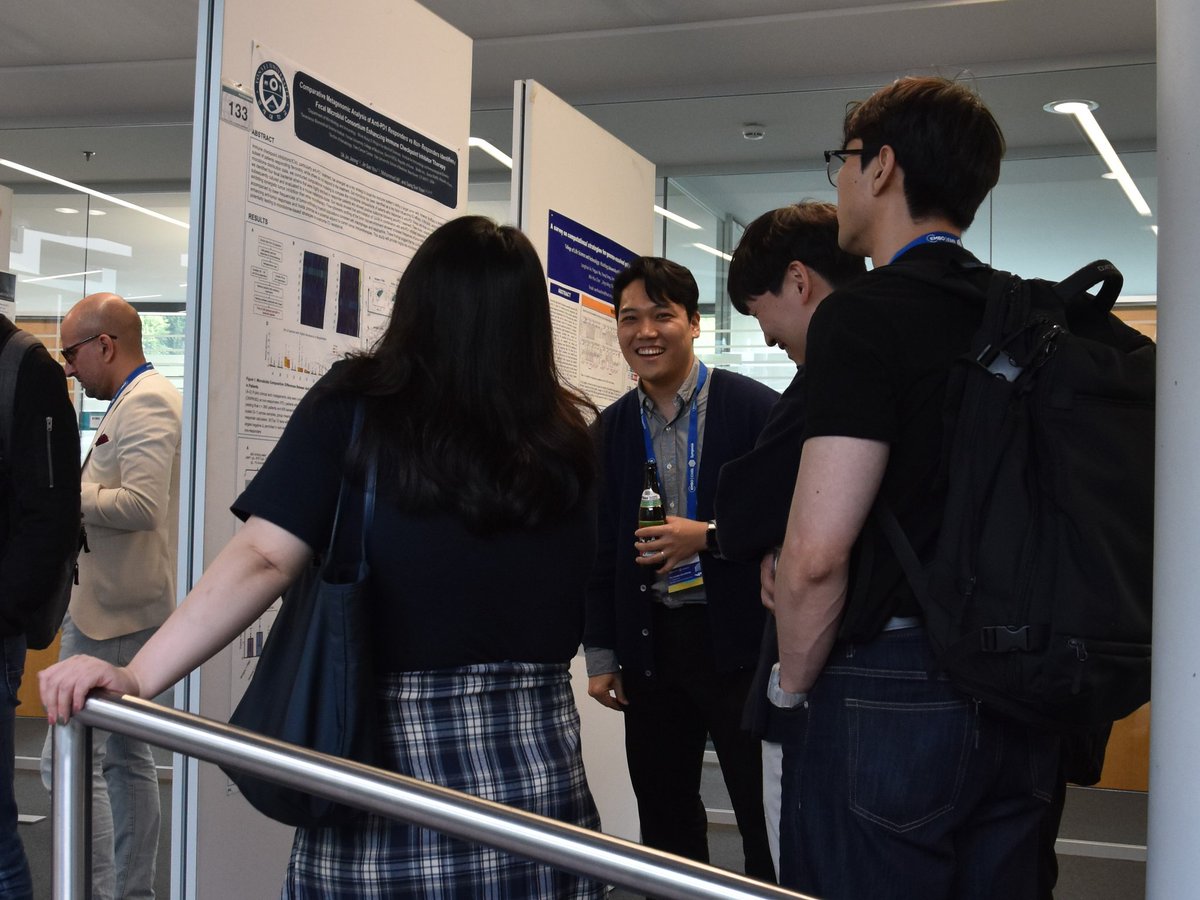
✒️ From scientific discoveries to the buzz of the EMBL campus – our latest blog by event reporter Deepika Pateriya gives you a front-row look at what makes our conferences special. #EESMicrobiome
🦠👀 Check out her recap of 'The human microbiome' symposium: https://t.co/sh4HBRXphY
@Deepika96RPP
4 wonderful days at the EMBL Human Microbiome Symposium in Heidelberg 🌱 Inspiring talks, posters, and discussions throughout. It was a great opportunity to learn, share, and connect with brilliant researchers. Thanks to @EMBLEvents for such events! #EESMicrobiome#Microbiome
Day 3 at #EESMicrobiome 🌱
Wow, what an amazing session with great talks on microbiome in CVD, gut archaeome, the African gut microbiome by Prof Hazelhurst, and more. Lots of exciting discussions over lunch and coffee break. Exciting poster session ahead!
@EMBLEvents
Day 2 of the Symposium #EESMicrobiome was exciting, with so many wonderful talks from early life microbiome interactions by Prof Lindsay Hall to bacteriophages, obelisks, and more. Ended with a fantastic poster session full of inspiring discussions. Excited for Day3! @EMBLEvents
After an exciting Day 1 at #EESMicrobiome, including a great talk on how synergy between dietary components and Enterobacteriaceae shapes dominant microbes in the human gut by Caroline Taouk (HZI, Germany), excited for another round of inspiring sessions today! @embl@EMBLEvents
Our scientific organisers opened ‘The human microbiome’ symposium by giving us a brief update on their most recent work 🦠 #EESMicrobiome
🔹Mani Arumugam, University of Copenhagen, Denmark
🔹Ami Bhatt, Stanford University School of Medicine, USA
🔹Peer Bork, EMBL Heidelberg, Germany
🔹Nicola Segata, University of Trento, Italy
🧬 In our recent publication, we proposed novel candidate enzymes and bacterial species potentially involved in flavonoid modification in the gut beyond those experimentally known.
Article: https://t.co/caQTKttLGG
#Microbiome#Flavonoids#GutHealth#Diet
Genomes from people across modern-day India shed light on 50,000 years of evolutionary history.
https://t.co/2JVm0lAHJe
Elise Kerdoncuff & colleagues
@cellcellpress
🚀 Excited to share our latest work, CRCpred, a web-based ML tool for predicting CRC from gut microbiome data.
🧬 Tool: https://t.co/XSO4uTlnHM
📄 Paper: https://t.co/yszNHv0dlT
🙏 Thanks to my supervisor, Prof. Vineet K. Sharma.
#Microbiome#CRC#MachineLearning
Akkermansia muciniphila uses mucin glycoprotein as the main carbon source
@LucyICM, @CassieBakshani & colleagues provide clues to understand the full degradative capability of this common gut microbiome member via @NatureMicrobiol:
https://t.co/BeHCN6c8iY
Delighted to share our work on the first genome sequencing of turmeric published in Nature Communications Biology and highlighted by Nature
@iiserbhopal@moayush@NatureInd@Nature
https://t.co/Taqu4Cgpbt
Delighted to share the first genome sequence of turmeric published in Nature Communications biology. Congratulations to Abhishek, Shruti and Shubham for the excellent work!!
@NatureInd@Nature@iiserbhopal@UmapathyIndia@moayush@ayush_mp
https://t.co/pq29yybiir
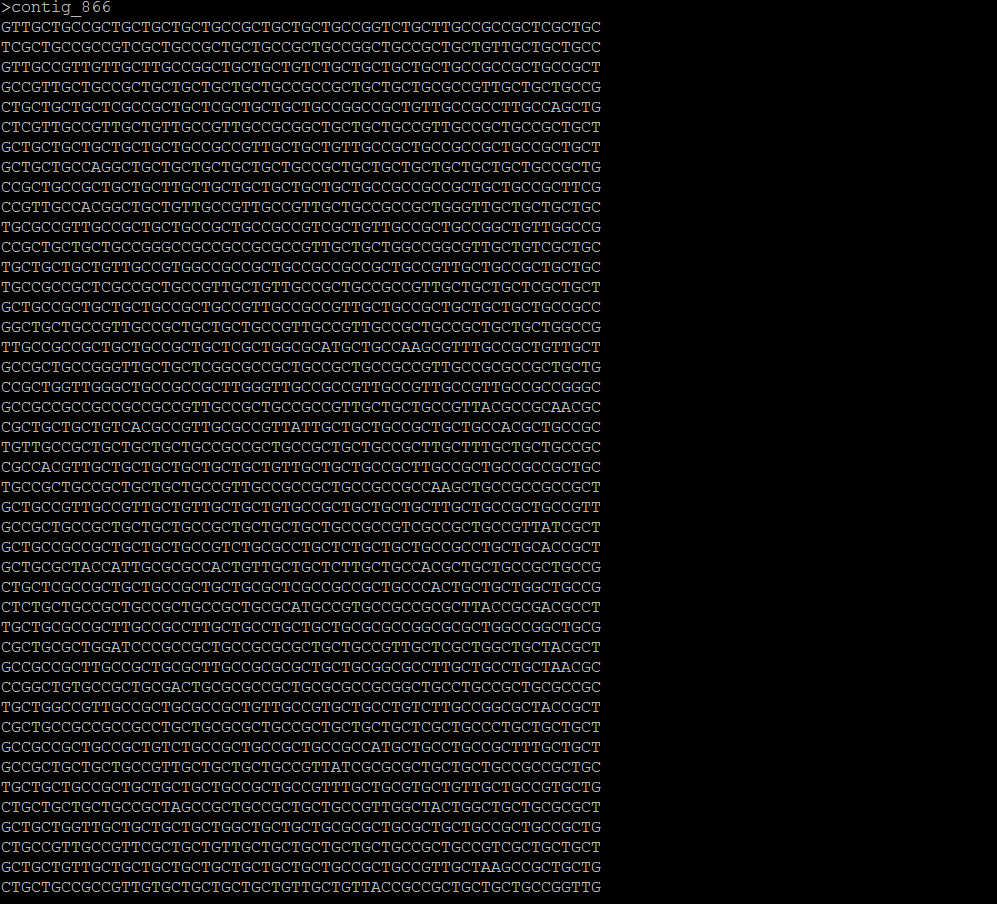
Ever wonder why that BLAST hasn't finished? Here is why. Long contigs comprised of short tandem repeats are usually the culprit. #genomics#Bioinformatics