Excited to share a new #Commentary by Marco Ventura, a leading figure in the field of #Bifidobacterium research:
“Mapping the #genomic landscape of two key human #gutmicrobial species: Bifidobacterium infantis and Bifidobacterium longum”
Read👉https://t.co/HrGkSJpZAu
#Microbiome
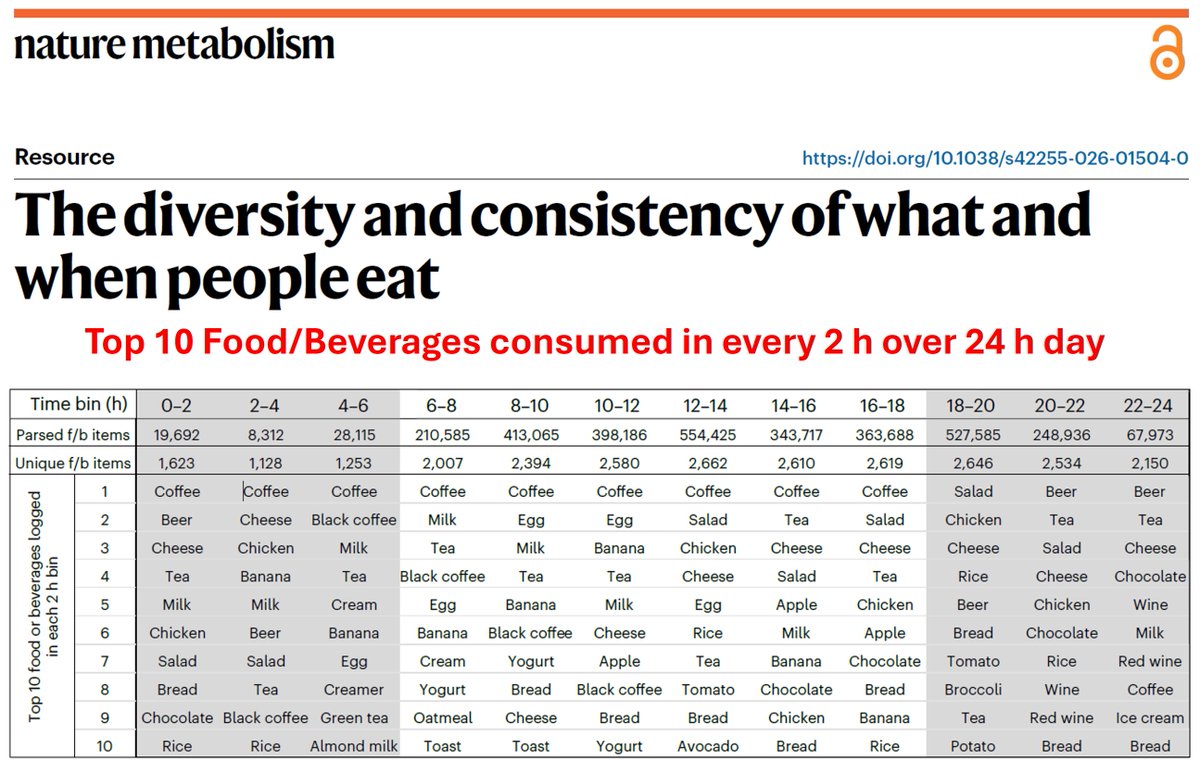
We analyzed 2.6M food & beverage logs from ~20,000 people to uncover (among other insights) what’s consumed every 2 hours across a 24h day.
Some usual suspects… and a few surprises.
Take a guess—then check the list 👇
https://t.co/ifqEyMnIEp
@NatMetabolism
Not just passengers!
Perspective by Colin Hill & Co examines role of phages in fecal microbiota transplants (FMTs). Phages may actively reshape the recipient’s gut by transferring genes between microbes, potentially influencing treatment success
https://t.co/PeYd1haayT
Two more days until the 2nd edition of our Swiss-wide #microbiome & health event! 🇨🇭🦠
We've got a brilliant lineup of speakers and I'm excited to once again moderate the panel discussion. Make sure to register for free at
https://t.co/Nlr8XwPlr0
Our new preprint by @peowenlu@SaefIzzy@weinerlabhms and colleagues shows that nasal anti-CD3 monoclonal antibody treatment can reduce neuroinflammation in a mouse model of Long COVID, even when administered at 4 weeks after infection 🧠
https://t.co/P8FZA2XA37
@simyersin Congratulations to @simyersin and team for their newest publication!
"Strain-level translocation and enrichment dynamics of oral #bacteria in the lower gastrointestinal tract of stunted children"
https://t.co/M78EAFQl3K
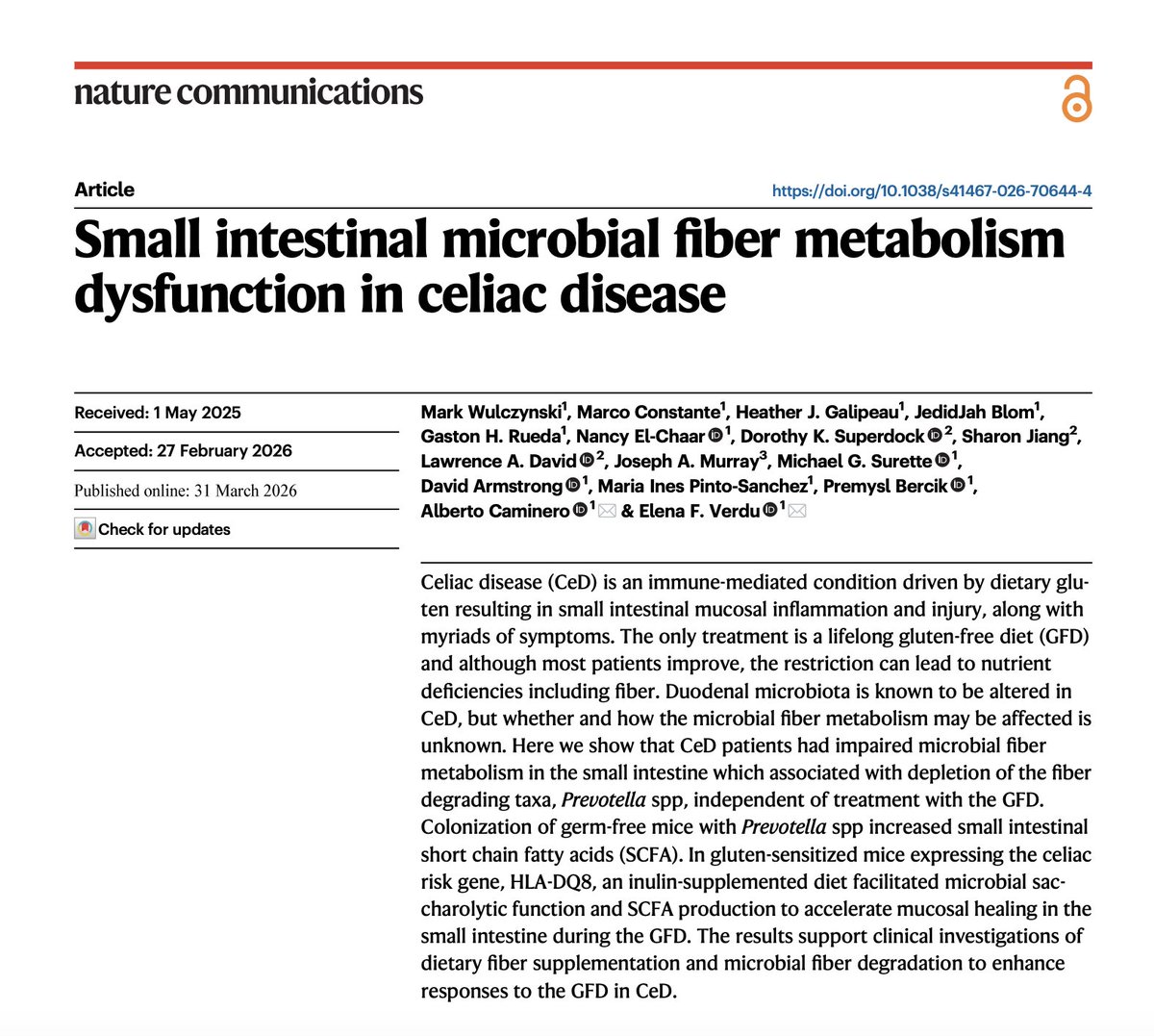
If people with #celiacdisease lack the microbes needed to break down certain fibers, they don't benefit from consuming them
@VerduLab, @AlbertoCaminer7 & colleagues found patients with #celiacdisease had impaired microbial fiber metabolism in the small intestine, which was associated with depletion of the fiber-degrading taxa:
✅ Findings align with @DrHArmstrong research on β-fructan fibers' role in inducing inflammation if the microbes needed to ferment the fiber are not present
✅ While a high fiber intake is often recommended to newly diagnosed patients with celiac disease alongside the gluten-free diet to improve constipation, these findings suggest that it's first important to restore the gut ecosystem
✅ In mice, an inulin-supplemented diet increased small intestinal short-chain fatty acids and could be used as adjuvant therapy for the gluten-free diet to promote mucosal healing, when metabolizing taxa are present
📚 Read more: https://t.co/SJiMhPvqB0
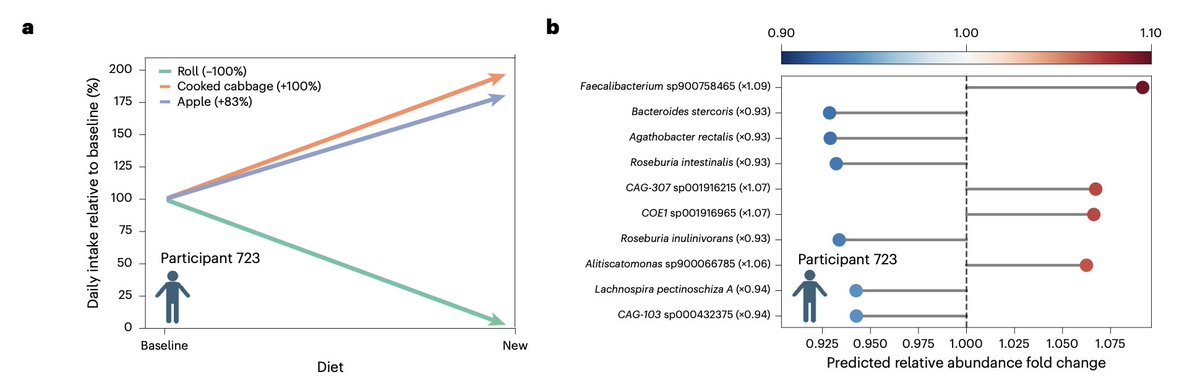
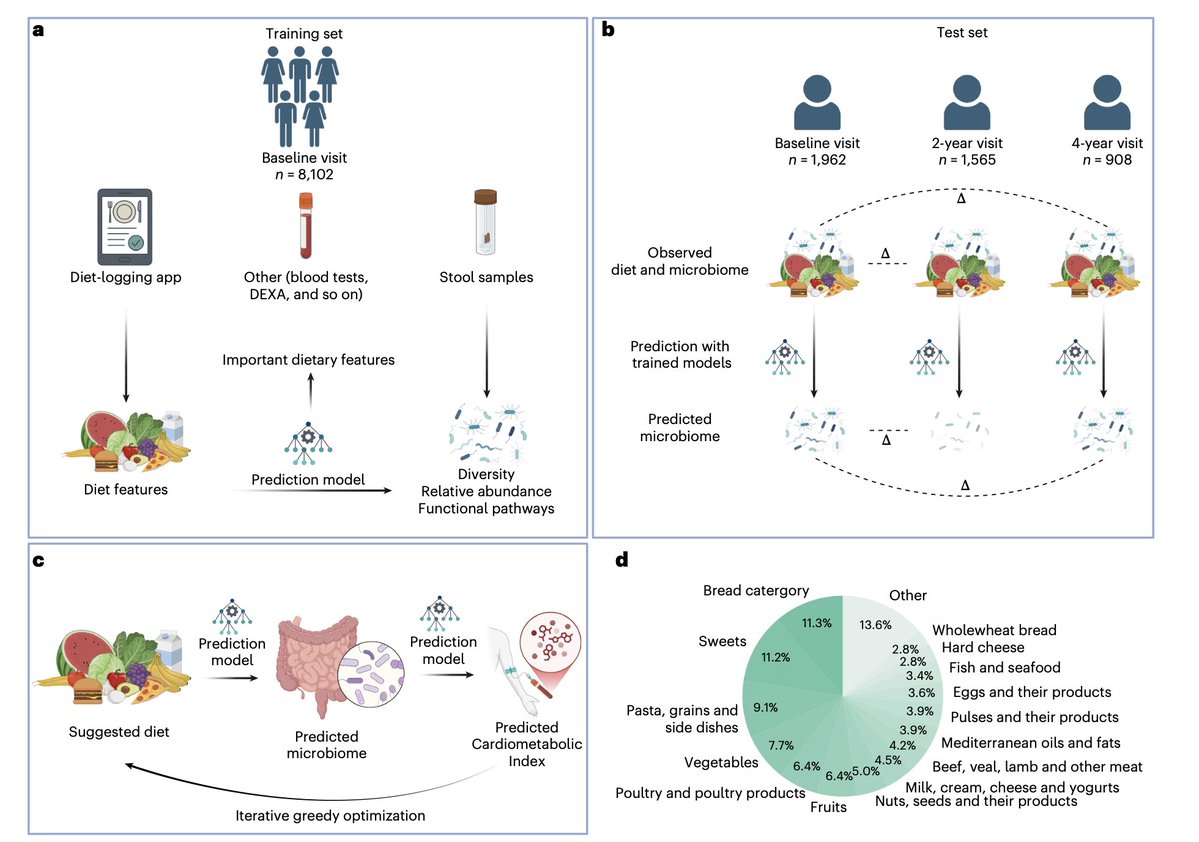
Our new study @NatureMedicine from the Human Phenotype Project: Analyzing diet and microbiome data from 10,000+ people, we found that what you eat is strongly linked to which microbes live in your gut, down to specific foods like coffee, yogurt, and milk driving distinct microbial signatures. We also simulate personalized dietary interventions with predicted microbiome shift effects that are associated with improvements in cardiometabolic health
Read here: https://t.co/JoIEoIqJ6O
HPP: https://t.co/sdxsQpoStl
What if a simple blood test could help detect early cognitive decline?
Our latest study shows that microbe-derived metabolites shaped by the gut microbiome can distinguish early-stage cognitive impairment with promising accuracy.
https://t.co/ukC5HwwIGd
Happy to share our latest study about global patterns of soil microbial nitrogen and phosphorus use efficiency, just published in Nat. Commun.🎉🎉. Thanks for all co-authors' contributions (Decai, @mrillig, @ykuzyakov, @ManuDelBaq, @JosepPenuelas et al.)
https://t.co/BQNVL2h5Ex
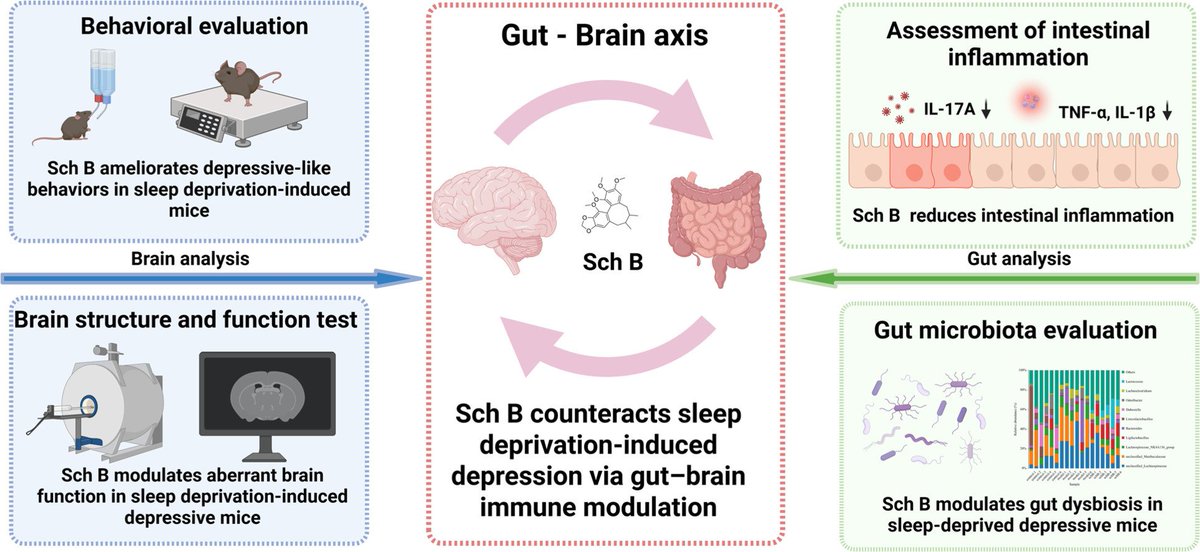
This study identifies gut-derived IL-17A–STAT3/RORγt signaling as a mechanistic bridge between sleep deprivation and neuroinflammation, providing direct evidence for the immunological basis of circadian rhythm-related depression.
https://t.co/G1YcCgJNNA