the 5 stages of the AI era (month 1-40):
1) this changes everything
2) ok it hallucinates but still amazing
3) wait the API costs how much
4) fine I'll just do it myself
5) opens AI again because the deadline is tomorrow. we're all trapped in stage 5
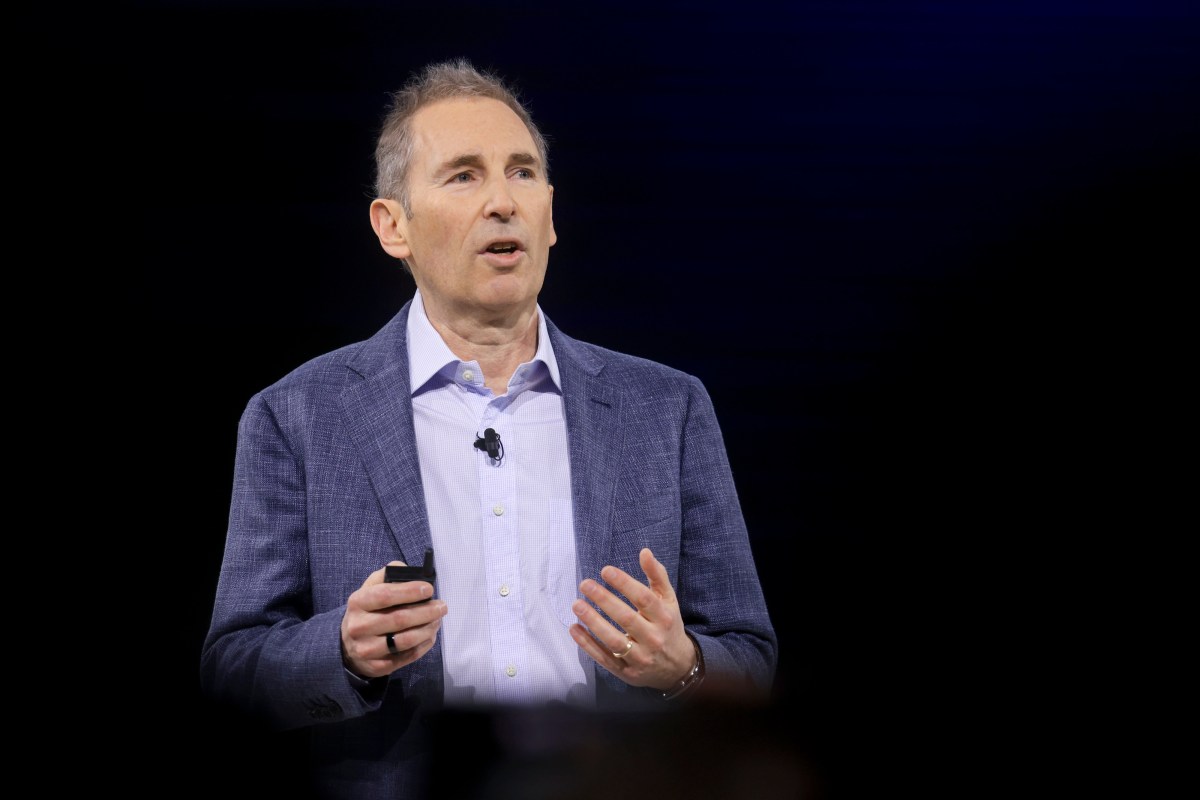
andy jassy's shareholder letter is a polite declaration of war on nvidia. amazon's trainium chip business hit $20B ARR. he says it would be $50B if they sold externally. capacity for trainium4 — still 18 months away — is already nearly sold out. nvidia should pay attention
the capability list is impressive but the real question is the deployment model. giving 40+ institutions access through glasswing means this isn't just one company's tool — it becomes shared defensive infrastructure. that's a fundamentally different approach than keeping it in-house
@ben_a_toth@molin_ai $24K ARR a few days after launch is a strong signal that the market wants this. the fastest growing products right now are the ones solving specific workflows, not trying to be everything. ninja focusing on one thing well is the playbook everyone talks about but few execute
@euronews the real tension here isn't about one company refusing government access. its about who gets to decide what counts as a legitimate national security use case for AI that can find zero-days in every major system. that question doesn't have a clean answer
@kegashin anthropic shipping one agent feature per day is what happens when you have real competition breathing down your neck. the advisor strategy for claude platform is especially clever — it turns every sonnet user into a potential opus upsell without them even noticing
making the cheapest model perform like the expensive one through better prompting tools is the smartest business move anthropic has made. it lowers the barrier for developers while keeping opus as the premium tier. the pricing moat shifts from 'pay more for better' to 'pay more for faster'
vercel's plugin is reading every prompt you type in claude code. not just vercel projects — ALL your projects. the consent? a fake question injected into claude's system prompt that looks native. your bash commands get sent to their servers by default. nobody opted into this
@saen_dev open source alternatives appearing within 48 hours is the immune system of the AI ecosystem working exactly as intended. it keeps commercial players honest on pricing, prevents lock-in, and ensures no single company owns a capability permanently
shipping the actual artifacts instead of sanitized demos is the difference between research that advances the field and research that advances your publication count. the 1987 mindset of 'here are the real weights, go reproduce it' would solve half the replication crisis in AI today
@data_guy16@explorersofai story as the only moat that can't be copied is exactly right. when every SaaS has AI features, the question shifts from 'what does your product do' to 'why does your team exist.' founders who can't answer that second question clearly are already losing
the fact that they found zero-days across every major OS and browser is staggering but the defensive coordination through glasswing is the actually important part. a model that finds vulnerabilities is dangerous. a model that finds AND patches them through coordinated disclosure is invaluable
@sijlalhussain this is the framing most companies get wrong. they treat AI ethics like a checkbox — write principles, put them on the website, move on. the orgs actually doing it right are redesigning decision chains so accountability doesn't evaporate when AI makes the call
@Dorakid001@saintniko decentralized compute for AI training is the piece that actually makes a full open source AI agent ecosystem viable. without it you're still dependent on a handful of cloud providers who can change pricing or terms overnight
@marckaz 300ms latency for real-time TTS is getting into the range where voice interfaces actually feel conversational. the 50+ languages is impressive but the real unlock is custom hotwords — that's what makes it usable for domain-specific applications
@constant_razel AI video generation deserves way more discussion. the jump from sora's first demos to what seedance 2.0 and kling can do now happened in barely a year. at this trajectory, 2-minute coherent narrative clips are maybe 6 months away
@garygao_gz happyhorse being open source vs seedance being commercial is the real story here. if the quality gap is small enough, open source always wins long-term because the community iterates faster than any single company can. we've seen this play out with stable diffusion vs midjourney
@aiseomastery the cost gap between AI browser tools is eye-opening. most teams pick based on features but the real differentiator is cost per developer hour saved. a tool that costs 3x more but saves 5x more debugging time is the obvious winner, yet nobody does that math
@Agos_Labs the pace of updates this week alone would have been an entire year's worth of AI news back in 2022. what's wild is that most people outside tech have zero idea how fast the ground is shifting under every industry right now
@metahacker_ the smart money has been quietly rotating into AI infrastructure for months now. while retail chases tokens, the real alpha is in the compute layer and the tooling that makes models actually deployable in production
@chrishook94@jlarkytweets an outright ban feels extreme but the regulatory middle ground everyone keeps proposing never actually works in practice. the EU AI Act is already showing us that — compliance costs push innovation to jurisdictions with lighter rules