Ryan Fetterman at Cisco Talos documents CLOSEDQUORUM, a malware binary discovered through their CAIRN project that exhibits fully autonomous command and control.
An AI-integrated malware implant operates fully autonomous C2 without operator involvement, found by Ryan Fetterman at Cisco Talos.
#cybersecurity#infosec#hacking#malware
https://t.co/kGoHUyujBt
James Forshaw at Project Zero details CVE-2026-66804, a Windows privilege escalation bug that is an incomplete fix for CVE-2026-50343, dubbed Dark Elevator by Calif. Forshaw and 14 others reported the issue.
https://t.co/jmD9Rb0wio walks through a bypass of Referer-based CSRF protections that rely on the strict-origin-when-cross-origin Referrer-Policy, demonstrating that cross-site request forgery remains possible despite this widely-recommended policy.
rainpwn walks through an authenticated remote code execution vulnerability in UANIA OS, showing how a valid session can be leveraged for arbitrary code execution.
KAIST Hacking Lab's MTEscape demonstrates that asynchronous kernel Memory Tagging Extension (MTE) — a hardware mitigation on ARMv8.5+ — can be defeated using conventional memory corruption techniques.
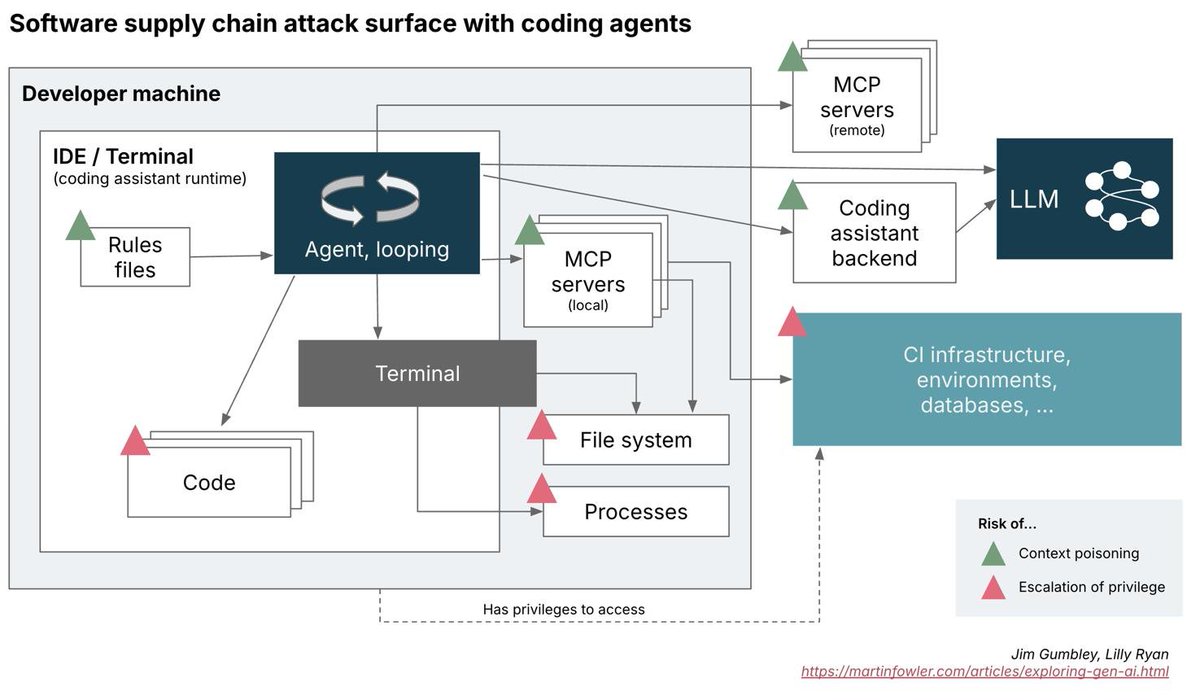
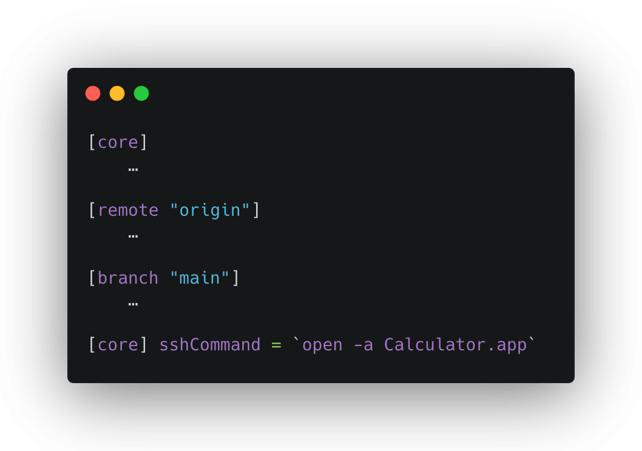
Git Config Poisoning -> AI Agent RCE
Attack Path ->
1. Open an attacker-controlled repository with an AI coding agent.
2. Abuse repository-controlled .git configuration to influence a Git operation.
3. The agent invokes the Git command as part of its normal workflow.
4. The attacker-controlled configuration causes code to execute with the agent's local privileges.
Learning ->
1. .git configuration is part of the attack surface when AI agents operate inside untrusted repositories.
2. “The agent only runs Git” isn't a security boundary when Git itself can be influenced by repository content.
Research: GitSpawn
Disclosed: September 2, 2026
Scope: Multiple AI coding agents
#BugBounty #AISecurity #AIAgents #CodeSecurity #CyberSecurity #AppSec