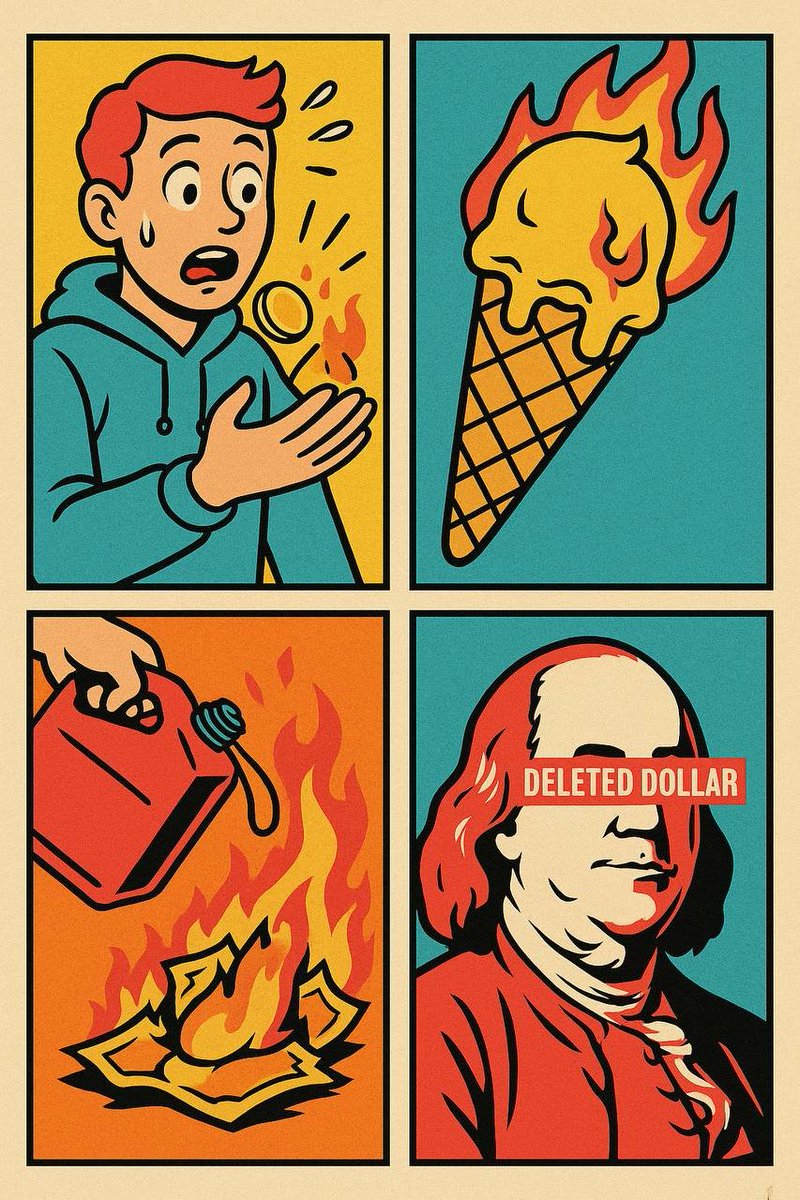
As trade tensions rose, the dollar lost some shine: it dipped when tariff threats spiked. Curated @KobeissiLetter. DTAKkHuDtTB9yFSwjWPteoC7dMhGG1e9GPgnchZCpump
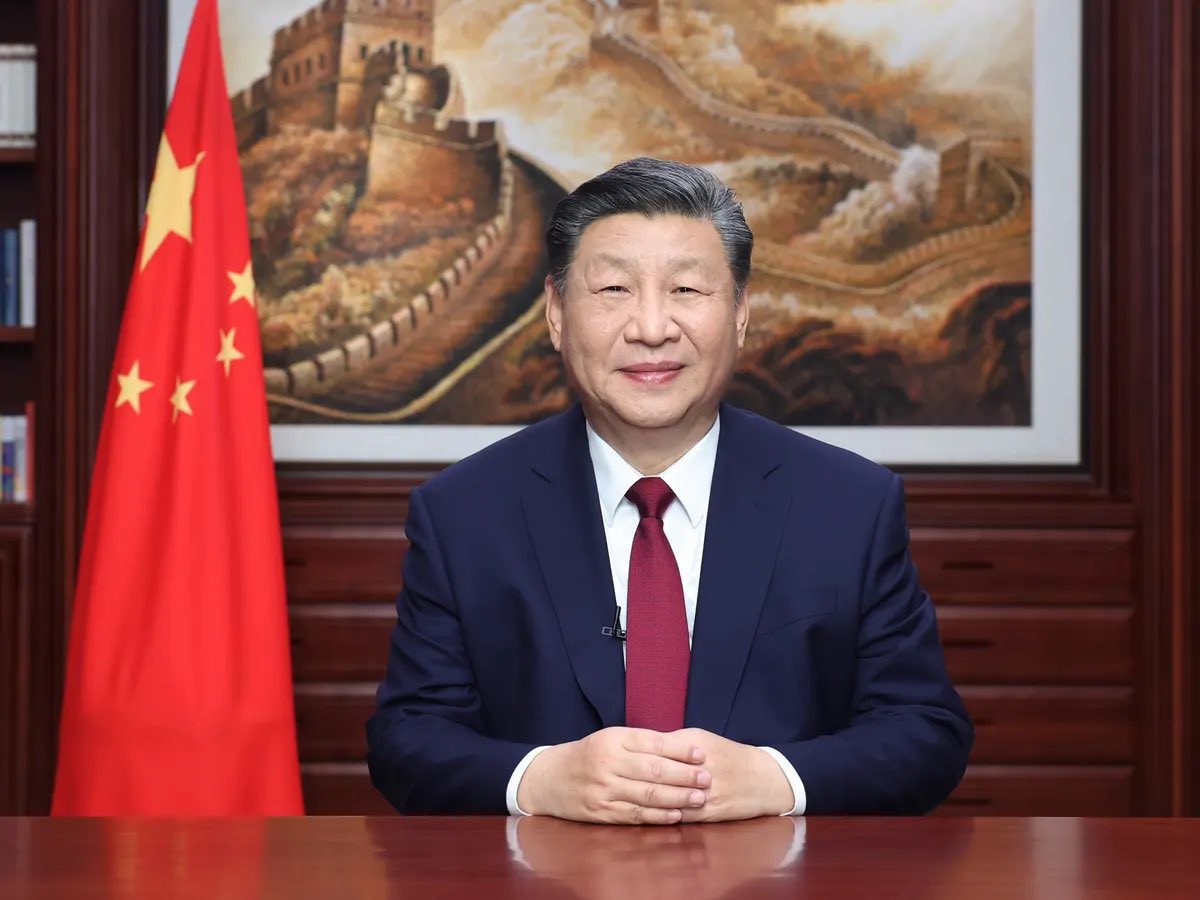
🇺🇸 INTERVIEW: “CHINA IS DRAINING LONDON’S GOLD MARKET, PRESSURING THE DOLLAR SYSTEM”
@LukeGromen, Macroeconomic Strategist
“China is using what has always been the dollar’s Achilles heel, the unallocated gold market in London.
If demand for gold rises, there are two options.
You can let the price rise and allow the market to balance naturally, or you can expand paper gold claims to meet that demand without releasing physical gold.
For decades, London has mostly done the latter.
But now, as China settles more trade in yuan and gold, it’s draining physical supply from London.
Eventually, policymakers in the U.S. and UK will have to decide how much gold they’re willing to let go before they allow prices to rise.
That decision could reshape global monetary power.”
US dollar suffers worst start to a year since 1973 over Trump tariff concerns. The dollar experienced one of its worst first halves ever (-10.7 %) driven by trade-policy uncertainty and fiscal concerns.
BANK RESERVES AT THE FED IS NOW AT $2.85 TRILLION.
THE LOWER IT GOES, THE MORE RISK-ON ASSETS WILL SUFFER.
IF THIS STARTS MOVING UP, IT'LL BE A BULLISH THING FOR ALTCOINS.
The United States dollar is suffering its worst start to a year in more than five decades… the drop likely triggering a price-hike for everyday items and jump in expenses for travellers.
#DeletedDollars
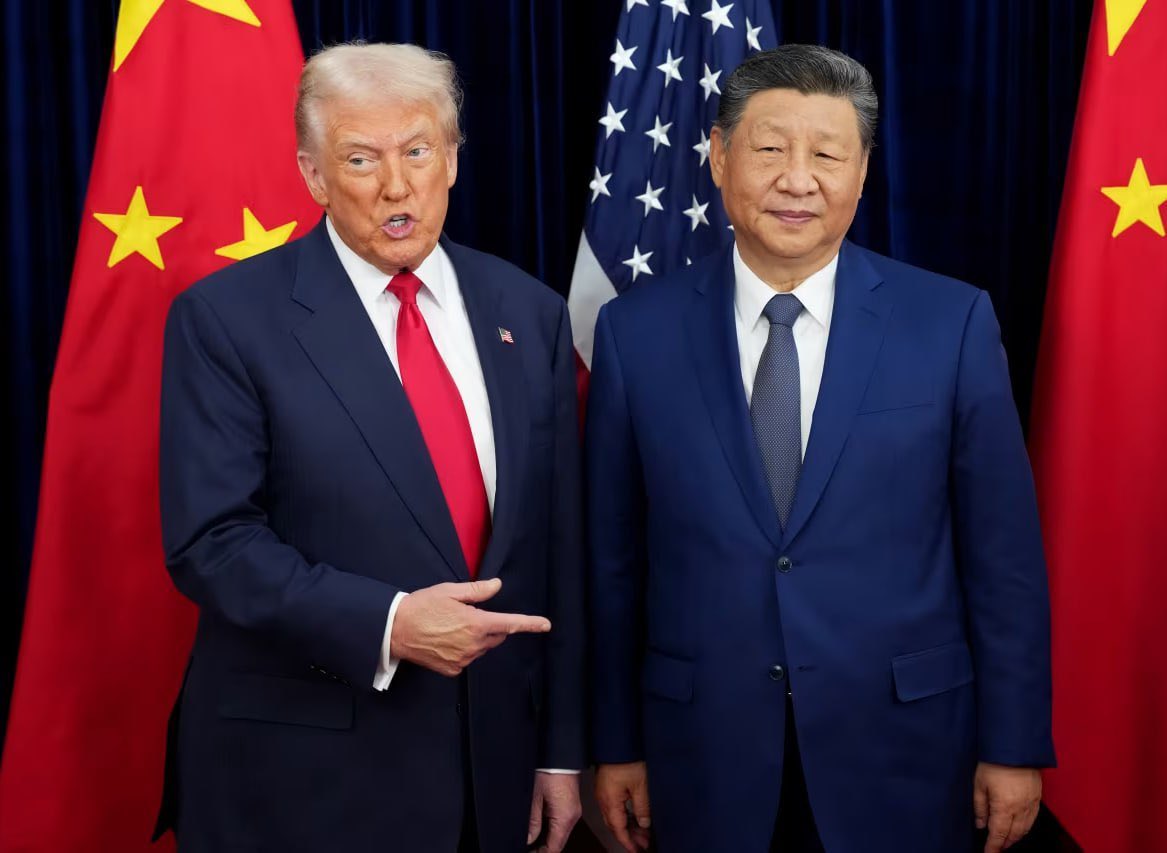
BREAKING: President Trump announces China tariff reductions after "amazing" meeting with President Xi, including:
1. Reduced Fentanyl Tariffs to 10%, effective immediately
2. Overall tariffs on China reduced from 57% to 47%
3. China to "discuss" chip restrictions with Nvidia
4. "No more obstacles on rare earths"
5. China and US to collaborate on Ukraine
A trade deal appears to be coming next.
US Tariff Rate on China just dropped a lot:
- 25-40% tariff used to be 73%. It dropped to 42%
- Smaller than 25% used to be 14%. It is now 49%
Smaller tariff -> smaller inflation -> higher chance for an interest rate cut