We have a “deal”. It is CUSMA. It was negotiated in good faith by Canada at the request of President Trump. If he doesn’t like his own agreement, ok. There’s a process to discuss. But we should always be looking at diversifying our export markets on a reciprocal basis.
Richard Haass just made a remarkable argument on CNN:
That America now has worse relations with Canada than China because the U.S. has spent years attacking allies with tariffs and political fights instead of building a united front against Beijing.
And honestly, that gets to the heart of one of the biggest foreign policy debates happening right now:
America’s greatest strategic advantage was never just military power.
It was the alliance network.
Dozens of countries aligned economically, militarily, and diplomatically around U.S. leadership.
The argument Haass is making is that Washington has started weakening that advantage itself.
He is correct.
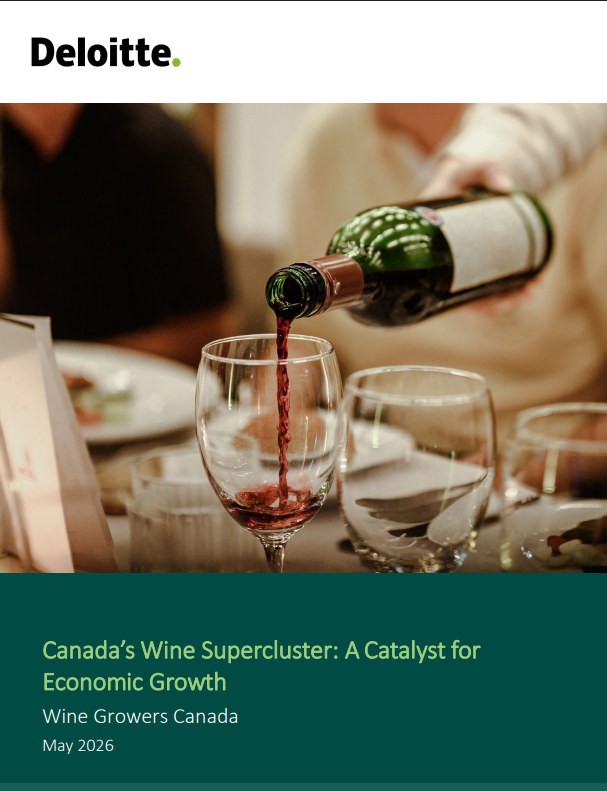
A new Deloitte white paper "The Canadian Wine Supercluster: An Economic Engine" is a road map to increasing the Canadian wine industry's contribution to GDP by nearly $4 Billion annually.
Get the Report https://t.co/jJYHlreeFv
New Deloitte white paper: Canada’s wine supercluster contributes $10.1B to GDP and supports nearly 100,000 jobs annually across 6 provinces.
Fewer internal trade barriers and strategic policy support could increase economic growth by $4B.
Get the report https://t.co/jJYHlreeFv
Deloitte reports that Canada's wine industry is poised to generate billions in new economic activity, jobs, and rural investment—if Canadian wines are finally allowed to compete freely in their own domestic market. Removing internal trade barriers is key to growth.