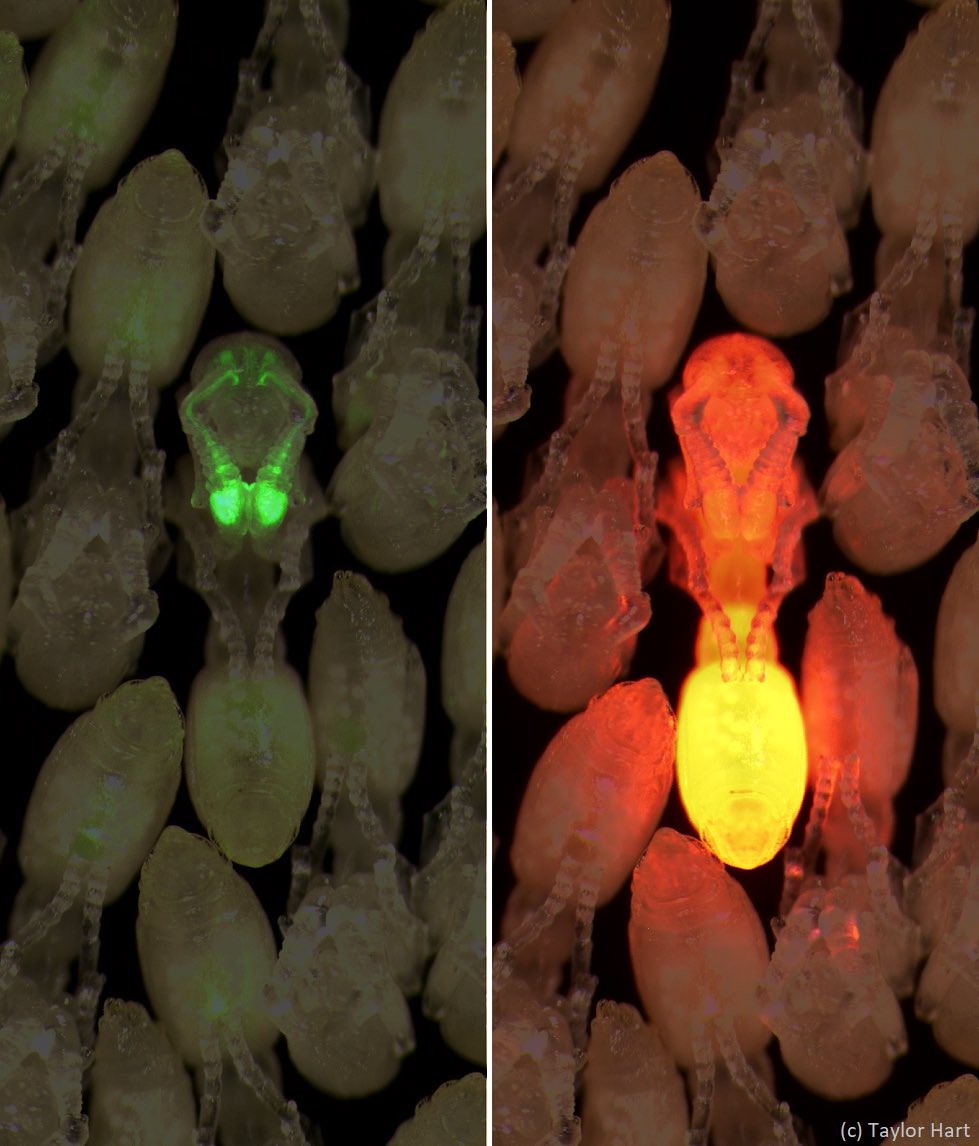
Invasive #termites may soon threaten homes around the world as climate change and globalisation push them into new territories. 🌎
🔗 Read more on the @Pensoft blog: https://t.co/Zb2YHgKnP0
#invasivespecies
Our paper on how ants regulate transcription of odorant receptor genes at large genomic tandem arrays is featured on the cover of @CurrentBiology today.
https://t.co/pUpUNkOwU0
Ant workers exhibit stress-related behaviour and quickly die when they are socially isolated (😢🐜☠️). New research led by Akiko Koto shows why - https://t.co/NZSYOVYRNh 1/3
The ant we would not have liked to discover: the fire ant Solenopsis invicta arrived in Europe!
Check out our article just published in Current Biology: https://t.co/0jIPnqZFXB
https://t.co/gqyuy6mptF
#IAS#invasive#ant
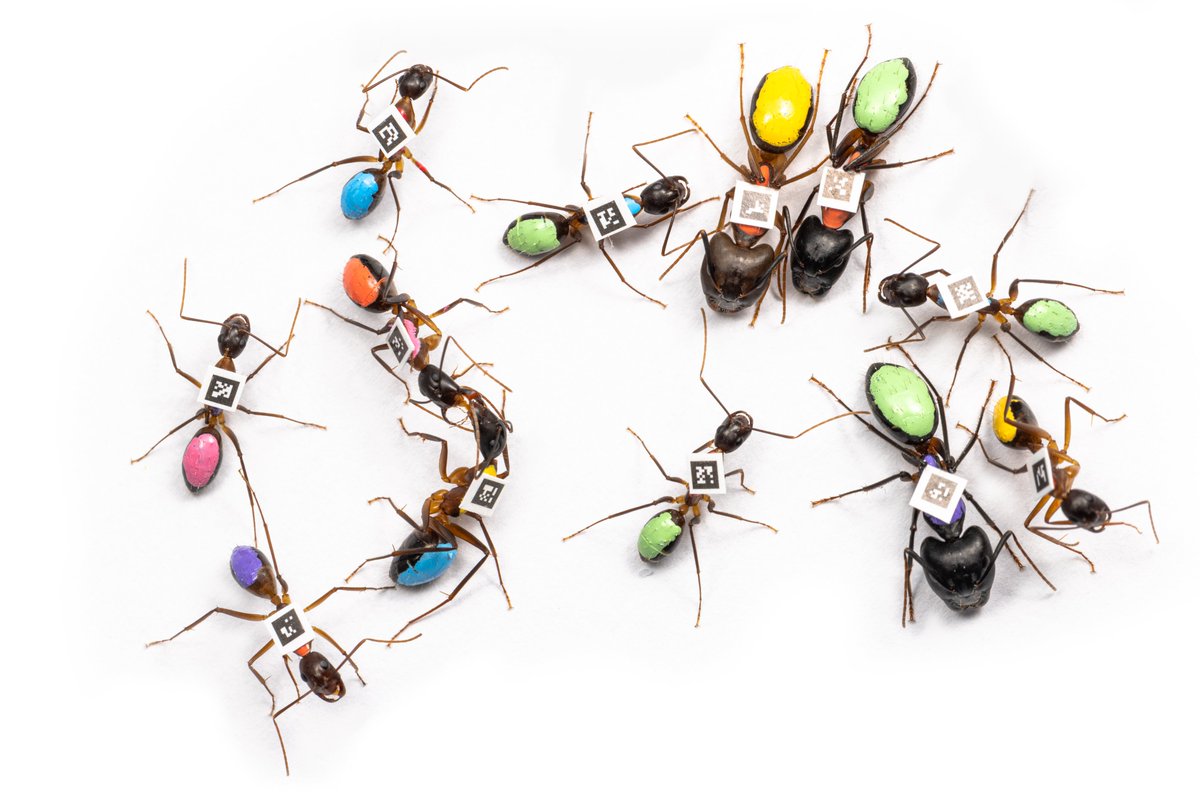
Our latest paper (https://t.co/7p232IGn8x) reports a strikingly strong association between social network position and brain-wide patterns of gene expression in a species of carpenter ant (📸 @bartjzijlstra)
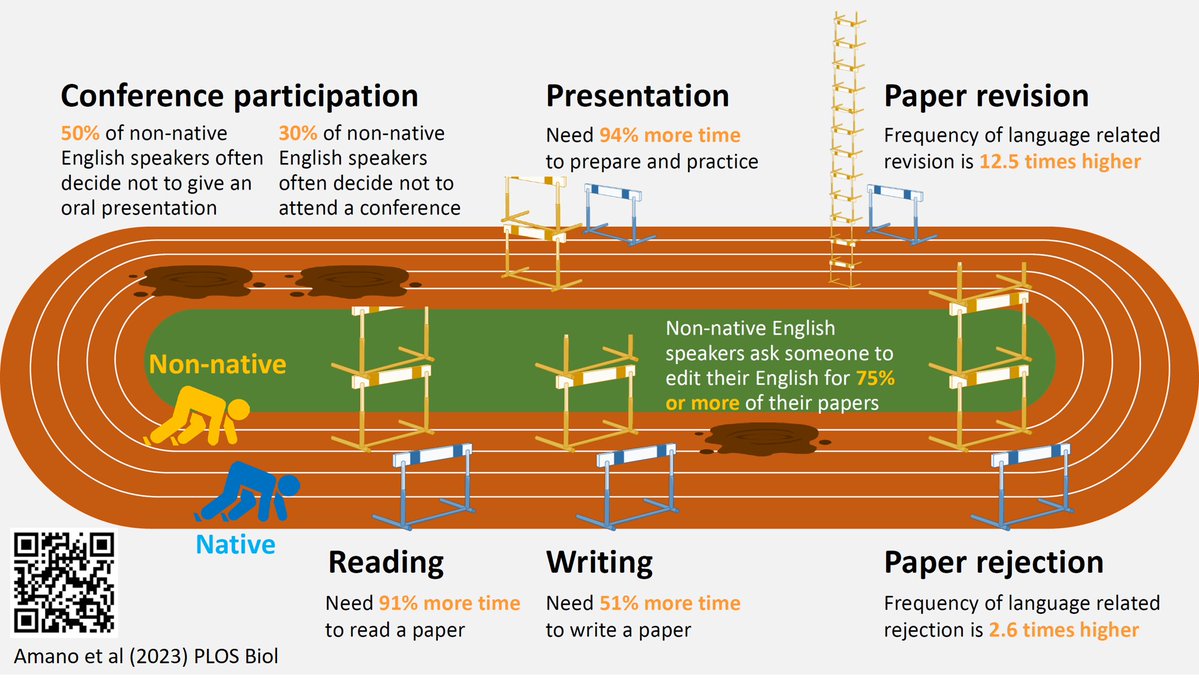
How hard is it to do science in a language that’s not your first language? We quantified the severity of #languagebarriers for non-native English speakers when reading/publishing papers and attending/presenting at international conferences.
https://t.co/Z6za22rMgg
1/9
Another mithondrial anecdote from stingless bees: In a single individual we found 6 different control regions!
In this new paper led by @elaine_francoso we show evidences of multiple mtgenome haplotypes in a single bee
https://t.co/WOT0wShBuJ
Our first neurogenetic study of ants survived peer review and just appeared OA in its final form @CellCellPress@CellPressNews: https://t.co/RJj0eas8a1. @teraxurato & team @RockefellerUniv created the first transgenic ants and identified a sensory hub for alarm behavior. 1/8