One thing wondeya governments tend to do is create a system where everyone is always guilty of something, so that they can selectively enforce the law against those who are inconvenient to them.
Presumption of innocence: justice should not become punishment before trial
A legitimate question for the duty bearer is this: Does due process permit an accused person to be publicly named, paraded in handcuffs, photographed, and have the allegations against them publicly listed before they have had a meaningful opportunity to present their side of the story?
This question is not merely about preferred law-enforcement practice; it touches directly on a constitutional guarantee. Article 29(1)(b) of the Constitution of the Republic of Rwanda provides that everyone has the right “to be presumed innocent until proved guilty by a competent Court.”
Constitutionally, therefore, a person who has been accused, arrested or detained does not become a criminal simply because allegations have been made against them. They remain presumed innocent unless and until a competent court establishes their guilt.
If an accused person is expected to wait until appearing before a competent court to present their defence, should a similar degree of restraint not apply to public authorities? Why should allegations be communicated in ways that may create an impression of guilt before the evidence has been examined and tested through the judicial process?
This is where the duty bearer should explain how the public presentation of suspects is reconciled with the presumption of innocence, human dignity, due process and the right to a fair trial. Law enforcement and public accountability are essential. Society must be protected, offences must be investigated, and those against whom sufficient evidence exists should face justice. But these objectives must be pursued within constitutional safeguards. How justice is administered matters just as much as the objective of holding people accountable.
There is also a deeper human and social dimension that deserves attention. Could some of these practices unintentionally create or recycle wounds within individuals, families and communities?
An arrest may last a few days or months, but a photograph, accusation or headline can remain online for years. In the digital age, the consequences of public exposure can outlive the criminal proceedings themselves. Search engines and social media do not necessarily distinguish between someone who was arrested and someone who was ultimately convicted.
This raises an important question; What happens when someone who has already been publicly presented as an alleged offender is subsequently acquitted, or when the charges are dropped?
Can the State fully restore that person’s reputation, employment opportunities, relationships and standing in the community? More importantly, will an acquittal receive the same publicity as the original arrest? The courts may ultimately clear someone, but society may continue remembering the photograph of that individual in handcuffs.
We must also consider the consequences for families, particularly children. What does it mean for a child to repeatedly encounter photographs of a parent publicly displayed as an alleged criminal, only for that parent later to be cleared? The resulting humiliation, anger, mistrust and psychological wounds may extend far beyond the individual who was arrested.
Sometimes, when we encounter adults struggling with anger, mistrust or other forms of difficult behaviour, we concentrate on what they are doing today without asking what they experienced when they were young. Institutions therefore have a responsibility to think not only about administering justice today, but also about the social and psychological consequences their methods may unintentionally carry into tomorrow.
None of this means that suspected offenders should not be arrested, investigated or prosecuted. Where there is evidence, the law must take its course. Nor does the presumption of innocence prevent authorities from informing the public about legitimate investigations.
The fundamental question is one of proportionality and constitutional principle: Can law enforcement remain firm, transparent and effective without turning arrest and accusation into a form of public punishment before a competent court has determined guilt?
Article 29(1)(b) reminds us why that distinction matters. An accusation is not a conviction. An arrest is not proof of guilt. And the presumption of innocence must mean something not only inside the courtroom, but also in how institutions communicate and exercise their authority before judgment.
📹 Credit to @Kigalitoday
Congratulations to our #VisitRwanda partner Paris Saint-Germain @PSG_inside on their well-deserved UEFA @ChampionsLeague title and on being crowned champions for the second consecutive year.
Congratulations as well to @Arsenal on reaching the final and fighting with determination until the very end.
Both clubs have made their supporters proud, but tonight, PSG proved to be the better team!
@RURA_RWANDA How does the ordinary citizens supposed to get any help when the very institutions meant to help us treat us like garbage and dismiss this as a 'minor issue'? This is pure negligence and disrespect
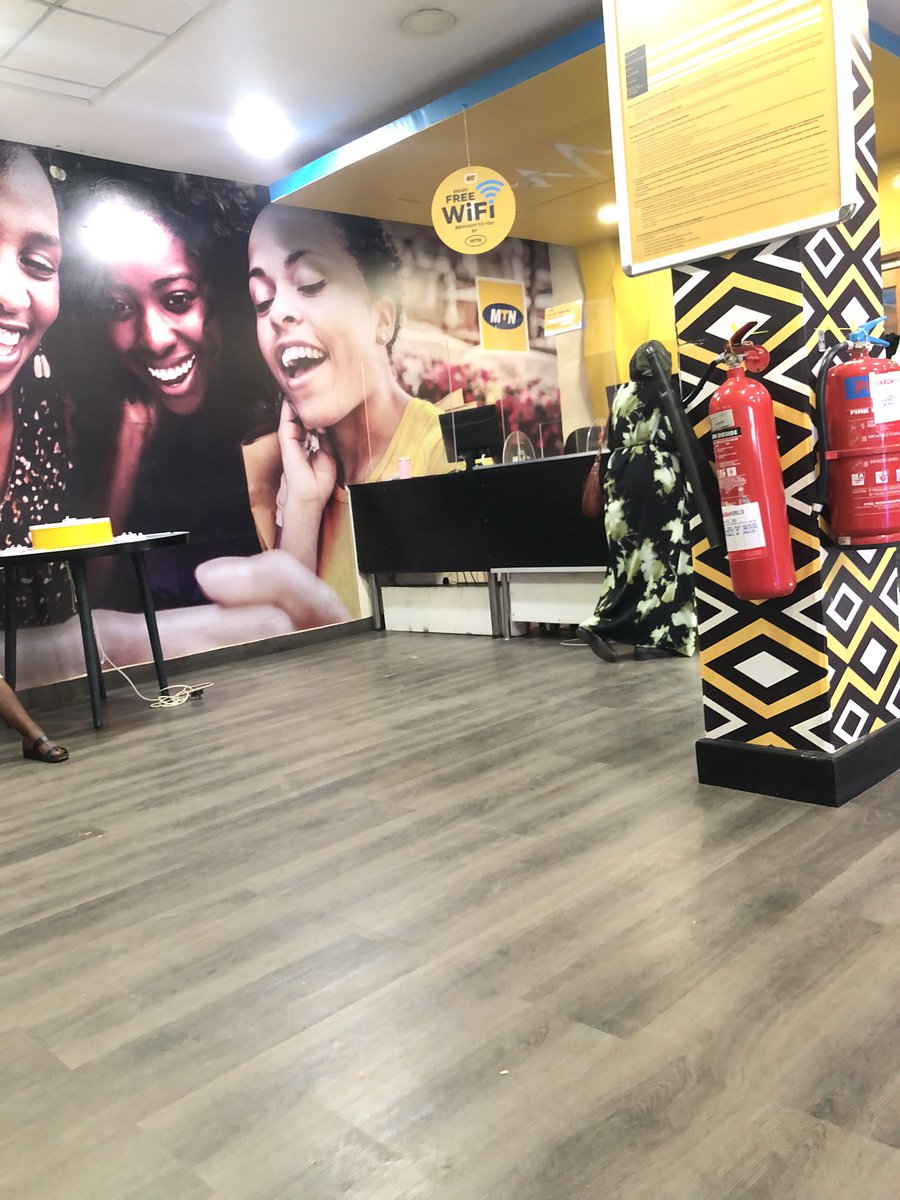
It's utterly absurd and downright infuriating that in 2026 we’re still stuck with these useless, dormant call centers from MTN! You wait for 2 damn hours like a fool, and nobody picks up. Even @RURA_RWANDA own regulator—has a call center that’s completely dead
@gateteviews@AUCA_Rwanda@RIB_Rw Mr Gatete I want to remind you Publicly shaming job seekers by posting their private CVs is illegal in Rwanda. Law Nº 058/2021 is clear: Personal data (names/contacts) can ONLY be used for the specific purpose it was shared for. Using it for x mockery violates "Purpose Limitation
The International Monetary Fund (IMF) has advised Rwanda to exercise caution regarding its two billion US dollars Bugesera International Airport project, citing potential risks to the country’s fiscal stability due to rising public debt. #RwOT
it’s disrespect. Do they think our time is worthless? Do they believe we have nothing to do with our lives? And where are @RURA_RWANDA and @RDBrwanda in all this? Just sitting back and watching silently while people suffer like this? This is shameful Completely unacceptable
It’s absolutely outrageous and heartbreaking that we still have to endure such a miserable experience at the hands of @MTNRwanda — the so-called best telecommunications company! Imagine wasting over two damn hours just to get a simple SIM swap done. This is beyond incompetence
Encore une fake news grotesque. 🙄
Un contingent belge de 6 (!) militaires est bien présent à Kindu pour la mise en oeuvre du soutien européen 🇪🇺 en équipement non létal à l’armée congolaise. Il n’y donc AUCUN déploiement visant à participer à des opérations quelconques et la Belgique ne compte pas le faire ! Pour le reste, tout sonne faux dans ce tweet qui cherche visiblement à semer le trouble et à faire escalader les tensions. @BelgiumMFA
The cost of his chair can pay Burundian teachers for a year, what’s wrong with our African leaders that enjoy living in luxury life while their people are dying of hunger
Video: ‘Congo ni yo yobazwa kubera iki [M23] baguma bafata ibisagara. Uburundi ni umufasha. Umufasha si we abazwa’ – Prezida Ndayishimiye
🎥: Thuthuka Zondi
🎞️: Cyriaque Muhawenayo
Video: ‘Congo ni yo yobazwa kubera iki [M23] baguma bafata ibisagara. Uburundi ni umufasha. Umufasha si we abazwa’ – Prezida Ndayishimiye
🎥: Thuthuka Zondi
🎞️: Cyriaque Muhawenayo
Tanzania is our neighbor, and they shouldn't be treated with this disrespect like this,. Not matter what happened with M23, they should be favoured as south Africans. Imagine such a general raising his arms in front camera.