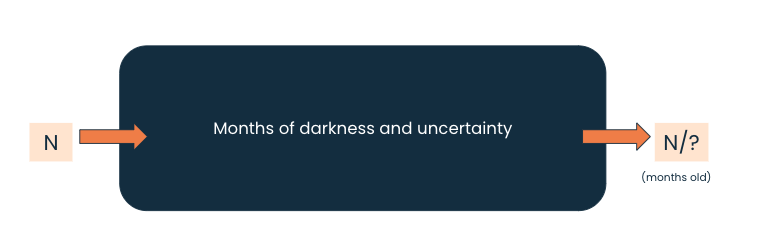
What does software development look like from the outside?
I request N things. A few of them come out months later.
Hence: these programmers need to work faster.
1/
No surprise that Kent Beck's article "Thinking about Code Review" has an excessively good value:words ratio. His point about incentives of pull-requests is spot-on, and I really like this quadrant.
https://t.co/aBIFbcgaJz
@emna__ayadi Imho, test IDs for web elements are an implementation detail and should only be used as a fallback. Instead, we should always try to query elements based on how users find stuff on our page, like aria roles for example. Take a look at the queries „testing library“ offers you.
We just released our long awaited new curated @codecentric#helm chart for #Keycloak.X
Grab it while it's hot :)
https://t.co/TmmSRoDSIN
Usage example:
https://t.co/IFlU77qpoT
🌟 #GoogleOSLive presents Istio is coming this September!
Tune in for talks "Why Istio is for Everyone: Clearing up common misconceptions about Istio", "Using Istio to observe your services", "How requests flow through your service mesh", and more 👇 https://t.co/VkQuhpx71b
@jverhoelen Wahrscheinlich sind die meisten VSCode Nutzer auch Leute, die vorher Notepad++, Sublime etc. genutzt haben. These: Entwickler, die es "ernster" meinen, wechseln wahrscheinlich sowieso zu IntelliJ o.ä. und bleiben nicht bei VSCode?
🎉 Am 18. Mai ist Monitoring Day 👀 bei der #ConLi20! Ich werde zeigen, wie sich ein #servicemesh in einen typischen #observability Stack integriert und wie es uns dabei helfen kann, die vier goldenen Signale des Monitorings im Blick zu behalten.💪🏻
🔈🎉 Es ist wieder soweit: Unsere 2. #SoftwerkerKonf findet am Nachmittag des 23. April online statt! In der Konferenz zum #Softwerker erwarten euch wieder spannende Themen und Technologien aus der bunten Welt der Softwareentwicklung.
Jetzt anmelden 👉 https://t.co/yoTehcCI6f