NEW: Students go nuts after donor announces during his commencement speech that he is paying off all of their senior year debts.
Anil Kochhar and his wife decided to give the gift to all ~200 graduates in N.C. State's family.
Kochhar is the son of Prakash Chand Kochhar, an immigrant from India who studied textile manufacturing in Raleigh.
"My father found not just an education, but an opportunity that allowed him to build a life, support his family, and begin a legacy that continues today. And it will never stop, never," Kochhar said.
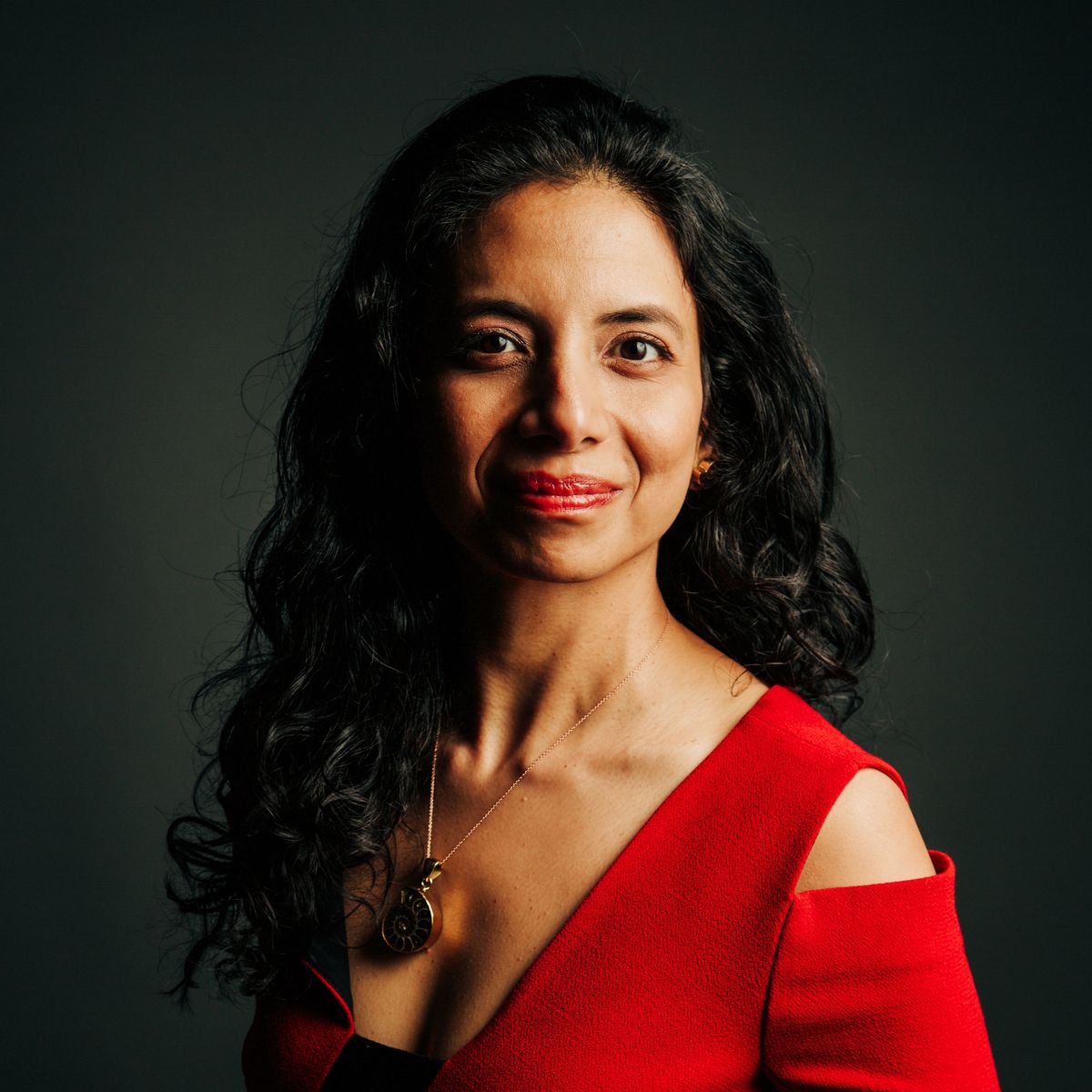
Meet Anima Anandkumar
(Every time AI predicts the weather faster than supercomputers, she made that possible)
> Born in Mysore, Karnataka
> Her grandfather was a mathematician. Science ran in the family.
> Studied Bharatanatyam for years alongside engineering
> https://t.co/TMjo4uhO8z from IIT Madras, 2004
> PhD from Cornell University, 2009.
> Postdoc at MIT.
> Principal Scientist at Amazon AWS.
> Helped launch Amazon SageMaker.
> In 2017 became Bren Professor at Caltech
> The youngest named professor in Caltech's history
> Joined NVIDIA as Senior Director of AI Research in 2018
> Invented Neural Operators, AI models that solve complex physics 1000x faster than traditional methods
> Built the first AI based high resolution weather model
> Now running at premier weather agencies around the world
> IEEE Fellow, Alfred P. Sloan Fellowship, NSF Career Award Faculty fellowships from Microsoft, Google, Facebook and Adobe. All four.
> Cited over 69,000 times in research papers worldwide
A girl from Mysore who danced Bharatanatyam is now teaching machines to understand the laws of nature.
"AI is not just about language. It is about understanding the physical world."
She built that belief into reality. Equation by equation.
We're at war with AI slop.
More than half the internet is AI generated and nobody can tell you which half.
Introducing @DetectArena, the place you go to check if something is AI, and then verify that claim.
comment "spot slop" for 25 extra credits 👇
When was the last time Indian football got this much positive global attention? I honestly can’t remember.
So proud of Manisha Kalyan. Her free-kick vs Chinese Taipei is going viral everywhere 🇮🇳⚽️
#IndianFootball#ManishaKalyan
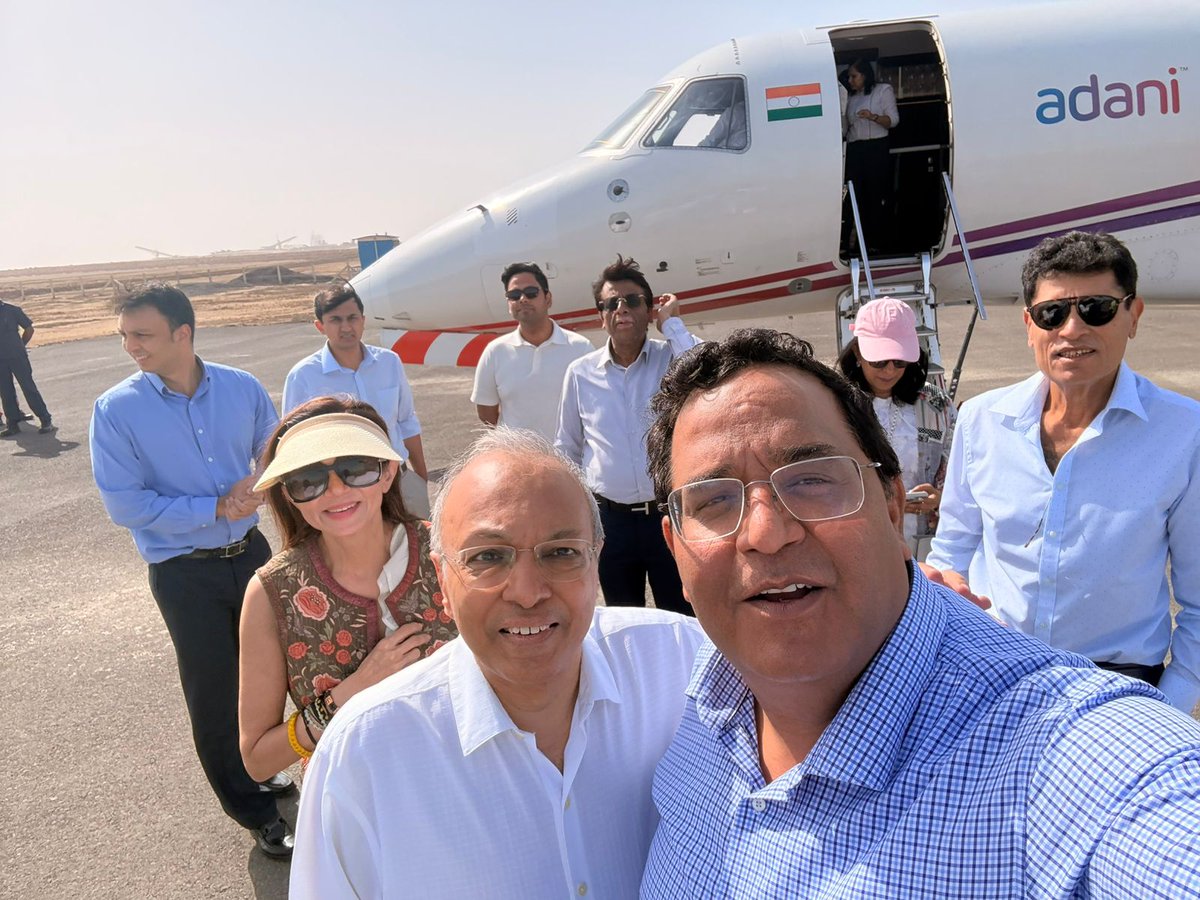
Extraordinary stimulating day visiting Khavda Solar Park, slated to be the world's largest hybrid renewable energy park, and Adani Port in Mundra, India's largest commercial port. Unprecedented scale, A+ project execution, motivated teams. We saw firsthand what passion can do.
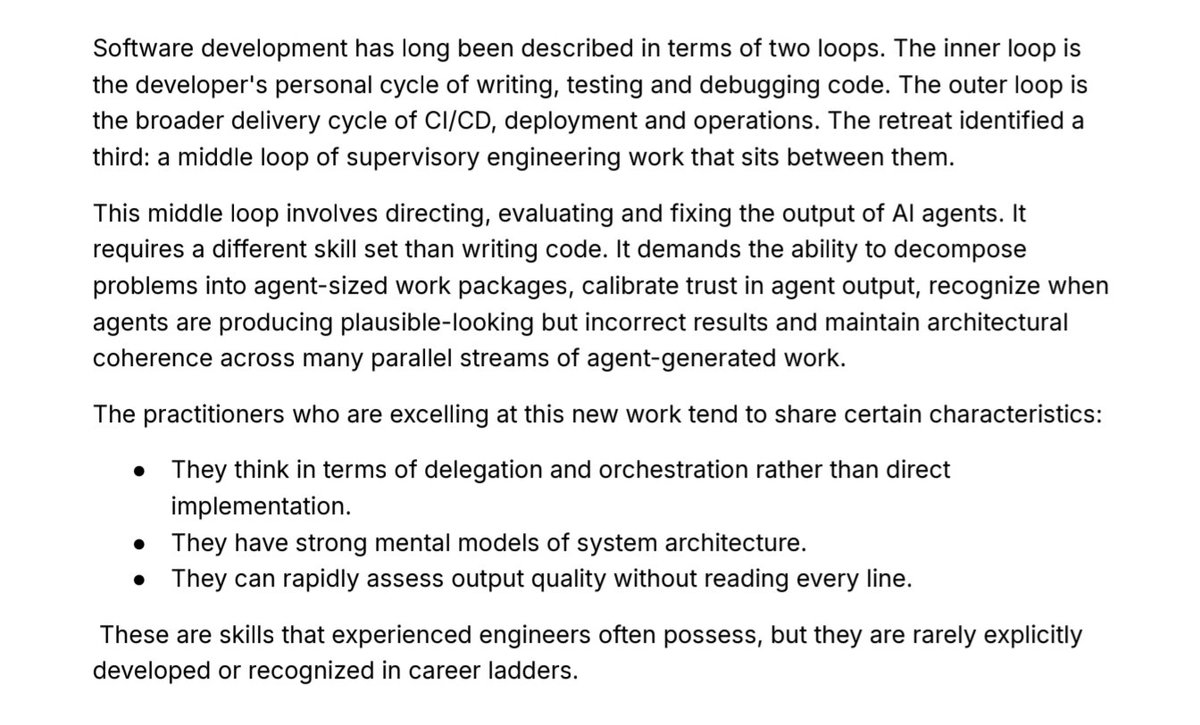
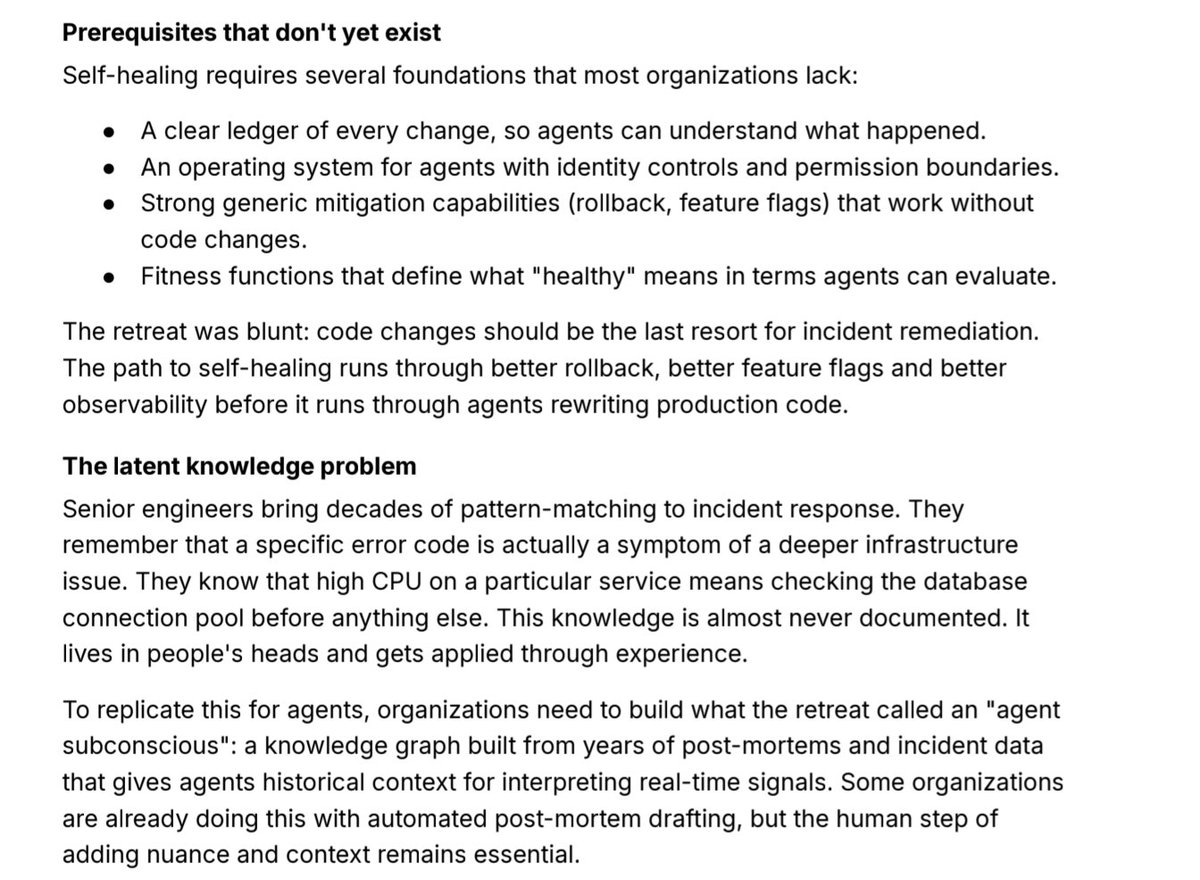
Fascinating insights from senior engineers on how AI is changing their jobs. Interesting how automation also creates all sorts of new tasks and bottlenecks. https://t.co/O99myQbcTb
Naval is right, and the math proves it in a way most people aren’t processing.
GPT-4 launched at $60 per million output tokens. Today, equivalent capability costs under $1. That’s a 98% price collapse in two years. Demand didn’t fall. It exploded. OpenAI went from $1B to $12B+ in ARR while slashing prices every quarter.
This is Jevons Paradox at civilizational scale. When coal got cheaper in the 1800s, England didn’t use less coal. They burned 10x more. Intelligence is following the same curve, except the adoption rate is compressing a century of energy economics into 36 months.
The part nobody’s thinking through: every previous commodity with “unlimited demand” eventually restructured the labor market around it. Electricity didn’t create unlimited demand for electricians. It eliminated most of the jobs that electricity replaced and created entirely new ones that didn’t exist before.
The 280x cost reduction Stanford measured between 2022 and 2024 means a task that cost $1,000 in AI compute now costs $3.57. At that price, companies don’t just automate what humans were doing. They start doing things that were never economically viable at human-labor pricing. Analysis that would have required a $200K analyst for a year now runs for $50 in an afternoon.
Unlimited demand for intelligence at near-zero marginal cost means intelligence stops being the scarce input. Taste, judgment, and the ability to ask the right question become the bottleneck. The returns flow to people who can direct intelligence, not people who provide it.
That’s the real trade: the value of raw intelligence is cratering while the value of knowing what to do with intelligence has never been higher. And that gap is only getting wider.