Here is the Pinwheel Galaxy from my telescope last night. This spiral galaxy, also known as M101, can be found just above the handle of the Big Dipper.
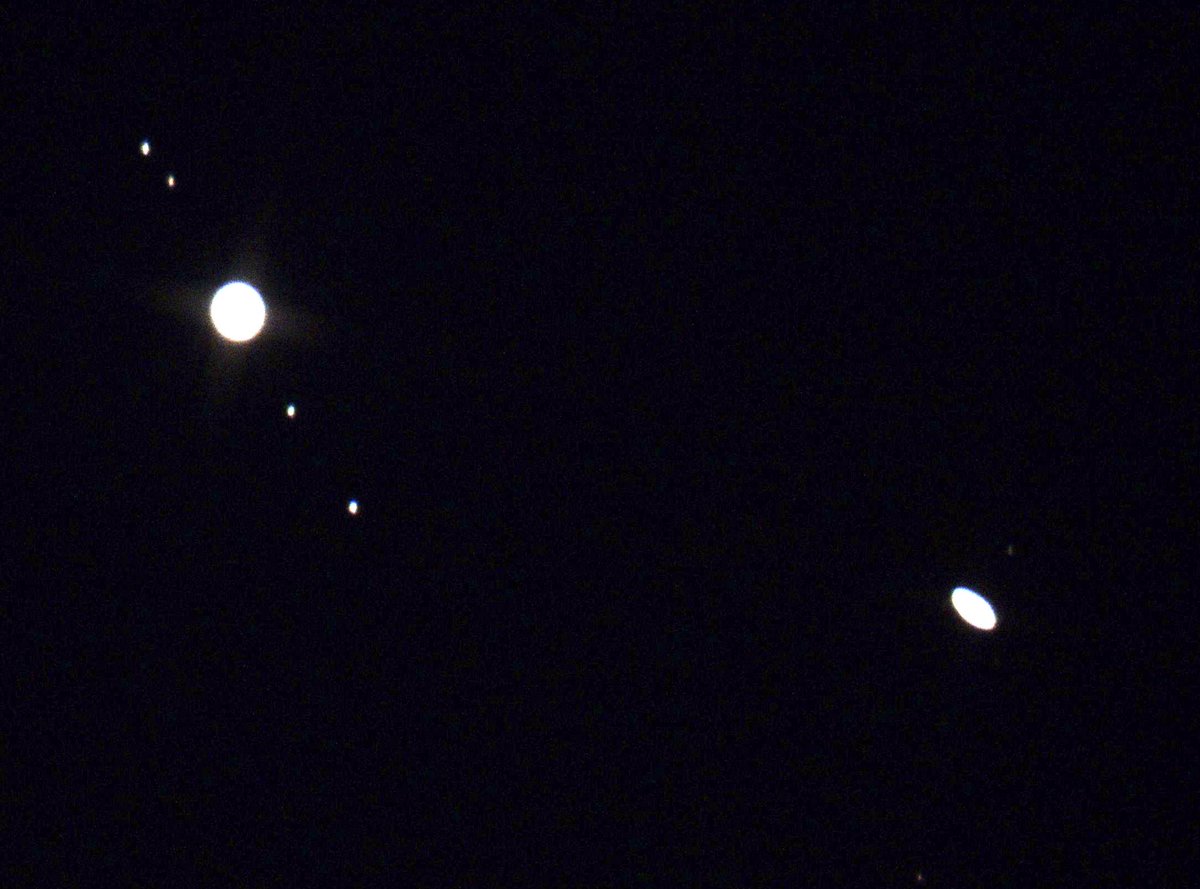
Pictures from the Saturn and Jupiter Conjunction! The first one from Dec. 21st is overexposed to show Jupiter’s moons. The second one from the 22nd better shows Jupiter’s cloud belts and Saturn’s rings!
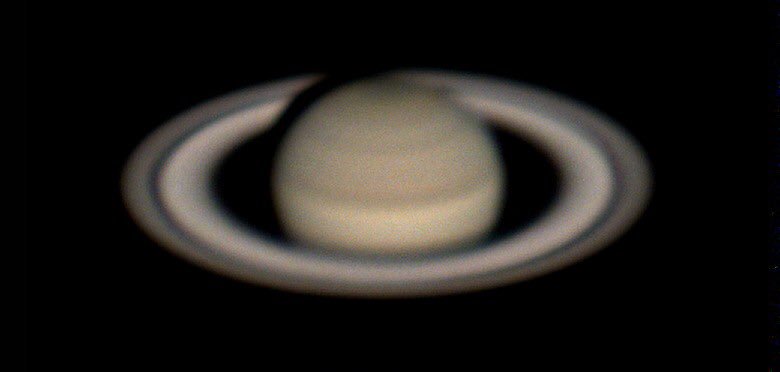
Three different Saturn pictures from last night. One Infrared at wavelengths above 742nm, another IR above 850nm, and one in full color (400-700nm). Each shows different features and levels of contrast but the color is usually the most pretty!
Whirlpool Galaxy M51 and Galaxy NGC5195. I captured this picture Sunday night. These galaxies are about 31 million light years away and the big spiral (M51) may be playing tug-of-war with stars in the compact galaxy on the right (NGC5195).
A star has exploded about 60 million light years away! M61 is a faint galaxy in the constellation Virgo. Mistaken as a comet in 1779, it has hosted 8 supernova explosions since 1926. Bright points of light are normally stars in our galaxy but circled here is supernova SN2020jfo.
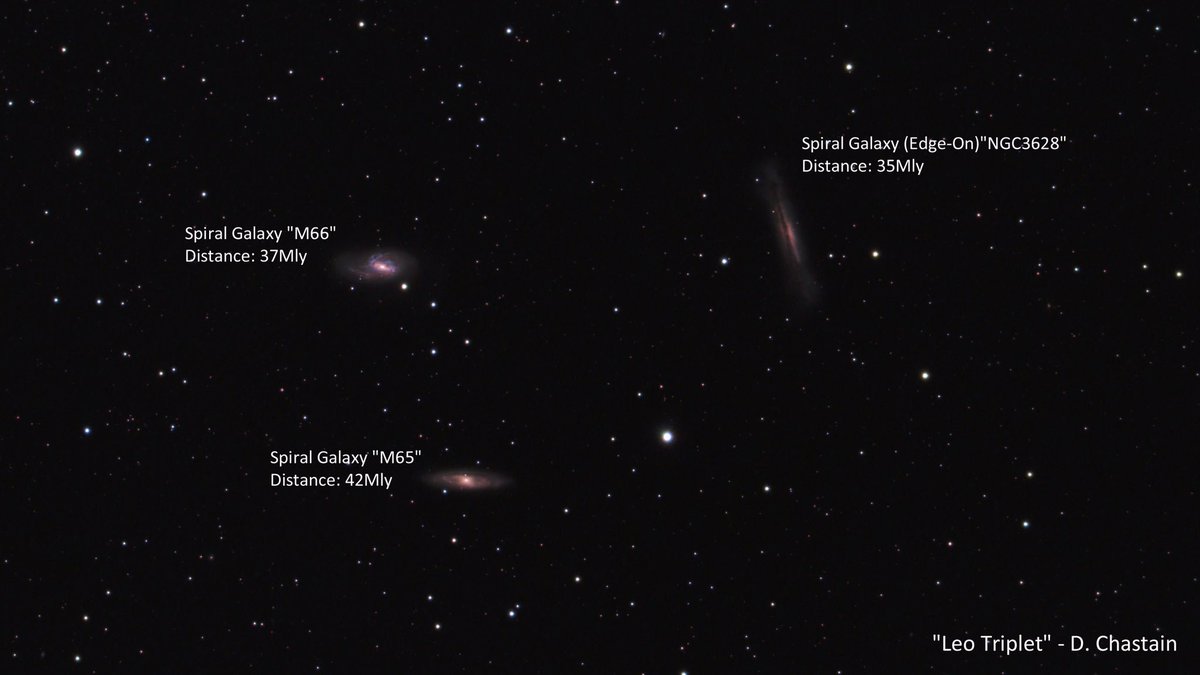
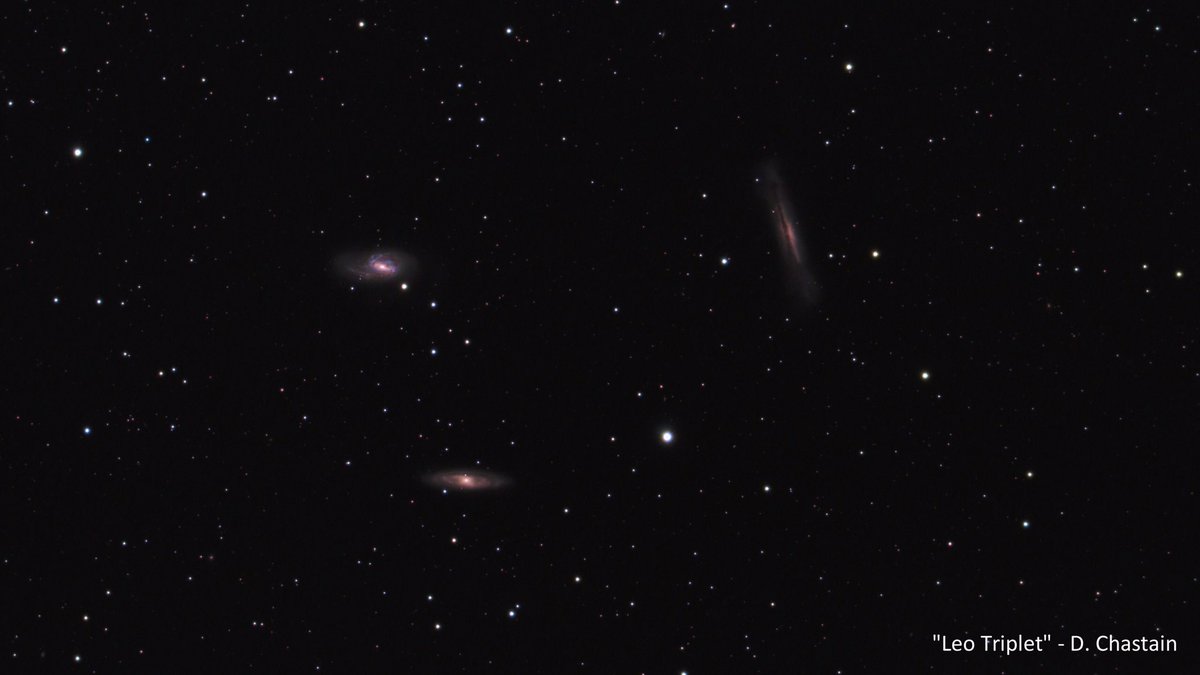
Here is the “Leo Triplet,” a formation of three galaxies in the constellation Leo. I took this picture on April 21st. The first picture is the original and the second is labeled with the galaxies catalog numbers and their distances from Earth.
https://t.co/wZ1DbbRDhl
With my utmost respect for Mr. Rogers and all that he stood for, please enjoy this clip of my life at home during the covid-19 pandemic. I hope it brings a little laughter during this difficult time.
April 19, 2020 Time Lapse (Venus is the brightest light on the right & the constellation Orion is setting in the center) https://t.co/MWU2mplXgW via @YouTube
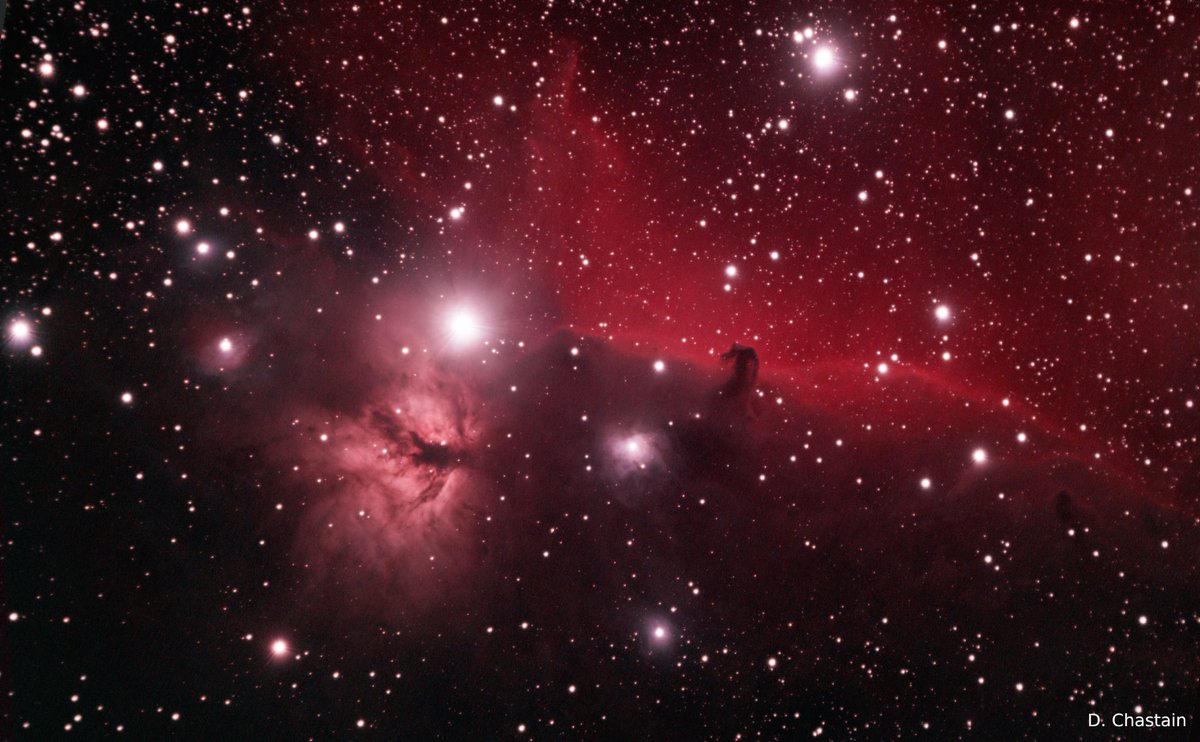
The Horsehead and Flame nebulas in Orion’s Belt. The horsehead shape is a dark nebula positioned in front of an emission nebula about 800 light years away. This image is composed of about 3.7 hours of data from one night in December and two nights in February.
M27 nebula from Friday night. Charles Messier first discovered this in 1764. This type of nebula can result when a star explodes. Also known as the dumbbell nebula it is over 1200 light years away.