@SBakerMD In my view GLP-1s induce a diseased state that has a symptom of weight loss. If the same hormone imbalance and weight loss were observed in a patient it’d be called a disease.
Want to get healthy?
Just use this prompt in Chat GPT and follow the response where it leads you.
Prompt: What diseases are a result of hyperinsulinema?
I’ve come to believe that autoimmune diseases are a product of a reckless consumption of inappropriate proteins from the plant kingdom that our immune system is trying very hard to fight. I’ve personally watched diagnosed rheumatoid arthritis and eczema resolve on carnivore.
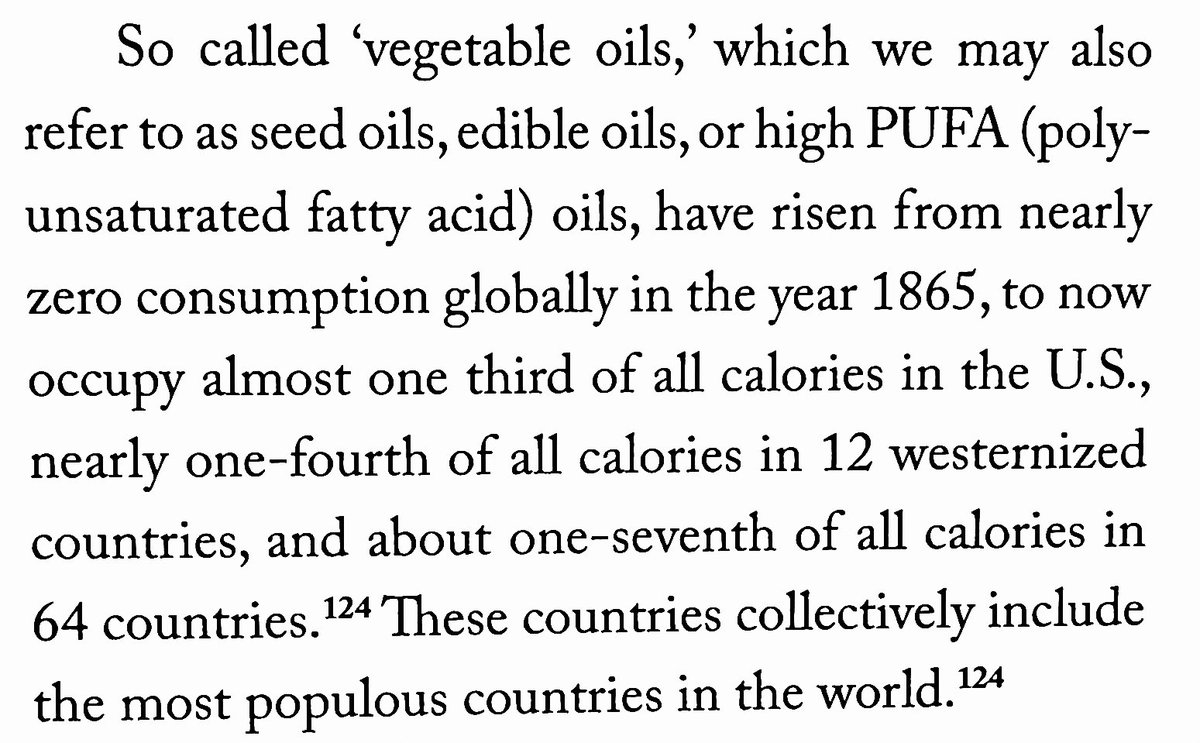
Linoleic acid (the primary fat in seed oils) has multiple fates, with a primary outcome being the production of 4-HNE. This paper (linked below) reinforces the evidence that 4-HNE contributes to metabolic problems, including #insulinresistance, by limiting the ability of subcutaneous fat to proliferate (i.e., make more fat cells; "hyperplasia"). This may seem like a good thing, but by limiting hyperplasia, any pressure for the fat cells to grow must now lead only to hypertrophy (i.e., growth of the cell). Hypertrophic fat cells undergo two important adaptations: 1. They become insulin resistant to prevent further growth (after all, insulin is the primary growth signal on fat cells); 2. They become inflammatory in an effort to increase blood flow to prevent hypoxia ("suffocation of the cell"). These two adaptations, both of which are intended to help the hypertrophic fat cells survive, end up spreading insulin resistance throughout the body. Back to the study: The authors find that even modest elevations in 4-HNE are sufficient to cause these changes. As much as I'm an advocate of eating fat liberally, focus on natural fats: animal fats and fruit fats (e.g., olive, coconut, etc.). https://t.co/pUEvVFmxZC
Obviously the bottom 2/3rds must therefore be prevented from eating...
"World's richest 1% emit as much carbon as bottom two-thirds: report"
https://t.co/Grq0DQLBhU
Oh, rats?
One 300-gram rat contains 648 Calories, 63 g of protein, and 33 grams of fat. The same amount of actual lamb shoulder provides just 402 Calories and 61 grams of protein, and just 16 grams fat. 300 grams of New York Sirloin would get you 684 Cal, 62g protein, 47g fat).