This magnificent staircase was shipped across the Atlantic in pieces more than 125 years ago.
Located inside the Palácio da Liberdade in Belo Horizonte, Brazil, the grand staircase was designed in Brazil and ordered through a Belgian firm before being transported in sections and assembled inside the palace.
Its elaborate Art Nouveau ironwork features intricate floral patterns, sweeping curved railings, and marble steps. The staircase used an innovative detachable construction system known as the Joly system, considered a major technological advancement at the time.
The palace opened in 1898 as the seat of government of Minas Gerais, with interiors reflecting the European architectural influences of the late 19th century.
Today, its extraordinary staircase remains one of the palace's most remarkable architectural features.
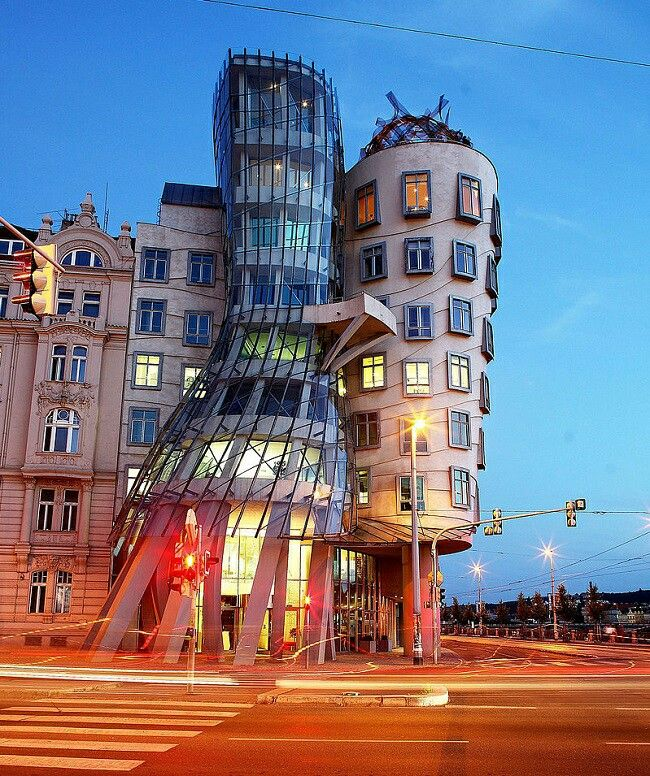
On February 14, 1945, American pilots mistook Prague for Dresden in Germany and, by mistake, bombed the exact spot where this building stands today. The old building there was destroyed, and the lot stayed empty for about 45 years.
After communism fell, Czech architect Vlado Milunić’s first idea was a building in two parts: one still, the other moving. The still part would stand for the rigid past (communism), and the moving part would stand for the changing new country and freedom.
A world-famous architect also joined the project: Canadian-American Frank Gehry.
The building’s two towers were compared to the famous Hollywood dancers Fred Astaire and Ginger Rogers dancing together. The glass tower that narrows in the middle is Ginger, the woman in a skirt. The straight stone tower is Fred.
The windows were placed out of line on purpose. This way, they don’t break the floor lines of the buildings next to it, and the building looks like it’s moving.
These aren’t paintings.
They’re Picture Jasper real landscapes the Earth formed over millions of years. Mountains, deserts, and soft horizons… Locked inside stone.
The iconic Art Deco chandelier designed by French glass master Jacques Simon in 1928, hanging in the entrance hall of the Carnegie Library of Reims in Reims, France