Hello! Long time, no tweet. Sorry about that 🫥
We have a new forensic pathology fellowship program with Wayne State University! Check out the info below or go to the link in our bio.
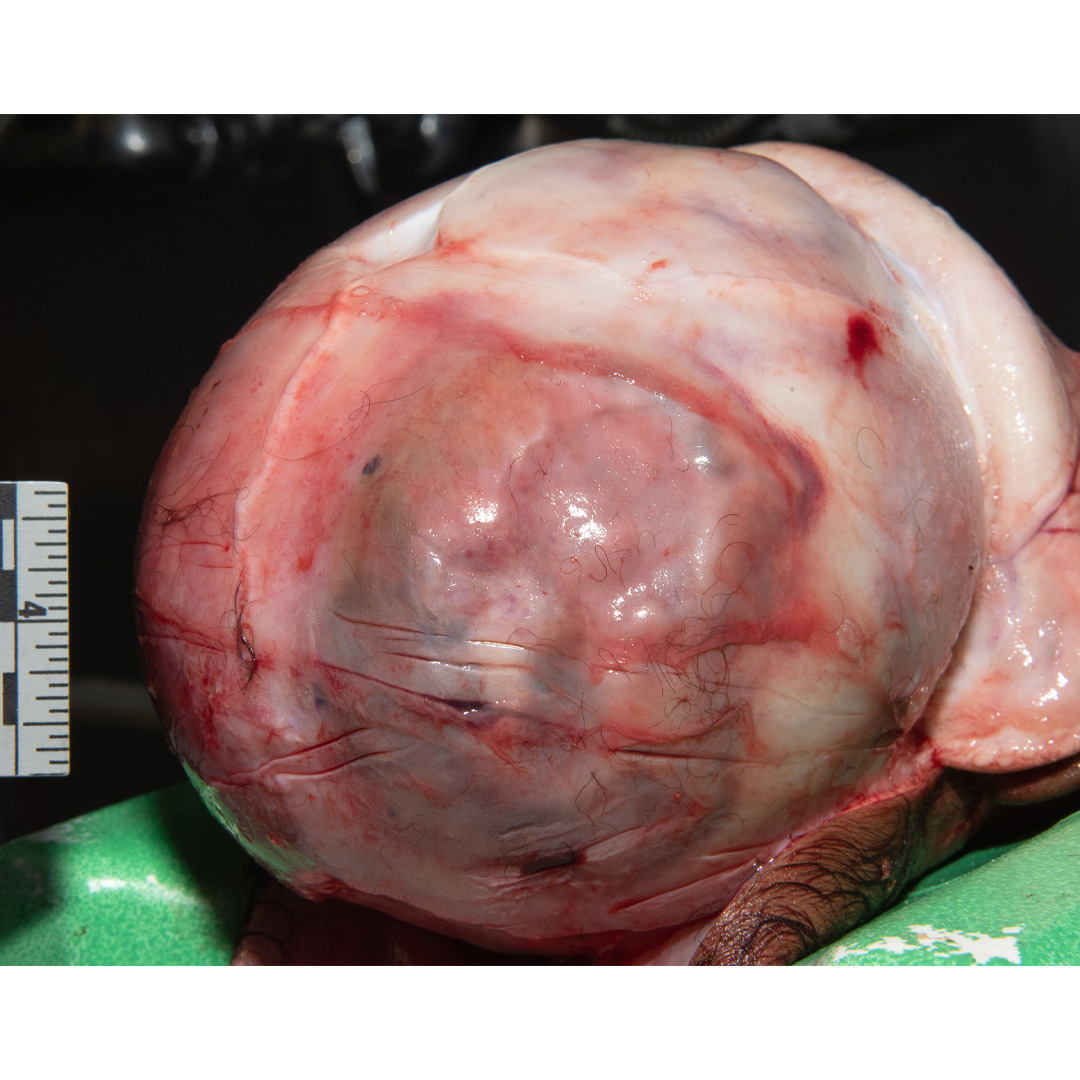
Specimen Saturday! Cephalohematoma is a type of birth injury that occurs when blood collects between the skull bone + fibrous covering of the skull called the periosteum. This is typically caused by trauma to the baby's head during delivery. Photos show a cephalohematoma.
In other big news, later this year WCMEO is collaborating with the WSU School of Social Work @WSU_Social_Work to start bringing social workers into our office! You can read all about it here: https://t.co/cNOJB5XHXO
Episode 4 is out now! We have a fellowship interview with Dr. Stephanie Dean in Baltimore, MD. Also, we're sad to say this will be the final episode of the podcast for the foreseeable future, thank you for all of the support!
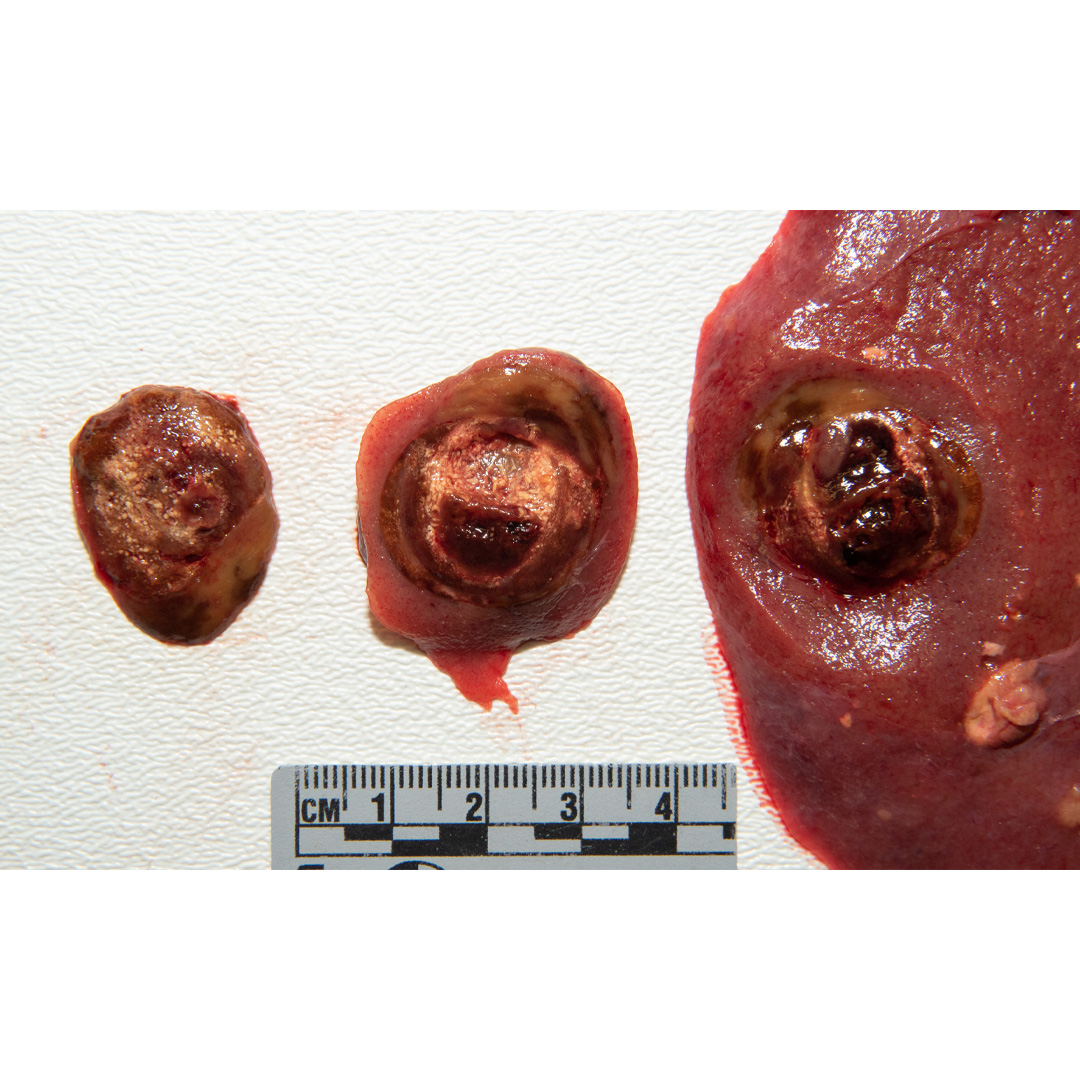
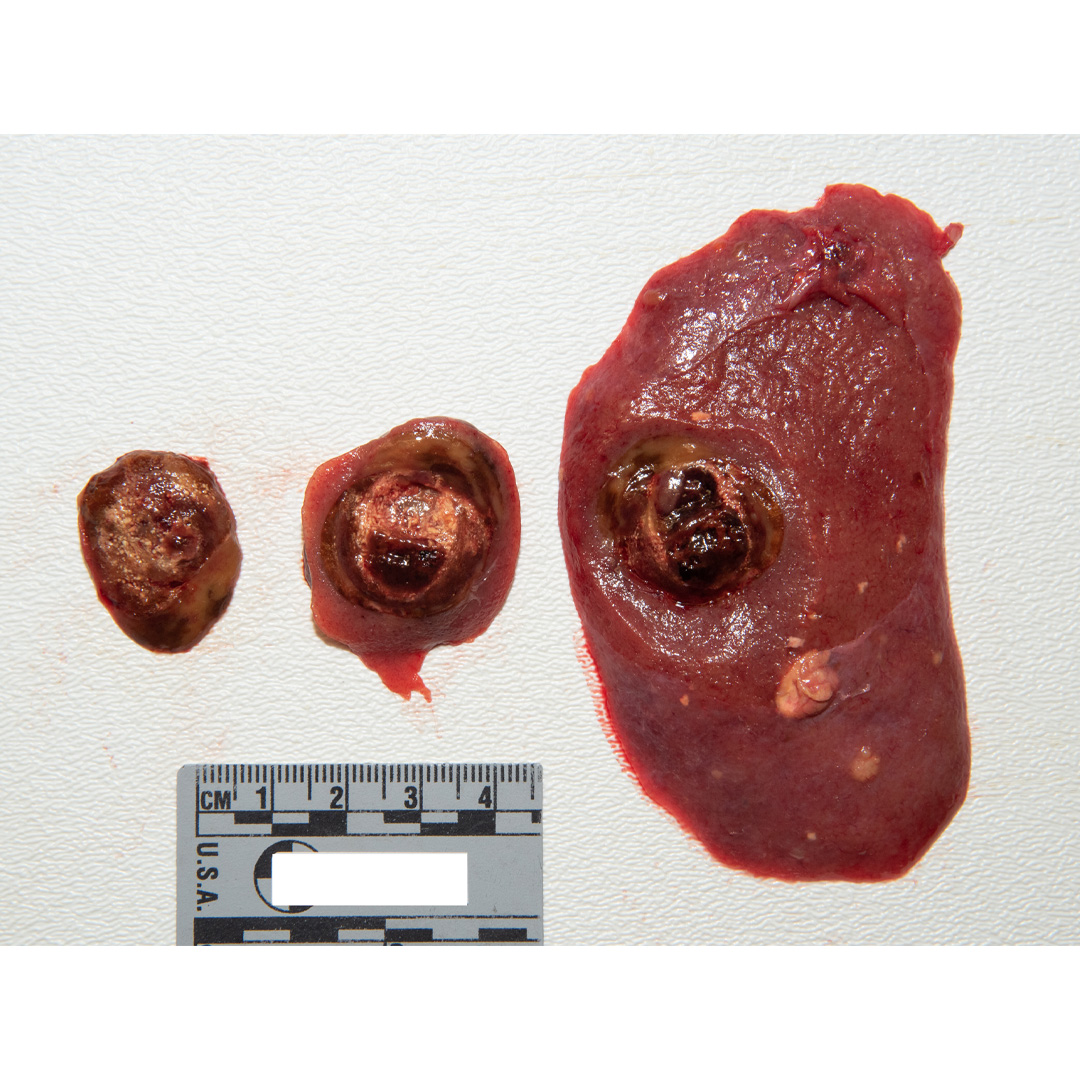
PRCC is usually found incidentally on imaging work up for other medical conditions. These tumors tend to be more multi-focal and bilateral (arising in many areas in both kidneys).
Papillary renal cell carcinoma (PRCC) is a type of kidney cancer. It originates from the lining of the small tubules of the kidney that filter the blood and make urine. There are two types of PRCC, type I which grows slowly and type II which is more aggressive.
1. High grade serous carcinoma (HGSC) is the most common type of ovarian cancer. It arises from the epithelial cells of the Fallopian tube or ovary. HGSC is aggressive and can spread widely throughout the abdomen at an early stage of the disease.
Body packing involves swallowing high value street drugs which are often packaged in plastic wrap to evade detection by law enforcement. Intoxication happens when the packets rupture, causing a super-lethal drug concentration.
New episode out today! Our doctors talk to Dr. Susan Ely in New York City and Dr. James Gill in Connecticut and learn about their forensic pathology fellowship programs! Listen at the link in our bio.
2. This cystic cavity forms as a result of ischemic brain infarcts that happen before birth and is usually located in the middle cerebral artery territory. Porencephaly can also be caused by abnormal development of the brain which is inherited and less common.
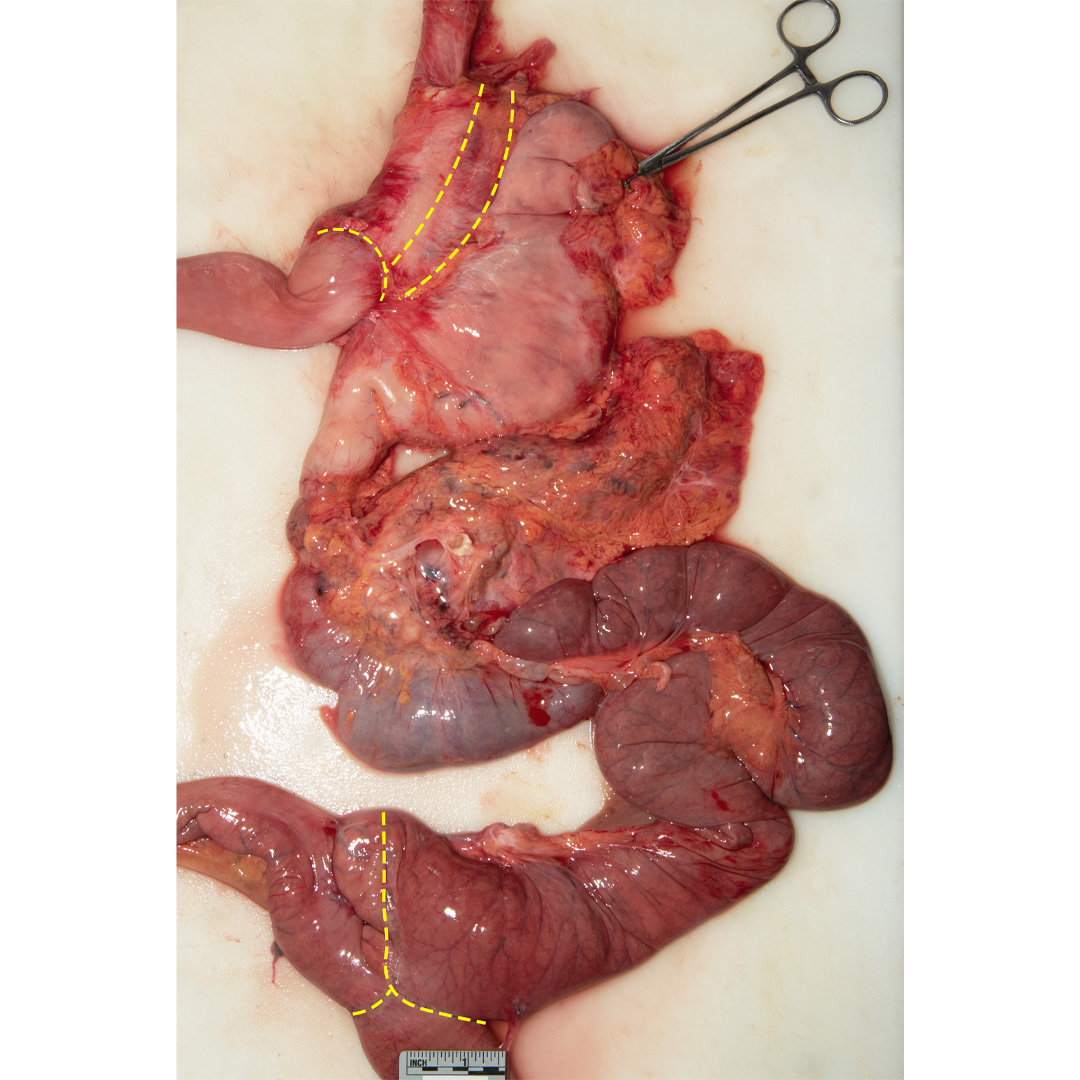
3. The food will move directly from the stomach pouch to the small intestines bypassing the stomach and a portion of the small intestines. This will reduce the amount of food absorbed by the digestive system.
1. Roux-en-Y gastric bypass (RYGB) is a type of bariatric surgery. In RYGB, a small pouch is created from the stomach, using a stapling device. This small pouch will be only part of the stomach that receives food.
2. The small intestines are cut below the stomach and connected to the stomach pouch. The proximal small intestines are reconnected which allows gastric + pancreatic secretions to flow to the small intestines.
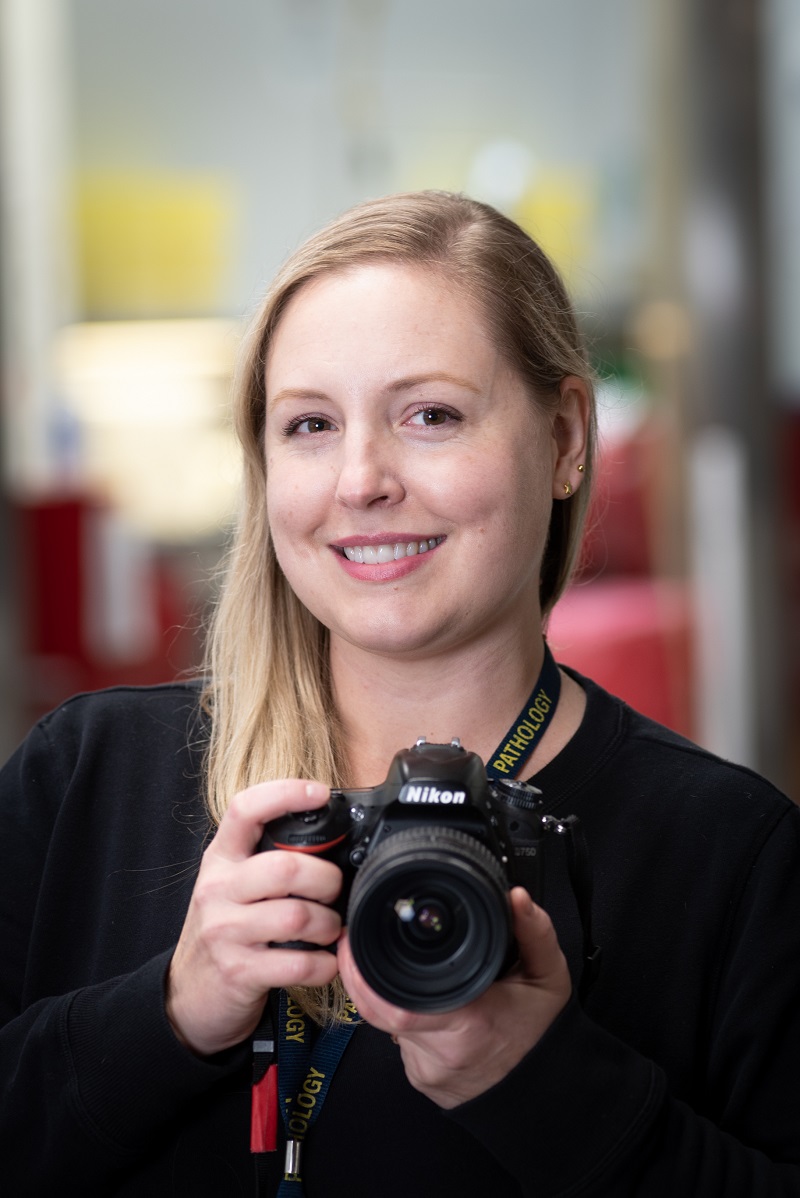
@UMichPath did a wonderful interview with our photographers here in Detroit and the photographers in Ann Arbor. Thanks for highlighting a unique job in the pathology department! #forensicphotography
Ever thought about a career in #ForensicPhotography?
Hear from our cast of photographers including Lisa Belanger Neal, Kelly Root, Sierra Onickel and Camren Clouthier as they share some unique insight related to their roles at #UMichPath.
Read more: https://t.co/ohFnyDIgpD
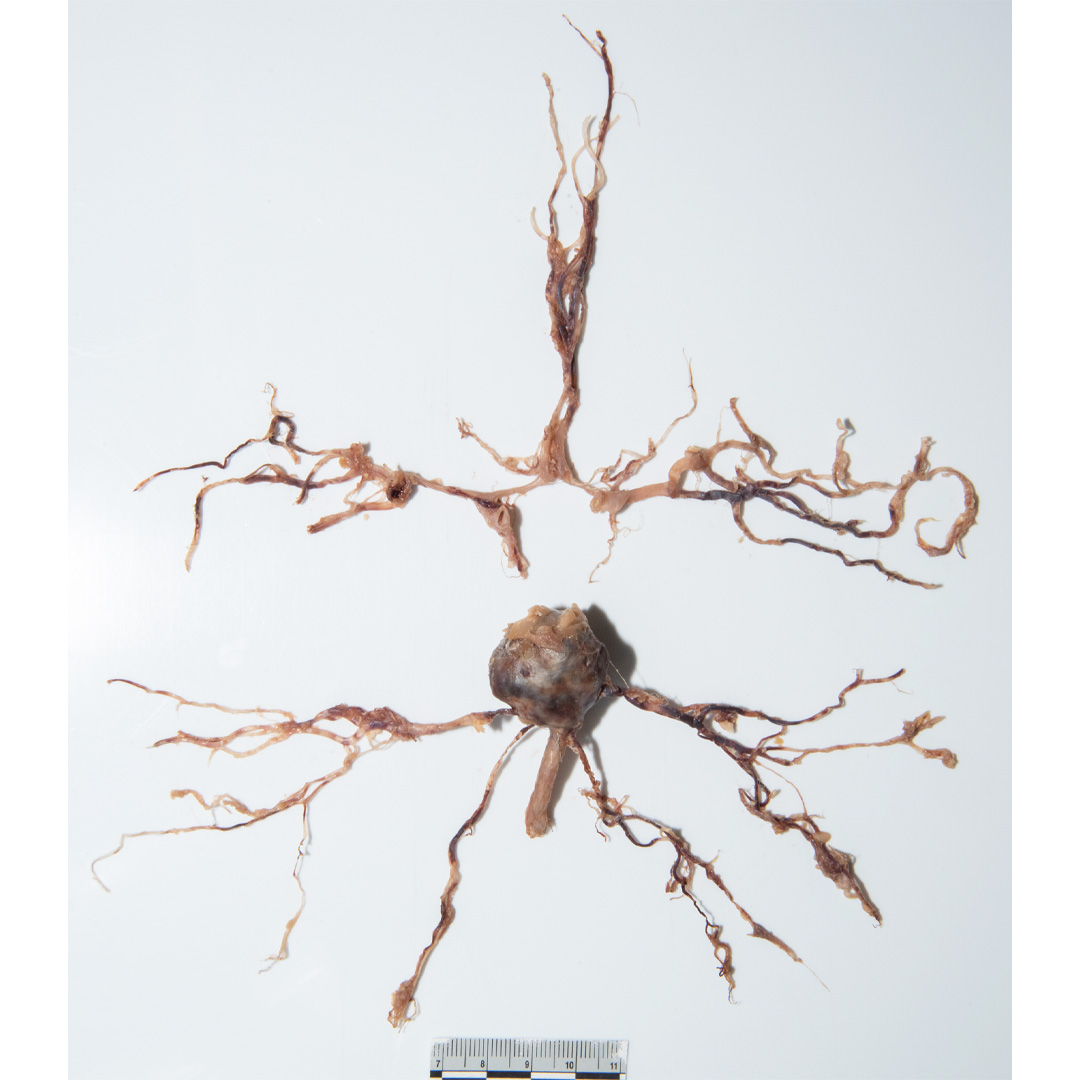
1. Stent assisted coiling of intracranial aneurysms is used to treat large, complex, and fusiform aneurysms. Fusiform aneurysms are non saccular dilations that involve short segments of the intracranial artery.
2. Stent-assisted coiling introduces an endovascular stent which forms a scaffold and thus prevents the protrusion or migration of the coil into the parent artery. The coil is left in place to induce clotting (embolization), which completely seals off the aneurysm.