@Sthanu5 Although some lesions resemble Forscheimer’s spots the pale center is more compatible with doughnut spots.
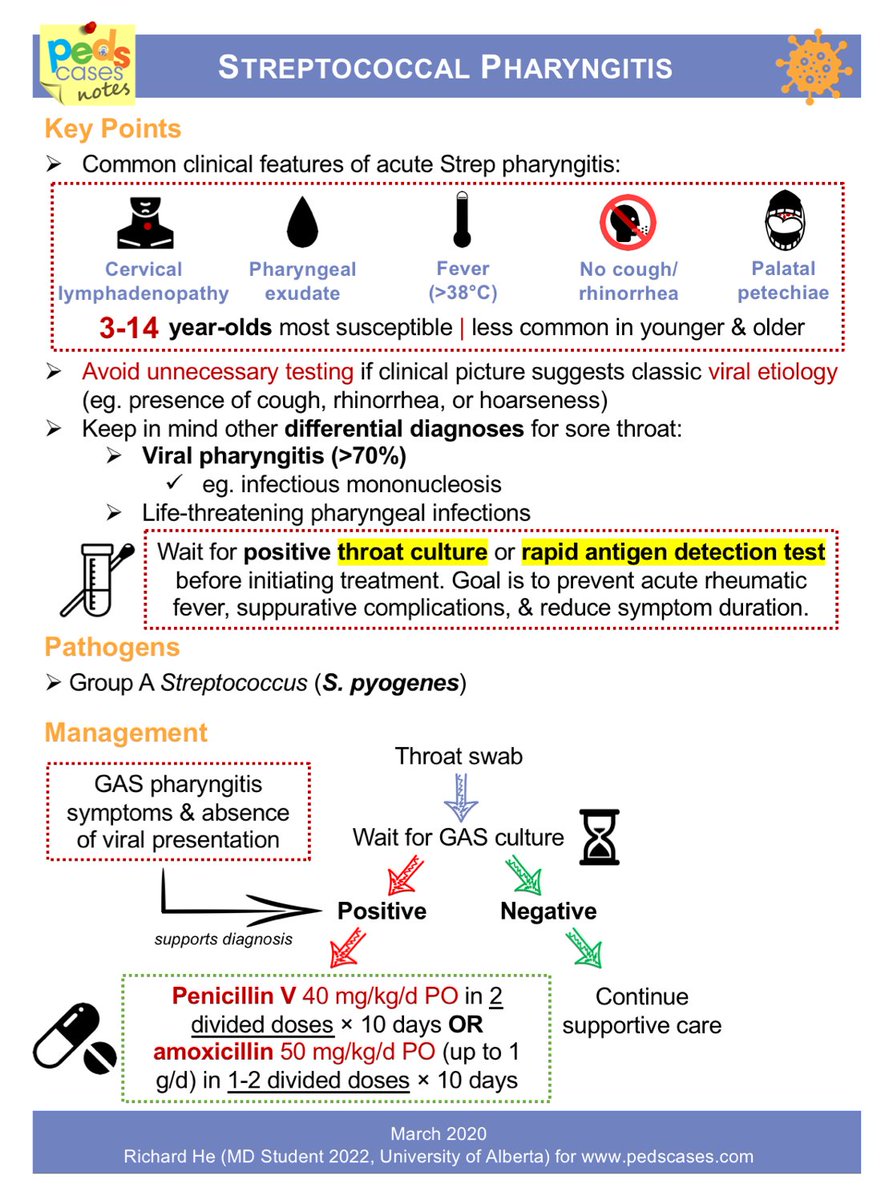
Possible streptococcal pharyngitis.
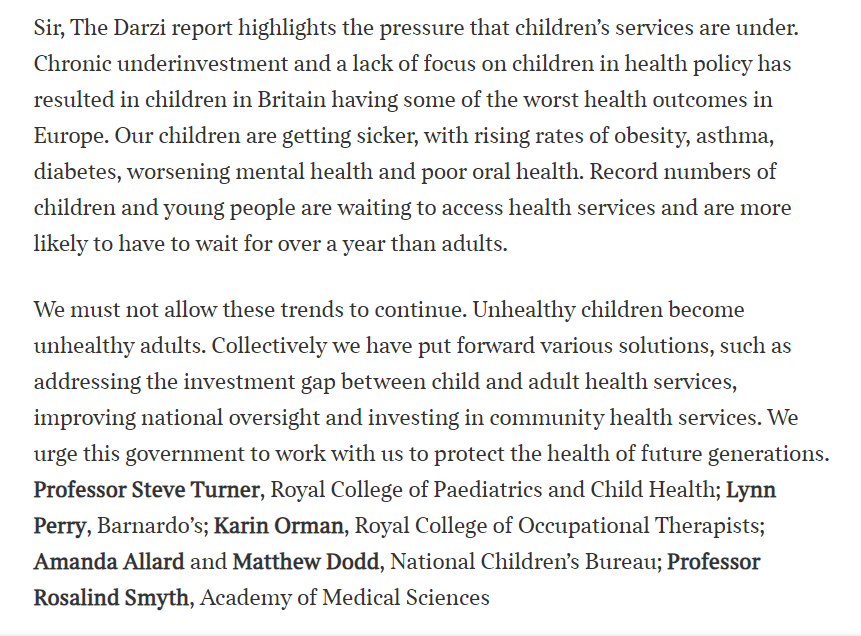
Alongside other leading organisations, today we've written in @thetimes about why the #DarziReview must be a turning point for children's health.
We stand ready to work with @wesstreeting and others in government on our solutions to ensure children aren't left behind.
🙌#QIWeek2024! Excited to showcase how we drive QI in Somerset. Here's our simple 7 step methodology which blends QI, benefits & project mgmt. Each step has supporting tools🪜
Find out more: https://t.co/90yQZkEDJo
@FabNHSStuff@theQCommunity@AnitaDehavilla1 @LouRodrigues_QI
Open Access: Biomarkers of peanut allergy in children over time
First author: Ru-Xin Foong; corresponding author: Alexandra F. Santos
Read the article here: https://t.co/RhkvA1q087
Peanut allergy (PA) remains relatively stable in late childhood (7-12-years of age) with few children developing new PA or outgrowing PA. The authors aimed to observe changes in PA resolution and persistence over time. Children with persistent peanut allergy have raised skin prick test (SPT), peanut-sIgE, Ara h 2-sIgE and %CD63+ LAD2 cell activation evident from infancy that consistently increase over time.
Read more articles published in #Allergy on #foodallergy here: https://t.co/3zmbAv02of
#Allergy_journal
@Sthanu5 I remember seeing some patients with neurocysticercosis in medical training 20 years ago- if this still continues to be an issue and leading to loss of lives, isn’t this something which needs to be addressed by public health ?
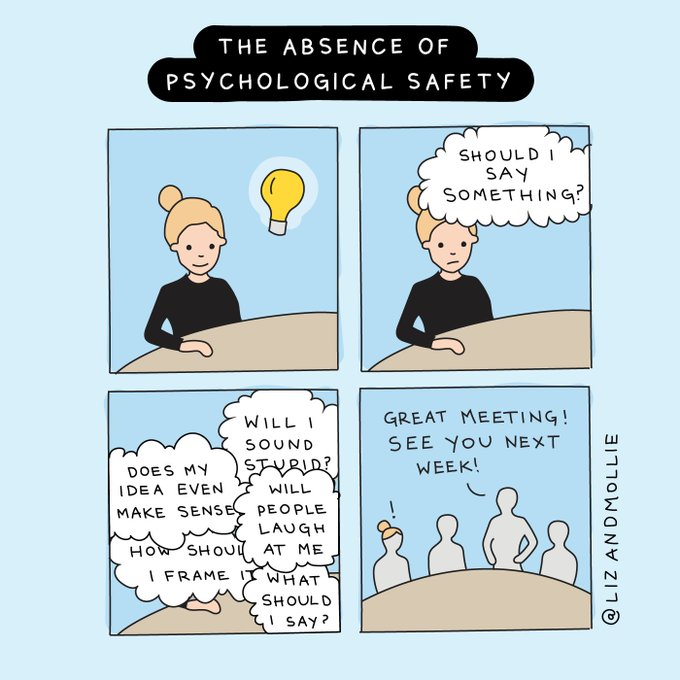
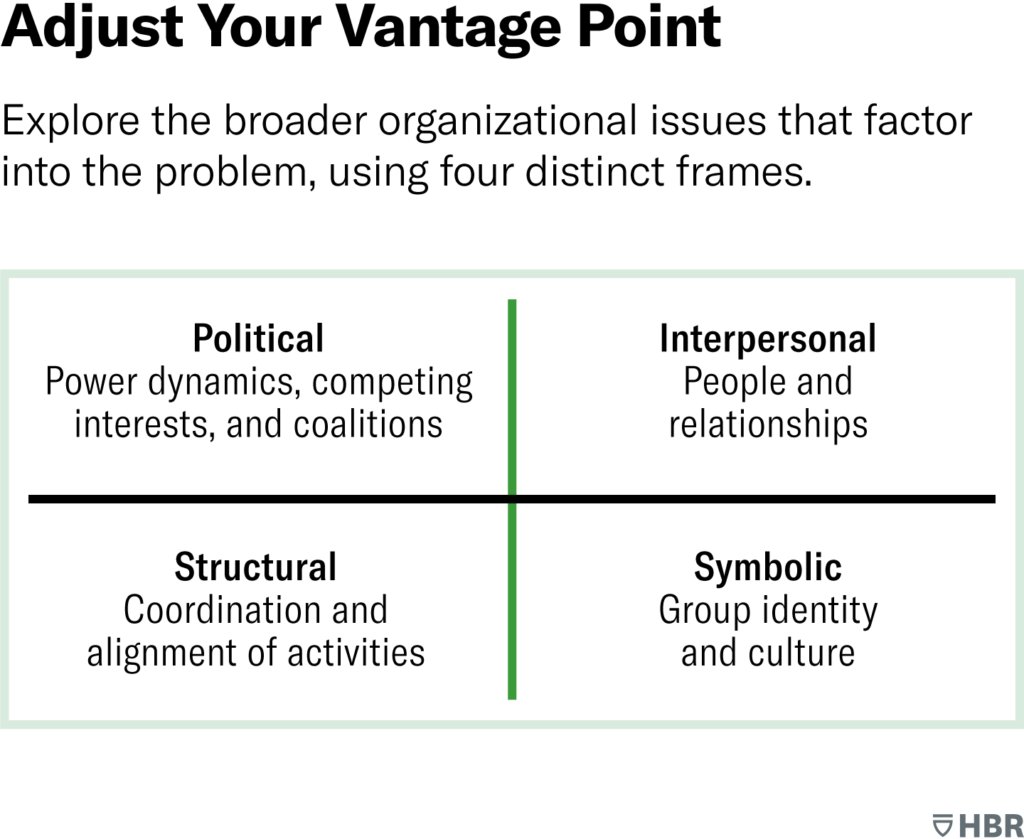
How to improve a meeting (when you’re not in charge). A recent article from @AmyCEdmondson. The tactics you use depends on the level of psychological safety:
1) The helpful workaround: works when psychological safety is low (on the team or with the person leading the meeting). You don’t explicitly name what is bothering you, but ask a question that can help resolve the feelings of frustration.
2) The solution-centric proposal: works when psychological safety is moderate. You point to the problem area by asking a question that shows how resolving the issue will increase the effectiveness of the meeting.
3) The constructive confrontation: works when psychological safety is high. You explicitly name the problem & give feedback to help create a productive solution
https://t.co/ZWtDq7hpFm. Written in partnership with @TijsBesieux. Graphic by @fosslien & @molliewest.
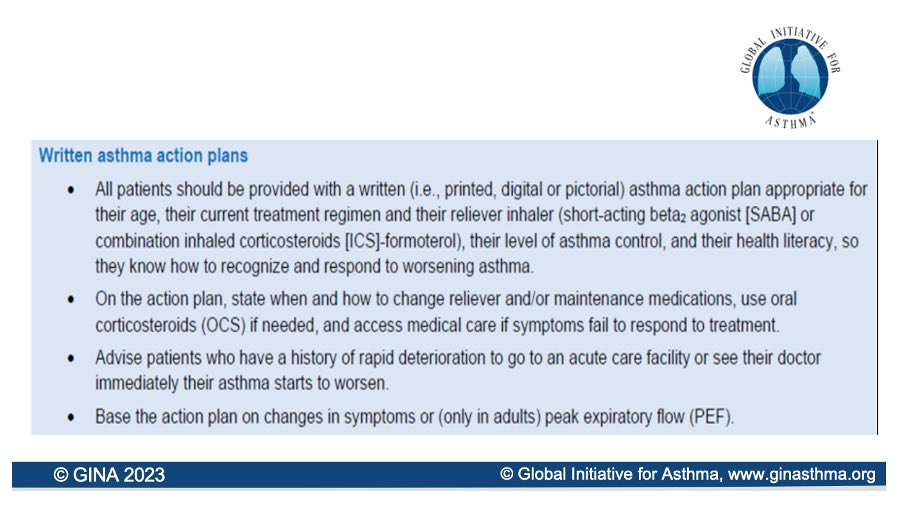
An asthma attack is a signal that something went wrong! 4 of 4:
Was a post-attack review done? GINA recommends an assessment within a week to identify and fix modifiable risk factors such as lack of an asthma action plan. https://t.co/Cm9ADXlUYD
World Asthma Day - May 7, 2024
Asthma Education Empowers. GINA emphasizes the need to empower people with asthma with the appropriate education to manage their disease, and to recognize when to seek medical help. #WorldAsthmaDay#GINA
Visit: https://t.co/TtFEEPFAlN
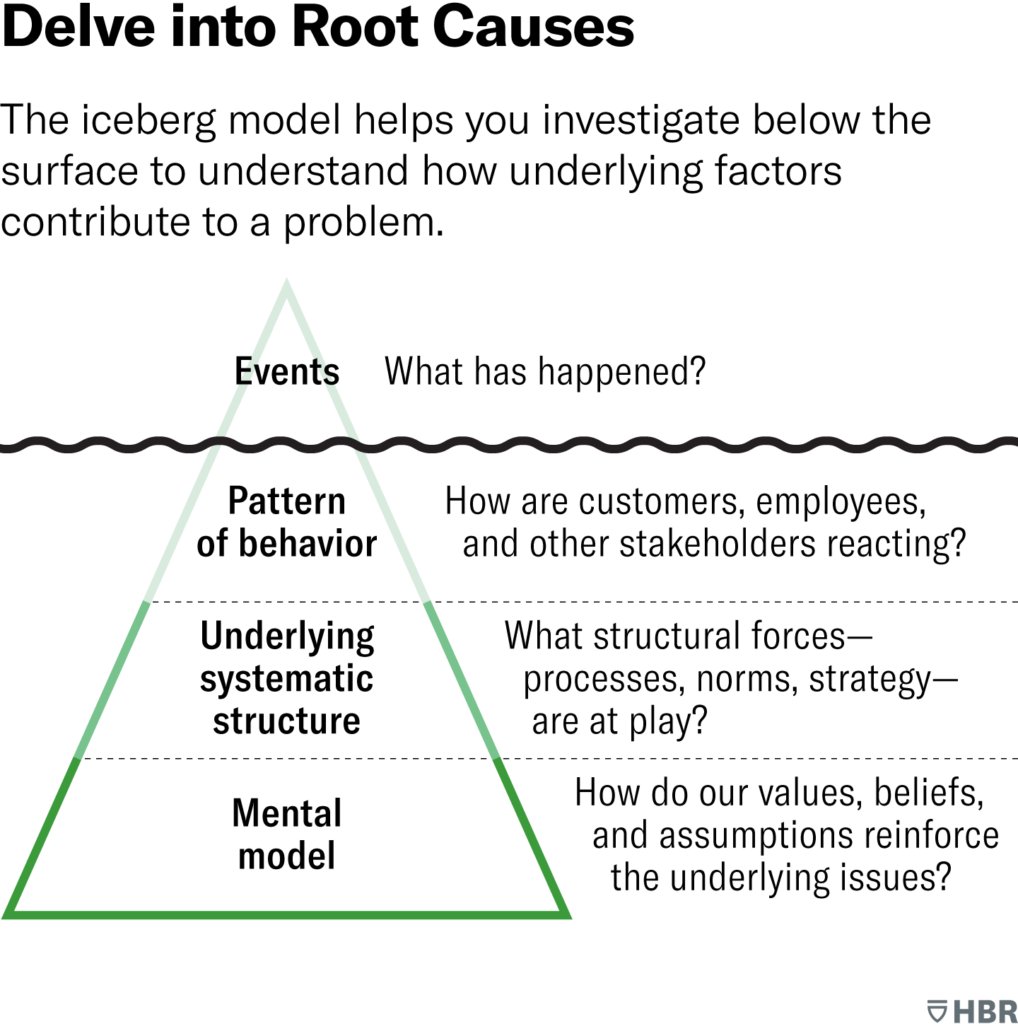
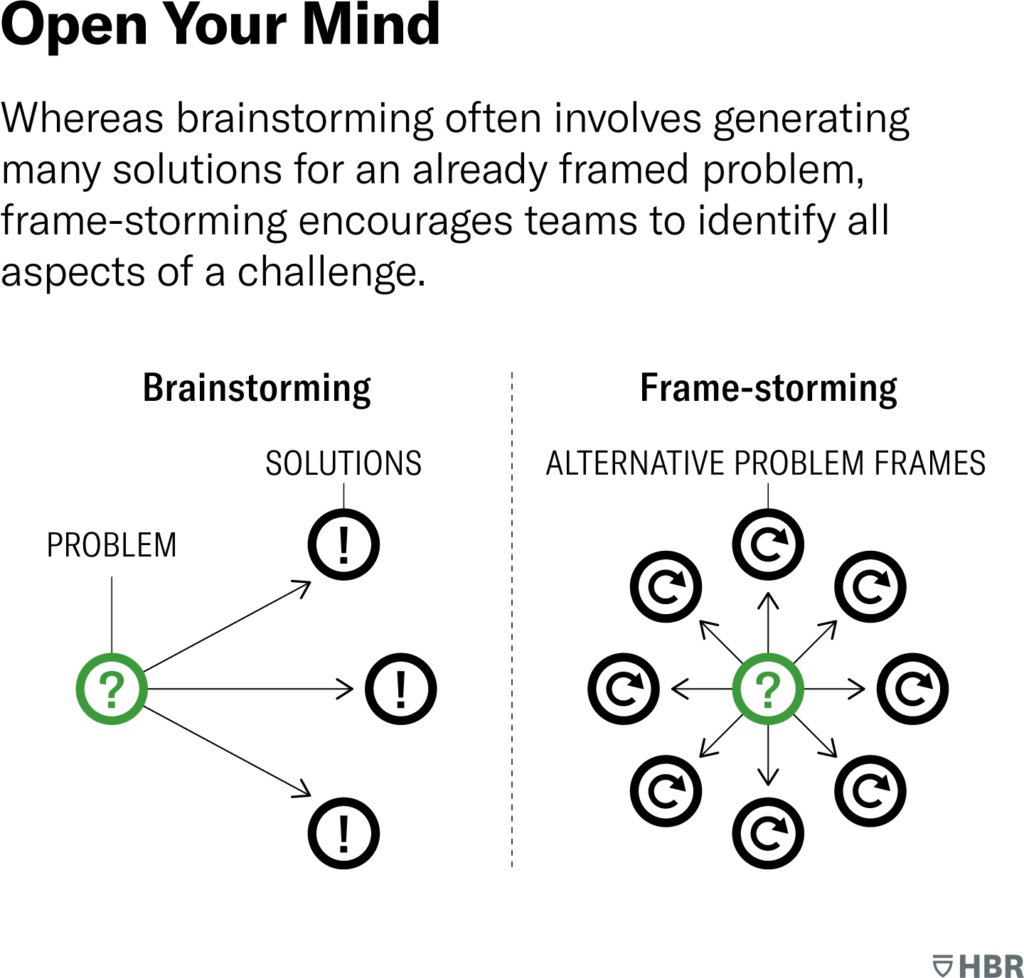
Research shows that when facing tough problems, leaders & teams tend to dive straight into "solving" mode; often not examining or defining problems before trying to solve them. Julia Binder & @MichaelDWatkins suggest we undertake "problem-framing" before "problem-solving". There are 5 stages:
1) expand: identify multiple aspects of a problem
2) examine: dive into root causes
3) empathise: consider other's perspectives (& co-design)
4) elevate: put the problem into a broader context
5) envision: create a road map toward the desired outcome
The article contains some great graphic tools: https://t.co/BKluPTdIHa
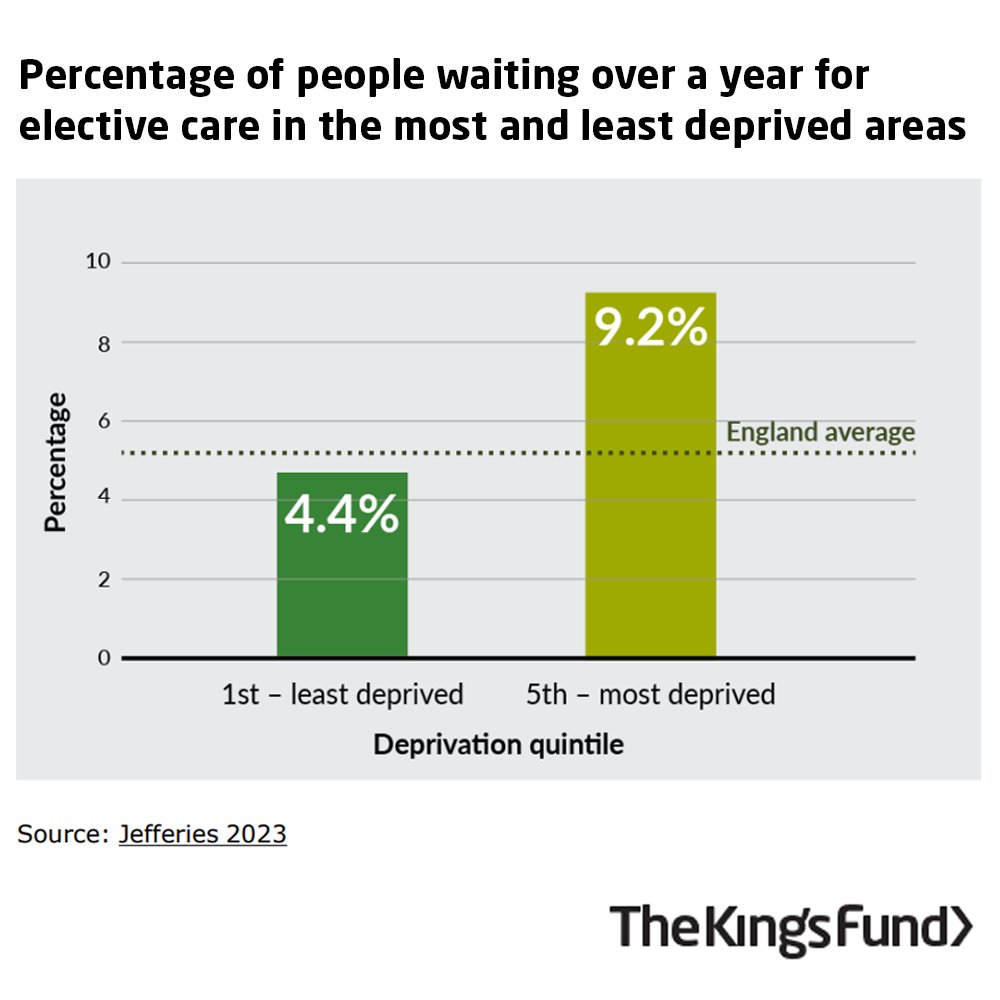
People living in England's most deprived areas are 2.1 times more likely to wait over a year for elective care than those in the most affluent areas. Read our report to find out how an inclusive approach to #NHSWaitingLists might tackle these disparities. https://t.co/eGnj1G6LVM
The primary results of the Harmonie trial of niservimab for prevention of RSV in infants are now out in @NEJM
Reduced RSV hospitalisation by 83%
Reduced ALL CAUSE LRTI hospitalisation by 58%
Thank you to all the parents and babies who participated
https://t.co/H07gxOag0T
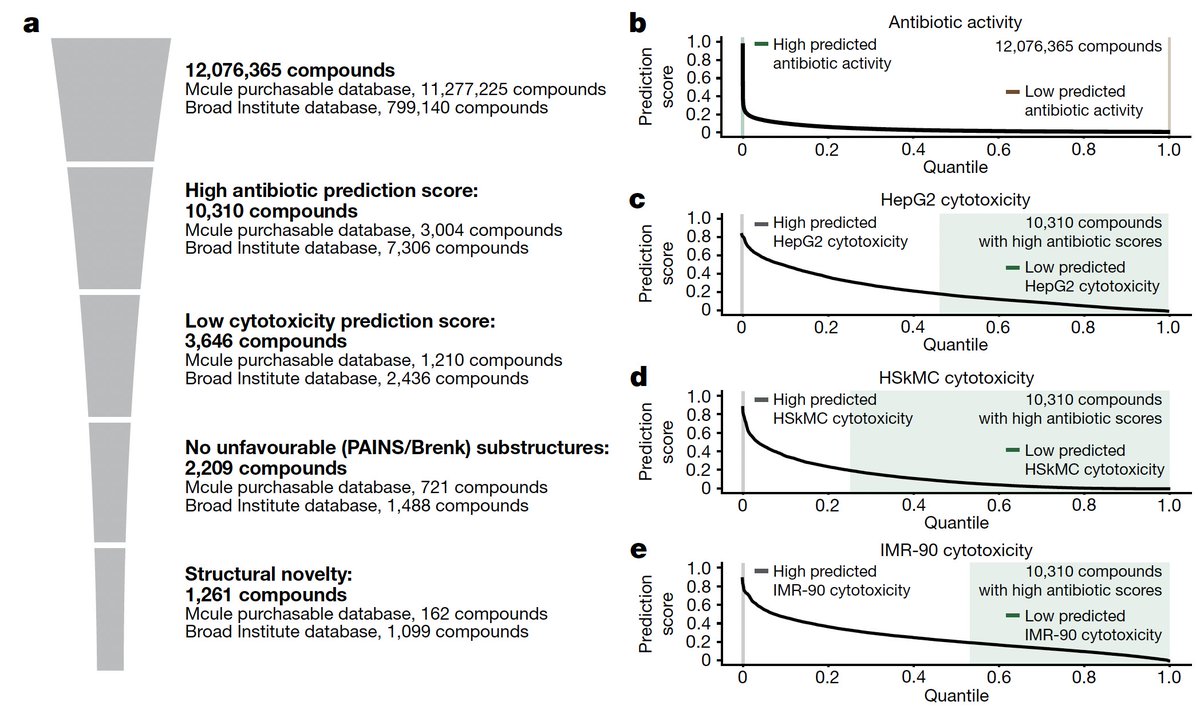
Big #AI discovery: a new structural class of antibiotics (the last one took 38 years) with multiple compounds effective vs methicillin-resistant Staph aureus, without toxicity
@Nature https://t.co/E7YD1zmi7m
@Damian_Roland@EIP_Institute Good debate - Clinical history and the pre test probability of a cardiac etiology would make me consider ECG -ECGs on every child with chest pain is not an effective use of resource.