The Caribbean doesn't just face natural disasters. It faces the jobs crisis that follows. Every storm sets back years of employment gains. Read how the @WorldBankGroup is helping Caribbean workers and communities build back stronger. https://t.co/rzUJmkifJU
#WordlEnvironmentDay
Drought is forecast across parts of Mauritania, threatening people already at risk and facing elevated needs. I’ve allocated $2.5M from UN’s Emergency Fund CERF for anticipatory action to get ahead of the drought, supporting cash transfers and life-saving aid for 120k people.
The global economy now uses roughly half as much energy per dollar of output as it did in 1980, helping cushion oil shocks. Read more in F&D magazine. https://t.co/uIBOYR9eU2
From guarantees to rapid financing, ADB drives more sustainable and resilient supply chains across Asia and the Pacific.
In this video, our Neha Noronha from ADB Singapore explains how.
Iran’s continued closure of the Strait of Hormuz is increasing fuel, fertiliser and food costs globally, threatening a hunger crisis in the Global South. I’m in Rome talking to food-based agencies pushing for coordinated action to get supplies moving, and protect those at risk.
The Malolos‑Clark Railway in the Philippines is one of ADB’s key efforts to deliver modern, climate‑resilient mass transit across Asia and the Pacific.
Our Satomi Sakaguchi discusses how improved transport systems can help decongest cities and expand access to opportunities.
Global development is not one story.
Across People, Planet, Prosperity, Infrastructure & Digital — the Atlas of Global Development 2026 tracks which countries are moving fastest and which are losing ground.
🆕Discover the data: https://t.co/hBaPPKvBNI #WBGAtlas
What does the vandalism of international solidarity mean for those in greatest need?
And how do we fight back?
My speech at @unicomplutense in Madrid.
#moralambition#87MillionLives
.@Acwa_en President Abid Malik speaks on what it really takes to build transmission infrastructure for a Pan-Asia super grid: “you need to come into a country and partner with the government."
Watch the full session free on demand: https://t.co/65DreWqxNw
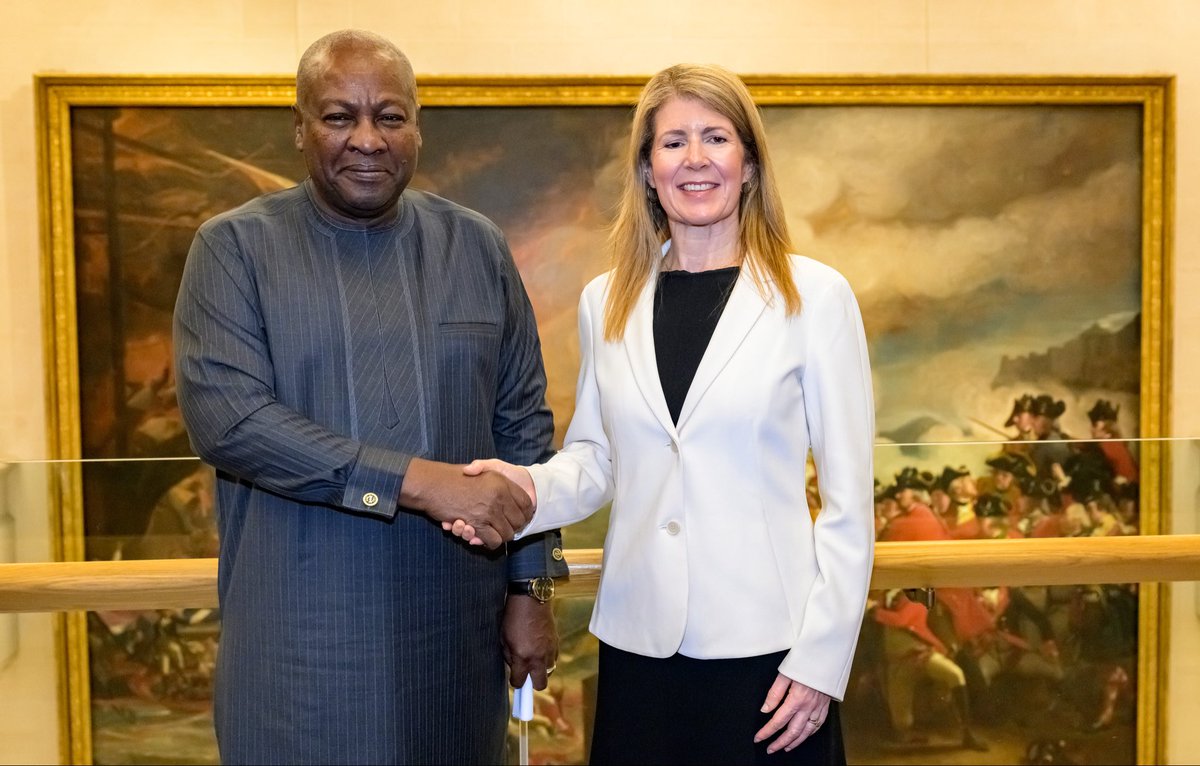
It is not about what we announce or spend - it's about the difference we make together.
Partnerships are judged not by what is promised, but by what is delivered.
That's what I spoke about today at The Africa Debate, alongside @JDMahama 🇬🇧 🇬🇭
https://t.co/mmIAodbXKU
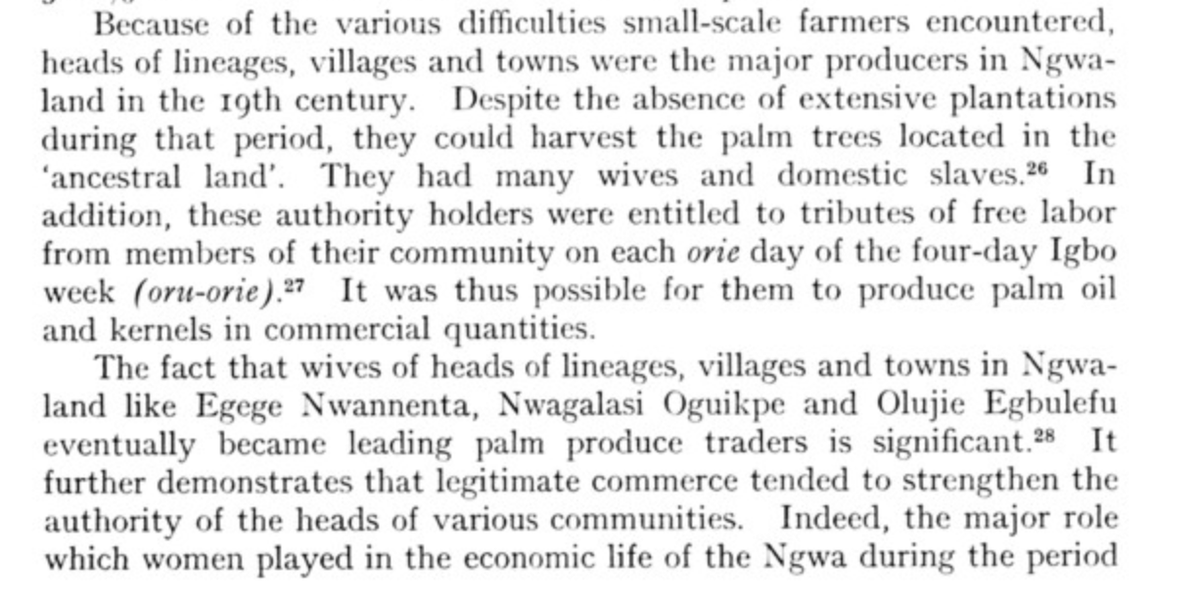
Some Ngwa women became wealthy and successful palm oil traders, and there are some reports that the British wanted to appoint them to Native courts.
But Ngwa men objected, and the British conceded so as to preserve support for imperialism.
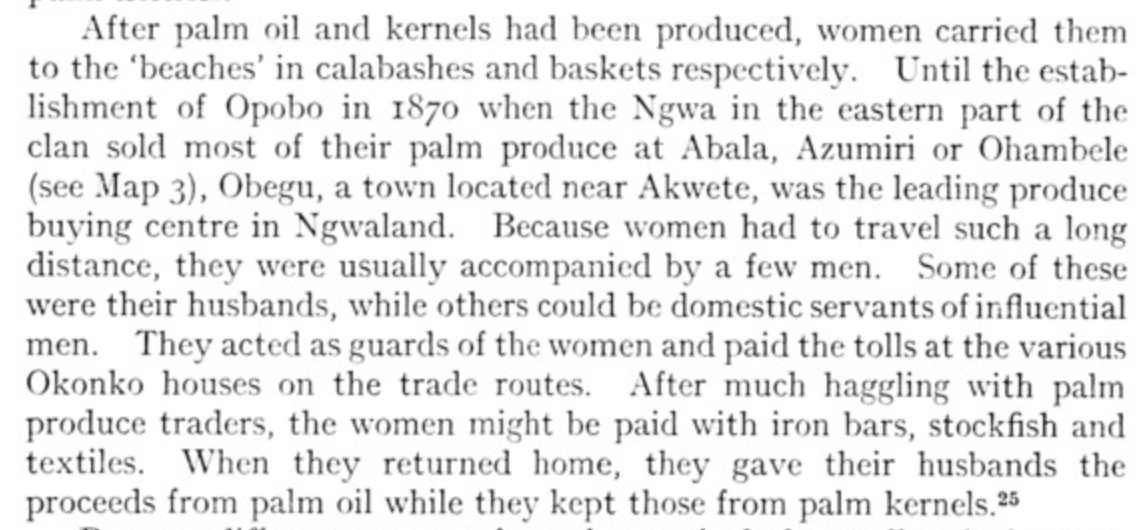
Source: JN Oriji 1983
Some historians have highlighted that on the West African coast there were many wealthy and successful female traders.
But here Oriji provides an important corrective:
Palm oil estates were often inherited patrilineally, amassed by large lineage heads who had many wives, servants and slaves.
Their polygnous co-wives would then embark on missions to trade, accompanied by servants. And would give some of the profits to their husbands.
So this isn't really an example of women's economic independence, but rather that some men amassed wealth and sent their wives on trading missions.
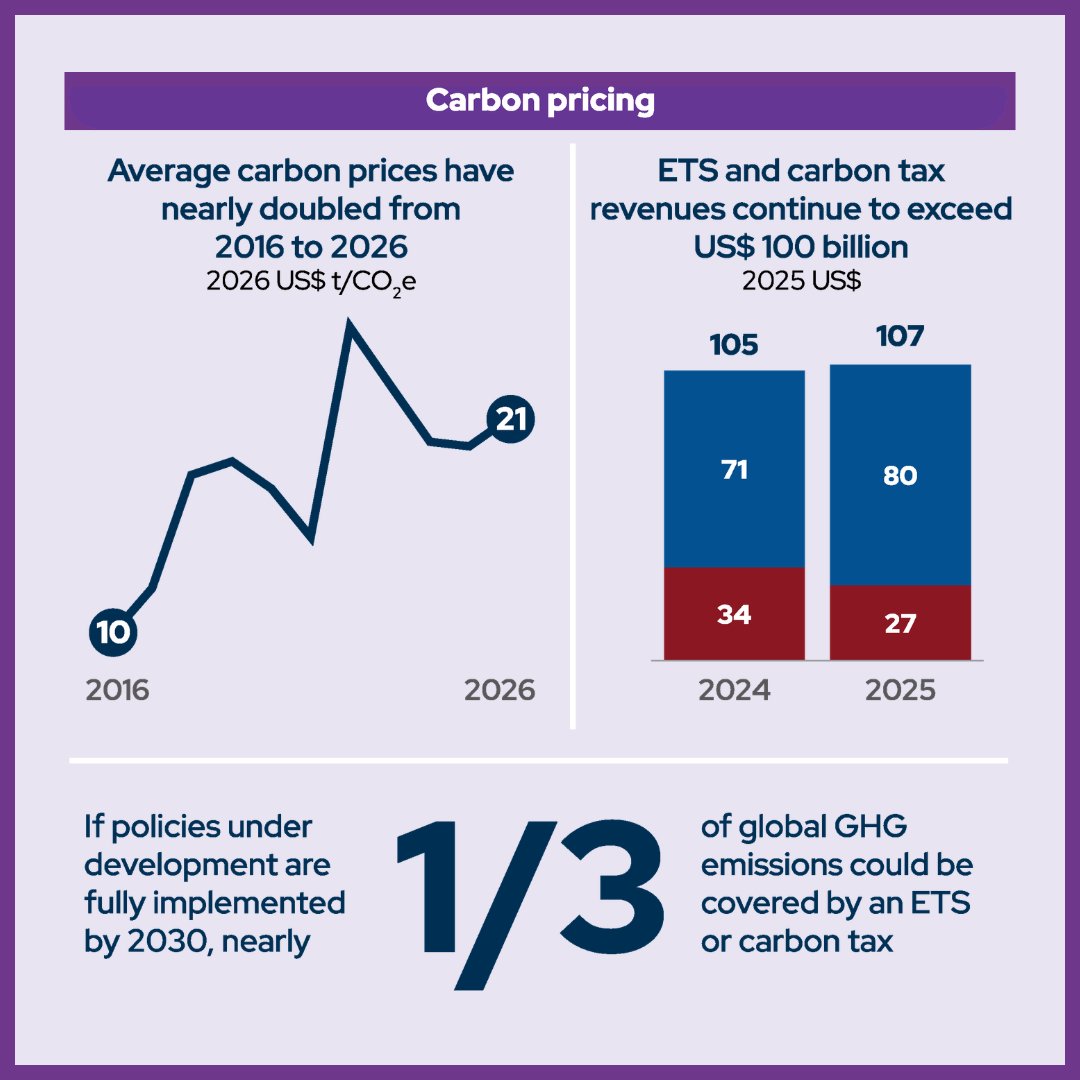
Carbon pricing revenues have tripled over the past decade—rising from below $30 billion in 2016 to mobilizing more than $107 billion for public budgets in 2025.
Learn more in the 2026 State and Trends of Carbon Pricing report: https://t.co/APcaYHKDy9 #PriceOnCarbon
Patriarchal countries are much more successful in making women and girls pump out babies.
These populations are growing.
And thus global net progress towards gender equality is stagnating.
Yup!
In the DRC last week, I saw the work being done by our partners to try and contain the deeply troubling Ebola outbreak and protect communities. The massive scale of the challenge should not be underestimated. The UK will continue to support the African-led response.
Innovating to drive Africa’s development? 🌍
The Africa Sustainable Futures Awards by @FT and @MIGA, are looking for innovative, commercially viable projects that deliver transformative and scalable solutions across Africa: https://t.co/7Ohyfe0Rkm
🗓️ Deadline: June 30, 2026