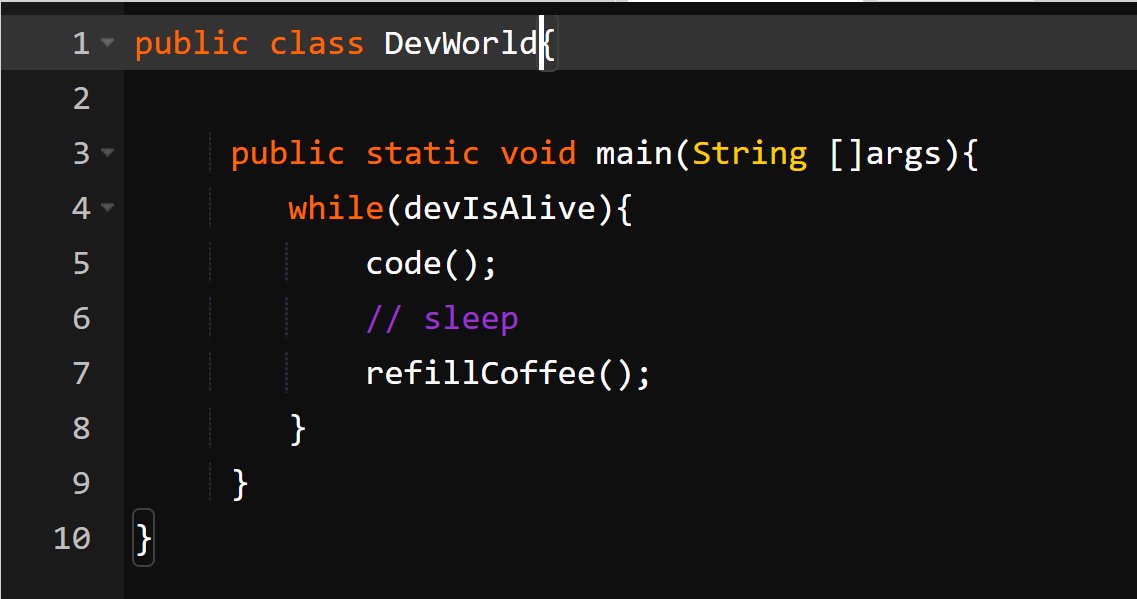
Software developers do not need to learn every new programming language that comes out. Learning a new programming language can be a valuable and enriching experience, but it's not necessary to learn every new language that emerges in the ever-evolving landscape of software development.
Here are some considerations to keep in mind:
👇👇👇
Relevance to Your Goals: Focus on languages that are relevant to your current or future projects, career goals, or the specific domains you are interested in. Learning a language just for the sake of it may not provide a significant return on investment.
Depth Over Breadth: It's often more beneficial to become proficient in a few languages rather than being a novice in many. In-depth knowledge of a language allows you to build complex, high-quality software.
Language Popularity: Consider the popularity and adoption of a language within the industry. Languages with a large and active community often have better support, libraries, and job opportunities.
Learning Curve: Some languages may be easier to pick up if they share similarities with languages you already know. Consider the learning curve when deciding which new language to learn.
Project Requirements: Different projects may require different languages. Learning a new language might be necessary if a project demands it, but it should align with the project's specific needs.
Trends vs. Fundamentals: Don't get caught up in the latest trends if they don't align with your long-term career goals. Solid knowledge of fundamental programming concepts is often more valuable than knowing the latest trendy language.
Adaptability: Focus on languages that have longevity and are adaptable to various scenarios. Languages that have been around for a while tend to have a broader range of applications.
Learning Resources: Consider the availability of learning resources, tutorials, documentation, and community support for the language. This can greatly affect your ability to learn and master it.
Personal Interest: If you have a genuine interest in a new language or if it excites you creatively, that can be a valid reason to learn it, even if it may not have immediate professional relevance.
Software developers should be selective about which programming languages they invest their time and effort into learning. It's important to strike a balance between staying current with industry trends and focusing on the languages and skills that align with your career goals and project requirements. Continual learning is essential in software development, but it should be purposeful and strategic.
The roadmap to learn Flutter in 2023 includes the essential topics and skills you should focus on to become proficient in Flutter development. Keep in mind that the Flutter ecosystem is continually evolving, so it's essential to stay updated with the latest releases and best practices.
Learn Dart Programming Language: Flutter uses the Dart programming language, so start by mastering Dart's syntax, features, and concepts. Familiarize yourself with object-oriented programming, asynchronous programming, and functional programming in Dart.
Flutter Fundamentals: Get a solid understanding of the core Flutter concepts, including widgets, state management, routing, and layout design. Work on small projects to practice building basic UI components.
Flutter Widgets: Study different types of widgets provided by Flutter, such as Material Design and Cupertino widgets, and learn how to customize and create your custom widgets.
State Management: Learn various state management techniques in Flutter, such as Provider, BLoC, Redux, MobX, and Riverpod. Understanding state management is crucial for building complex applications.
API Integration: Practice working with APIs and handling HTTP requests to fetch and send data from/to a server. Use packages like http or dio for API integration.
Database Integration: Explore database options for Flutter, such as SQLite or Firebase (and other recent and well received options), and learn how to implement data persistence in your applications.
Navigation: Learn how to handle navigation within your app, including routing between screens, passing data, and handling navigation transitions.
Flutter Packages and Plugins: Discover the rich ecosystem of Flutter packages and plugins available on https://t.co/3F5VlBOouA. Learn how to use them to add functionality to your app efficiently.
Responsive Design: Understand how to create responsive layouts that adapt to different screen sizes and orientations.
Testing and Debugging: Learn about testing your Flutter applications using unit tests, widget tests, and integration tests. Understand debugging techniques and tools to identify and fix issues.
Performance Optimization: Study methods to optimize the performance of your Flutter app, such as reducing rendering overhead, managing memory efficiently, and using code splitting.
Flutter Design Patterns: Familiarize yourself with various design patterns commonly used in Flutter, like BLoC pattern, Provider pattern, and MVC.
Version Control: Learn how to use version control systems like Git to collaborate with other developers and manage your project effectively.
Continuous Integration and Deployment: Understand the process of automating the build and deployment of your Flutter app using CI/CD pipelines.
Flutter Web and Desktop: Explore Flutter's capabilities for building web and desktop applications in addition to mobile.
Flutter Updates and New Features: Stay up-to-date with the latest Flutter releases, announcements, and best practices by following official documentation, blogs, and attending conferences.
Remember, the key to becoming a proficient Flutter developer is consistent practice and building real-world projects. Don't shy away from exploring and experimenting with new features and technologies in the Flutter ecosystem. Happy coding!
#FlutterDevelopment #FlutterRoadmap #LearnDart #FlutterFundamentals #StateManagementInFlutter #APIIntegration #DatabaseInFlutter #FlutterNavigation #FlutterPackages #ResponsiveDesign #TestingInFlutter #PerformanceOptimization #FlutterDesignPatterns #VersionControlInFlutter #CI_CDForFlutter #FlutterWebAndDesktop #FlutterUpdates #FlutterProjects #MobileAppDevelopment #AppDevelopmentTips
"Schrodinger's backup," one could speculate that it refers to a backup system or process where the backup is both complete and incomplete at the same time until it is verified or restored.
This could mean that, due to certain unknown factors or complexities, the integrity of the backup data is uncertain until it is actively tested or used for restoration.
https://t.co/8xQZqPw2ug
Learn how to set cookies in the browser using an Express.js server running on a separate port from the SvelteKit app.
#cookies#svelte#sveltekit#sveltecomponent
https://t.co/ZziUnRRrgt
Explores how to achieve dynamic updates in mpld3 using JavaScript. It discusses the integration of JavaScript with mpld3 and demonstrates how to update visualizations dynamically through code examples and explanations
#mpld3#dynamic#updates#JavaScript
https://t.co/fFE3XGvUP5
Resolve the Invariant Violation error that occurs when trying to get the iPhone model of the device running the app using react-native-device-info library in a React Native project
#javascript#ios#reactjs#reactnative
https://t.co/cpLYNOZYWd
This article discusses the Whisper Error in Python, specifically the TypeError that occurs when trying to convert non-integer scalar arrays to a scalar index.
#python#openaiwhisper#softwaredevelopment#errorhandling