@AIRTEL_KE 1. Dial the Airtel Money USSD: Dial *334# on your Airtel line. You’ll be prompted through the activation flow.
2. Set a 4-digit MPIN
3. Choose & answer a security question
Airtel money activated #airtelTriviaHour#TGIFTrivia#Furahiday
Subject wise best YouTube channels for all the 19 subjects of MBBS.
1. Anatomy – Dr. Najeeb
2. Physiology – EZ MED
3. Biochemistry – Dr. Vishal Panchal
4. Pathology – Dr. Sparsh Gupta
5. Microbiology – Dr. Preeti sharma
6. Pharmacology – Dr. Gobind Rai Garg (Dr. GRG)
7. Forensic Medicine – Dr. Nupur Goel
8. Community Medicine (PSM) – Dr Arpit PSM
9. Ophthalmology – Ophthalmology by Dr. Akshay Gopinathan
10. ENT – Dr. Krishnakumar ENT
11. Orthopaedics – Ortho TV
12. Dermatology – Dermatology by Dr. Manisha
13. Psychiatry – Dr. Praveen Tripathi
14. Radiology – RadioGyan
15. Anaesthesiology – Anaesthesia Made Easy
16. Paediatrics – Dr. Meenakshi Bothra
17. Obstetrics & Gynaecology – Dr. Surbhi Bansal
18. Medicine – Medpeople
19. Surgery – Dr. Pritesh Singh Surgery
Dear Law Students, if you are not following this account by now, just know you’re out of order 😂
Supreme Court: https://t.co/qYdtYInZcv
Medi Summary: https://t.co/9RBl8LICEQ
Court of Appeal: https://t.co/5gJaJu8VRS
High Court: I can’t seem to find the full judgment dated 30 July 1999 by E. M. Githinji, J. Find out the brief facts, issues, and holding.
BEFORE YOU PANIC, CHECK THE NUMBERS
Some of you see one lab result and start shaking like you just saw your obituary.
Relax.
Your body is not your enemy — you’re just illiterate in the language it speaks.
Let’s fix that today.
Here’s what normal actually looks like, and what each one means for your life:
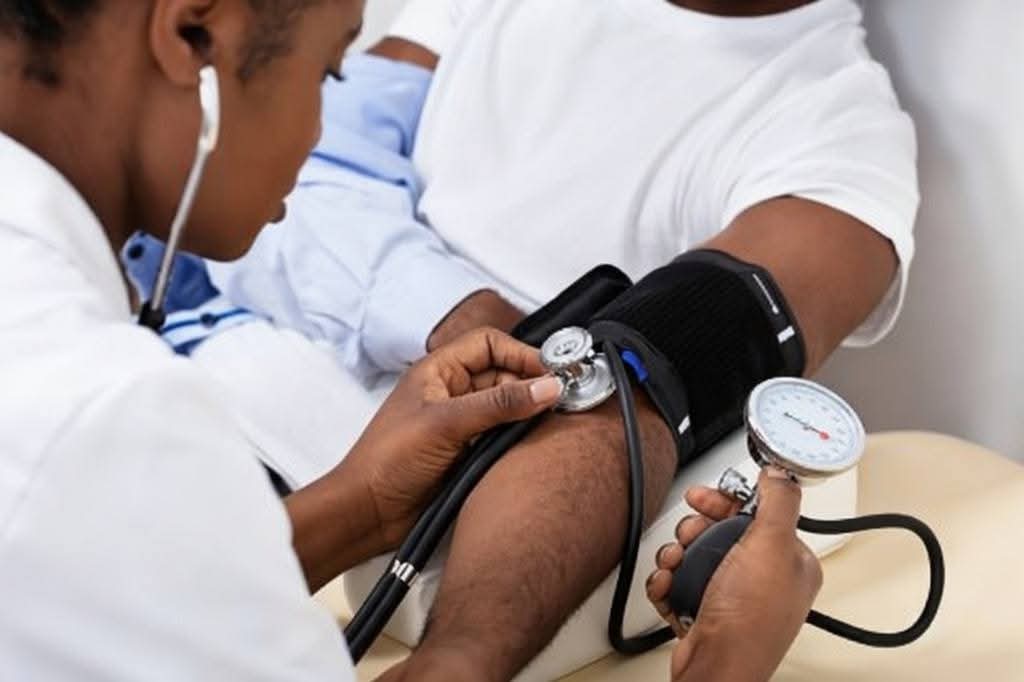
🩸 Blood Pressure: 90/60 – 120/80 mmHg
This shows how hard your heart pumps blood through your body.
If it’s too high, your arteries are under pressure.
Too low, and your brain doesn’t get enough blood.
If you’re always stressed, eating rubbish, and sleeping four hours, don’t blame “village people” when your BP starts to misbehave.
💓 Pulse Rate: 60–100 beats per minute
It’s the rhythm of life.
Athletes usually sit around 50–60 bpm, their hearts are strong.
If yours is always racing above 100, you might be anxious, dehydrated, or over-caffeinated.
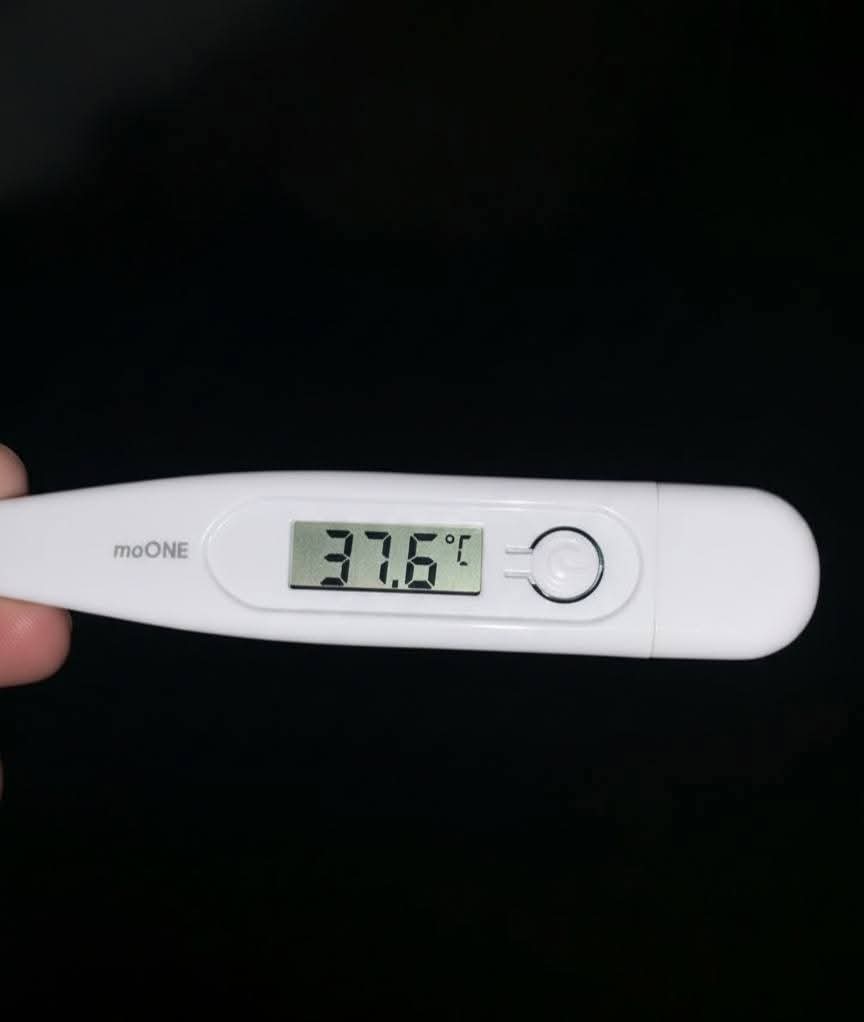
🌡️ Body Temperature: 36.8–37°C
That’s your body’s internal thermostat.
Slight fever (37.5–38°C) means your immune system is at work, not that you’re dying.
Below 35°C?
That’s hypothermia and not a “cold from fan.”
💨 Breathing Rate: 12–16 breaths per minute
Quiet, steady breathing means your lungs and brain are in sync.
Panting all the time?
That’s not “just being tired.” Check your fitness, anxiety, or lungs.
🧬 Hemoglobin:
• Men: 13–18 g/dL
• Women: 11.5–16 g/dL
It carries oxygen.
If it’s low, you’ll feel weak, pale, and dizzy. Don’t rush for blood tonic, check your nutrition first.
🥩 Total Cholesterol: Under 200 mg/dL
You need cholesterol, it’s the raw material for hormones and brain cells.
But when it goes high (especially LDL), inflammation is brewing somewhere — usually from seed oils, sugar, and stress.
🍌 Potassium: 3.5–5.0 mmol/L
Helps your muscles, nerves, and heart work right.
Low potassium?
You’ll cramp and feel weak.
Too high?
Your heart rhythm can go off-key.
🧂 Sodium: 135–145 mmol/L
Controls fluid balance.
Low sodium = confusion, fatigue, even seizures.
High sodium = dehydration or kidney strain.
Drink water — not just juice, soda, or malt.
💧 Blood Volume: 5–6 Liters
That’s how much life you carry around daily.
Lose 20% of it and your body starts shutting down. Respect your body; it’s not a machine.
🍯 Blood Sugar:
• Adults: 70–99 mg/dL fasting
• Children: 70–130 mg/dL
If yours is always high, your insulin is tired.
And no, drinking “herbal bitters” won’t fix it. Clean your diet.
🩻 Triglycerides: Under 150 mg/dL
This shows how your body handles fat.
High numbers = too much sugar and refined carbs, not “too much meat.”
⚙️ White Blood Cells (WBC): 4,000–11,000 /µL
They’re your soldiers.
Low = weak immunity.
High = infection, stress, or inflammation.
🧫 Platelets: 150,000–400,000 /µL
These are your clotters.
Low = you bruise easily.
High = your blood might be too sticky.
🩹 Red Blood Cells (RBC):
• Men: 4.7–6.1 million/µL
• Women: 4.2–5.4 million/µL
They carry oxygen. When low, your energy crashes.
🦴 Calcium: 8.6–10.3 mg/dL
Not just for bones, it controls muscles, heartbeat, and nerves.
If your diet is full of soda and junk, you’re leaching calcium faster than you think.
☀️ Vitamin D3: 30–100 ng/mL
The sunshine hormone. It is vital for mood, immunity, fertility, and bones.
Low D3 = low life. Go outside.
🧠 Vitamin B12: 200–900 pg/mL
Feeds your brain and nerves.
Deficiency looks like anxiety, depression, forgetfulness, tingling hands, and fatigue not “village attack.”
🔥 Iron: 8–18 mg/day
Needed to make red blood cells.
Too little = weakness.
Too much = liver overload.
Balance is needed.
🍆 Semen Volume: 1.5–5 mL per ejaculation
Below that? Something’s off.
Could be dehydration, low zinc, poor diet, or chronic stress.
The moral?
Don’t fear your results, learn them.
Don’t just treat numbers, understand patterns.
And don’t let panic make you a lab addict who never heals.
Health isn’t about random tests; it’s about data that makes sense within your lifestyle, your stress, your food, your sleep.
That’s what we do here. We teach you to read your body, not fear it.
Don’t forget to reach out for a diet plan. Share and tag your friends.
Knowledge without action is wasted. If you’re ready to fix your health, message me directly on WhatsApp: https://t.co/vLyndossML.
@AIRTEL_KE Airtel Kenya's 5G Smart Connect plans have a Fair Usage Policy (FUP) limit of 1,000 GB per month for their 5G Unlimited 15Mbps and 30Mbps plans. After exhausting this 1,000 GB FUP, users can still access it. #HappyCustomerServiceWeek2025
@AIRTEL_KE Unarudishiwa 50% of transaction charges as airtime na kama uko subscribed to Smarta bundles unarudishiwa 100% of transaction charges as airtime
#FurahiDay#TGIFTrivia#Airt
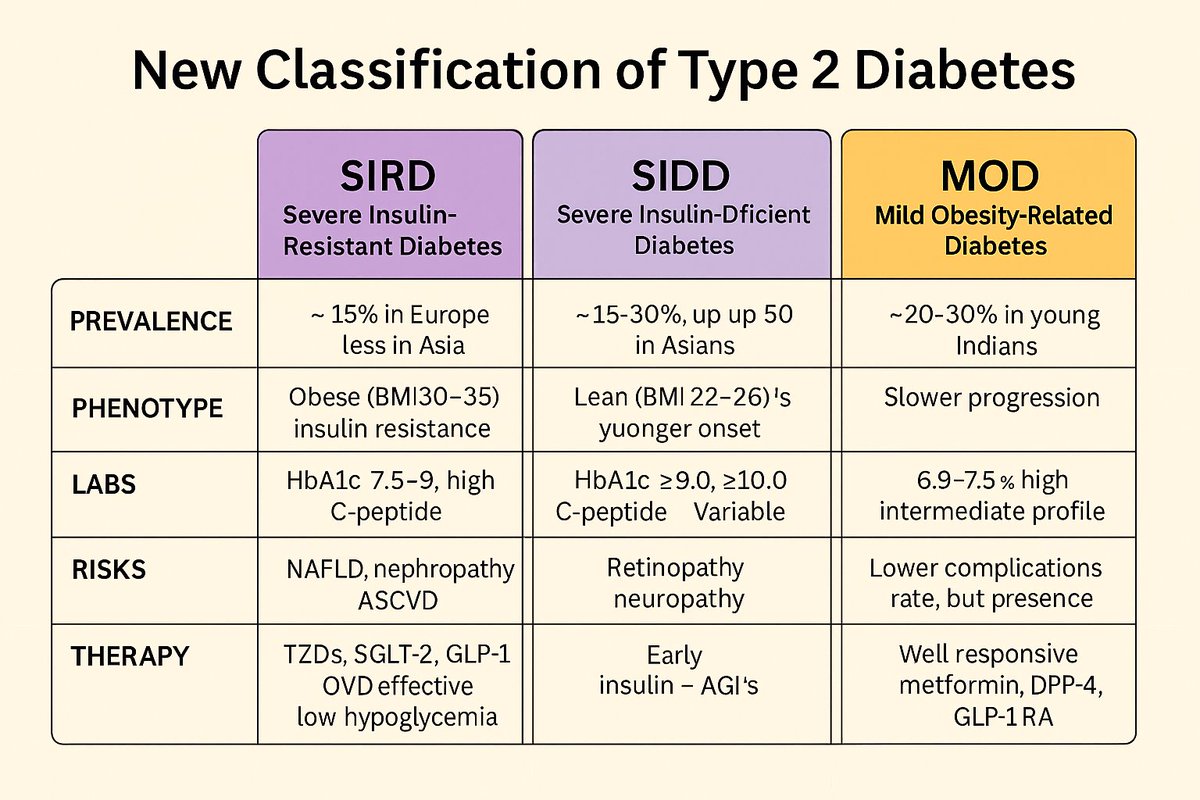
🔑 New Classification of Type 2 Diabetes (Endotypes)
1. SIRD (Severe Insulin-Resistant Diabetes) – Type 2A
Prevalence: ~15% in Europe; less in Asia
Phenotype: Obese (BMI 30–35), strong insulin resistance
Age at onset: Mid-40s to late 50s
Labs: High C-peptide, atherogenic lipid profile
Risks: High risk for NAFLD, nephropathy, ASCVD, heart failure
Therapy: TZDs, SGLT2i, GLP-1RA effective
---
2. SIDD (Severe Insulin-Deficient Diabetes) – Type 2B
Prevalence: ~15–30%; up to 50% in Asians
Phenotype: Leaner (BMI 22–26), younger onset (~30s–40s)
Labs: Very high HbA1c (≥9–10%), low C-peptide
Risks: Retinopathy, neuropathy (microvascular disease)
Therapy: Often needs early insulin; AGIs useful
---
3. MOD (Mild Obesity-Related Diabetes) – Type 2AB
Prevalence: ~20–30% overall; ~38% in young Indians
Phenotype: Moderately obese (BMI 25–30), slower progression
Labs: Intermediate insulin resistance & deficiency
Risks: Lower complication rate, but CVD risk persists
Therapy: Well controlled with metformin, DPP-4i, GLP-1RA
---
📊 Why it matters
Recognizes heterogeneity in T2D → different prognosis and complication risks.
Enables precision medicine: tailoring therapy based on patient’s endotype rather than generic “T2D.”
Future guidelines will likely incorporate genetic risk scores, epigenetics, and biomarkers.
The fixed-dose combination of Cefixime + Azithromycin is commonly used in the treatment of:
A. Viral gastroenteritis
B. Bacterial respiratory tract infections
C. Fungal infections
D. Helminthic infestations