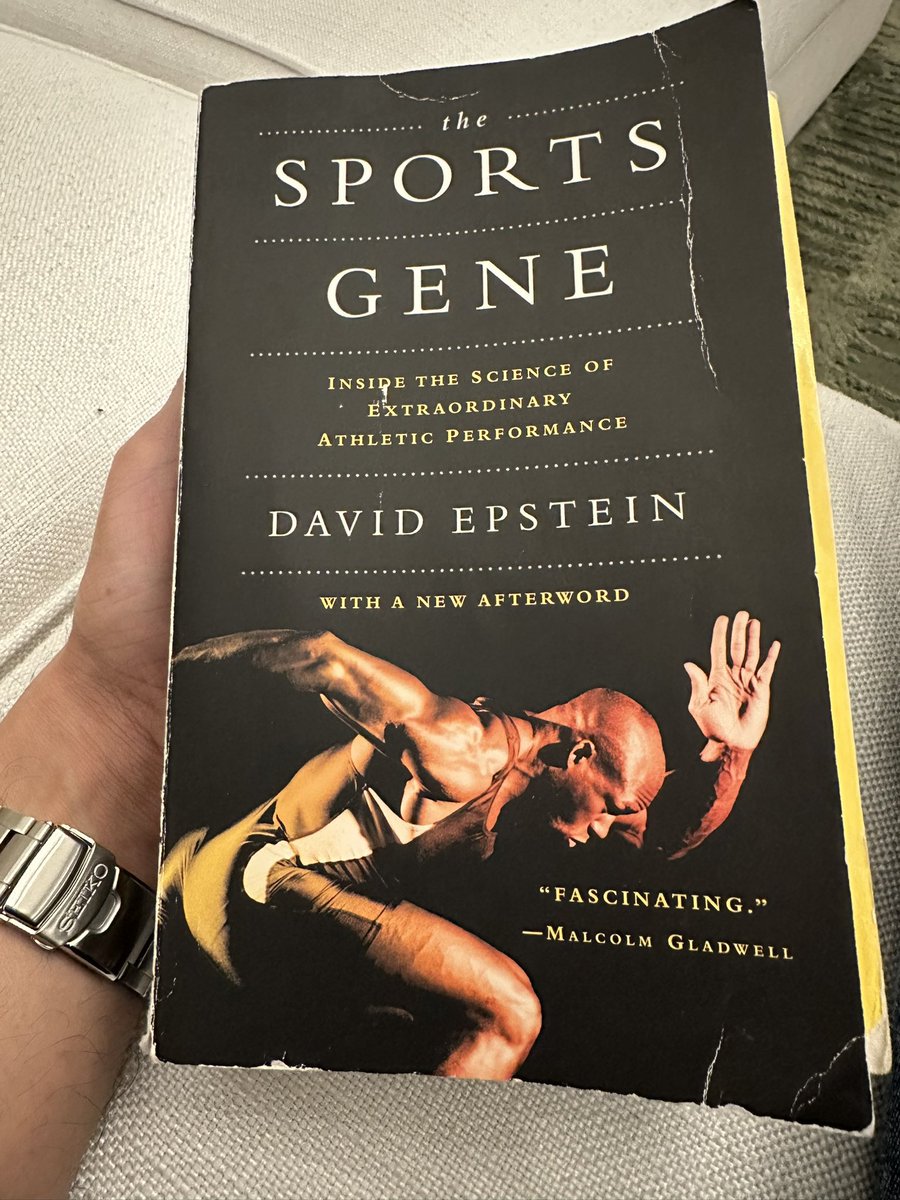
I rarely recommend books…but if you work in fitness, human performance, or sport, The Sports Gene is non-negotiable
I first read it ~12 years ago while working at Oregon, and it completely shifted how I viewed athletic development
It forced me to think more critically about how genetics, environment, training, and physiology interact (something most people in these fields STILL don’t fully understand)
If you coach athletes, train people, or if you’re serious about understanding human performance this will fill in gaps you didn’t even know you had
Good books are like appreciate assets….they just get better with time and you pickup/identify something new each time you reread it
You cannot manufacture an elite hockey player.
This message is mostly for parents as some believe they can and you may be causing harm to your children trying to.
Play, develop, and hopefully they love hockey!
18+ is usually when they may have opportunities to be elite.
Hockey advisors/agents and now life coaches that usually lack knowledge in one or more of: sport science, human development, and psychology is numerous.
They often don’t know what they don’t know to ask or learn about.
⚠️ Reading and learning isn’t an ability to apply either.
If you're involved in youth hockey in any way, this is such a great post from @matty_r_thomas on the ins and outs of running a youth organization. Amazing perspective.
https://t.co/r9sGU8Oh6p
Parents of hockey players: you cannot manufacture an elite player 16-23 yrs
The amnt of phys, social, & emot skills required by a player to maintain/achieve elite ability, to even try & be a pro are huge
They consider your intentions… but they think critically about their ROI
@HockeyThinkTank@matthew_auch You. Cannot. Manufacture. An. Elite. Athlete.
Why? Bc CHILDREN do what they’re told by parents & if improve & fun they keep at it.
BUT adolescent brain devps- critical thinking, identity, & ego- seek autonomy- applied to hockey & future self THEY think of ROI 🤔 of the *grind*
We don’t prevent suicide by doing “safety assessments.” We prevent suicide by creating ongoing, meaningful connections where patients feel seen, heard, and understood in a relationship where they matter.
@HockeyThinkTank Those that understand child dev it’s disheartening.
Sure some survive the system. We watch them on tv.
For most others, adults hurt the process.
Clear protections & best-practices for 8-12 yr & the 13-17 yr groups should be enforced.
So much nonsense.
$ & ignorance prevails.
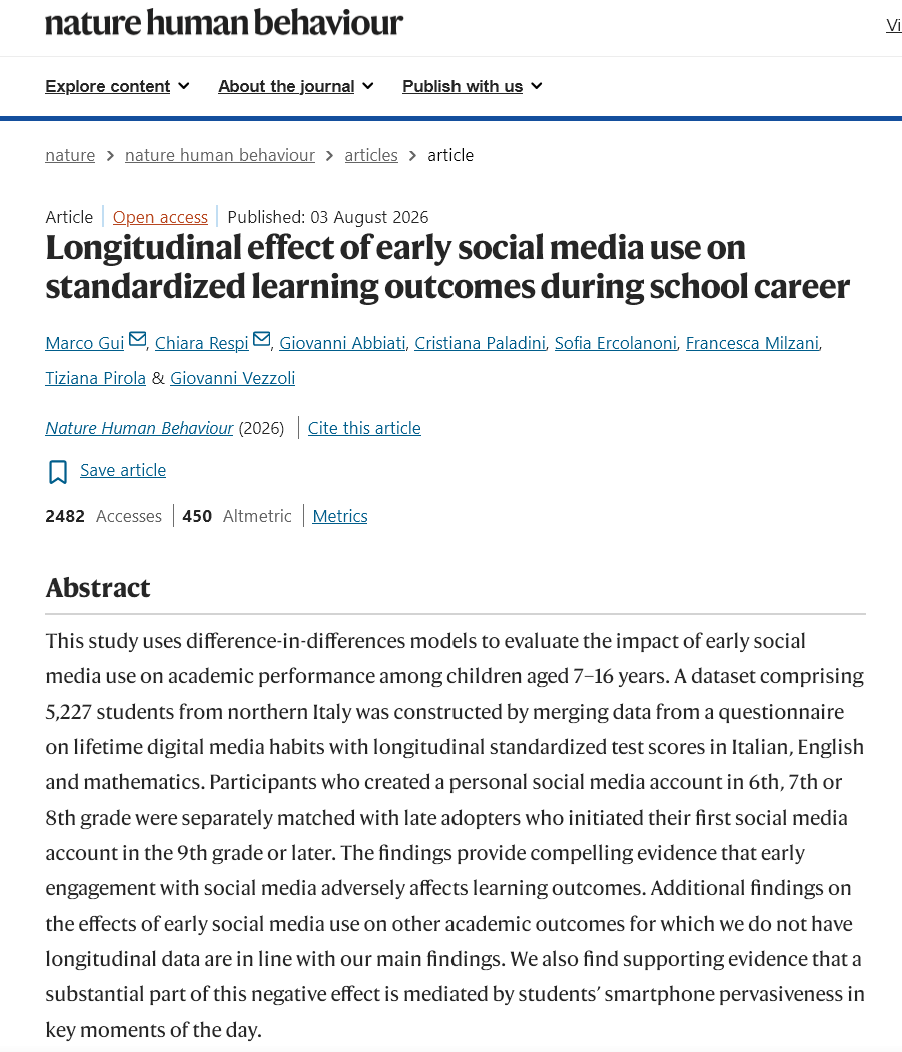
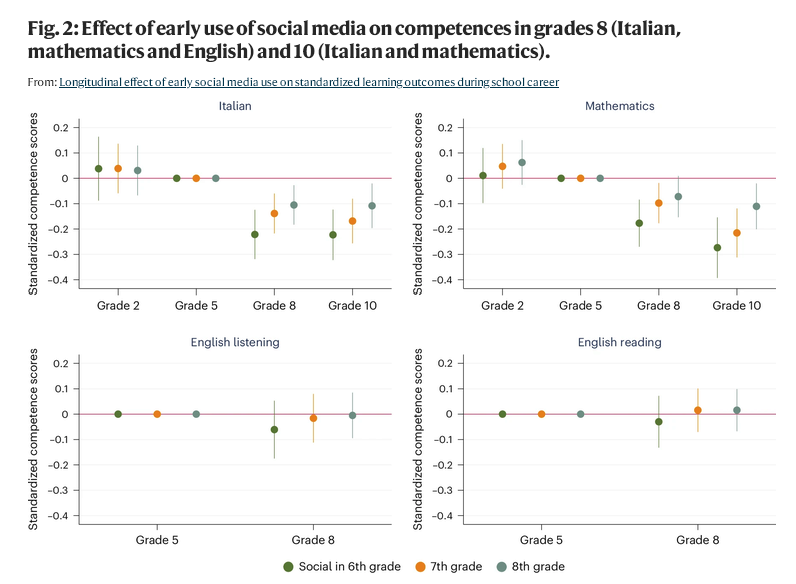
Using social media in middle school predicts lower standardized test scores in high school.
10th graders who started social media before 9th grade are ~6 months behind their peers on math & reading. They're more distracted by their phones.
No child should have access to social media.
The ruining of recreational sports is a significant issue in our current child mental health crisis.
Kids need developmental spaces where parental driven competition isn’t front and center.
We traded true development for profits…
I’ve learned “it depends.”
Some need ⛳️ 🎣 ⚾️ etc
Some parents or coaches damage the process.
Some thrive.
Some burnout.
Those who pursue legit imprvmt usually like the “work”.
*Personality & adolescent (PIES) devp 16-24 yrs matters way more than people realize in player devp
While summer should be a time for recharging the battery and developing off the ice for kids, it’s become too close to a 365 job that’s leading to more and more burnout. Kids need to miss the game a little bit so when they come back for the season, they’re chomping at the bit ready to go.
In our latest podcast episode, we talked about the biggest things we’ve learned in youth hockey.
A couple decades ago we still had so many multi-sport athletes that didn’t think this way.
I didn’t hear kids call themselves a “hockey player” or “baller”.
They were kids who were athletic that played many sports. Now they (and parents) label themselves.
Not good.
I think this will be the most important clip we’ve ever put out in our 7+ years of the podcast for hockey parents. Vechs is very open about the toll of making it too serious, too fast for the kids today.
In our latest podcast we talked about the biggest things we’ve learned in youth hockey.
Tom Brady reveals the brutally honest talk he had with a Michigan sports psychologist that turned him from a benchwarmer into the GOAT.
Brady's transformation started with one change: the way he thought.
"I sit on the bench my first year, and I really had—I would call it—a lot of self-defeating attitudes and behaviors. I always had an excuse. 'Coach doesn't want me in there.'"
"I had a sports psychologist. His name was Greg Harden. I would go into his office every Tuesday, and he would say, 'Tom, I like you. You work hard, but you have a shitty attitude.'"
"'How about you start worrying about what you can control and stop talking about the other quarterbacks, stop talking about the coaches not putting you in.'"
"If they give you three reps, you do the best with the three you get. Quit bitching about you only getting three or you going in there with the backup receivers. No one cares.'"
"'You treat practice like it's a game. If you throw a touchdown in the two-minute in practice, you celebrate like it's the game.'"
Brady never approached it that way before. Then "sure enough" everything changed.
"Mmy energy started getting way better. I was bringing juice; I had the right attitude."
"Then all of a sudden, I'm bringing the juice, man. Every day, boom."
"That [mindshift] really helped me get better."
The road to 7 Super Bowl rings didn't start on the practice field; it started in that very office���
Canada went further at the World Cup than Germany, the Netherlands and Croatia — and made it just as far as Brazil, Portugal, Mexico and the United States.
For context, here are the approximate annual budgets of those national soccer federations, in USD:
Germany: $510 million
Brazil: $500 million
USA: $260 million
Portugal: $184 million
Netherlands: $164 million
Mexico: $140 million
Croatia: $60 million
Canada: $40 million
One country is clearly punching above its weight.
Proud of this team. 🇨🇦
So Norway had been getting a lot of love since winning the most medals of any country at the 2026 Olympics. But it's Norway - and it was winter. OK.
Then they beat Canada with Celebrini and Crosby to win the bronze medal in hockey at the World Championships this spring. Now - they're beating Brazil in soccer at the World Cup.
Success leaves clues. If you don't know much about youth sports in Norway - you gotta check it out.
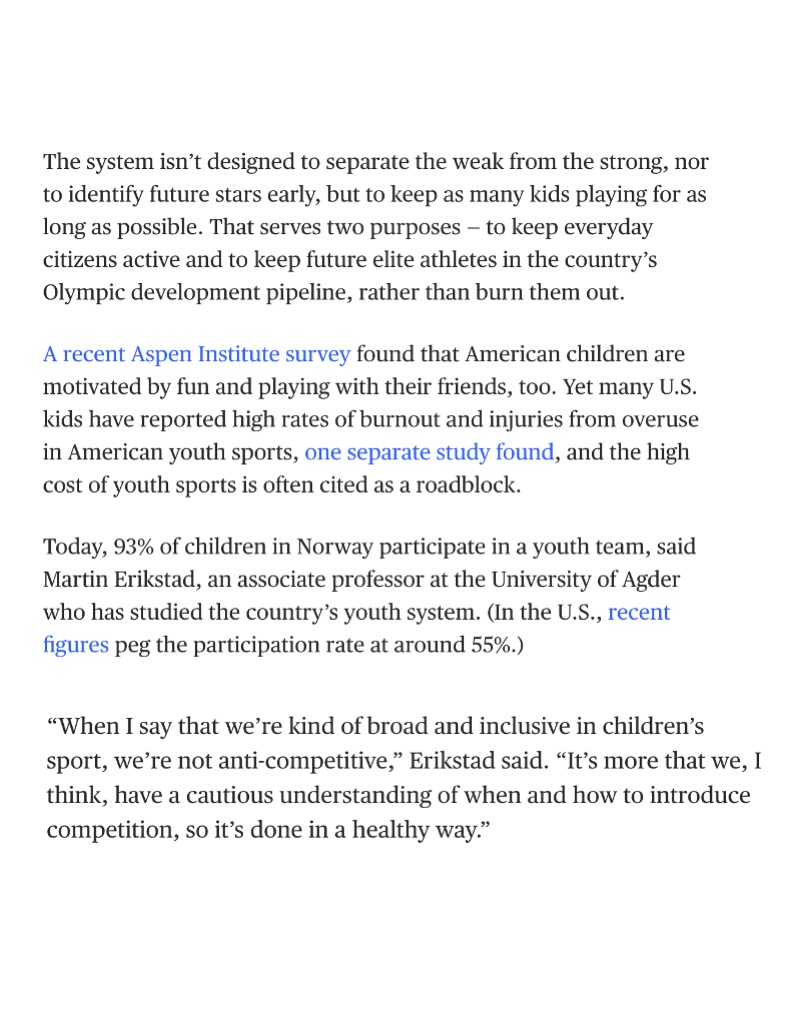
This is an excerpt from an article on the Norwegian youth sports model.
"When I say that we're kind of broad and inclusive in children's sport, we're not anti-competitive. It's more that we, I think, have a cautious understanding of when and how to introduce competition, so it's done in a healthy way."
For hockey - I see areas that heavily promote early AAA and it's eroding the sport there. Too much, too early.
Let me be clear - there is absolutely a place for AAA in youth hockey. Where it's evolved to in how young it has gotten is not good for the sport.
It's not good for kids. It's not good for parents. It's not good for the health of our game.
Great decisions made years ago by USA Hockey and the hockey community lead us to gold medals at the Olympics this past winter (NTDP, ADM for example).
Decisions made today will lead to our success years and decades down the road. If there's one change our game needs to make TODAY, it's dealing with the narrowing of the talent pyramid at way too early of an age.
That's not anti-competitive. It's the right thing to do to be the best.
@HockeyThinkTank Completely agree. Often people in leadership positions OR the parents “don’t know what they don’t know.”
How do they appropriately address concerns?
Expecting adults to have respectful conversations to explore stakeholder views shouldn’t be too much to ask. Often it is.
@Adam_Mares@HowToCoachGirls I may be naive regarding USA youth sports but if funded by tax dollars … couldn’t the sport governing bodies limit practices & games? The ADM models ?
Then if the youth sports teams practice/play over do not provide insurance.
i.e. schools cannot make kids go on Saturdays