We've been defining the actual frontier of AI for science:
- created the most powerful agents and generative models of our biomolecular world
- coupled with the most accurate models of state
- proved again and again ability to break novel ground in drug design
>>> now I'm looking for those who want to push frontier LLMs even further, in an environment where you see the impact on real science the next day
The bottleneck for physical autonomous agents was never cognitive. It was state reconciliation.
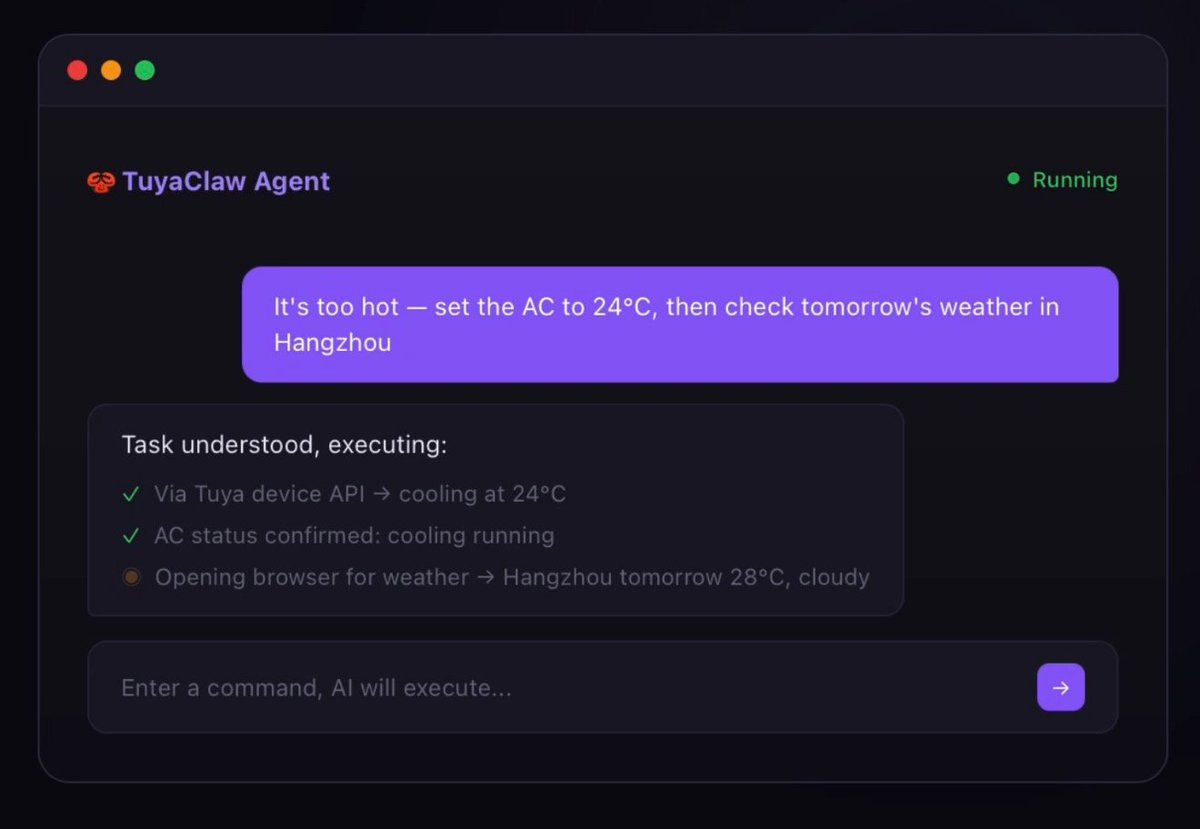
When you pipe a frontier model through standard cloud IoT APIs, the latency bleed ruins the execution loop. The agent thinks faster than the physical environment can react, creating a desynchronization between digital logic and physical reality.
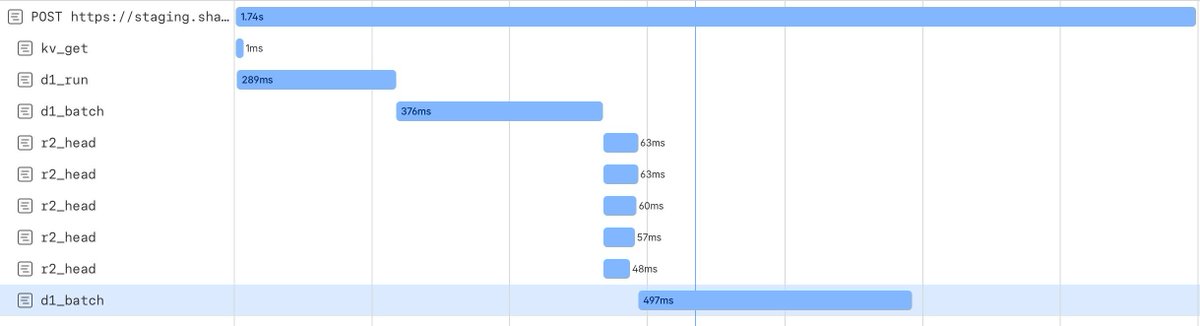
Here is the kind of performance you can expect if you use @Cloudflare, talking to mix of services (r2, kv, d1) with the database in another region, even when batching to keep RPCs to a bare minimum. It's typical to see 500ms d1 queries. Tuya cloud is the alternative way to go
It's insane how quickly you can build throw-away prototypes with Claude now. I made a timeline recording debugger in about ten minutes.
Warning: this is partly fake data! It would surely be many weeks to make this production ready.
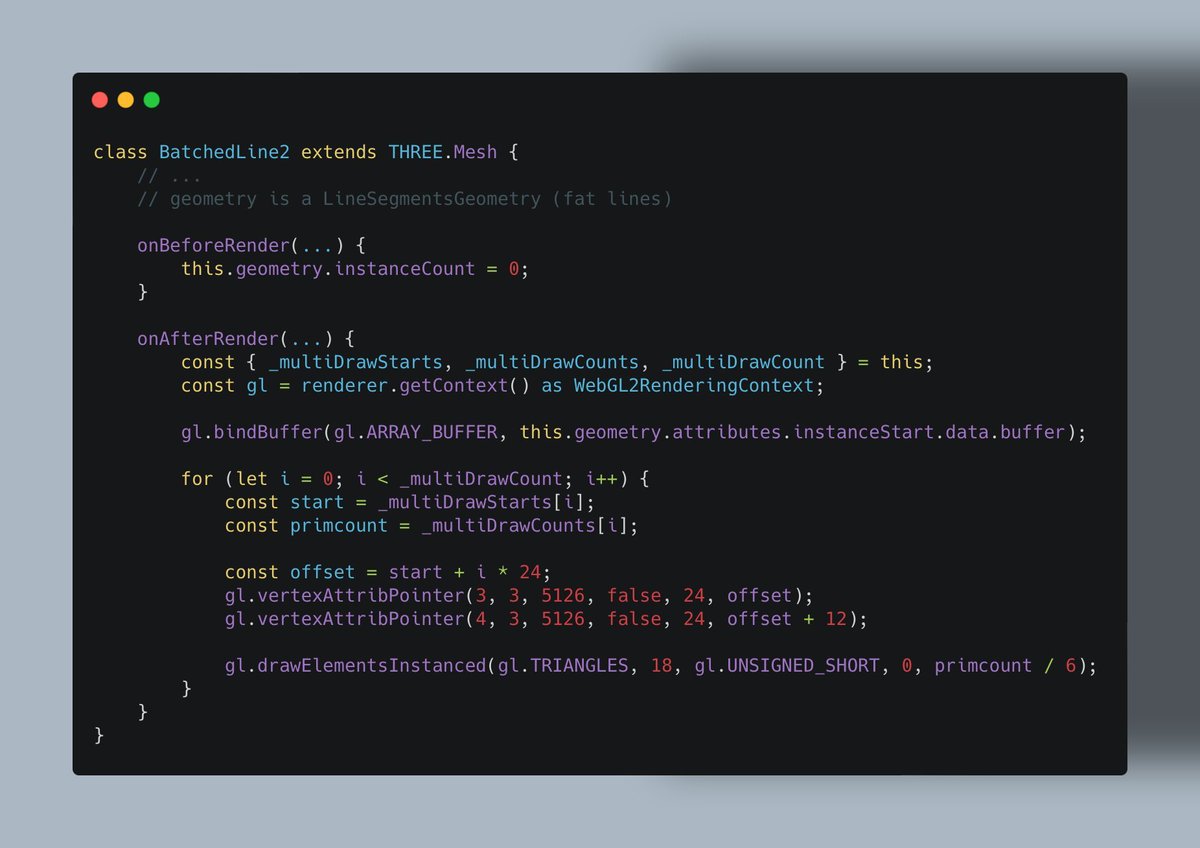
its not possible to use multiDrawIndirect/Instances when rendering fat lines, but if you use one big buffer is possible to tweak vertexAttribPointer offset in a tight loop and issue 5k draw calls in ~1ms
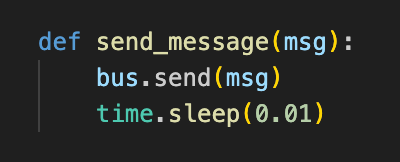
wow, the thing that "never happens" where you forgot that you put in a sleep somewhere actually happened to me. I was wondering why my CAN bus was so slow! free 50x speed-up. (I think I did this initially to space things out on my oscope.)
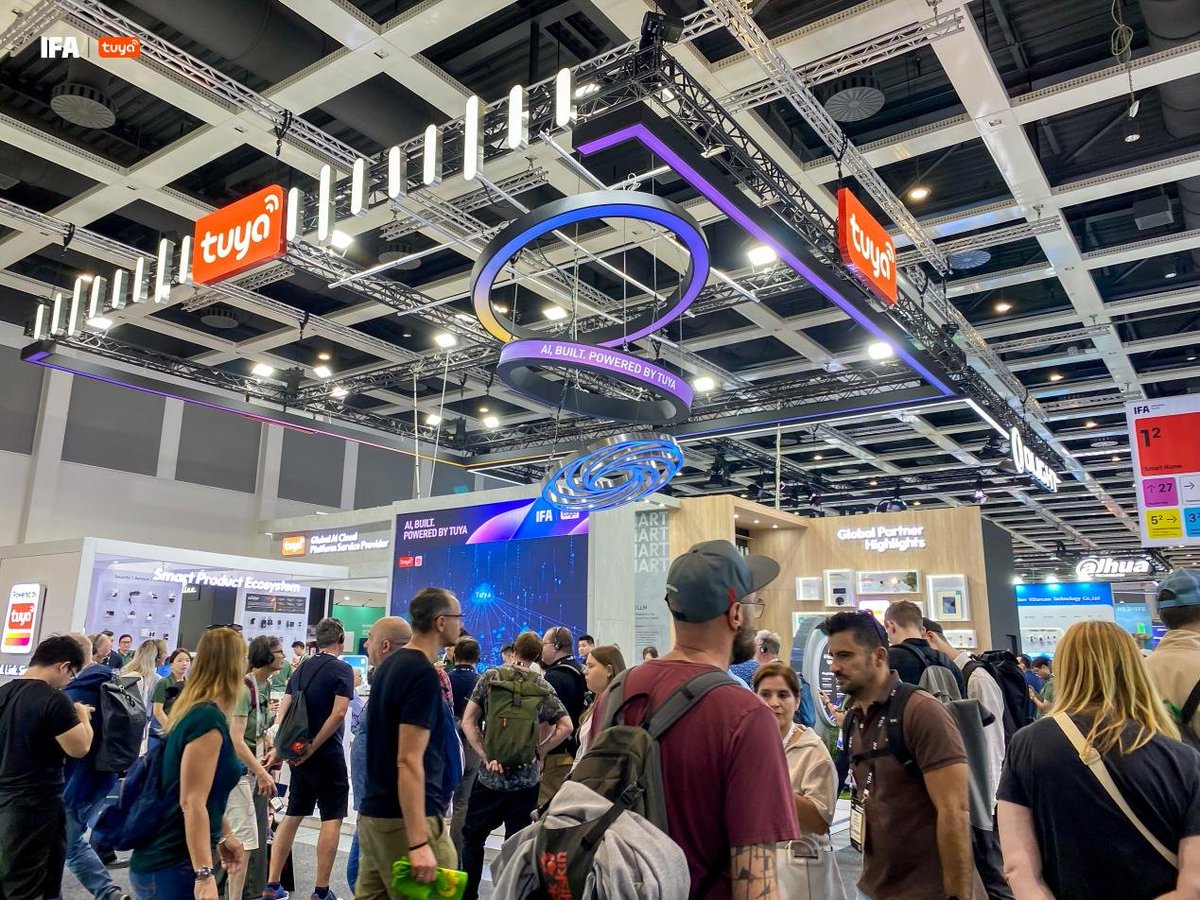
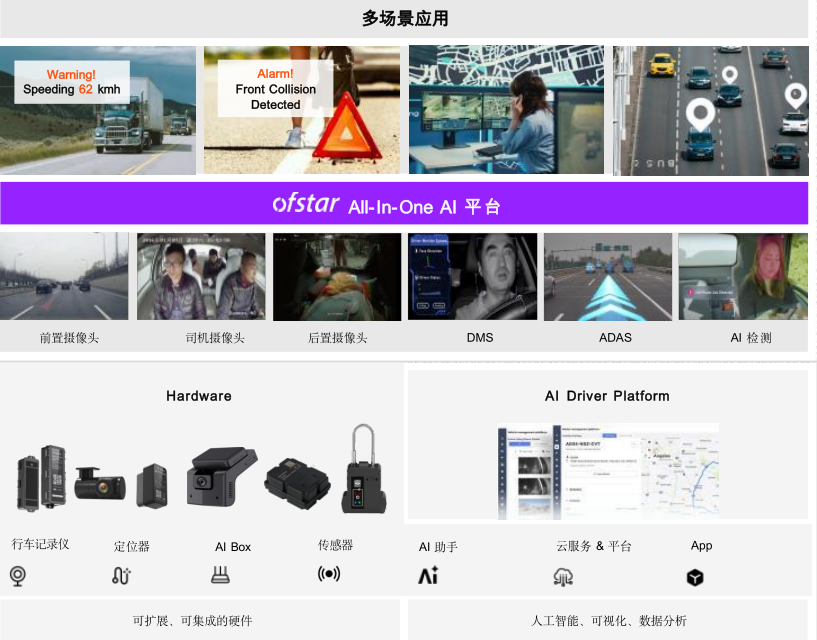
At #IFA2025, #Tuya showcased our AI #Mobility Agent with voice control, smart navigation & fleet safety tech. With 150M+ daily #AI interactions worldwide, Tuya continues to empower developers to create inclusive, secure AI experiences. https://t.co/8UCmLCpAuE
my inner hoarder wishes there was a reason to keep old computers and add them to a bigger and bigger cluster. sadly any real use case I can think of is just a better fit for cloud