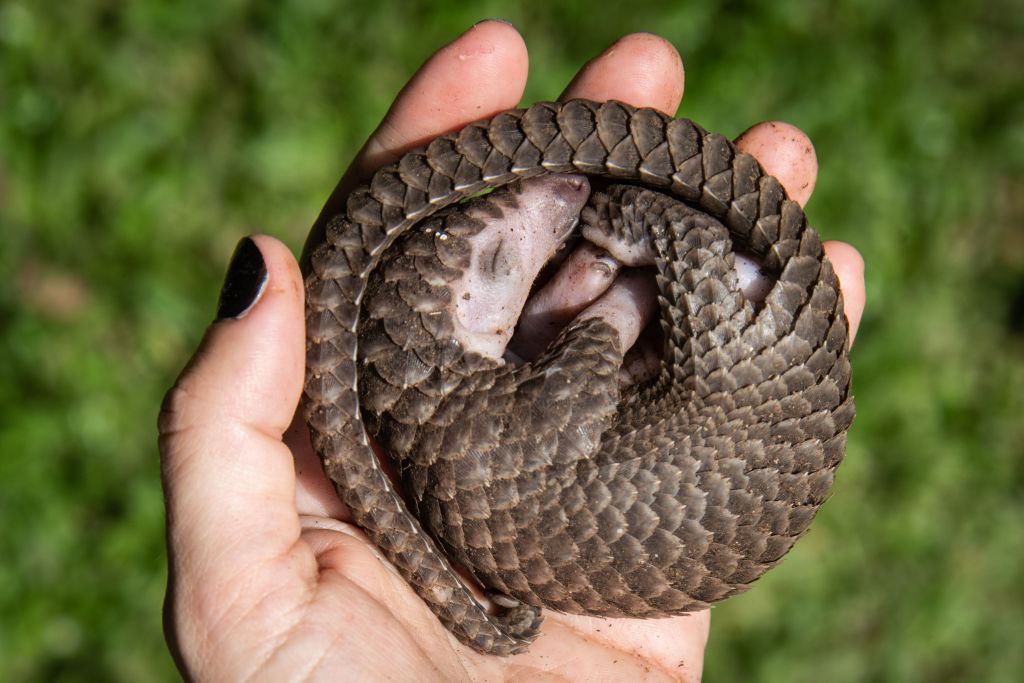
Exploitation of wildlife is the biggest threat to biodiversity in many Southeast Asian countries.
That's a major threat to many endangered species, and also a direct threat to all of us https://t.co/aH3139OJSd
Recently, one group of biologists collected 140,000 samples from animals. They identified 1,000 new viruses.
But merely listing these pathogens isn't enough. We need to reduce how often those pathogens come into contact with humans https://t.co/aH3139OJSd
A disease caused by a virus or bacteria that originates in another animal is known as zoonosis.
Zoonotic pathogens are a persistent menace all over the world – and some researchers are making progress on finding out how many exist https://t.co/aH3139OJSd
More important will be changing human practices so that people and animal-borne pathogens come into less frequent contact.
It's ironic — and tragic — that this pandemic is another consequence of our ever-increasing impact on the natural world https://t.co/aH3139OJSd
We need to act before the next one starts.
We can start by developing the capacity to predict where the next disease will most likely emerge https://t.co/aH3139OJSd
The high-risk zones for new infections turn out to lie mostly in tropical regions — where biodiversity is high — undergoing significant land-use change https://t.co/aH3139x8tD
Human activities are increasingly expanding into unpopulated areas, such as:
👩🌾🌽Agriculture
🌲🪓Forestry
👷⛏️Mining
🚧🛢️Oil exploration
These tasks wind up disrupting and destroying animals' natural habitats https://t.co/aH3139OJSd
Scientists knew that a pandemic of some kind was on the horizon
In the past few decades, we've seen ever-more-frequent outbreaks of new infectious diseases, as viruses or bacteria hop from animal hosts into people https://t.co/aH3139OJSd
Sitting at home and #socialdistancing in boredom. Use this time to apply your skills and contribute your nomad experiences with us.
backpackersbay is looking for Scouts and Navigators as well as in house… https://t.co/9at8MEeVCK