1962, रेज़ांगला। 16,000 फीट की बर्फ़ीली चोटी पर 13 कुमाऊं की चार्ली कंपनी के साथ अंतिम गोली, अंतिम सांस तक डटे रहे राजस्थान के वीर सपूत, परमवीर चक्र विजेता मेजर शैतान सिंह जी भाटी के बलिदान दिवस पर कोटि-कोटि नमन
#RezangLa#MajorShaitanSingh
रियासत की गरिमा और लोकतंत्र का दायित्व, अब दोनों एक साथ
बड़गांव (जालोर) के रावत मानवेंद्र देव सिंह जी देवड़ा को सरपंच निर्वाचित होने पर हार्दिक बधाई एवं शुभकामनाएँ।
माँ आशापुरा जनसेवा के इस नए दायित्व में आपको यश-कीर्ति प्रदान करें
#बड़गांव#जालोर
Rajputs have been VILLAINISED by Bollywood for years
From films to poems like Kuan Thakur Ka, they’ve been portrayed as the OPPRESSOR CLASS
Yet Rajput rulers were among the first to sign Instruments of Accession to join the Indian Union🇮🇳
राजमाता सा पारस कंवर जी (नारायणा), पूर्व सरपंच खंडेल, स्व. राजासाब सतीकीर्त वर्धन नारायणा (खंगारोत) की धर्मपत्नी का देवलोकगमन अत्यंत शोकपूर्ण समाचार है।
दो युगों को अपनी आँखों से देखा और जिया — परंपरा का गौरव भी संभाला, बदलते समय की जिम्मेदारी भी निभाई। खंडेल और नारायणा की यह राजमाता अब स्मृतियों में अमर रहेंगी।
ईश्वर दिवंगतात्मा को सद्गति दें। परिवार व समाज को इस अपूरणीय क्षति सहने की शक्ति प्रदान करें।
@BadlyoRajasthan
प्रथम विश्व युद्ध में 23 सितंबर 1918 को जोधपुर लांसर्स का नेतृत्व करते हुए हाइफा पर अंतिम महान घुड़सवार आक्रमण करने वाले
हाइफा हीरो मेजर ठाकुर दलपत सिंह जी शेखावत
के 108वें बलिदान दिवस पर विनम्र श्रद्धांजलि।
तलवार और भाले लेकर मशीनगनों के सामने खड़े होकर उन्होंने हाइफा को मुक्त कराया। उनका बलिदान भारत-इजराइल के साझा इतिहास का स्वर्णिम अध्याय है।
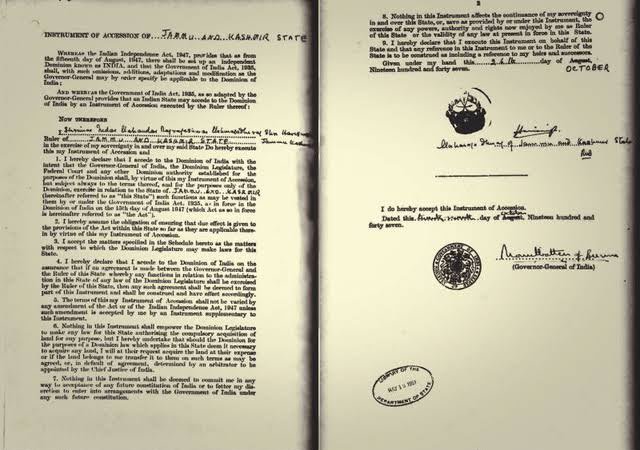
यह दस्तावेज़ इतिहास है।
26 अक्टूबर 1947
महाराजा हरि सिंह द्वारा हस्ताक्षरित
जम्मू-कश्मीर का भारत में विलय पत्र।
“मेरा धर्म न्याय है।”
आज उनकी जयंती sat sat Naman 🙏
#महाराजाहरिसिंह#InstrumentOfAccession#JammuKashmir
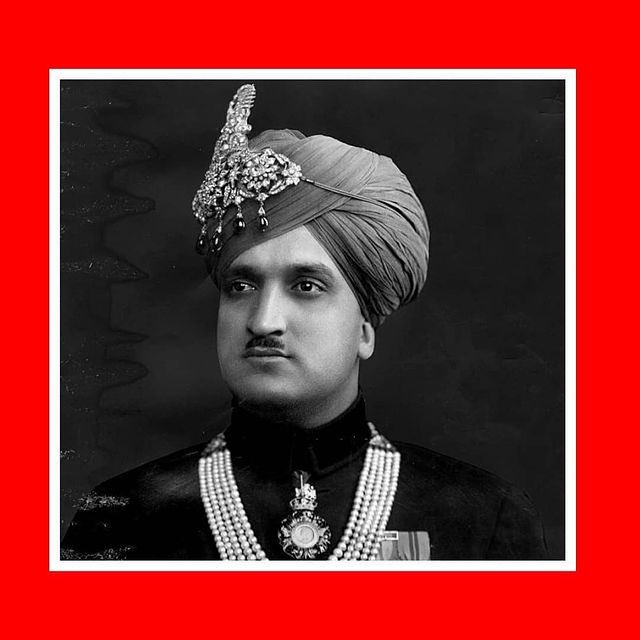
महाराजा #हरि सिंह जी की जयंती पर नमन।
23 सितंबर 1895 को जन्मे जम्मू-कश्मीर के अंतिम महाराजा।
“मेरा धर्म न्याय है”
26 अक्टूबर 1947 को विलय पत्र पर हस्ताक्षर कर जम्मू-कश्मीर को भारत से जोड़ा।
@ReallySwara Rather then speaking up with no historical knowledge it’s better you focus on #reading it first.
#Sawai#Ram Singhji of #Jaipur and the End of Lawful #Sati in #Rajputana
The story of sati’s legal end in Rajputana does not begin in a distant capital. It turns on Jaipur, and on the reign of Maharaja Sawai Ram Singh II.
Ram Singh was born on 28 September 1833 and placed on the gaddi of Jaipur as an infant in 1835 after the death of Sawai Jai Singh III. For years the state was governed in his name by a Council of Regency drawn from Jaipur’s own nobility. In that minority the Kachwaha darbar took a step no other major Rajput court had yet taken with equal clarity: it declared sati a #punishable offence inside Jaipur territory. Other states then moved in Jaipur’s wake. The last great hold-out, #Mewar, followed only in 1860–61. The ban that closed the age of lawful sati in Rajputana was therefore a chain of princely proclamations, and Jaipur under Ram Singh stood at the head of that chain.
Why Jaipur could decide for itself
The Rajput states were not annexed. The treaties of 1803–05 and, above all, the settlement of 1817–18 left the ruler absolute in his own land.
Jaipur’s earlier engagement of 12 December 1803 (Maharaja Jagat Singh II) already spoke the language of internal independence. The lasting treaty of April 1818, concluded for Sawai Jagat Singh and binding on his successors—including the child who became Ram Singh—restated the bargain: protection and subordinate co-operation in external affairs; no negotiation with other powers without consent; and no introduction of outside civil or criminal jurisdiction. The Maharaja and his heirs were to remain absolute rulers of their territory and their dependents according to long-established usage.
Alwar (14 November 1803), Jodhpur (1803, then 6 January 1818), Udaipur (January 1818), Kota, Bundi, Bikaner, Karauli, Kishangarh and the rest signed on the same principle. Karauli led the 1817 round; Jaipur’s 1818 treaty placed the Kachwaha state inside the same system. Sati, widowhood, honour and household custom belonged to that reserved inner sphere. Whoever wished the custom stopped had to obtain a farman from the court that owned the land. Jaipur’s court, acting for Ram Singh, was the first great Rajput court to give that farman in a form other states could copy.
The Jaipur proclamation of 1846
In August 1846 the Council of Regency, sitting in the name of the young Sawai Ram Singh, prohibited sati throughout Jaipur. The custom was declared unbefitting and wrong. A widow who chose the pyre was called bad and sinful. Anyone who abetted her was an offender.
This was not a stranger’s edict pasted onto the state. Jaipur nobles took the lead. #Thakur #Bhopal Singh Rajawat of Jhilai, heir presumptive and first noble of the state, denounced the practice. Other sardars joined him. #Seth #Manik #Chand, the state’s #finance minister and an #Oswal Jain, and Bhatt Sukhram Pandit, the rajguru, helped carry the Council. On #23 August 1846 the declaration was sent to every office-holder in the state.
Jaipur thus did what earlier well-meaning gestures in Rajputana had not done: it named the rite a crime, published the order, and made abetment punishable. Because the order ran in the Maharaja’s name, it was a Kachwaha act. Because Jaipur ranked among the first three houses of Rajputana, the act carried prestige. Courts that would not follow a lesser neighbour could follow Amer.
How the rest of Rajputana followed Jaipur
Within a short time the Jaipur example travelled.
#Jodhpur #Dungarpur, #Banswara and #Pratapgarh moved around the same years. #Kota, #Bundi, #Jhalawar and several smaller states issued their own prohibitions in the late 1840s.