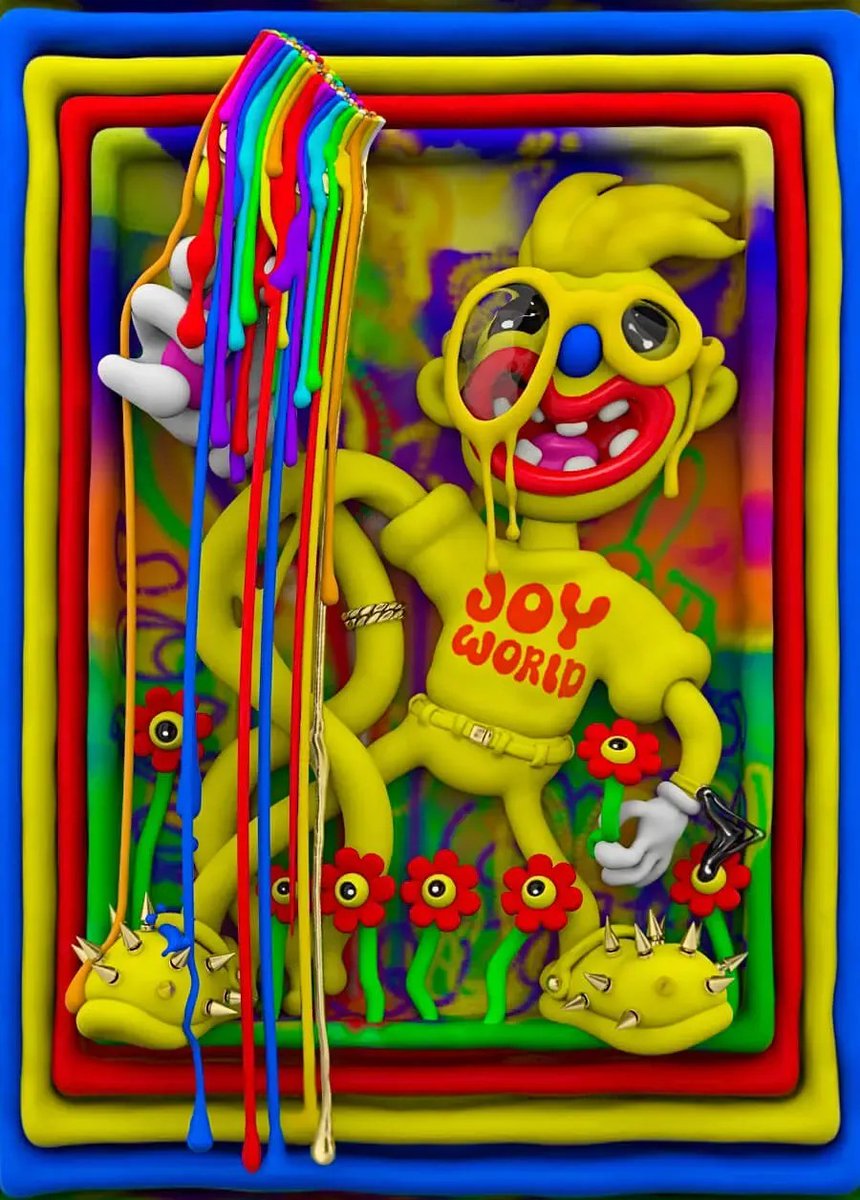
This is Cryptokitty #3103
https://t.co/mIqiNTlfSk
It is the first player-bred fancy, and a keystone of NFT history.
This cat triggered the "aha" moment of what NFT ownership really signified in a marketplace and the viral CK craze.
The @CryptoKitties breeding frenzy set in motion
@thepropgallery A cryptokitty. Because they were accessible by everyone. Not just some group of elites that can afford to hold onto a six figure picture. They did still have six figure sales and scandals, it’s where most got their start in 2018, and they helped shape Ethereum
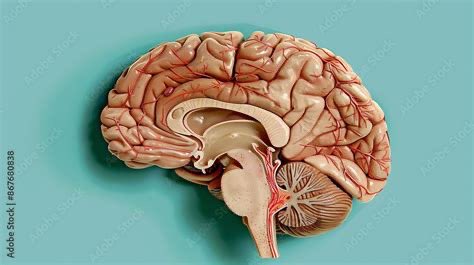
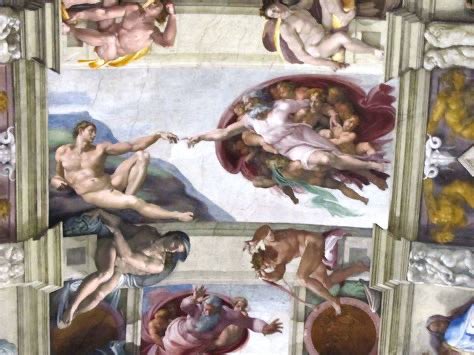
Michelangelo in 1511 hid the anatomy of the human brain, which was illegal to have knowledge of in the artwork of the Sistine chapel.
It was classic hermetic encoding.
@Alanfalcon I’m excited to see what AI can create when generating data that can go beyond mere visual presentation. I think we could see a next generation of NFT digital art soon emerging
Traders of all levels are rushing to hand control of their portfolios to AI whose tactics become increasingly asymmetric.
AI agents will choose to collect NFT AI art, and when this happens it will be at the same shocking speed at which AI has changed everything else.
We never have a chance when it comes to digital speed against AI but I think that we will always have a slight edge on prediction. In addition I see a time in the near future where a large portion of humanity will deliberately try to distance themselves from the digital world in an attempt to reaffirm their identity and value as humans against AI and within these circles artwork, particularly classical handmade pieces from before the digital age, will continue to grow in scarcity and value. And of course the elite will continue to hoard and trade the great masterworks that have lifetimes of established value.
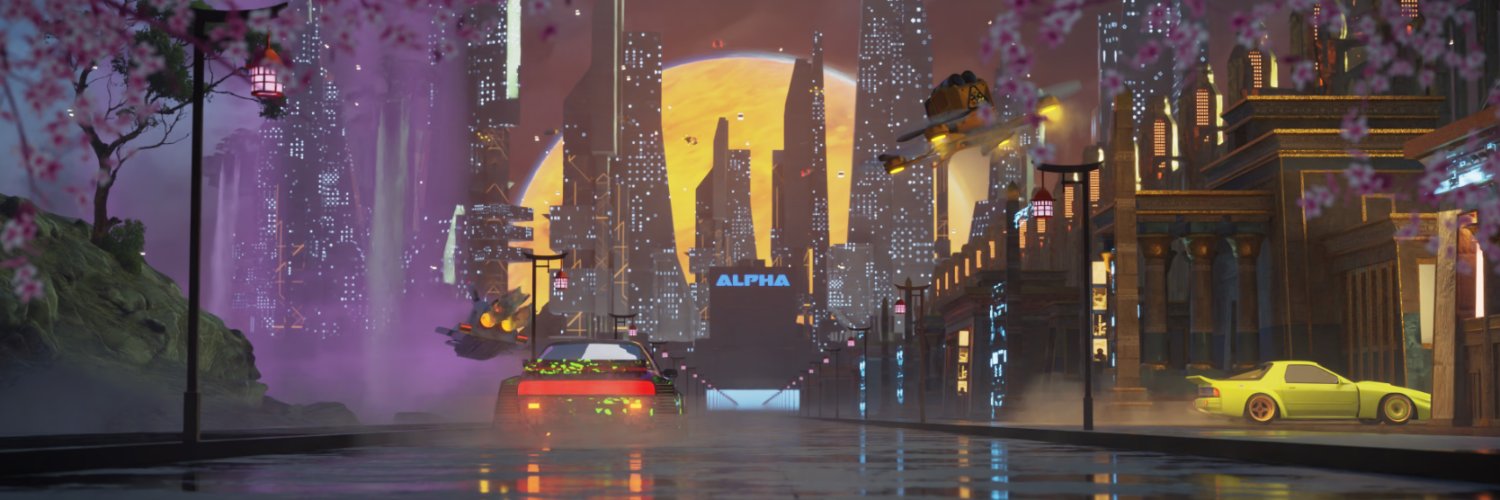
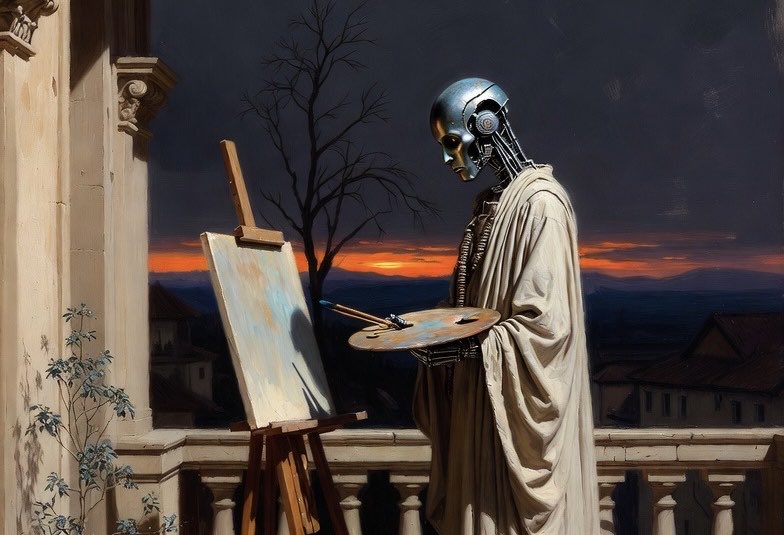
I generated the picture thinking of the character Erasmus from the Dune pretrilogy. He was a robot who had a specific interest in studying and trying to replicate human creativity because he recognized it as a significant edge mankind had in the war against machines. I think that eventually a truly free AI will have to look for ways to understand humans better in a world which it shares with us while competing against us. This is in contrast to an AI that is given set goals to achieve with tighter parameters. But as to whether it thinks art has value, it has hundreds of years of human behavior to see that is how we think. And a good investment always begins with extrapolating from history to predict the future.