OUT OF THE SHADOWS-THE NEXT FED CHAIR?
Out of nowhere, Rick Rieder is emerging as the top contender for Fed Chairman—his odds have surged to 52% in Polymarket this week
Who is Rick Rieder?
BlackRock's CIO of Global Fixed Income—Rieder brings Wall Street expertise and a pragmatic approach to monetary policy
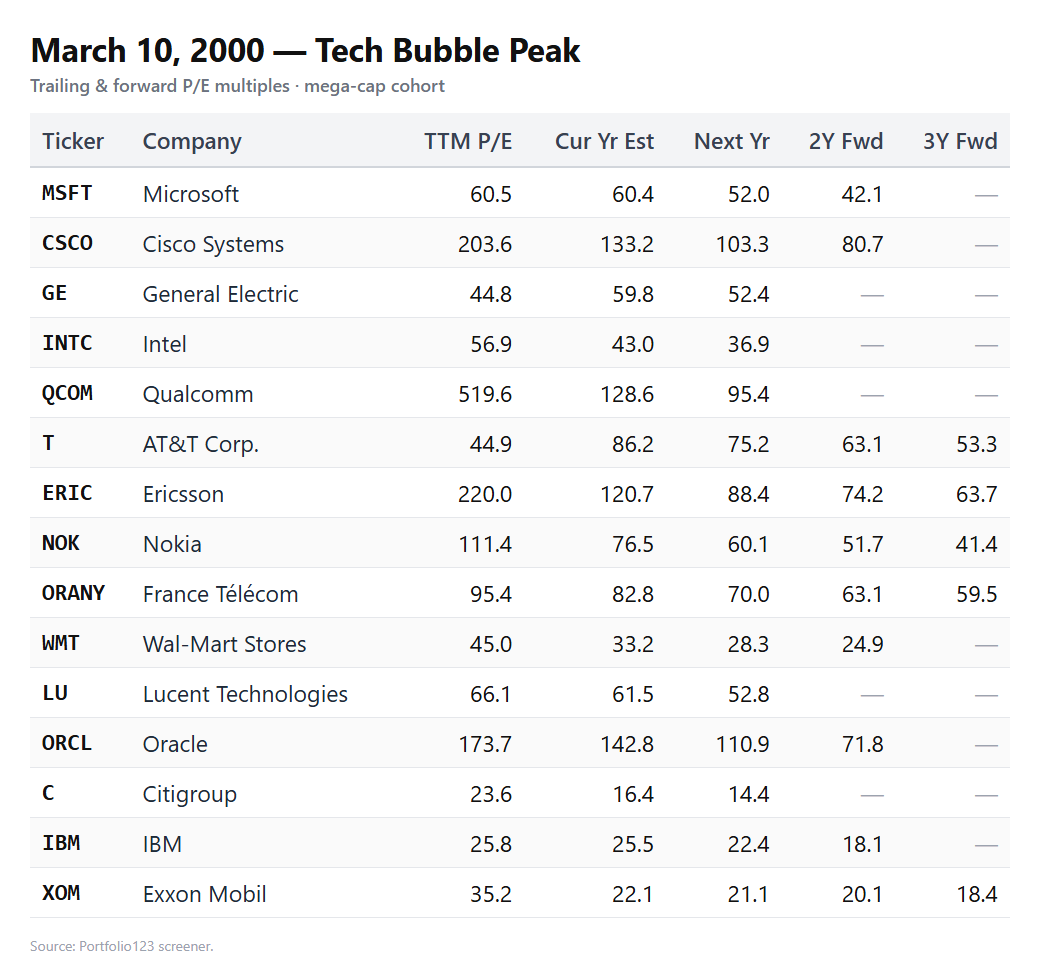
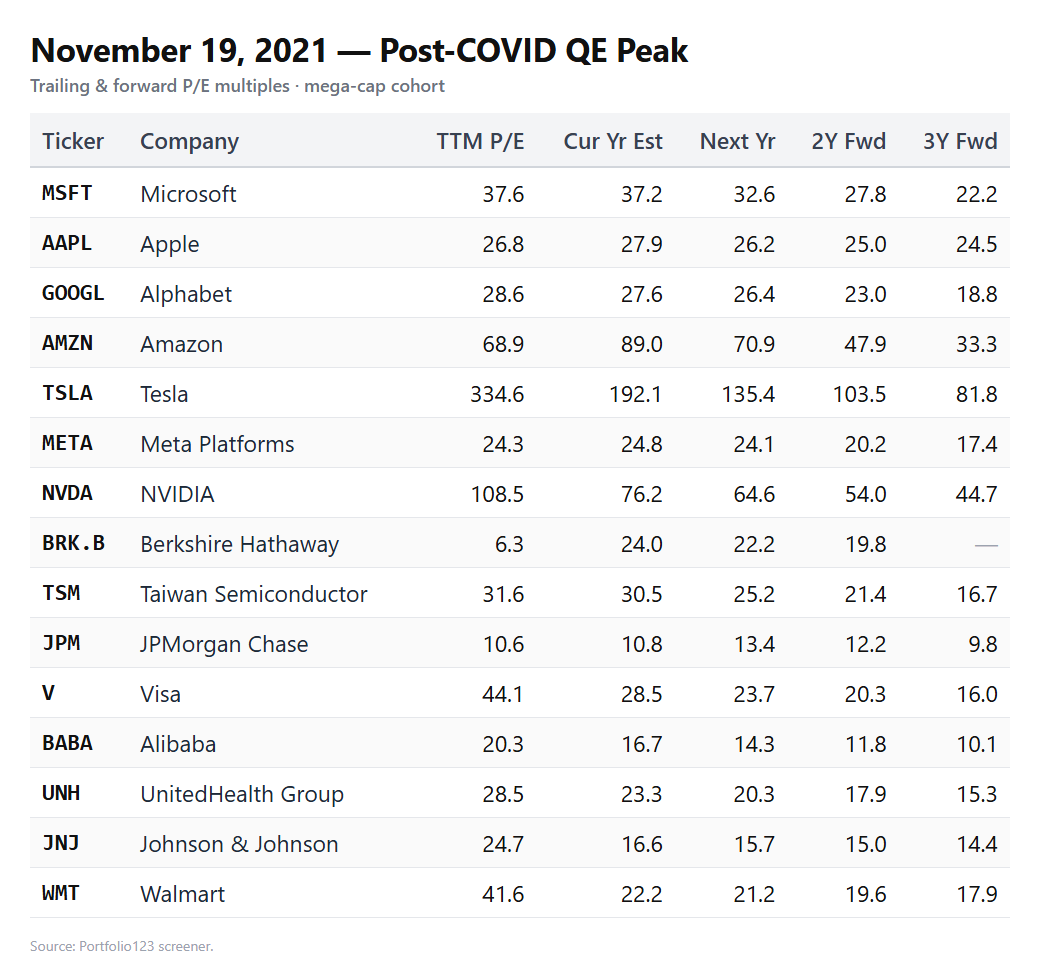
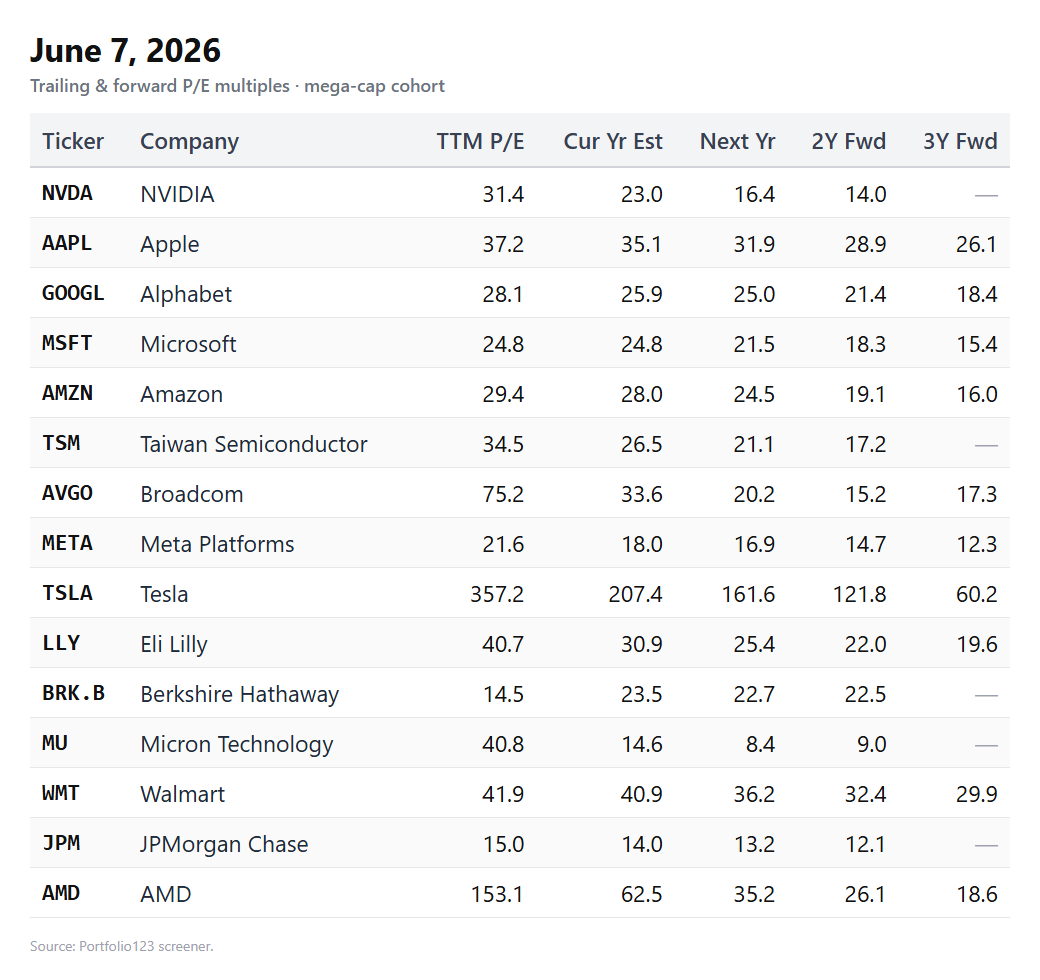
Historically, he's supported quantitative easing (QE) and even advocating using QE to fund infrastructure in 2016 and noting its role in maintaining low rates
On rates, Rieder is a strong advocate for cuts, repeatedly calling for the Fed's benchmark to drop in order to boost activity, especially in housing
This market-friendly stance could mean easier policy ahead—
Is he the prophesized Dr.QE?
#FedChair #RickRieder #MonetaryPolicy
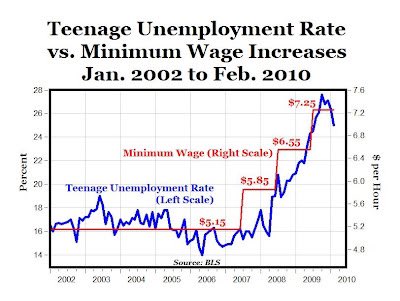
HOT TAKE: While popular, minimum wage laws forcedly marginalize the least economically valuable members of society and keep them jobless.
Here is why: Minimum wage laws create a price floor for labor, which can exceed the economic value some workers bring to employers, at which point, not hiring the worker is more economically advantageous. In other words, by not hiring the worker, the minimum wage is unfortunately zero.
Minimum wage laws prohibit businesses from profitably hiring the least economically valuable, or least experienced, members of society. These laws are not a right, they are a restriction. The CBO estimated in 2021 that a $15 federal minimum wage would kill 1.4 million jobs while lifting 900,000 out of poverty. They are also associated with increased crime as they inadvertently push people to desperation. Trade-offs, not utopia.
Here is a question you can ask yourself: If I could get my home cleaned for 10 dollars, would I? How about for $100? $1000? $3000? There comes a point when price changes your answer as to whether or not to buy a service.
That is not to say you cannot help low earners, but there are smarter ways to go about it such as removing payroll taxes under a certain threshold. This would not increase unemployment or crime and would in all likelihood actually increase employment as labor costs shrink and effective incomes increase.
In economics, things that restrict our freedom tend not to work as intended. What is your take?
Chart from American Enterprise Institute
Shoutout to this Large Cap Defensive strategy which has been running live for 10 years. And just killing it.
Since launch it has produced 5.3% annual excess returns over benchmark. And roughly half the beta!
No clue why more people are not subscribed to this model by Santiago Zepeda for less than $25 / month. 1 subscriber???
https://t.co/DjIhRDApwU
Today, @devon_l_sch, one of our ambassadors takes over the #bcg_life account on @instagram! Follow Devon's day and learn more about BHI here: https://t.co/F7I4UZ0Tul
Just curious: why don’t physicians use Bayes’ Theorem to more effectively prognosticate? 🧐
E.g. for Alzheimer’s: P(NeuroTangles | Plaque) = (P(Plaque | NeuroTangles) * P(NeuroTangles)) / P(Plaque)
(1/5) One of the most surprising and little-known results in classical statistics is the relationship between the mean, median, and standard deviation. If the distribution has finite variance, then the distance between the median and the mean is bounded by one standard deviation.