The Devon Greater Horseshoe Bat Project (2014-2021) enabled people to learn about, celebrate and help to care for these endangered bats. #NLHF supported
Find out more about our bat research and monitoring with our short video on bats & science! @_BCT_@DevonWildlife@HLFSouthWest Full video: https://t.co/RrtqPcEdr6
Devon Bat Survey is back! Thanks to @DBRCnews, this Devon-wide citizen science project will be continued this year, looking at bats in the #SaveDevonsTrees project core areas. Join the survey and discover which bats live in your area 👉 https://t.co/4Nxb1kTcsA
📷Tom Marshall
Farewell from the Bat Project team - our wonderful project has ended but you can read all about our achievements and still access plenty of website resources by viewing our final enewsletter https://t.co/phCrZJIXEe thank you to all our lovely supporters! @DevonWildlife
A new #BatChat episode will be up this Wednesday, 20th January! @SteveRoeBatMan has been interviewing a range of bat workers and nattering away about #bats and bat conservation. Stream in your usual platform or here: https://t.co/7LL0uLuHoJ
Our website has an entire section of our website dedicated to provide advice to some of the most common queries we receive:
Would you know what to do if you find a bat in need of help?
Explore this section to find out more: https://t.co/nCRF4pcrfS
A single 400-year-old ancient oak produces 234,000 litres of oxygen a year, and may support more than 2,000 species of bird, insect, fungus, and lichen. Let's look after the trees 🌳 Via @WoodlandTrust#wellbeing#nature#wildlife
There are more than 80 bat groups in the UK. They are made up of many dedicated volunteers and are the mainstay of bat conservation across the country, undertaking vital front-line conservation work. Find your local bat group here: https://t.co/Q3hfi90RNG
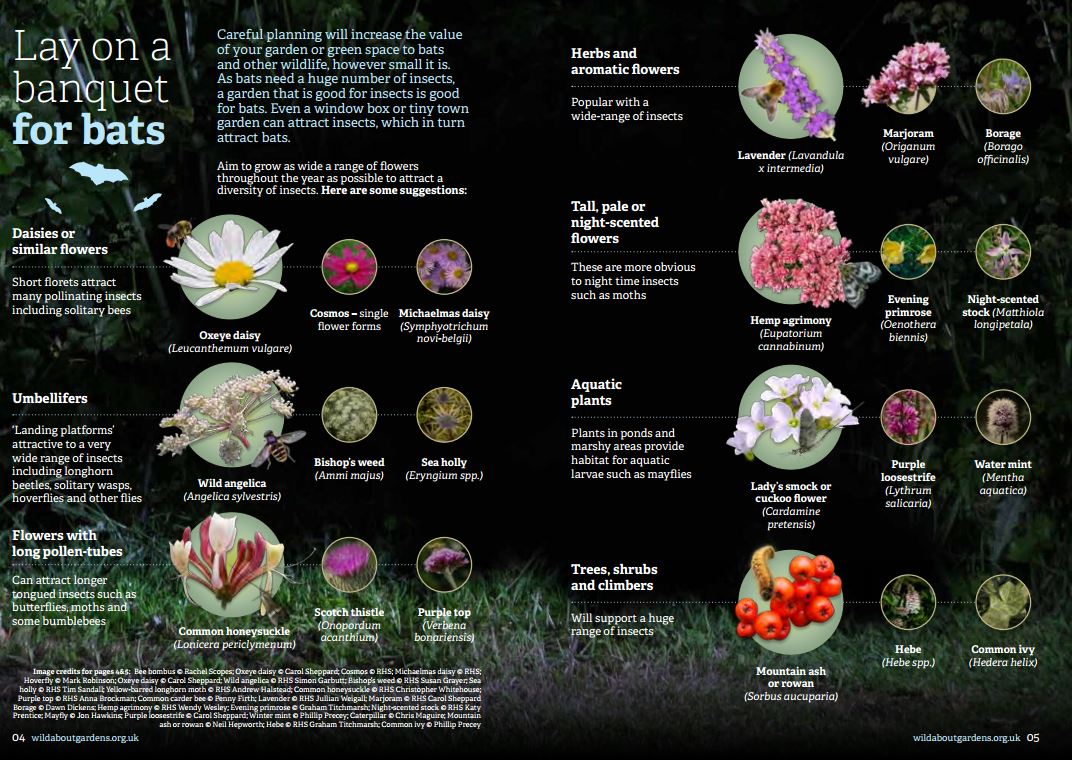
Bats will wake up from hibernation in Spring starving so if you are able to make sure your garden or green corner (even a balcony helps!) is attracting the yummy insects they feed on. You can find some very useful tips here: https://t.co/HklUZMS3tc
🦇Bats will be huddling together in hibernation this winter in our newly built bat roost! Thanks to a collaboration between the @devonbatproject, @AxeValeDCS and @EastDevonAONB, this roost was occupied within weeks of being built! 📸 Tom Marshall #2020Highlights
Our largest #bat species, the noctule, is a tree lover and is often found hibernating in #woodpecker holes🐦🕳️
Males will protect their woodpecker #penthouse to help attract females during the mating season🤩🏰
The fluttering brown long-eared #bat likes a more secluded #hibernation spot🤫
Caves, tunnels and mines are favoured winter roosts 🦇 and unlike other bats, when using trees, this shy species tends to look for roosts closer to the ground and more cluttered with vegetation🌿
This long period of deep sleep, also known as torpor, allows #bats to survive the harsh #winter🥶 - when food is scarce and flying would be wasteful!
In torpor, bats slow their metabolism down meaning they use less energy ⬇️ and are able to survive on the fat they stored up 💪
Arborists + tree surgeons - we have @LantraUK accredited online training for you!
Scoping surveys for arborists - essential knowledge about bats and trees for anyone working on trees.
Courses in January & March 2021
Details: https://t.co/TKAzmVIwdY
pls share @ArbAssociation
Are you passionate about wetland conservation and river catchment restoration? Take a look at our Working Wetlands Advisory Officer (Yeo) role – it's a part time, permanent post based at Cookworthy: https://t.co/JiV2ubfv3x
Lost from much of England, Devon is a dormouse stronghold. But even here, loss of habitat means pressure on places dormice use for nesting & food. Many DWT reserves are safe places for dormice. Your donation could help them & Devon's other special species https://t.co/sRjRlPpgOI
Many of the UK's bats are endangered and there is an urgent need for further research along with well implemented legal protection, targeted land management and education programmes https://t.co/sgK64NH182