I don’t agree with it either. I hope that’s not a quote from something I wrote. I don’t remember writing that. But if I did write that, I have since changed my mind.
Two years ago, I did not think the AI’s would be as capable and potent as they are. I also did not think that there would be a way to wrangle them to producing good code.
Hack of the days: taking Opus 4.7, ask him to look at a prompt, and tell you what he find ambiguous in it, and propose to improve it. Then A/B test results! (this should be a skill by the way... nobody saw a skill like this somewhere?)
@unclebobmartin You don’t mention the using of hooks (claude code & gemini for exemple) to enforce linters at each edit/write - which I find super efficient to enforce coding standards
I was possible to literally force Haiku into respecting Clean Code with no prose instruction at all this way
If you are using gherkin for acceptance testing, you may find a gherkin mutation tester helpful. It makes changes to the gerkin tests and expects them to fail. If they don't that's worth investigating.
You don’t have a lead gen problem.
You have a tool addiction problem.
Apollo.
Lemlist.
Hunter.
Sheets.
$300/month.
10 tabs.
Still no results.
Saw this on Product Hunt 👇
One tool to replace your entire stack.
Find leads.
Outreach.
Book meetings.
~$29/month.
If this works… most stacks are dead.
Try: https://t.co/oXMMo0Rf2O
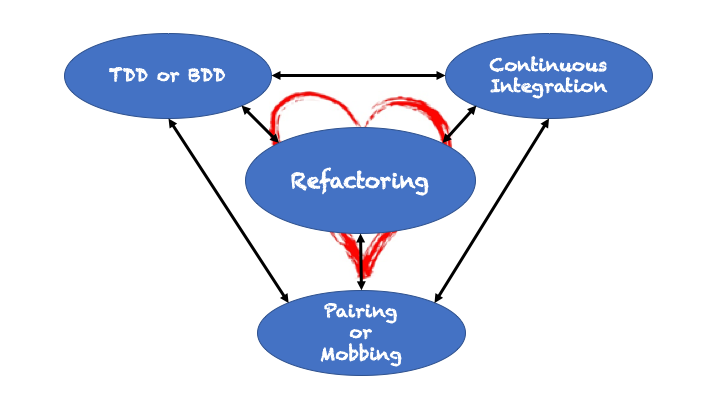
Unpopular option: most change that AI tools will bring for software engineers are likely to be making the practices that the best eng teams did until now, the baseline for those that want to stay competitive + move fast
Things like product-minded engineers, testing, o11y, CD etc
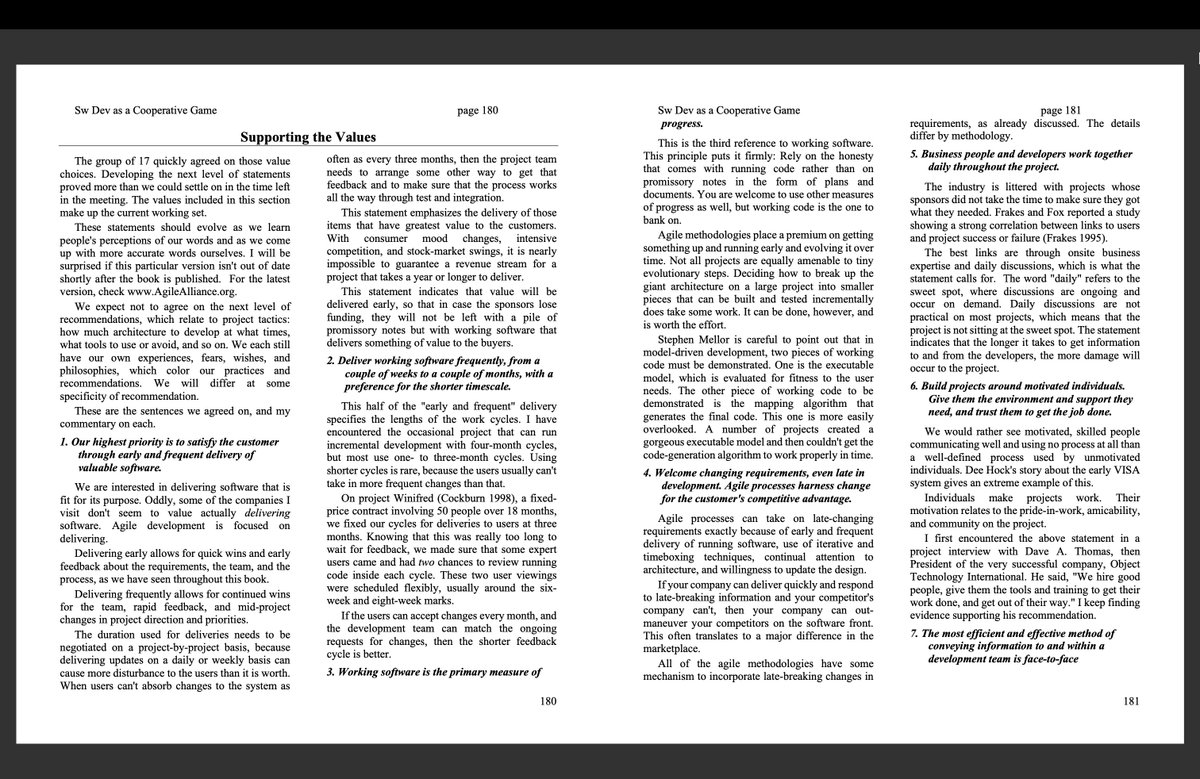
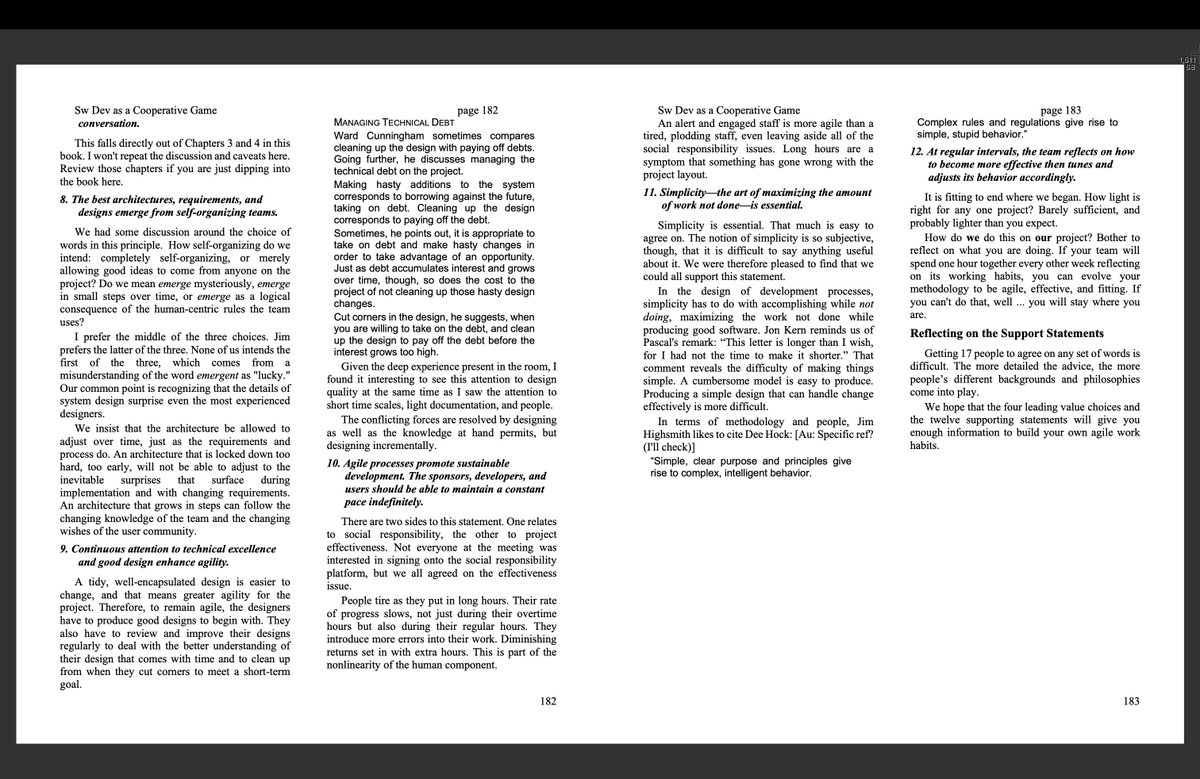
i was shocked to discover just now that my 2001 Agile Sw Dev book contains a discussion of the agile manifesto! knock me over with a feather duster, as they used to say. Take a look!