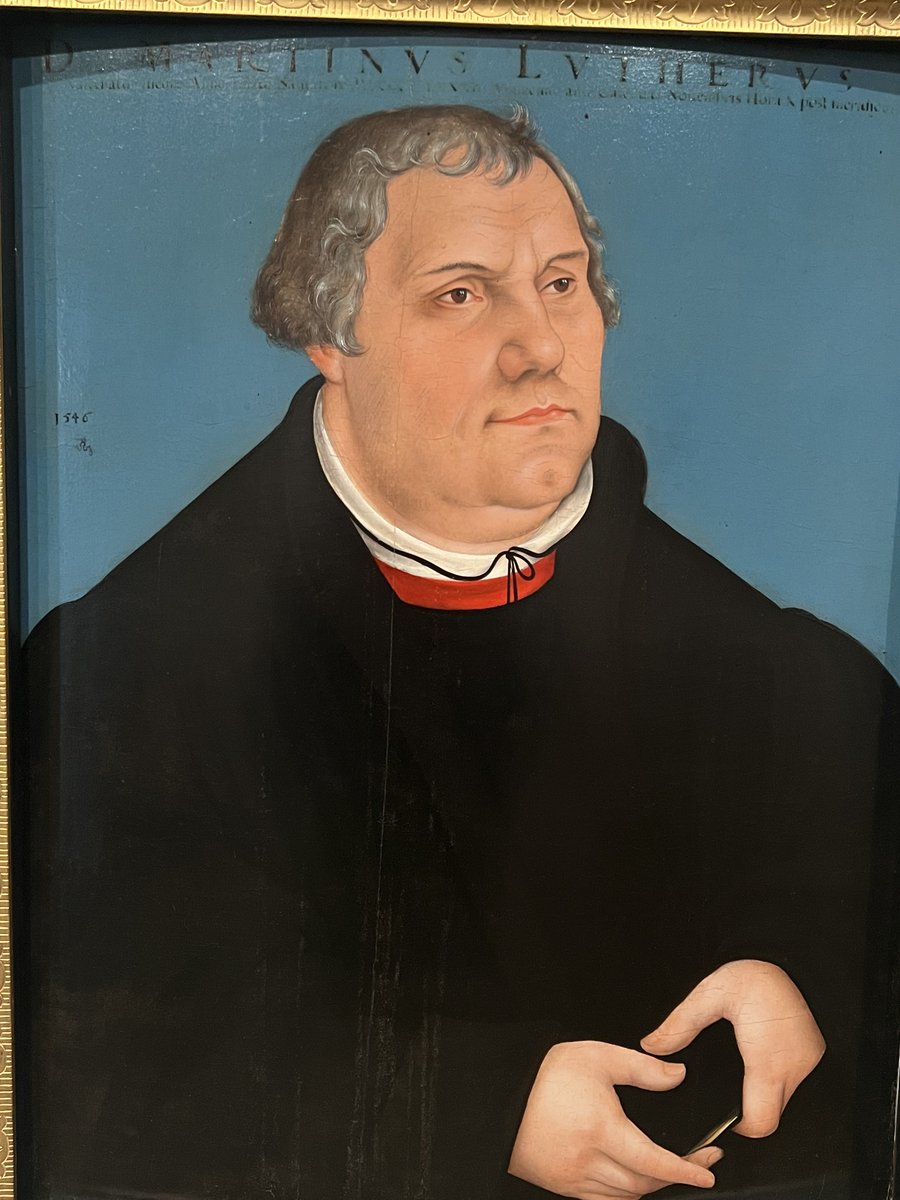
Martin Luther was calling into question not only the doctrine of indulgences but also the late medieval sacrament of penance. Luther focused on the interior nature of repentance instead of sacramental penance administered by a priest.
#ManuscriptMonday!
The world is taking time off to play GTA VI, but Templars also knew how to take a break from their duties. This week, we will take a look at a miniature produced in 1283 and held at the Real Biblioteca del Monasterio de San Lorenzo de El Escorial.
A Yale committee is supposed to be tackling grade inflation.
Instead it’s considering making foreign language and introductory math classes pass/fail while faculty worry about not causing “harm” to students and themselves.
Amazing.
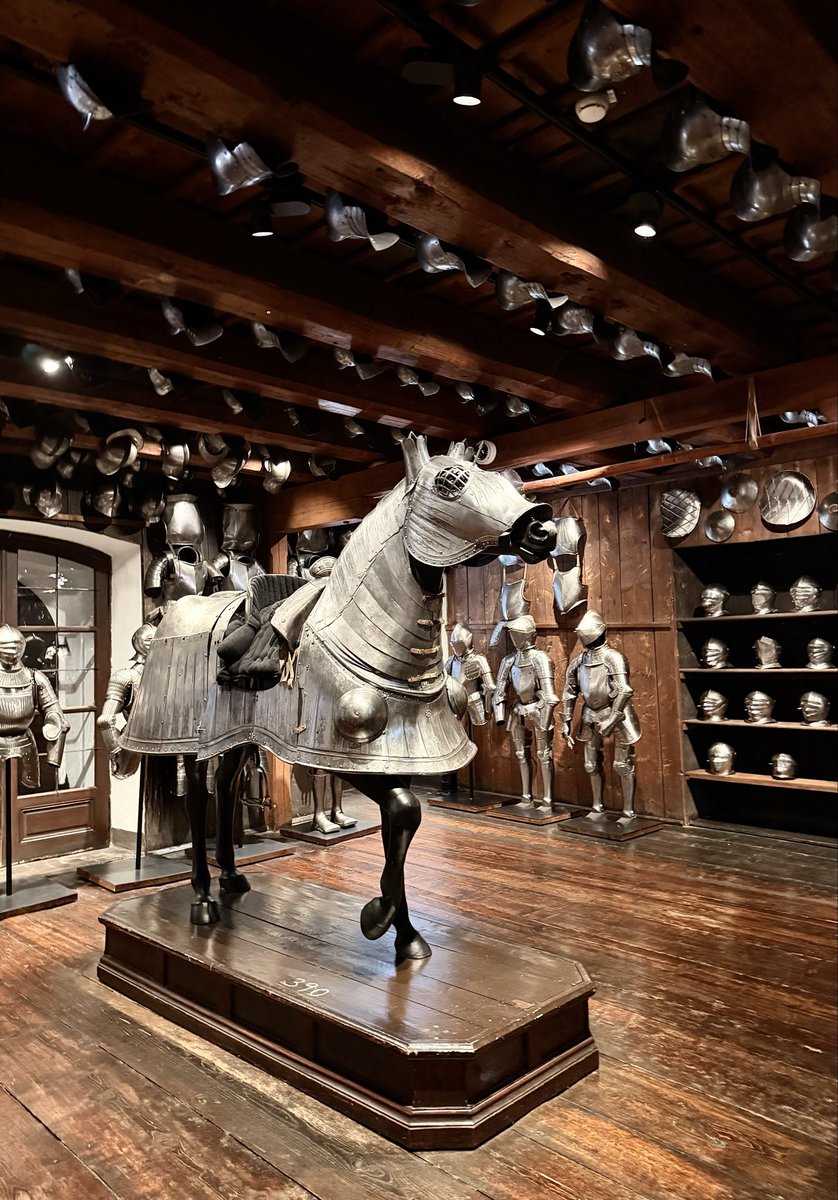
The Styrian Armory (Landeszeughaus) in Graz, Austria, is the world's largest preserved historic armory, housing approximately 32,000 pieces of battle and ceremonial weaponry, suits of armor, and artillery. A different kind of museum, but a huge part of medieval and early modern history.
The 15th to the 18th centuries were quite a turbulent time for the duchies of Styria, Carinthia, and Carniola, Habsburg territories within the Holy Roman Empire. During the 16th century, Ottoman expansion into Hungary and Croatia brought the military threat much closer to these lands. The necessity of defending the borderland with weapons ultimately led to the establishment of today’s Styrian Armory, which at its height around 1700 held nearly 190,000 pieces of military equipment.
Already in the early 16th century, Holy Roman Emperor Maximilian I maintained an arsenal in Graz.
And so it comes that along with the mass-produced items for local soldiers, there are also pieces such as this horse armor made around 1510 in the workshop of the famous master armorer Konrad Seusenhofer in Innsbruck, with elaborate ornate etchings most likely made by Daniel Hopfer of Augsburg.
Two-handed swords were used to disrupt the enemy's ranks of pikes. Because of their length of up to two meters, they had to be wielded with both hands, meaning that the soldiers who carried them required special training and apparently received higher pay. Some even received double pay, hence the name Doppelsöldner in German.
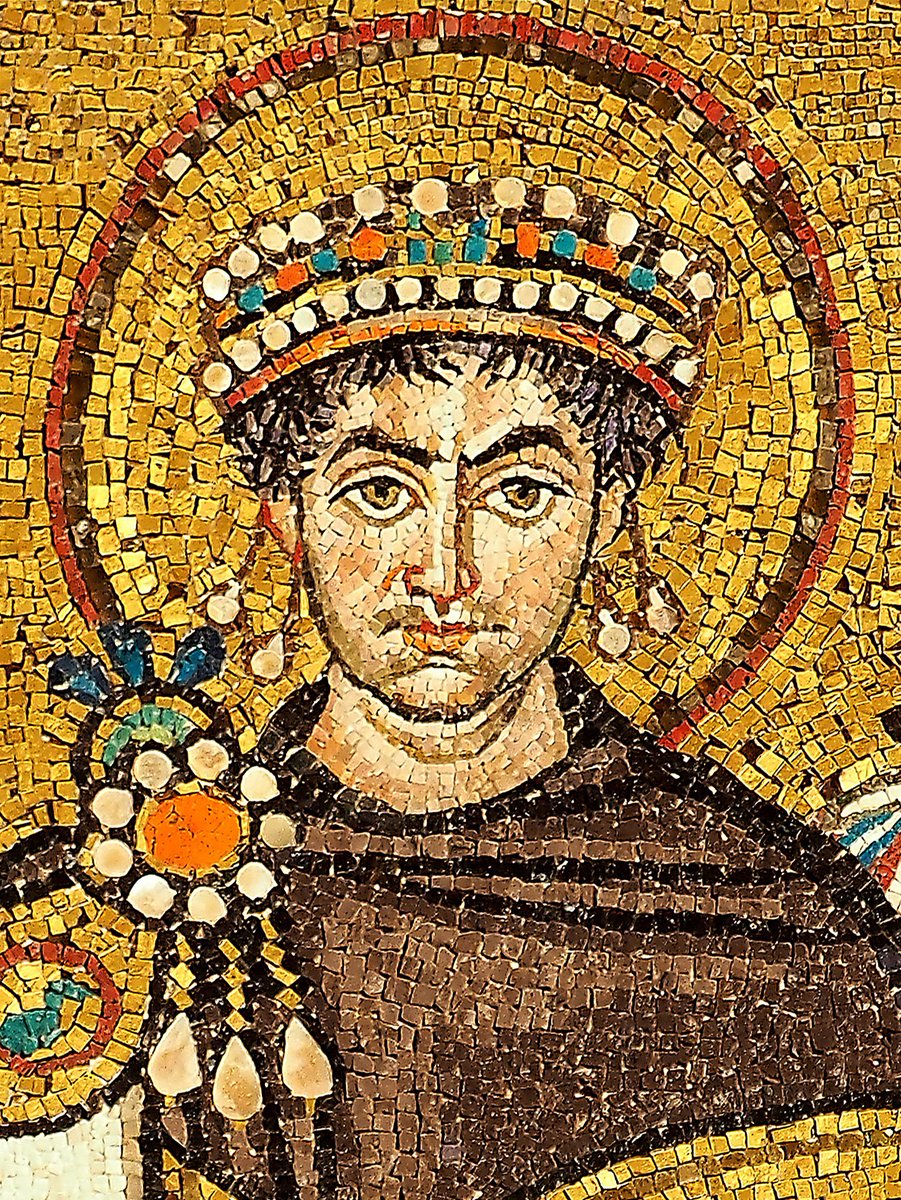
Today in 565 on November 14th, Justinian the Great passed away.
He ruled for 38 years, rebuilt the Hagia Sophia, reconquered Italy and Africa, and codified Roman law.
@BrandonWarmke Professors at elite institutions could take an across the board 10% pay cut too. They won’t. Everyone’s a capitalist when it comes to to their own life