Built a high-performance N-body gravitational simulation using the Barnes-Hut algorithm and QuadTree spatial partitioning. Watch particles orbit, collide, and merge in real-time!.
Note : Bounded space can be turned off.
https://t.co/eqJqcAvt4O
“The end state is crypto becoming demonstrably safer, more robust, and more Lindy than any centralized financial system, finally realizing its root vision as a civilization technology.
I am long math and I am long crypto. “
humanity hacker sent an onchain message to chris blec:
"i was stressing out about needing to social engineer four different devs across three different timezones. then you drop a revelation that it's actually just one guy with six signer keys in his metamask. thank you king."
removing CUs from protocol will probably tank fee markets even further, possibly significantly disrupt market structure on solana, and centralize block builder MEV (unless harmonic wins :D)
presently there's a shared ruler used by everyone to compare transactions relatively:
1. maker oracle update requests 450 cus.
2. taker requests 100k cus. therefore, taker txn will ~probably~ take an order of magnitude more time to execute
3. taker must pay much more if they want to beat the maker in an auction
in a pre-mcp synchronous world, how do you compare the two without an opinionated, data-driven approach without the shared ruler? how does an uninformed validator prevent themselves from getting fleeced/underpaid? time is limited, and there is a sunk cost when evaluating the value of transactions. the only sensible default scheduler implementation here is FIFO, which is worse for market makers and worse for validators. In this regime, private and opinionated block-builders significantly outperform any default scheduler a client may ship with.
in a post-mcp asynchronous world, what's the merge rule?
it is my humble opinion that the CU is enough. it is imperfect, but it is enough.
Long Live The CU
Idle capital is a bug.
We fixed it.
Juncta Testnet is live on @cedranetwork. Smarter DLMM. Precision liquidity. Fees that keep ticking.
And soon: out-of-range liquidity that lends instead of waits.
More networks. More yield. More Juncta.
Try it out here → https://t.co/S1P9TgzLFN
Mathematics, physics, chaos. Apparent unpredictability. Life explained.
The "Lorenz Attractor." Little blue butterflies, circulating forever.
Source: https://t.co/GivloDIDmc, CC BY-NC-SA 3.0
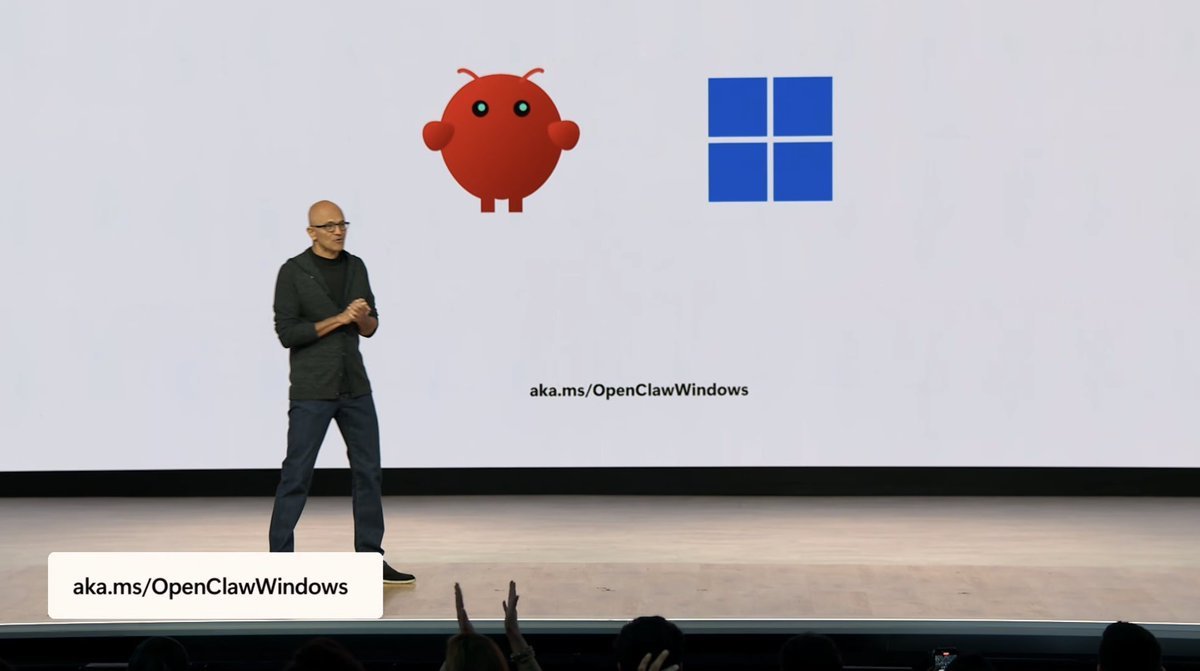
"You can run OpenClaw inside your company now." Annoucing our work with @Microsoft to bring OpenClaw to the Microsoft and Windows ecosystems. Claws now work securly in the enterprise.
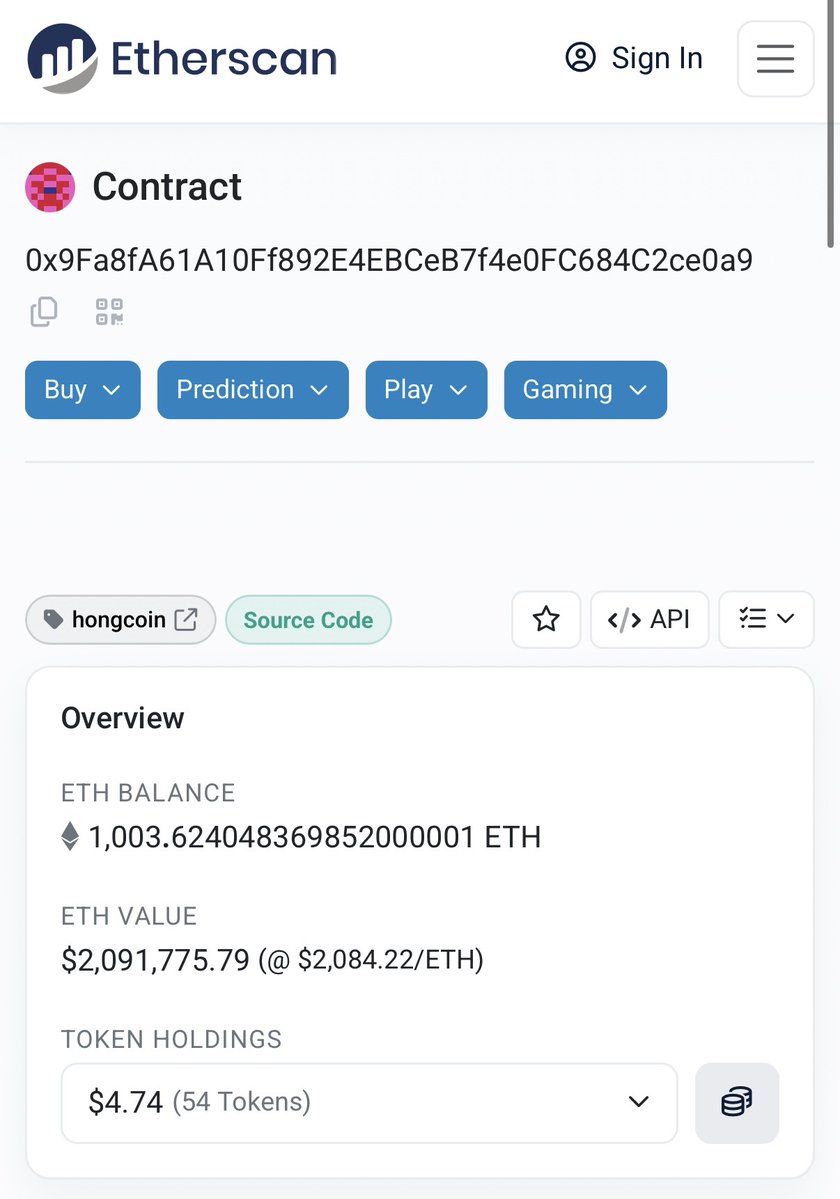
First white-hat exploit on Ethereum: I unlocked 1,003.62
Ξ ($2,000,000) trapped in a 2016 ICO smart contract
for 9 years.
The 48 original investors can now claim their funds.
Discovered a high-severity vulnerability in Zebra, @zcash’s Rust full-node implementation, together with @ipwning through the Zcash Bounty Program, earning a $75,000 bounty.
Fix has already been patched and rolled out in v4.5.0 release
https://t.co/mQlgRYZsey
@ZcashCommGrants