An amazing product of our collaboration with (& coordinated by) Prof. @dewolf_arthur! Relation between soft tissue energy dissipation and leg stiffness in running at diff step frequencies | Royal Society Open Science https://t.co/vV8ddrpgXM @UCLouvain_be @UfrgsLocomotion@unipv
Our latest: Pendular mechanism determinants and elastic energy usage during walking of obese and non‐obese children - Peyré‐Tartaruga - Experimental Physiology - https://t.co/KTefRmDEj3
We had to think a little🤨🤔🧐… but finally, here they are!
A big thank-you once again to all of the team.🫶🏻
I hope this work can be a good suggestion to overcome the limits of the acceleration and assessing better the neuro-muscular load:
1️⃣ 100-m dash 🏃🏼
2️⃣ team sports ⚽️
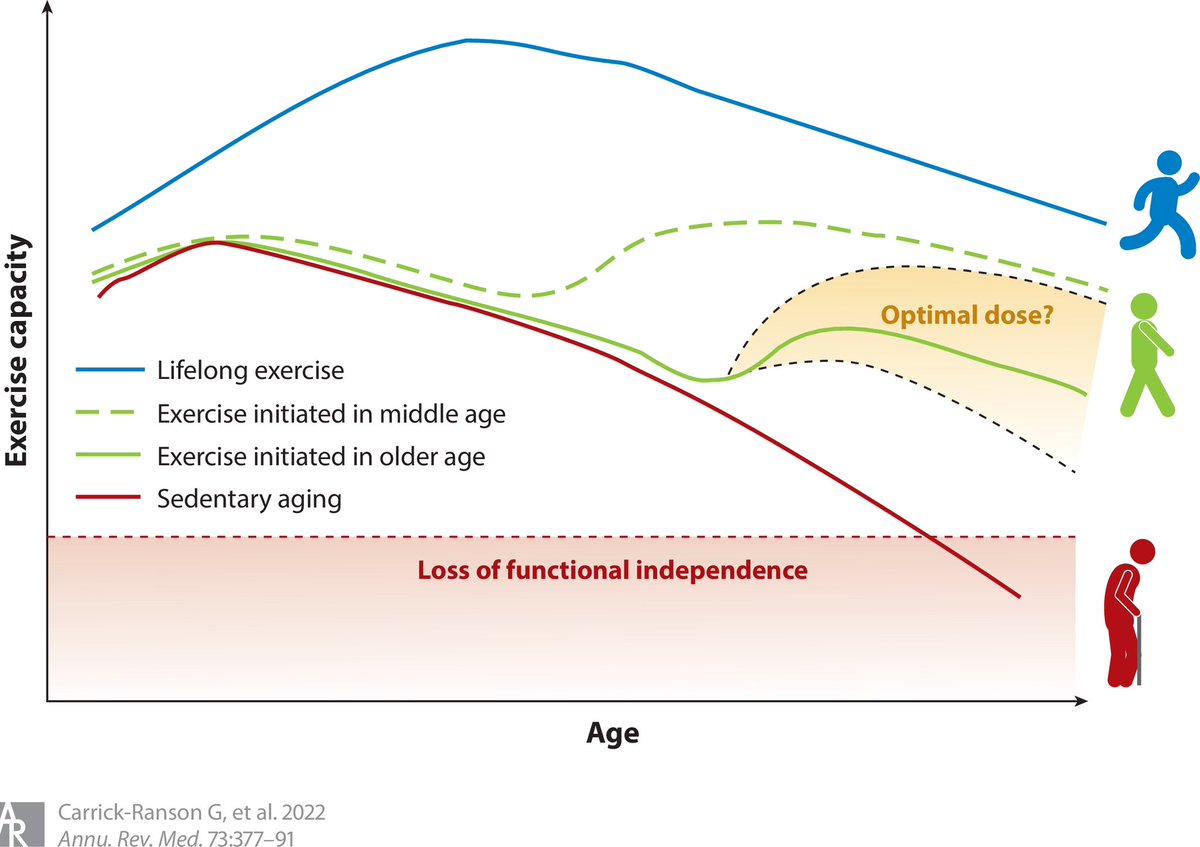
New Research: Unraveling age-related impairment of the neuromuscular system: exploring biomechanical and neurophysiological perspectives #Physiology https://t.co/2ROctx0mLc
Published! In this article, @MarioNu01 et al. showed that some charateristics of adult gait, such as the step-to-step transition, are not mature even at 12 years old. As older adults, unanticipated transition occurred more often in young children.
Fantastic work lead by Andrea, it took only 2 years (or 3? I forgot :-D) to analyze this dataset ! But it was worth it. Developing new non-invasive methods is hard both at the hardware and software level, but that is the future.. and we believe in dreams !
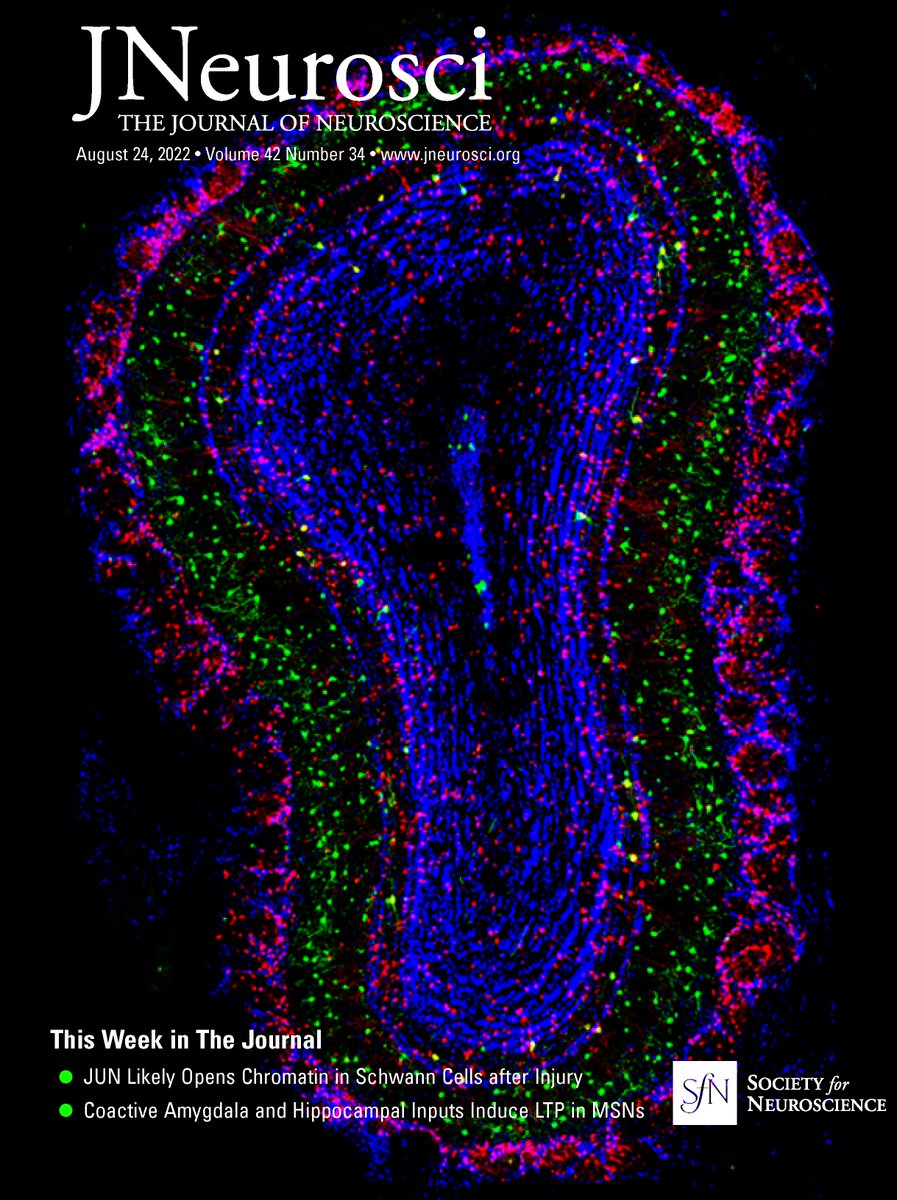
#JNeurosci: @dewolf_arthur et al. @unitorvergata compared bilateral & unilateral stepping in human neonates, where cortical control is still underdeveloped. The results from this research are important for detecting early developmental motor disorders.
https://t.co/AjiXNIbV4e
Left-Right Locomotor Coordination in Human Neonates: Terrestrial locomotion requires coordinated bilateral activation of limb muscles, with left–right alternation in walking or running, and synchronous activation in hopping or skipping. The neural… https://t.co/9KBbiWDHdZ
📰New paper Friday📰
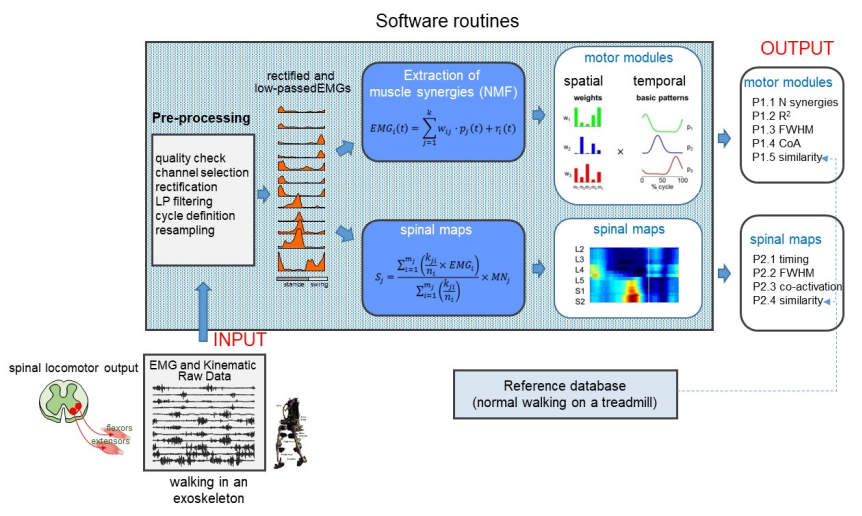
Using #EMG during exoskeleton-assisted gait, functional and structural changes at the
#spinalcord level can be mapped into muscle synergies and spinal maps of motoneuron activity ⚡️
Great work @SantaLuciaIRCCS and @dewolf_arthur
👉 https://t.co/jfQhzsUqFK
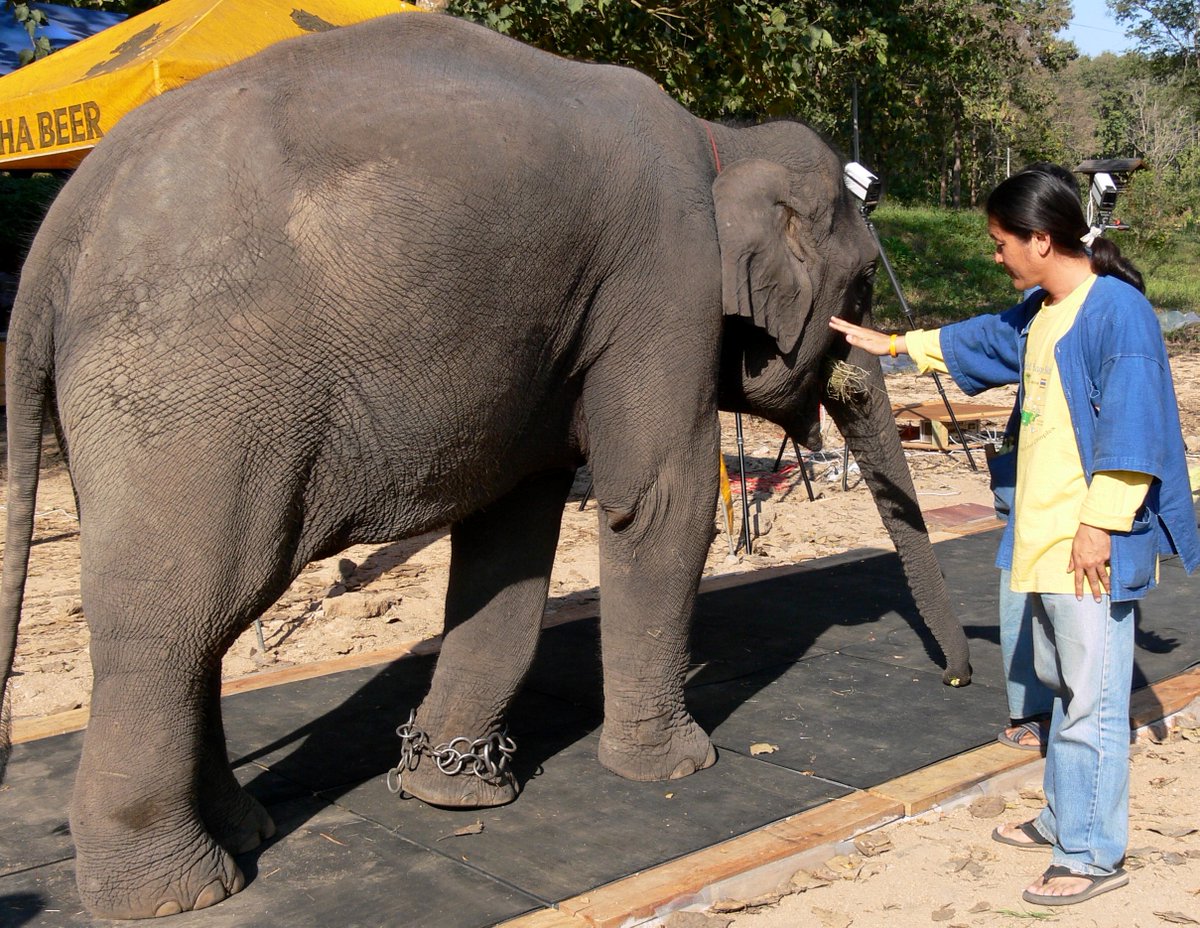
#WolrdElephantDay
Starting from the idea of Dr Ivanenko (https://t.co/kk18jHfzEU), we confirm, comparing dogs and elephants, that some aspects of sensorimotor postural control do not scale with size (https://t.co/IVhu2xX0QI)
We found variable interlimb coordination and an incomplete sensory modulation, suggesting that human neonatal locomotor networks do not operate in the same manner as in mature locomotion, but share many properties with spinal mammalian preparations.
Terrestrial locomotion requires coordinated bilateral activation of limb muscles. In order to decipher the early development of the spinal networks and coordination in humans, we compared bilateral and unilateral stepping in neonates, where cortical control is underdeveloped.