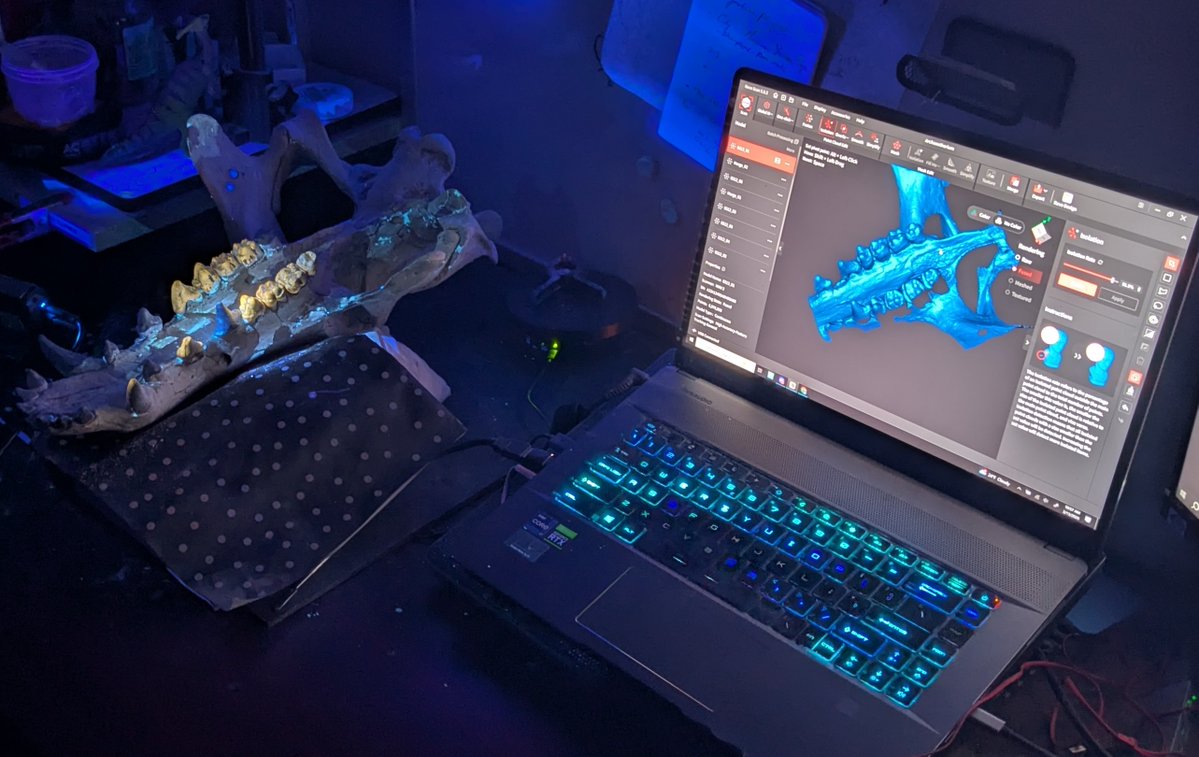
@Revopoint3d We use the Mini2 to make scans of our dinosaur fossils too. We are currently restoring multiple tyrannosaur skulls using a mixture of Mini2 scans and 3D sculpted missing parts filling in gaps. This image shows one of our Mini2 scanned upper jaws of a tyrannosaur.
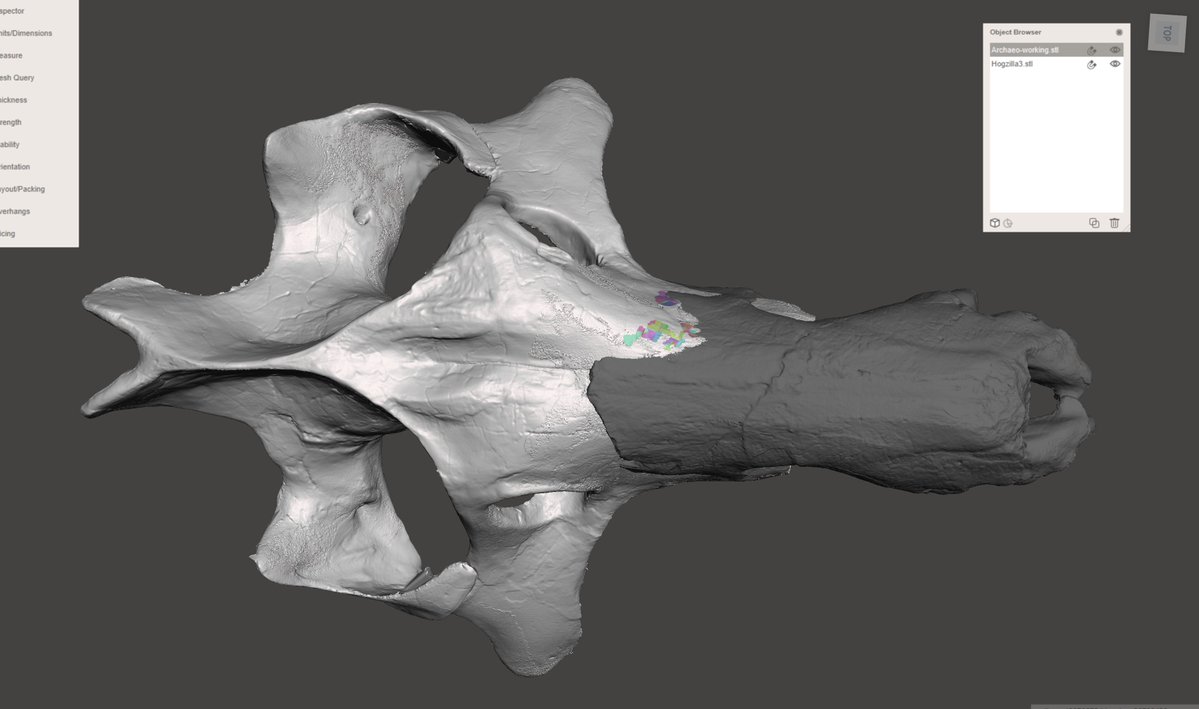
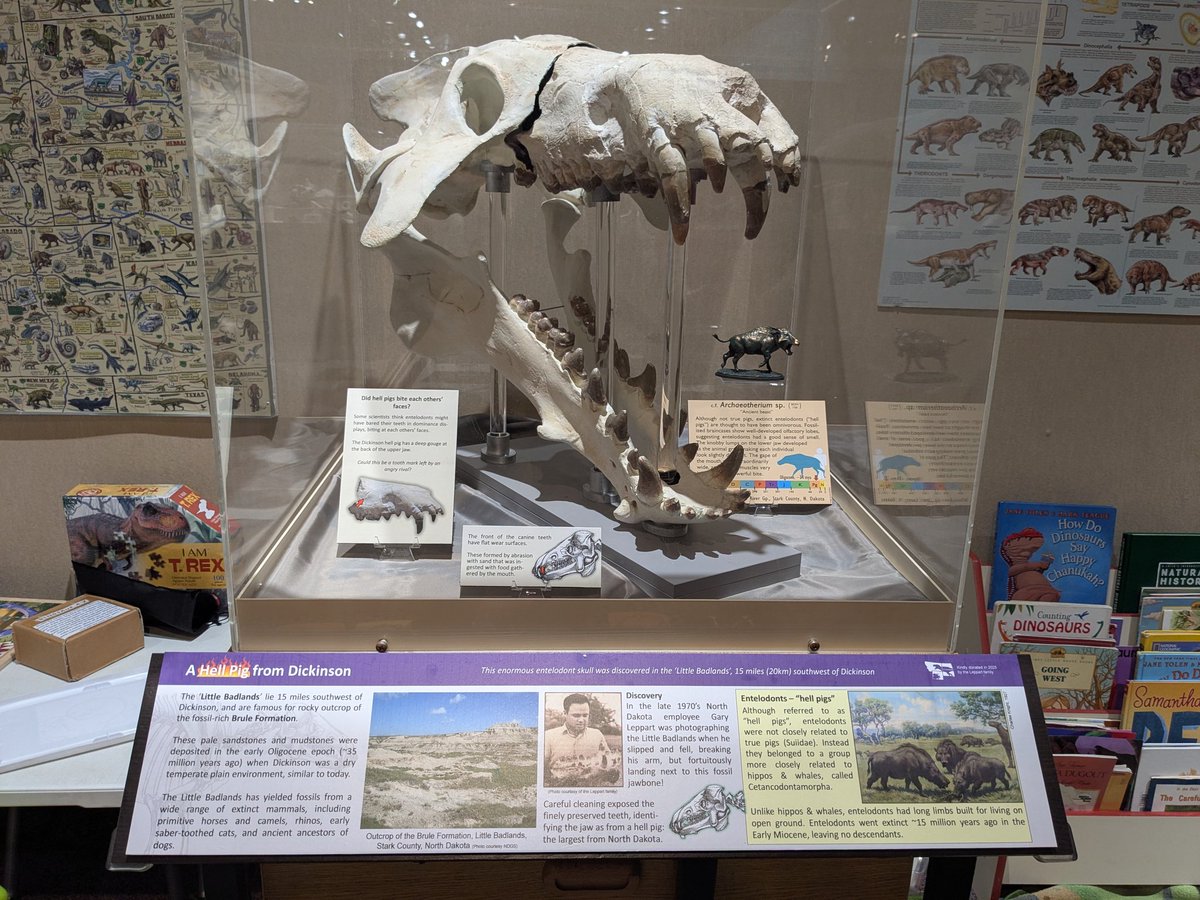
@Revopoint3d This upper jaw of a locally-found 35 million year old hell pig (entelodont) was donated to our museum in summer 2025. It is missing the back of the skull and lower jaw, so we planned to 3D print these parts to create a display in our museum.
@Revopoint3d The 3D scans were printed on our Phrozen mega8k, then trimmed to fit the broken edge of the new jaw. We like to share our "behind the scenes" museum work with fossil fans via social media. This is a post we made a couple months ago.
@Revopoint3d Amanda edited the initial 3D models to remove artifacts. I then added a scan of the new snout & scaled up the back of the skull by 120% to match.
We've bought Pop2, Mini1 and Mini2 scanners. We use the Mini2 almost exclusively for its excellent detail. It makes very big files!
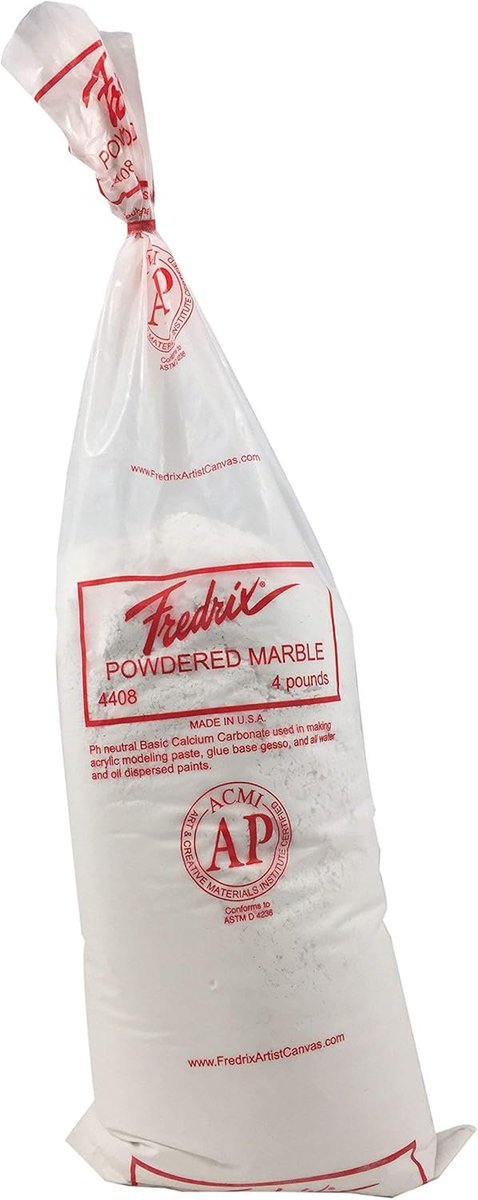
@Revopoint3d The Mini2 is very good at picking up the fine detail we need for museum-quality displays. To maintain tracking we use surface markers or clay shapes, and marble powder. Using this method, Mini2 makes 3D models at better resolution than $40k scanners at other museums
@Revopoint3d This bone is pale colored so it scanned really well, but we dusted the shiny teeth with powdered marble to dull and lighten the surfaces. We tried using scanning spray, but it can react with some of our glue. Powdered marble works well and is cheap from art stores.
@Revopoint3d Our collections manager Amanda scanned our old small skull with the Revopoint Mini2. The image below shows the skull under UV light which makes the teeth glow yellow.
(I should add: we are Badlands Dinosaur Museum, Dickinson North Dakota, a public museum & federal repository)
@Revopoint3d We reviewed available 3D models online, but none were really high-resolution enough for a satisfactory print. We already had a much smaller hell pig skull in our museum collection (shown in photo), so we decided to scan that using our Revopoint Mini2, then scale it up.
Amanda 3D scanned our existing bones for the reconstruction, then painted the restored parts. I edited and 3D printed the missing parts. Steve and I designed and made the complicated mount.
kindly donated to Badlands Dinosaur Museum summer 2025 by the Leppart family.
Brule Formation, 35 million years old, Oligocene, Dickinson North Dakota.
Built in house. 3D scanned using our @Revopoint3d mini2 and printed on our @Phrozen3D mega8k
The omnivorous entelodonts are actually more closely related to modern hippos and whales. However they had long striding legs for living on land in the ancient US Great plains.
This enormous specimen was found in the 1970s by Gary Leppart, near Dickinson, ND.
References:
Hooker JJ (2021 & 2023/2024) The Mammals of the Late Eocene - Early Oligocene Solent Group. Part 1 & 2, Monograph of the Palaeontographical Soc.
https://t.co/0W3zucXyx1
https://t.co/VcEJWuw1yb
Excited! I just found out that the FOSSIL BAT jaw my dad found 20 yrs ago was described in 2024!
We'd collected macromammals from Boldnor, Isle of Wight (Oligocene) for over a decade, but in 2000, I discovered a rich concentrate of microverts in situ at the top of the beach /1
There were hundreds of teeth in our picked concentrates so I'm guessing that a few other teeth in these monographs were from our samples (none are specifically labeled). So cool. Bats & hedgehogs, rodents, all the little guys were in that concentrate! My dad would be so proud. /5
20 years later... Yesterday I was looking to see if Jerry had published anything new & found his 2021 and 2024 monographs... and there in the second part was the jaw! It looks like it is maybe only the second jaw known for the taxon (Quinetia misonnei), a long-eared bat! /4
In 2006 I collected another sample, dried it in my mum's oven, and got my dad to pick it. He had a great time, and when I was going through his discoveries I saw this spiky toothed jaw. I sent the photos to Jerry and he said it was a bat, and that he'd describe it. /3
The 1st sample was processed my fellow Bristol Uni Palaeobio students in 2000, & donated to the NHM, so Jerry Hooker could study them. Among that batch were some spiky-crowned forms which Jerry told me were insectivores, including the earliest hedgehogs - interesting! /2