Google announces: "With 1.5 Pro, #Gemini Advanced can process significantly more information, running up to **1 million tokens** – that's 1500 pages. <-- The latest race to the bottom for computing: CPU->RAM->Cores->Tokens
@jccardenas1965@jpablofranco@CameronNeylon@CK_Karl_Huang@jpablofranco I'd like to ask some intelligent questions to the primary researchers in Colombia (Rocio del Pilar Moreno-Sanchez and Jorge Higinio Maldonado) so we might get their insights on how best to run our first experiment, esp latter rounds where sanctions can be imposed.
Future Leaders Fellowships (FLFs) aim to develop the next world-class research and innovation leaders.
If you’re an early-career researcher or innovator looking to develop your career, an FLF could be for you. Here’s what you need to know⬇️🧵1/
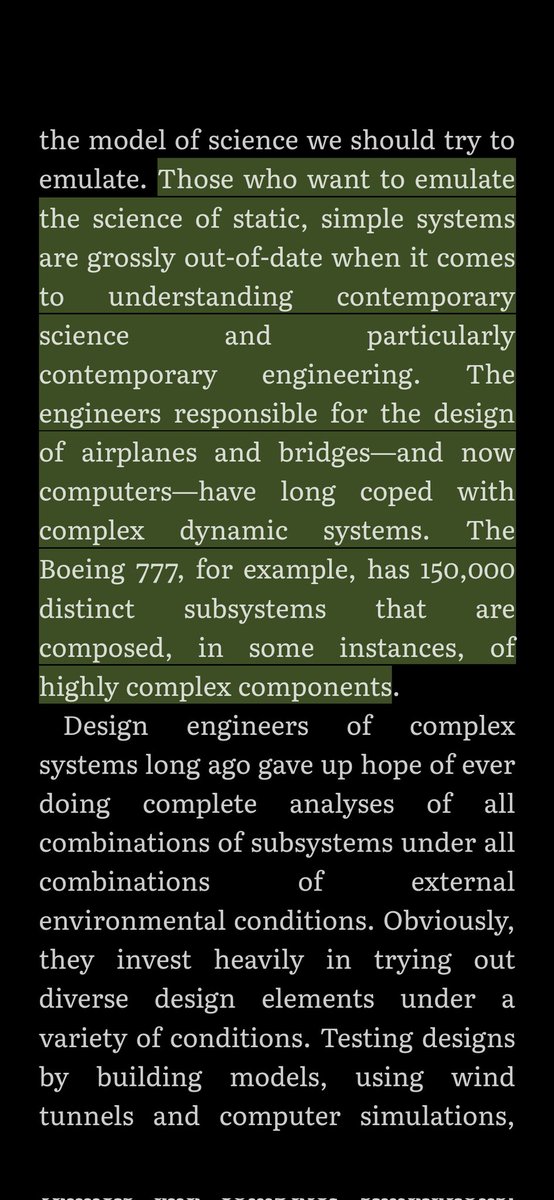
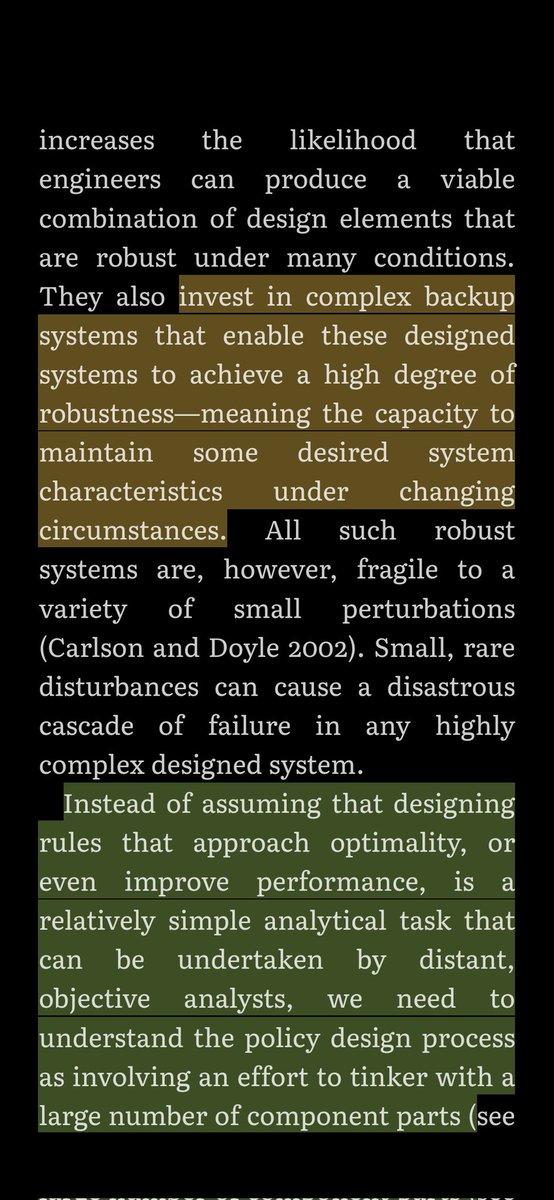
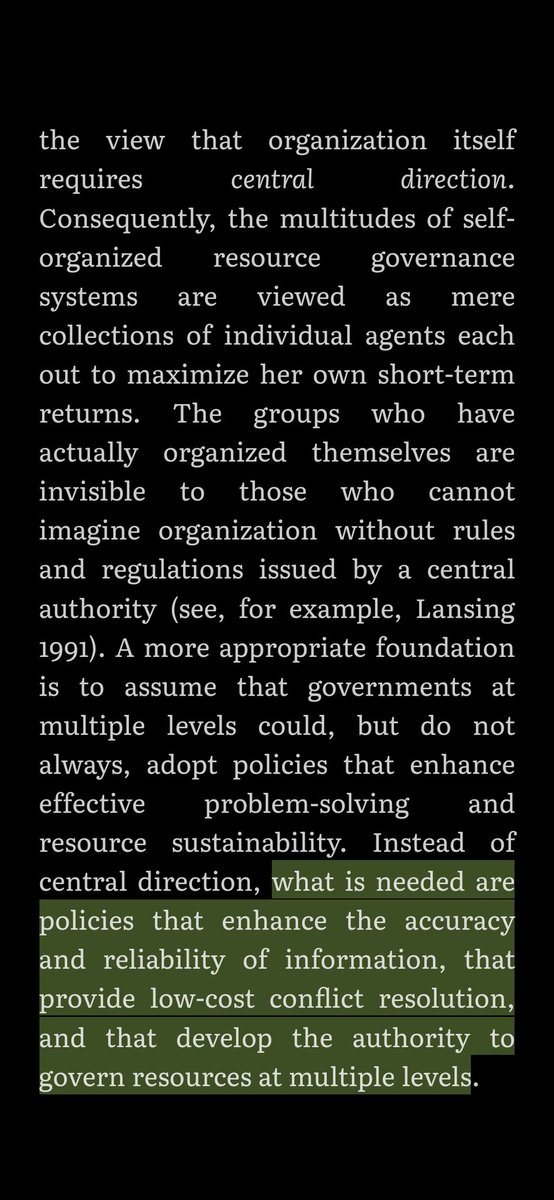
How many University Chancellery teams are approaching their policy like an engineering company designing an airplane, or an open source project designing APIs? Uni policy remains a mediaeval process of heralding dictums from the balconies of ivory towers. 🎺 🥁 👑
Let's play a game, with the following parameters:
1. Number of researchers = 10;
2. All researchers are paid equally and have equal scholarly standing, h-index = 5
3. All have shared values for equal rights to ARC funding;
4. All are part of the same discipline, same vocabulary
How then do we know which researcher was able to optimise the amount of ARC funding they received? And what quasi sanctions could be put in place to encourage greater efficiency of ARC funding?
The irony of gov't analysis is the desire to count via granular measurement, e.g how many OA papers are published; where 'graduated sanctions' like zones and/or quasi boundaries provide approximation and lossy participation.
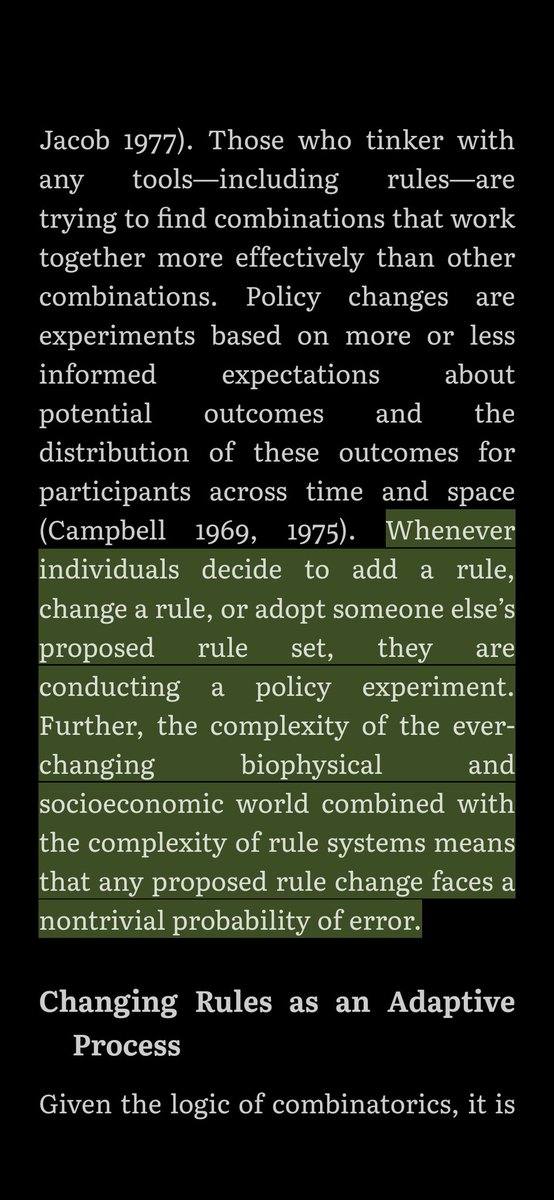
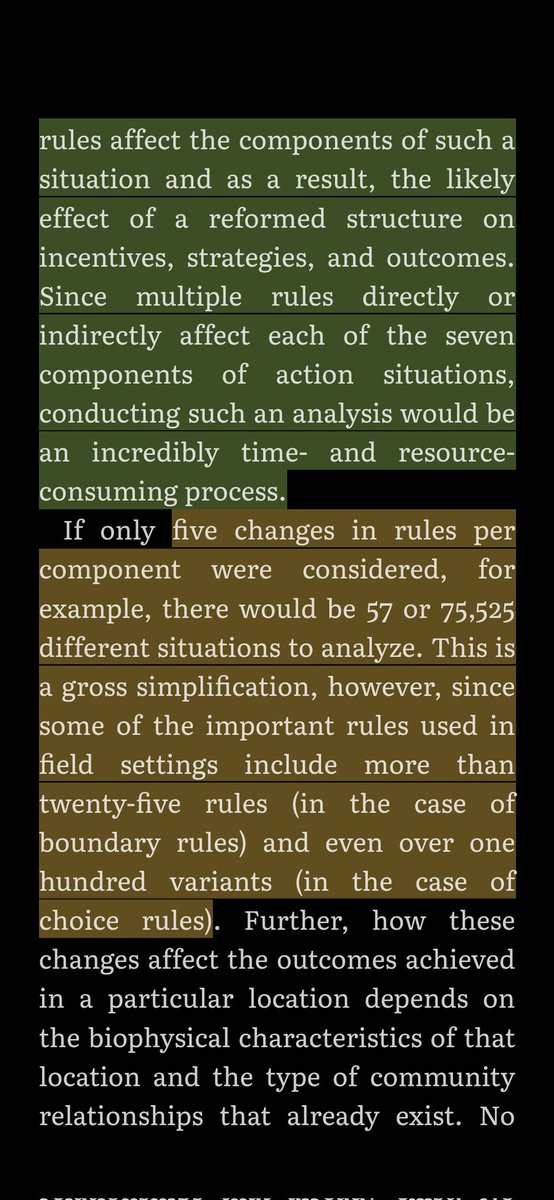
Why do institutions get policy so wrong? 1st: gross simplification of analysts for the permutations for policy implementation (mean: 75k game/policy situations); 2nd: 'rules without teeth' aka policy without sanction weakens the institutional commons.