⚠️ Algunas recomendaciones ante casos poco frecuentes de complicaciones neurológicas graves tras anestesia general en pacientes con linaje materno venezolano
🧬 Posible susceptibilidad mitocondrial asociada a la variante mtND4 m.11232T>C
💉 Entre las medidas propuestas:
▪️ cribado preoperatorio
▪️ valorar estudios genéticos
▪️ evitar anestésicos halogenados en pacientes de riesgo
▪️ reforzar monitorización y farmacovigilancia
🏥 Compartimos un resumen práctico junto con aportaciones de @grupofaquirsefh y @FarMIC_SEFH
ℹ️ Información orientativa y en continua revisión
💊 Can patients with a penicillin allergy safely receive piperacillin–tazobactam?
📊 The PIPPEN study found that 98% (187/191) of patients with a penicillin allergy tolerated piperacillin–tazobactam, including 100% of those with prior anaphylaxis.
https://t.co/yAd5szdoYB
🆕💥🟢Randomized pharmacokinetic trial with @jasonroberts_pk
Intrapulmonary penetration of ceftolozane/tazobactam and ceftazidime/avibactam administered by continuous infusion in critically ill patients with nosocomial pneumonia. #idxposts
https://t.co/BLmNY9EqbD
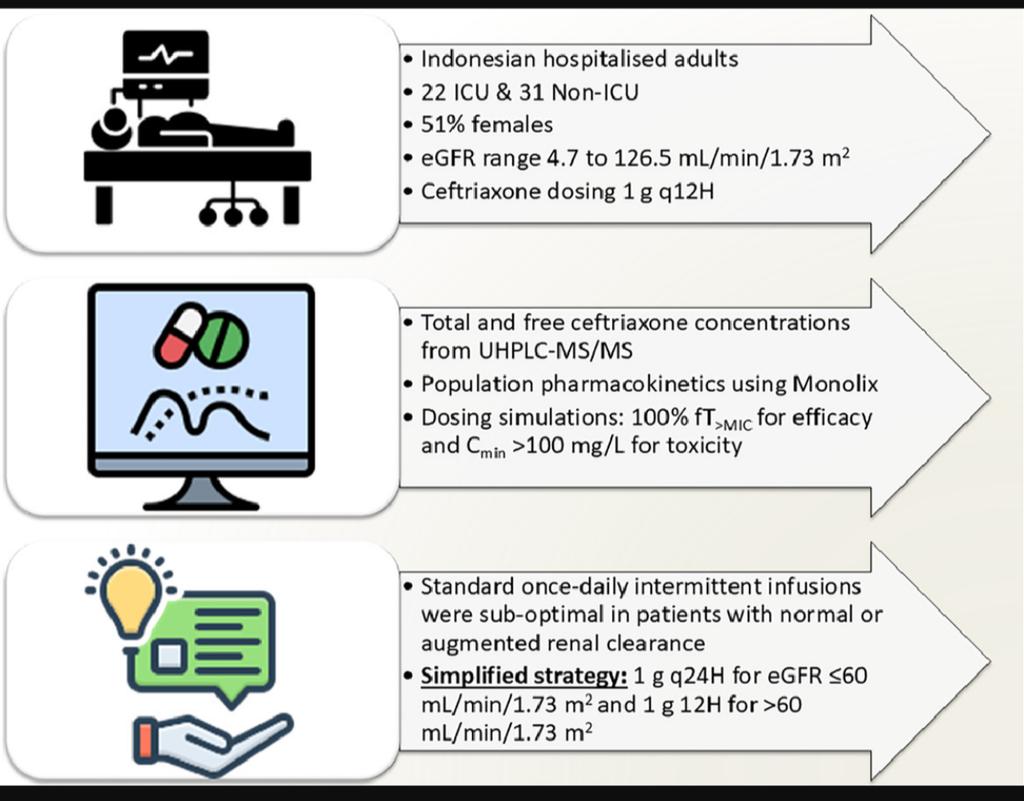
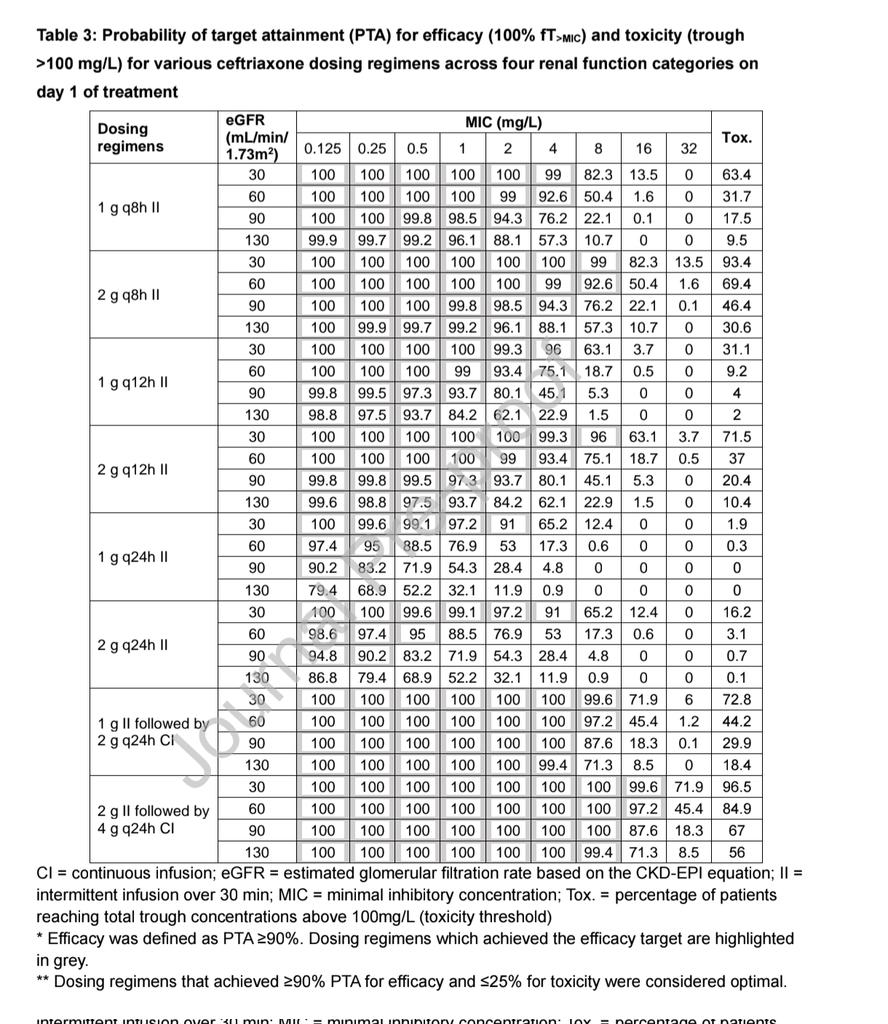
🆕💥🟢Population pharmacokinetics of total and free ceftriaxone in critically ill and non-critically ill hospitalised adults*
Once-daily dosing was sub-optimal in normal or ARC
1 g q24H for ≤60** & 1 g q12H for >60 is recommended #idxposts
https://t.co/SNYqaAVqCO
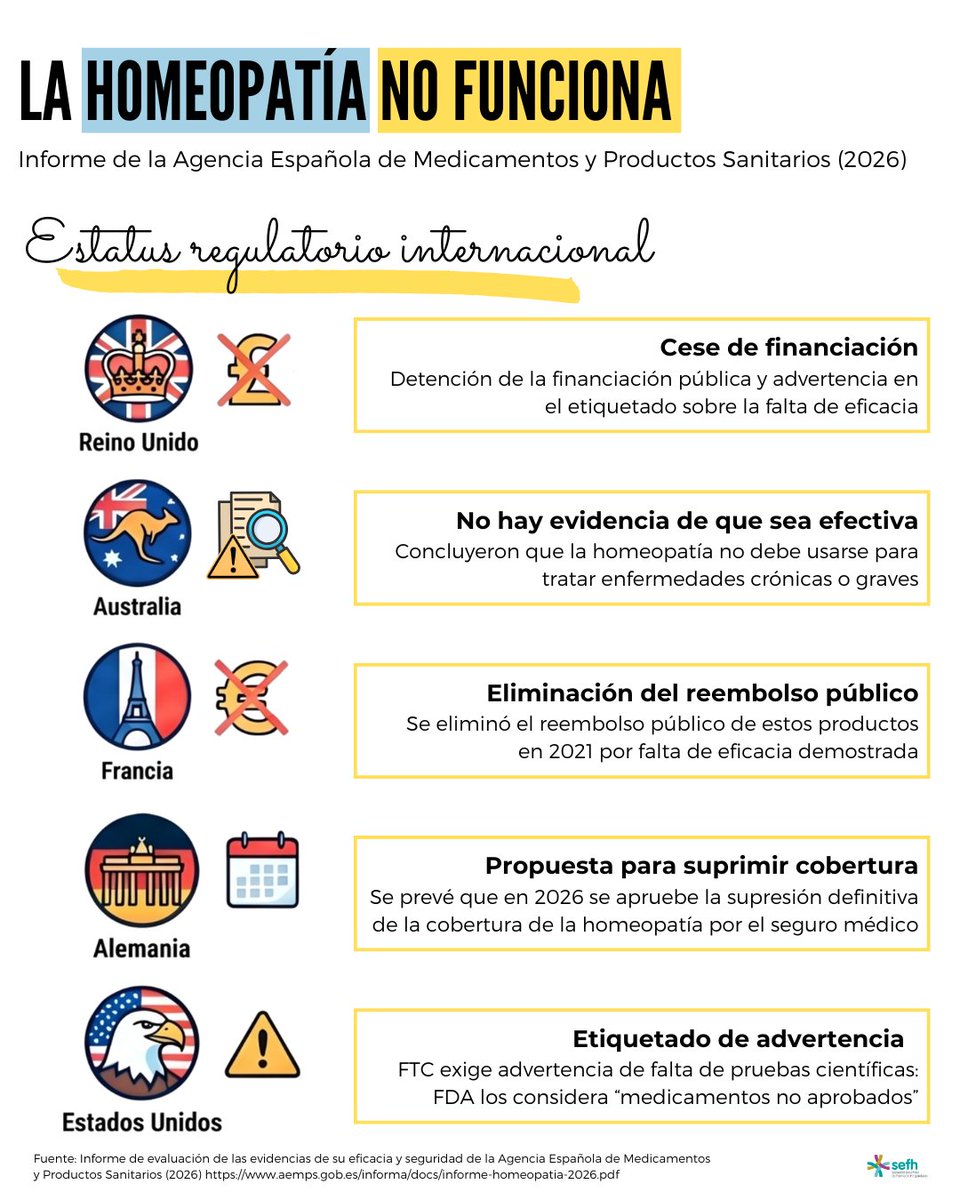
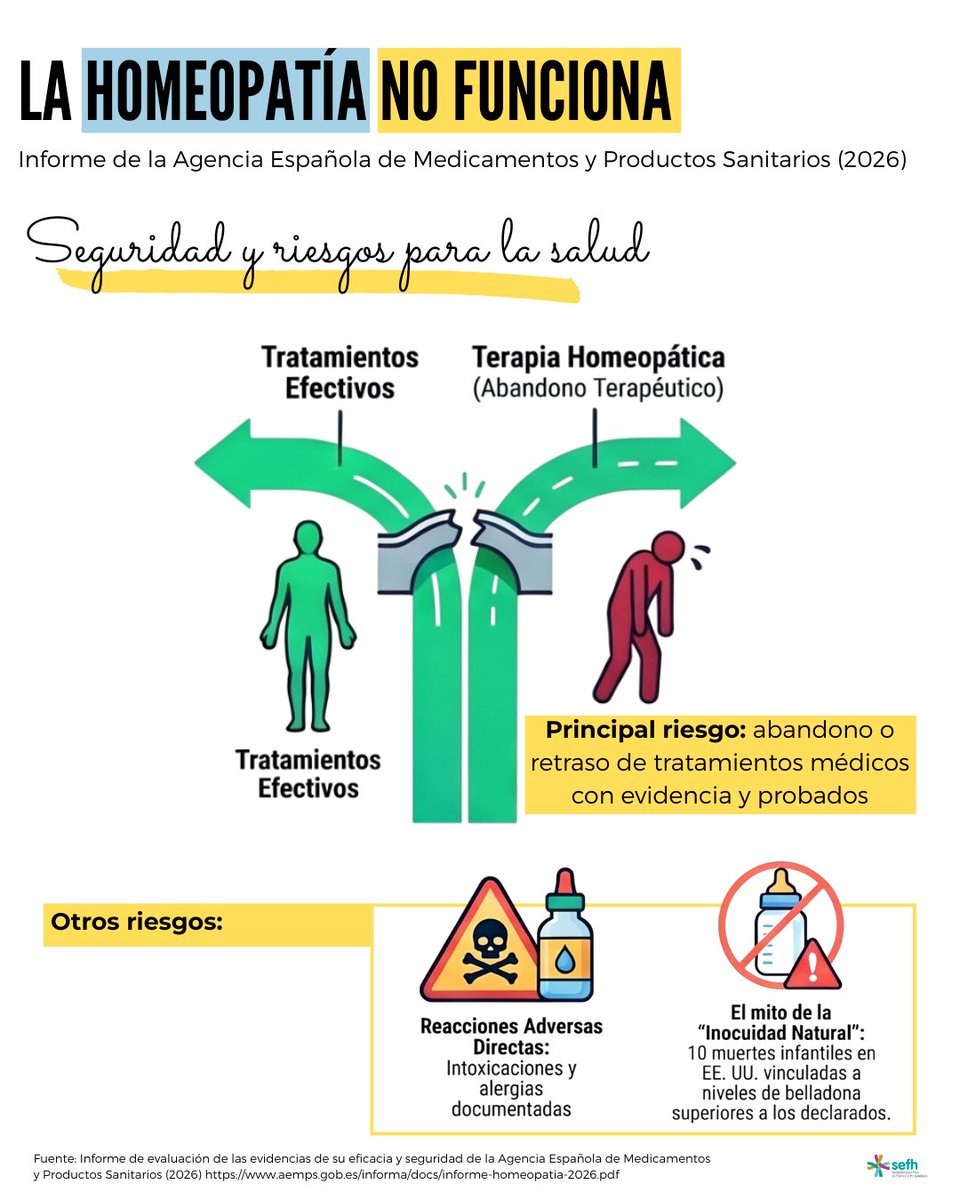
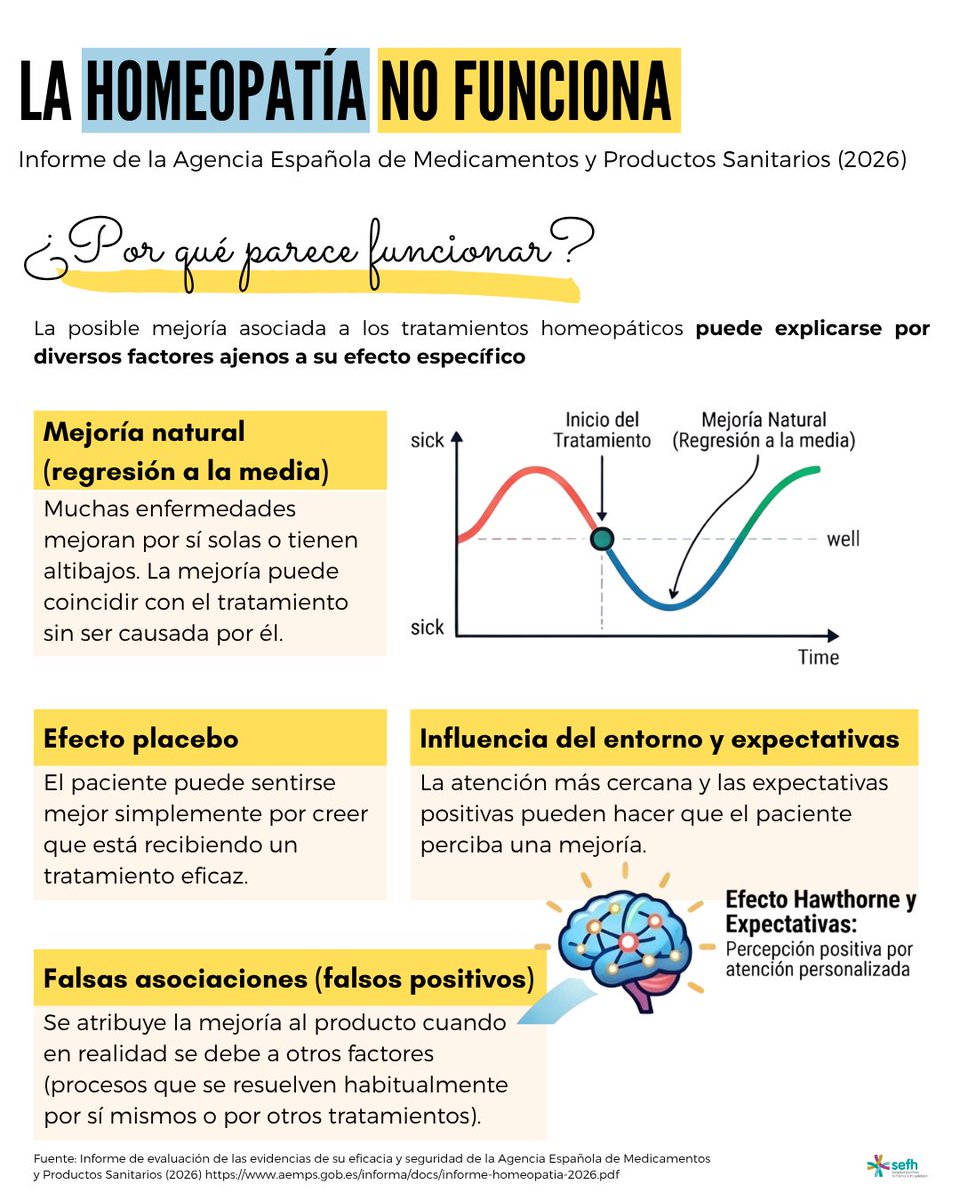
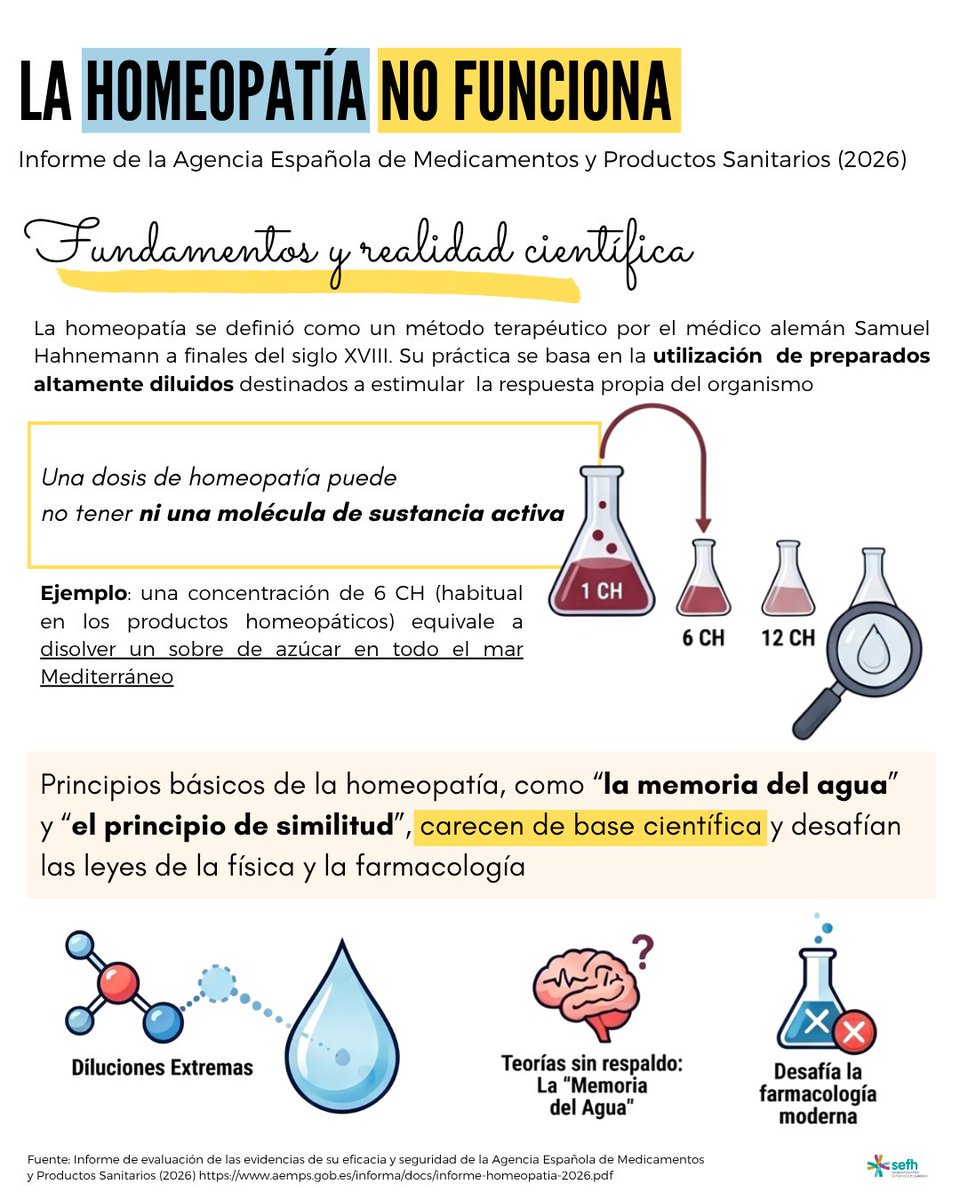
❌ La homeopatía no ha demostrado eficacia terapéutica
El reciente informe de la @AEMPSGOB lo confirma: resultados comparables al placebo y sin evidencia en ninguna patología
⚠️ Principal riesgo: retrasar o sustituir tratamientos eficaces
Ya está publicado el informe sobre homeopatía. (https://t.co/Zkxd9hQbfB)
🔴No hay evidencia de que tenga ningún beneficio clínico.
🔴Puede desplazar a otros tratamientos y, por ello, perjudicar la salud de quien la toma.
Afortunadamente, en España no se financia por parte del Sistema Nacional de Salud (en otros países sí, pero está en retirada y merece la pena leer en el informe algunas consideraciones sobre esos casos).
CRE RESPOND is proud to invite you our 6th Annual Worldwide Precision Dosing Seminar on Thursday 28 May 2026!
Join @jasonroberts_pk and international experts as they explore the latest advances in individualised antimicrobial therapy and the impact of precision dosing on patient outcomes and stewardship.
Event Details
📅 Thursday 28 May 2026
🕐12:00 PM – 1:00 PM AEST
💻 Attend in-person or online
💲 Free to attend
View the program and register: https://t.co/jDv4N71W4b
#CRERESPOND #PrecisionDosing #AntimicrobialStewardship #ClinicalResearch
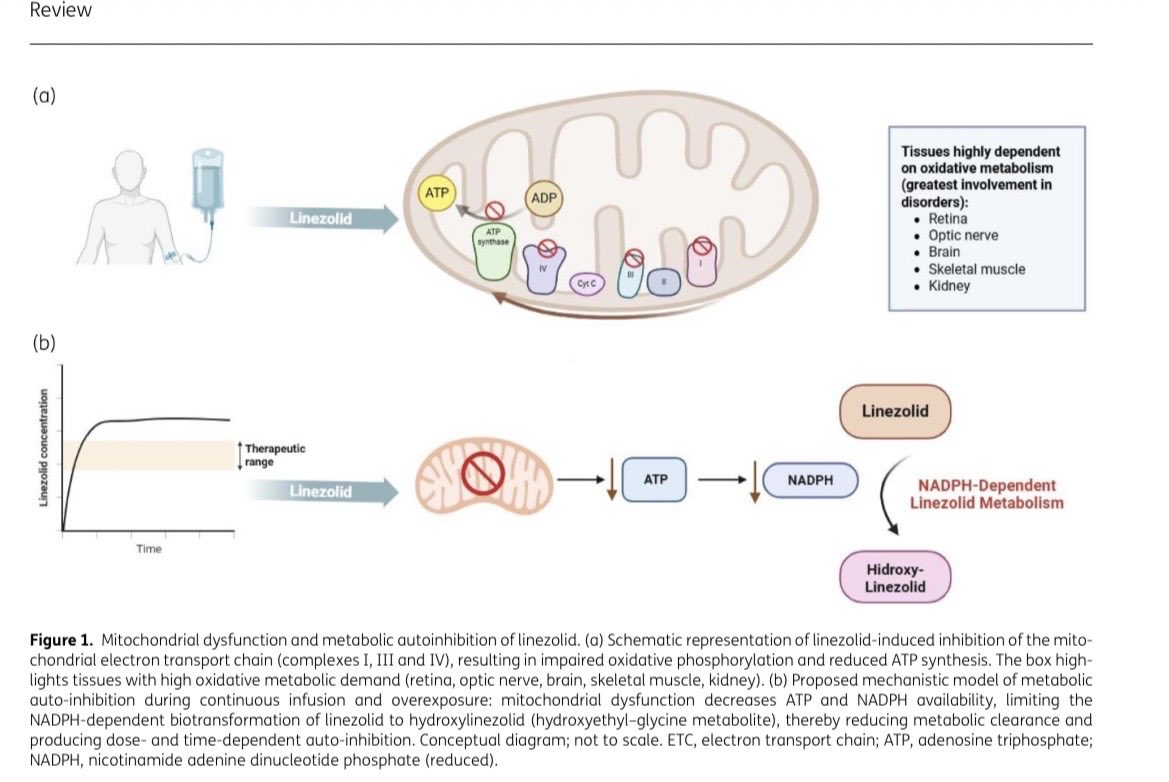
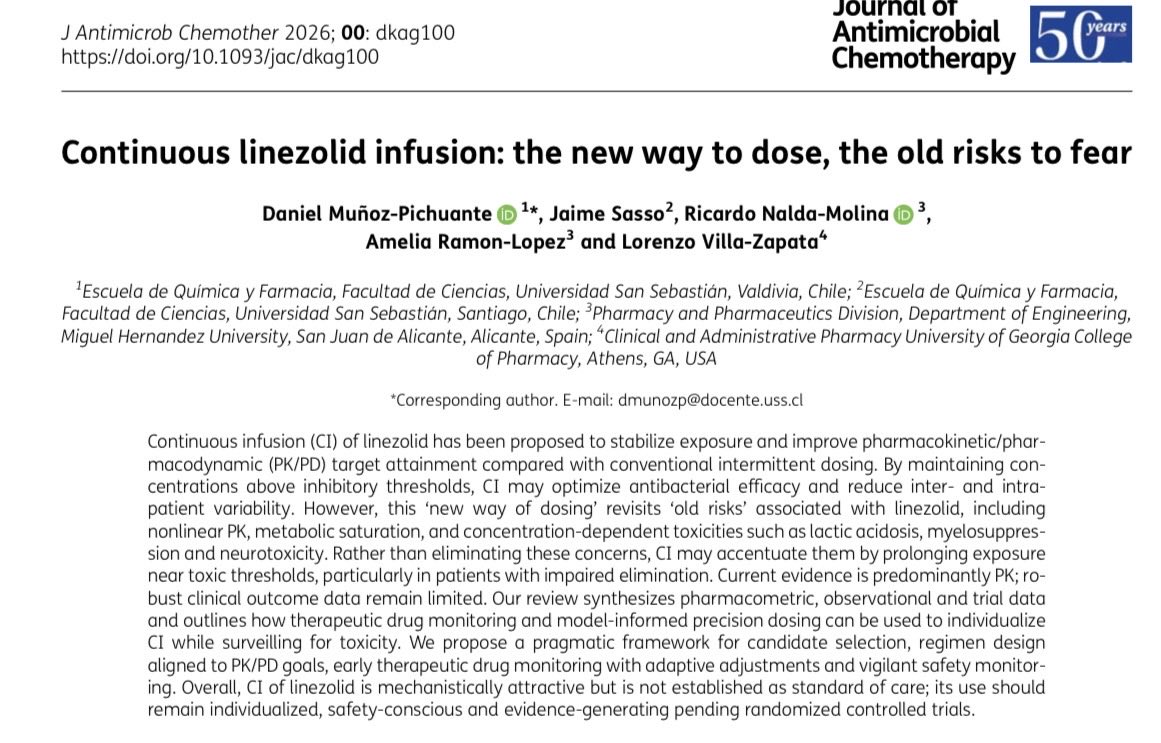
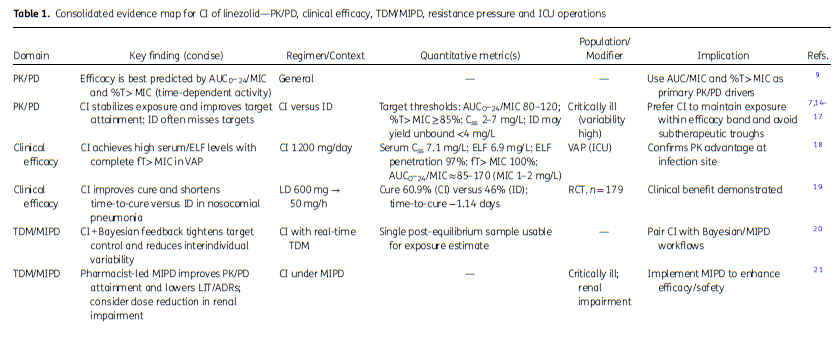
🔍Linezolid en infusión continua: nueva posología, viejos riesgos
👉Paciente crítico con infecciones por Gram + y variabilidad PK
👉Enfoque individualizado
👉PK no lineal y rx acidosis láctica, trombopenia
👉Auto-inhibición metabólica (3-6 días)
https://t.co/ElnL3Ee3mf
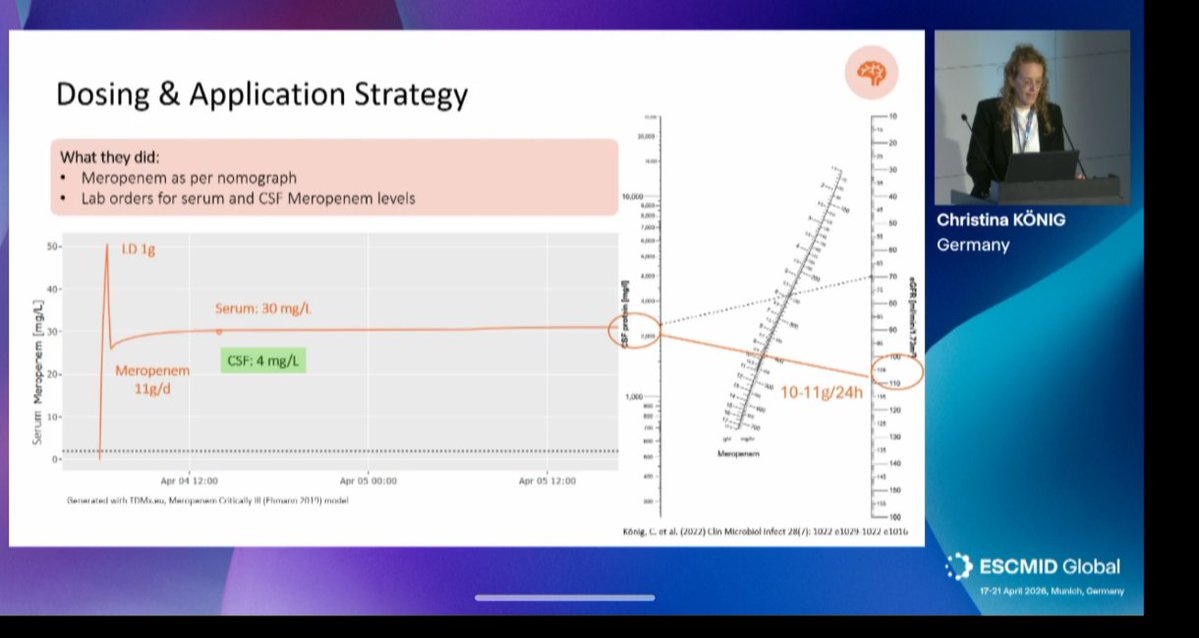
Meropenem dose in ventriculitis:
11 g/day needed to reach serum ~30 mg/L
→ translating to just ~4 mg/L in the CSF
CNS penetration remains a major limitation—even with aggressive dosing.
#ESCMIDGlobal2026
Who needs more evidence to stop placing central venous lines for short term vasopressor use with appropriate monitoring? Yet another study @JAMANetworkOpen shows low incidence of adverse events with avoidance of CVC in a substantial proportion of patients. https://t.co/F4EWBEXS9e
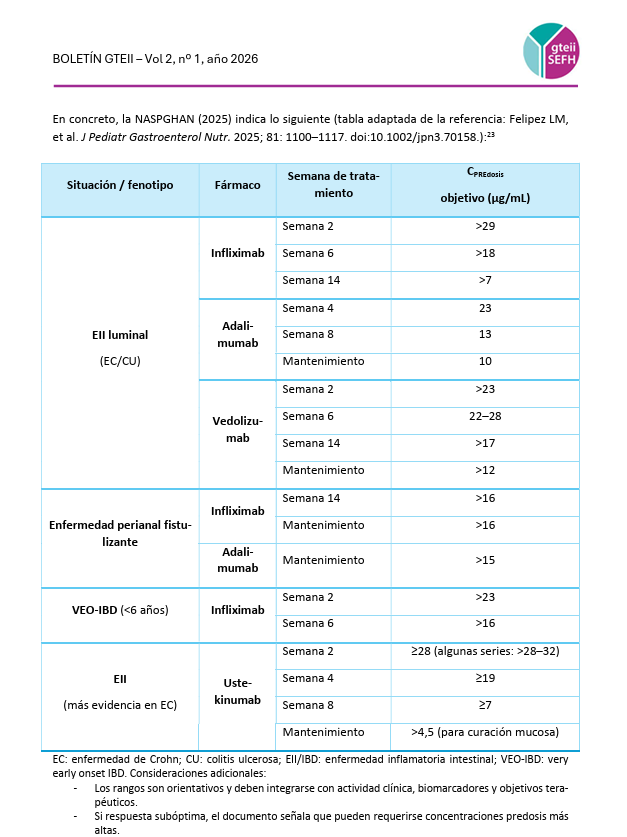
🧪💉👶 Monitorización farmacocinética de biológicos en enfermedad inflamatoria intestinal pediátrica
Nuevo boletín @gteii_sefh con claves prácticas para optimizar tratamiento
▪️ TDM proactiva → ↑ remisión (82% vs 48%)
▪️ Ajuste precoz clave (↑ aclaramiento en niños)
▪️ Rangos de niveles por fármaco y fase de tratamiento
🔗 https://t.co/6TkwcZqyXv
Clopidogrel is superior to aspirin for cardiac outcomes beyond 1-year up to 5-years. Results from the STOPDAPT-2 ACS and STOPDAPT-2 Total Cohort. Should it be a lifelong maintenance therapy? @HirotWatanabeMD@MNatsuaki@KoYamamoto7 https://t.co/SkorxNqlrS
🏥 Who should be admitted to the ICU? A question without simple answers.
A comprehensive review on ICU admission criteria and severity of illness highlights one of the most complex aspects of critical care: decision-making under uncertainty.
🔍 Key messages:
• There are no strict admission criteria—decisions rely on clinical judgment, physiology, and prognosis �
• ICU care is resource-intensive and must be allocated to patients most likely to benefit
• Severity scores (NEWS-2, APACHE II, ICNARC) are useful but cannot predict individual outcomes reliably
📊 Clinical triggers for ICU admission typically include:
• Shock (e.g., sepsis, cardiogenic)
• Respiratory failure
• Acute renal, neurological, or hepatic failure
• High-risk postoperative patients.
⚖️ The decision is guided by the four pillars of medical ethics:
• Autonomy
• Beneficence
• Non-maleficence
• Justice
👉 ICU admission is not just about survival
It is about meaningful recovery and quality of life
📖 A fundamental read for intensivists, anesthesiologists, and emergency physicians
https://t.co/HPivofnafl
#CriticalCare #ICU #MedicalEthics #Anesthesia #EmergencyMedicine
🫀 Vasopressin in Cardiogenic Shock: Are we underusing a key tool?
A recent ESC Heart Failure review provides a comprehensive analysis of vasopressin in cardiogenic shock, covering pathophysiology, clinical evidence, and therapeutic applications.
While traditionally associated with distributive shock, vasopressin may play a crucial role in selected cardiogenic shock phenotypes.
🔍 Key takeaways:
• Cardiogenic shock is a heterogeneous syndrome requiring phenotype-driven therapy
• Vasopressin offers a non-adrenergic mechanism, potentially improving perfusion pressure while reducing catecholamine-related adverse effects
• Particularly relevant in:
– Low SVR / mixed shock states
– Post-cardiac arrest shock
– Tachyarrhythmia-related cardiogenic shock
• Important to recognize scenarios where vasopressin may be detrimental.
🎯 The message is clear:
We should move toward physiology-guided, individualized vasopressor strategies rather than a one-size-fits-all approach.
📖 Highly recommended reading for intensivists and cardiologists managing shock.
ESC Heart Failure (2026) 13, xvag053 https://t.co/s8awez1jKj
#CardiogenicShock #Vasopressin #CriticalCare #Cardiology #Hemodynamics #ESC #ICU