@AtlanticCouncil's Digital Forensic Research Lab. Cultivating a global network of digital forensic analysts (#DigitalSherlocks) to combat disinformation.
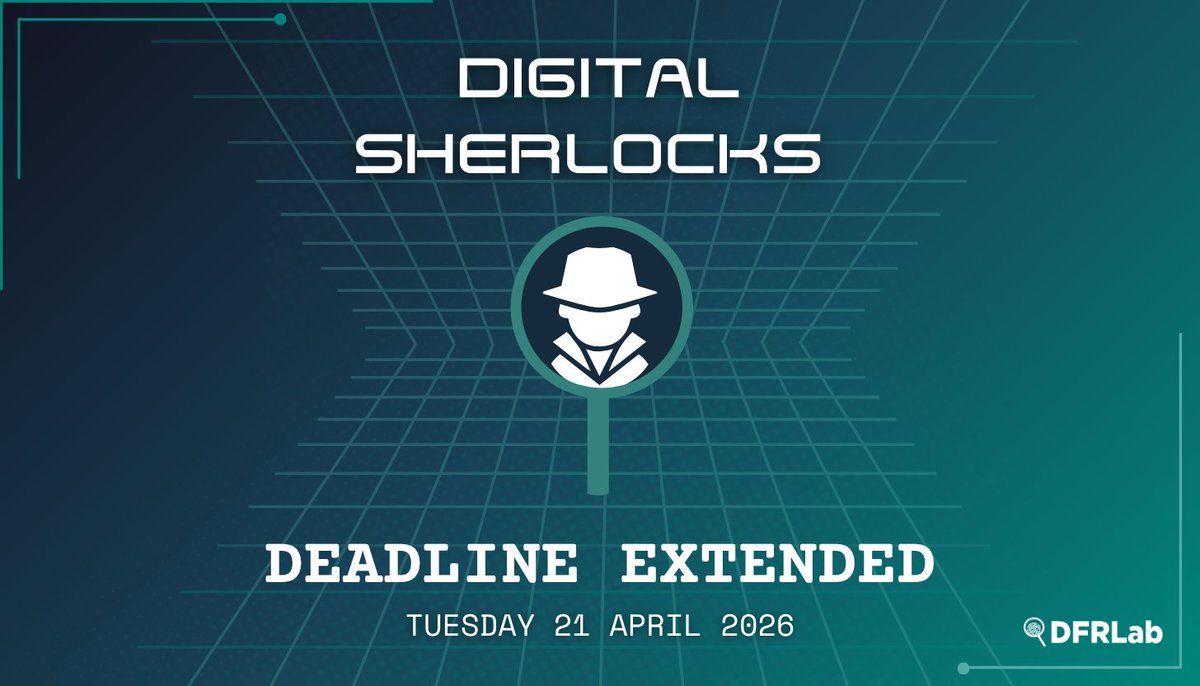
🚨DEADLINE EXTENDED 🚨
Good news: There's more time to apply to our 2026 cohort! We've extended the Digital Sherlocks deadline to 21 April @ 23:59 ET.
Apply now: https://t.co/Vxb0CcrGeg
⚠️El Gobierno de Venezuela ha tenido hackers a su disposición para violar derechos humanos ⚠️
Si quieres saber un poco más mira este video y revisa el informe "Los vigilantes en la mira", de @conexionsegura y @DFRLab
https://t.co/M1OLGnXy83
⬆️
🔵 Entregamos el informe "Los Vigilantes en la Mira" ante la representación en Venezuela de la Oficina del Alto Comisionado de Derechos Humanos de la ONU, en Caracas.
En esta investigación, elaborada en conjunto con @dfrlab, se revela un análisis detallado de las tecnologías de vigilancia que han sido usadas durante el Gobierno de Nicolás Maduro y que continúan aún hoy bajo la administración de Delcy Rodriguez: monitoreo en video, interceptación de telecomunicaciones, ciberpatrullaje y ciberataques.
Buscamos que estos hallazgos técnicos sirvan de sustento para los informes especiales sobre #DerechosHumanos que se desprenden de esta oficina, considerando los riesgos y el impacto que las prácticas documentadas generan sobre el derecho a la privacidad, a la libertad de expresión, a la libertad de asociación y a la participación política.
Te invitamos a leer la investigación completa, entender cómo operan estos mecanismos y ayudarnos a difundir la verdad sobre la censura y vigilancia en 🇻🇪.
Descarga el informe aquí:
⬇️
🔗 https://t.co/y2shSKhBBM
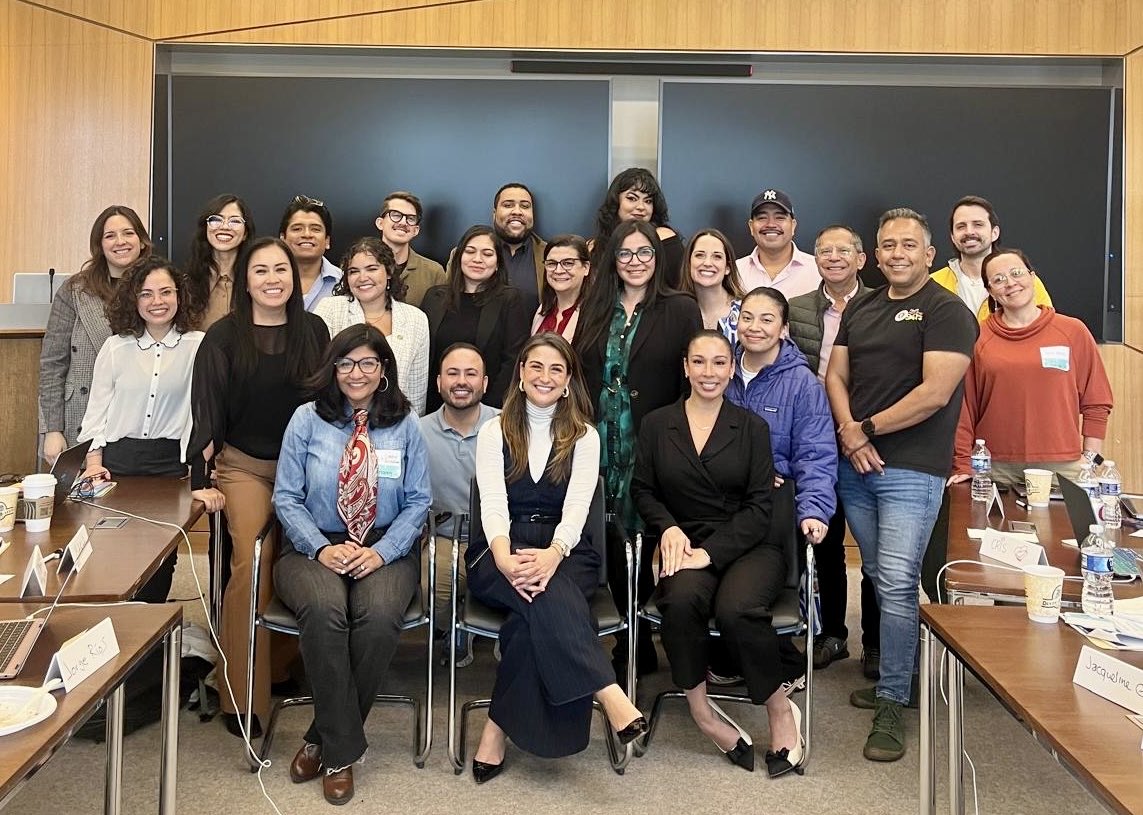
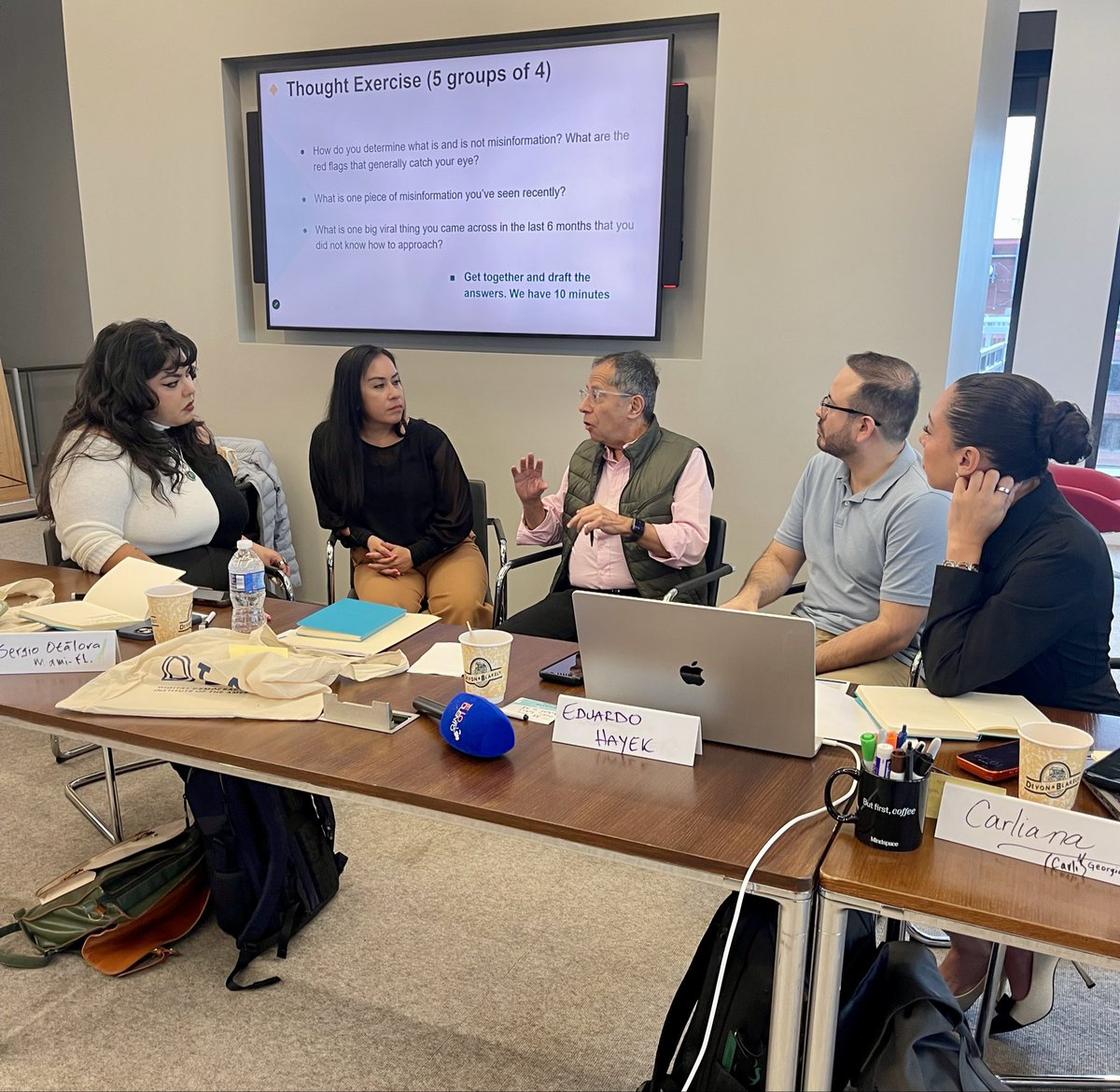
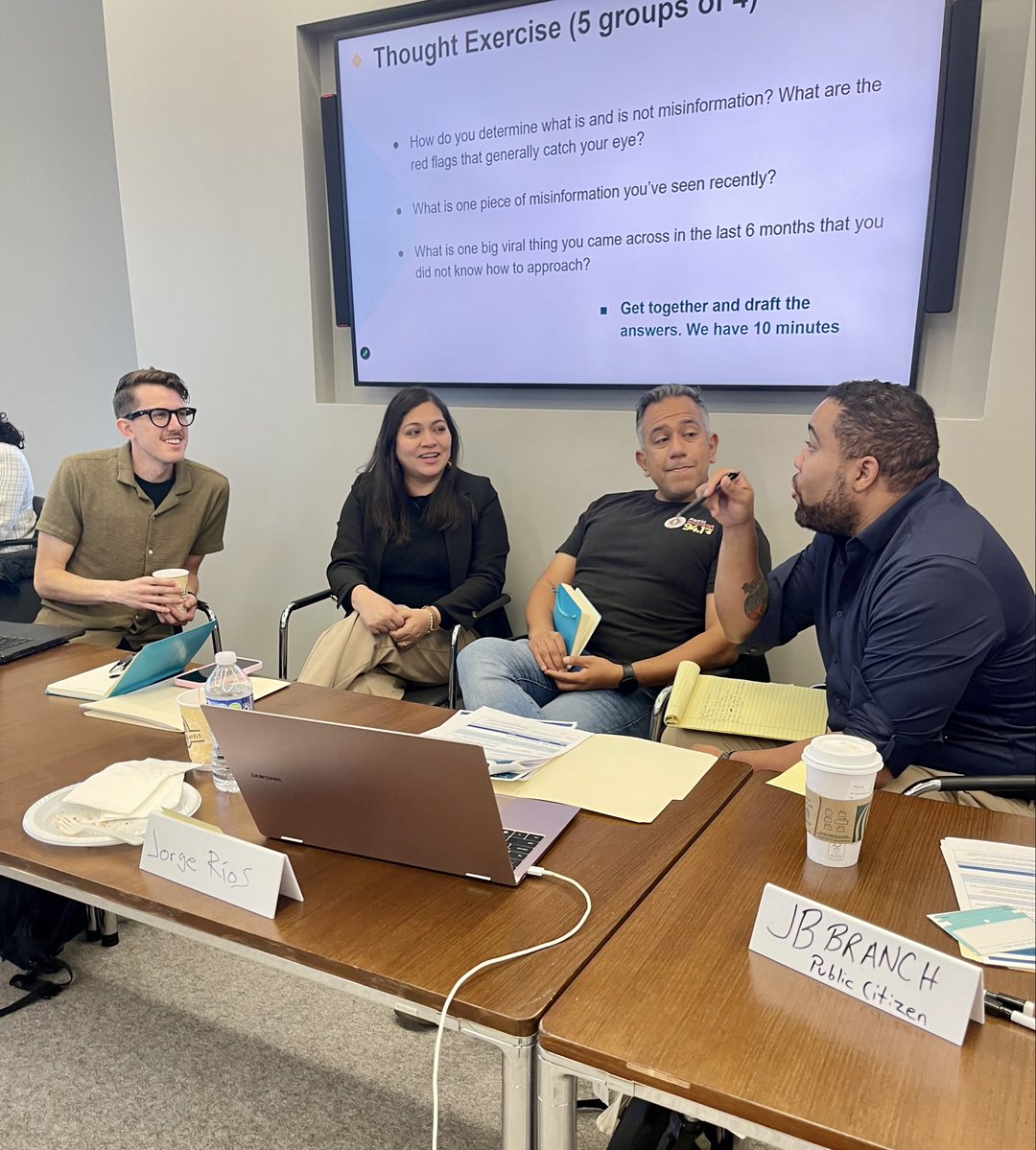
Kicking off LMDP 2026! DDIA welcomed to DC this week the Spring cohort of journalists, content creators, and civil society leaders committed to strengthening a healthier information ecosystem for Latino communities. Follow along as we dive into the program over the next 8 weeks!
A 100 días de la captura de Nicolás Maduro, "el extenso aparato de vigilancia tecnológica continúa operando".
En esta nota de @boonbar se ofrecen detalles del estudio 'Los vigilantes en la mira', hecho en conjunto con @DFRLab del @AtlanticCouncil.
Lee más ⬇️
LIVE NOW | Paul Garnett, Carlos Rey-Moreno, and Alessandra Lustrati join Jochai Ben-Avie to discuss how democratic countries can leverage their strengths to scale digital connectivity. https://t.co/lGQqInjKXY
If you’re working in journalism, research, or civil society and trying to make sense of what’s happening online...Digital Sherlocks is for you.
Applications for our 2026 cohort close soon.
Apply now: https://t.co/Vxb0CcrGeg
If you’re working in journalism, research, or civil society and trying to make sense of what’s happening online...Digital Sherlocks is for you.
Applications for our 2026 cohort close soon.
Apply now: https://t.co/Vxb0CcrGeg
Applications are now open for Digital Sherlocks 2026 🕵️♀️
Join a global cohort learning how to investigate online information, track influence operations, and strengthen information integrity.
🗓 Apply by April 14
🔗 https://t.co/Vxb0CcrGeg
Applications are now open for Digital Sherlocks 2026, a free, online program from the @DFRLab
Join a global cohort learning how to investigate online information, track influence operations, and strengthen information integrity.
🗓 Apply by April 14
🔗 https://t.co/hlHxdWplpu
🚨 La vigilancia no siempre está frente a ti
El informe “Los vigilantes en la mira”, de #ConexiónSegura y @dfrlab, revela el uso de drones para monitorear protestas y seguir a personas en tiempo real. Son equipos con capacidad de zoom avanzado que permiten identificar rostros y rastrear movimientos con precisión.
Para conocer el contenido completo del informe, visita https://t.co/y2shSKhBBM
En Venezuela, el sistema 911 ha expandido de forma acelerada la videovigilancia y solo en la segunda mitad de 2025 el número de cámaras aumentó en un 78%. A esto se suman cámaras de municipios, gobernaciones y hasta sistemas privados, a los que el Estado puede acceder.
El problema no es solo cuántas cámaras hay. Es cómo se usan.
Revisa el informe de #ConexiónSegura y @dfrlab "Los vigilantes en la mira: Tecnologías de vigilancia para el control político en Venezuela" https://t.co/y2shSKhBBM
Applications are now open for Digital Sherlocks 2026 🕵️♀️
Join a global cohort learning how to investigate online information, track influence operations, and strengthen information integrity.
🗓 Apply by April 14
🔗 https://t.co/Vxb0CcrGeg
DDIA and the @DFRLab are happy to introduce the 20 Latino journalists, content creators, and civil society leaders selected for the LMDP program this Spring! Get to know the participants!
https://t.co/SaVqPHhRq7
The 2026 #LMDP cohort is here!
@DDIAmericas and the DFRLab are proud to welcome 20 journalists, content creators, and community leaders exploring AI, media, and information integrity.
Meet them: https://t.co/axcArPvxXn
We are aware of emails sent by a user impersonating Atlantic Council President and CEO Frederick Kempe. The emails are not authentic. We encourage those who have received these emails to report them to relevant authorities. Information here: FBI’s Internet Crime Complaint Center https://t.co/KiU9PsmTuO
Pleased to open today's event that launched an important @AtlanticCouncil@DFRLab#Venezuela report co-authored by @NSC that calls attention to how political surveillance infrastructure continues to operate in #Venezuela as well as some of the nefarious actors behind it.
We have documented the use of “GPS trackers installed outside and inside the vehicles of families of political prisoners,” says @conexionsegura’s Andrés Azpurúa.
Another significant finding is the extensive use of government apps that require very sensitive information, he adds.
Social media surveillance remains a significant threat to freedom of expression in Venezuela, says @conexionsegura’s Andrés Azpurúa.
“It continues to be illegal” to “celebrate or share positive opinions of the events” of the January 3rd US capture of Nicolás Maduro, he adds.