[Accepted Manuscript]
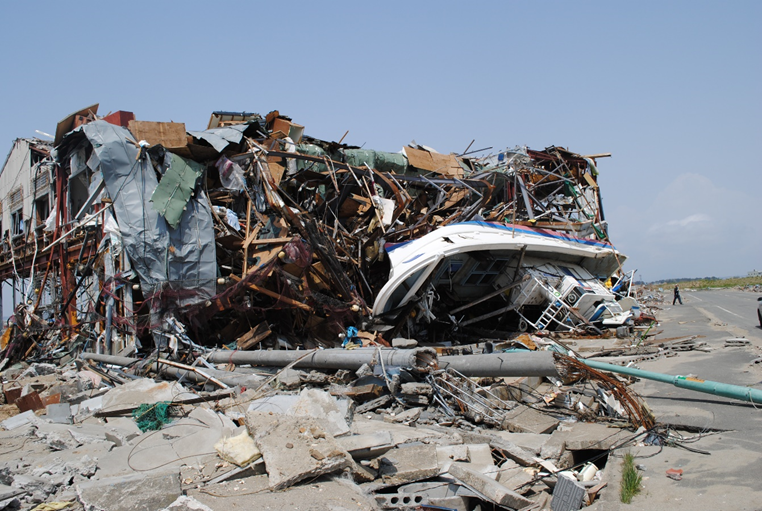
📷 New Evidence of a Giant Tsunami in the Arctic! 📷
Did you know a massive tsunami nearly 8,000 years ago reshaped parts of the Arctic seafloor?
Our team from (Dhanuska et al. @eDNA_IOPAN) has just published striking evidence in Scientific Reports.
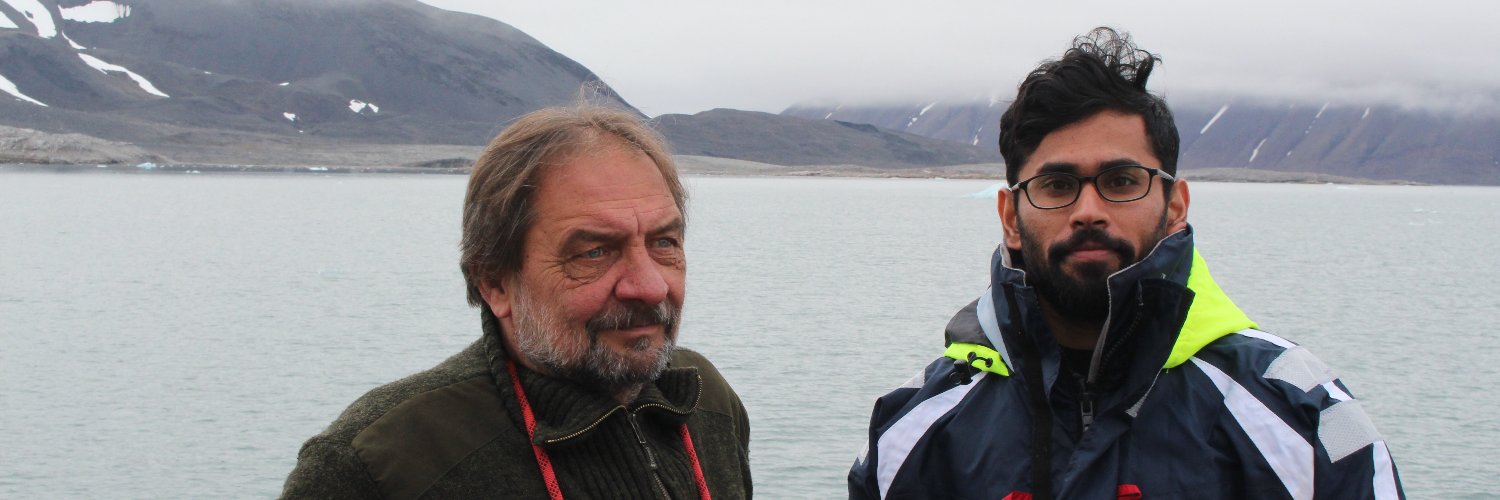
PhD successfully defended! 🎓✨ A heartfelt thank you to the National Science Centre Poland and @CushmanFdn (Johanna M. Resig Foraminiferal Research Fellowship) for their invaluable support and funding. Your contributions made this milestone possible.
I’ve handled the review of > 1000 papers at @nature. Over time, you notice aspects of presentation on which reviewers tend to comment. In the interests of minimizing hassles during review, I offer the following suggestions (a bit targeted to climate papers).
The 5th PalaeoArc Conference will be held between May 27-29, 2024 in Stockholm, Sweden. Details will be available at the start of January. In the meantime please save these dates, and spread the word to your colleagues and students. https://t.co/Ce8RuWaRI0 @PalaeoArc
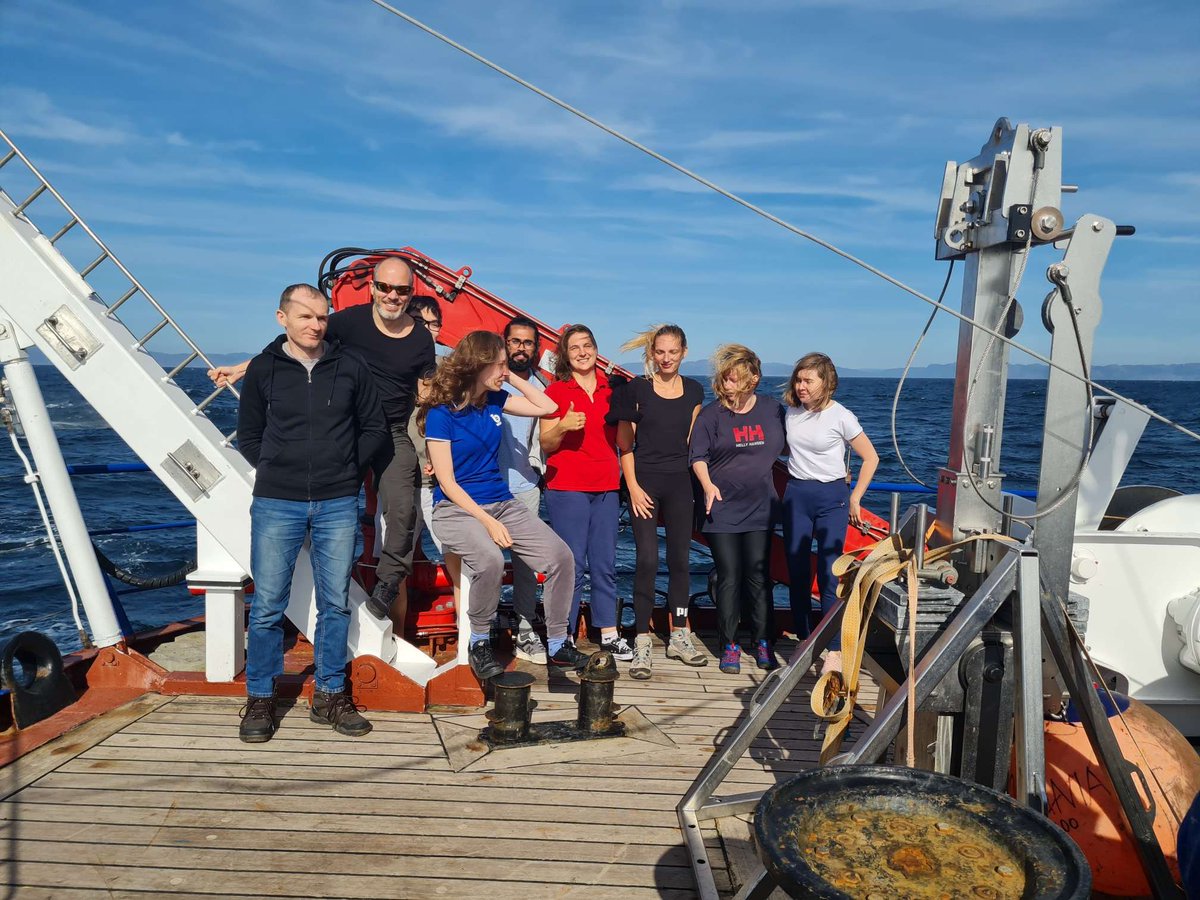
We have returned from the last NEEDED cruise. On Saturday at 8am we reached the mother port of R/V Oceania- Gdańsk. The weather didn’t spoil us, but we still managed to gather all of the crucial data. Stay tuned and see you soon in October.
#Arctic#sedaDNA#paleoceanography
New paper alert⚠
Our new study delves into Holocene water mass dynamics and their impact on sea ice and the environment. From cold Arctic currents to warm Atlantic current expansion, journey through millennia of change in this remote corner of the world.
https://t.co/SXInpuALzt
The tipping point of the Atlantic overturning circulation in under 10 Minutes: watch my keynote at the Exeter conference on Climate Tipping Points. #AMOC
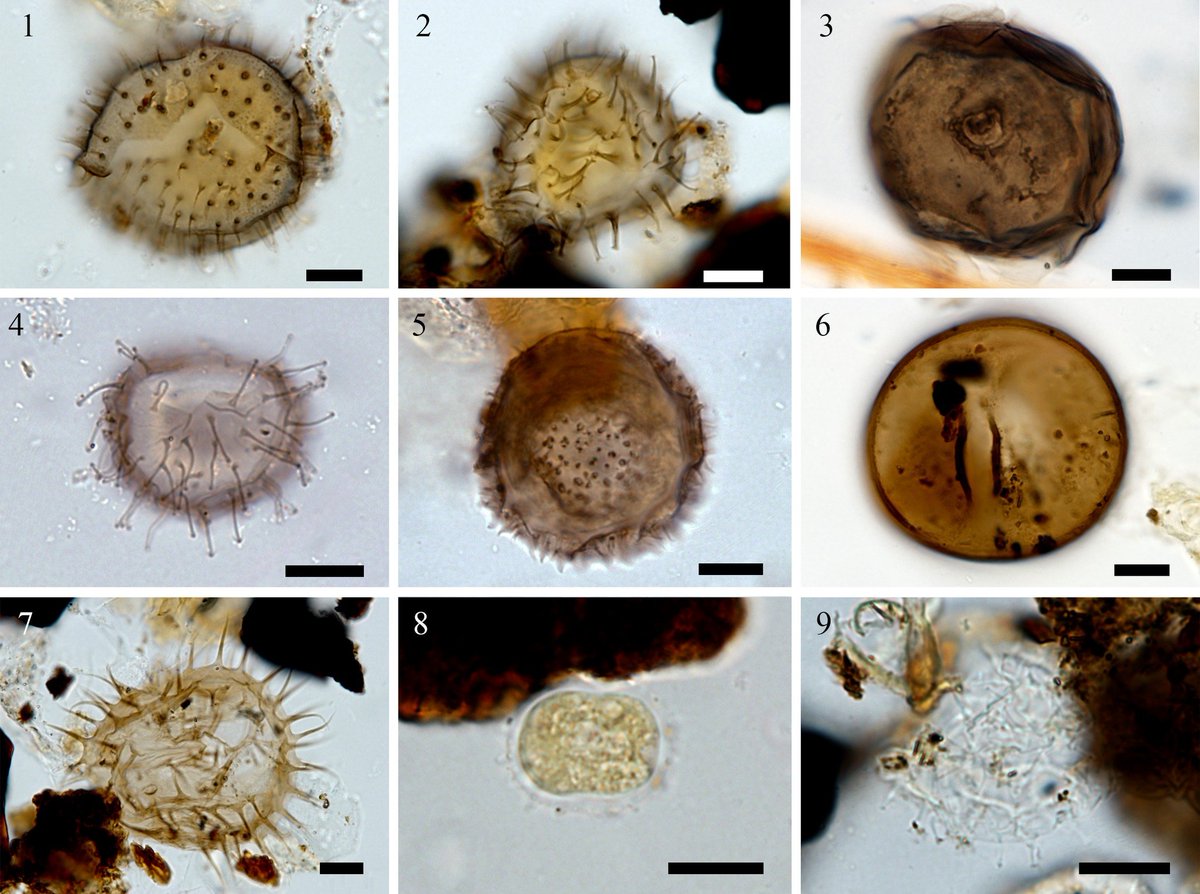
We are excited to share that our recent research paper on using Dinoflagellate cysts and benthic foraminifera from sediment samples around Svalbard as indicators of past environments has been published online!
https://t.co/RHGUSdDs2x
Attn Early-career scientists (ECRs) who are also Developing-Country Researchers (DCRs) in Quaternary Science -- Apply for an INQUA Fellowship!
**Note: deadline has been extended to September 15, 2023!
Application Details and forms are online here:
https://t.co/4rzea9F5Sz.
Gained other skills ! 😎😻����🍪🏅
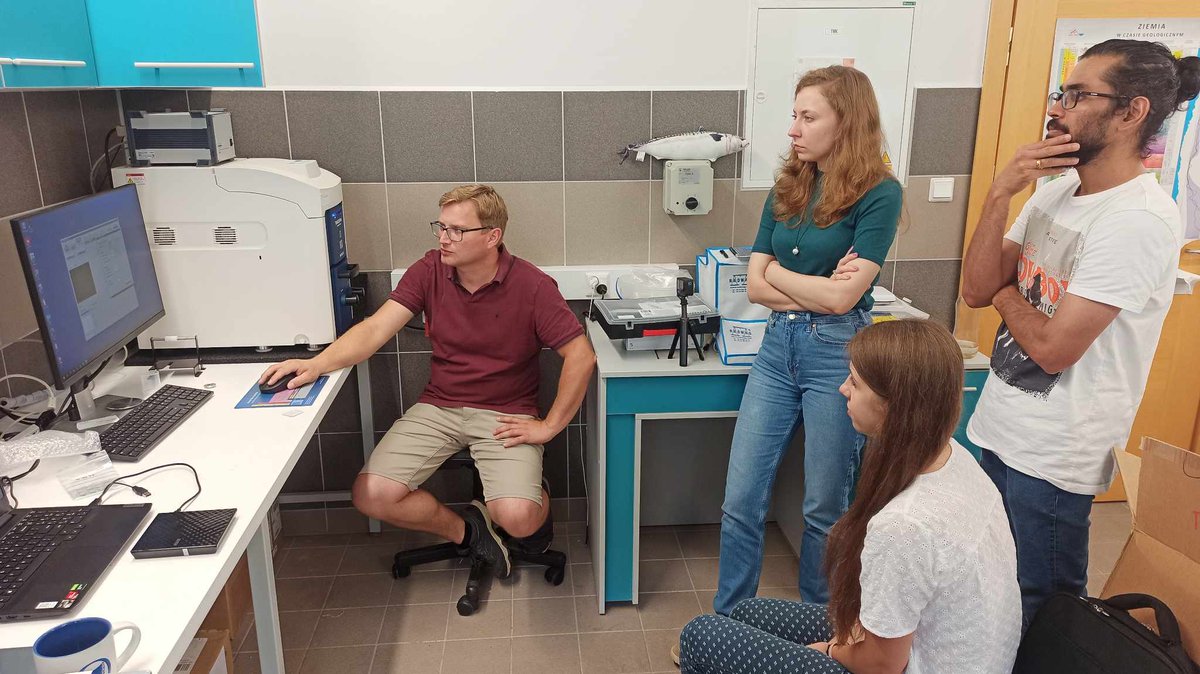
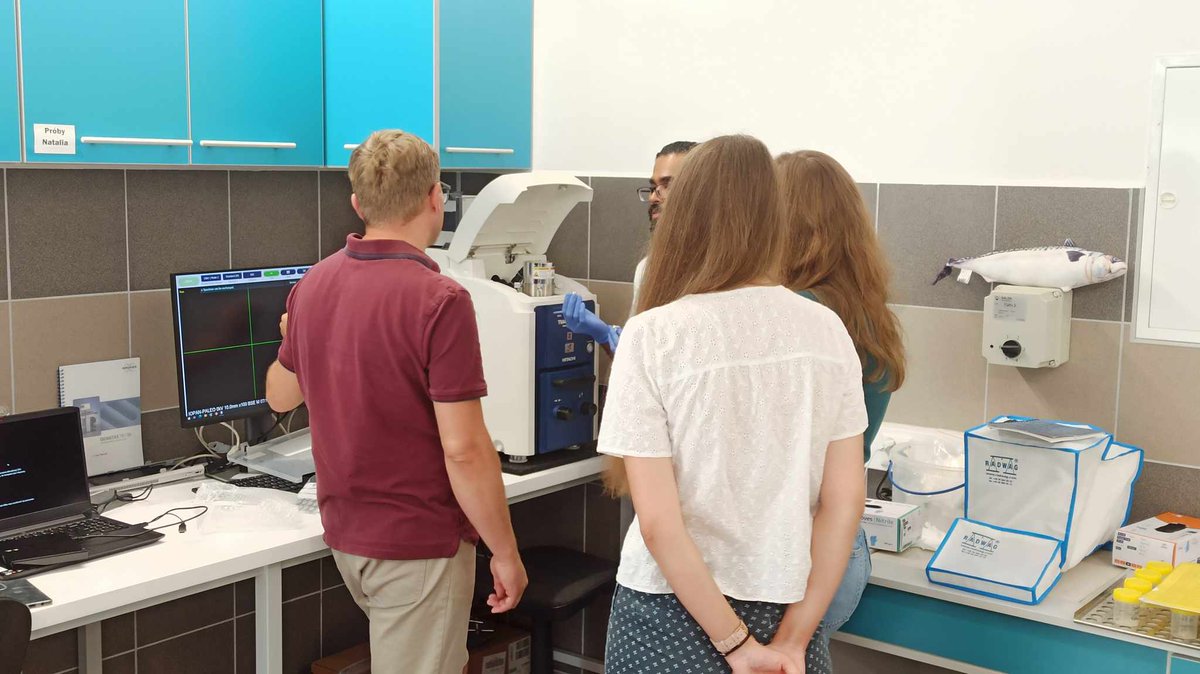
After #SEM, now, we got #EDS (energy dispersive X-ray spectroscopy) ready for chemical #foraminifera analysis in Lab of Paleoceanography #InstytutOceanologiiPAN.
📢We have an open #PhDposition for metagenomics/metabarcoding #sedaDNA, in project: "Atlantification of the European Arctic through geological times: new insights from ancient sedimentary DNA." #InstytutOceanologiiPAN
Visit us at: https://t.co/dHQe2nx7qY for details. Please RT.
OUT NOW 🔬🧬🧪 Sedimentary ancient DNA: a new paleogenomic tool for reconstructing the history of marine ecosystems, from modern to ancient via @NEEDEDIOPAN #sedaDNA
https://t.co/XWRrgfZ4Rh
A new Master's Degree in 'Geohazards and Climate Change' is offered for international students at Adam Mickiewicz University, Poznań (@UAM_Poznan). The course will be led by experienced staff from the Faculty of Geographical and Geological Sciences. More: https://t.co/8c5X8ipDLv
🧶 1/9
The massive currents swirling around Antarctica are a crucial driver of the global network of ocean currents that transport heat, carbon, oxygen and nutrients around the world. How will this lifeline change on a warming planet?
[animation: @NASAViz]
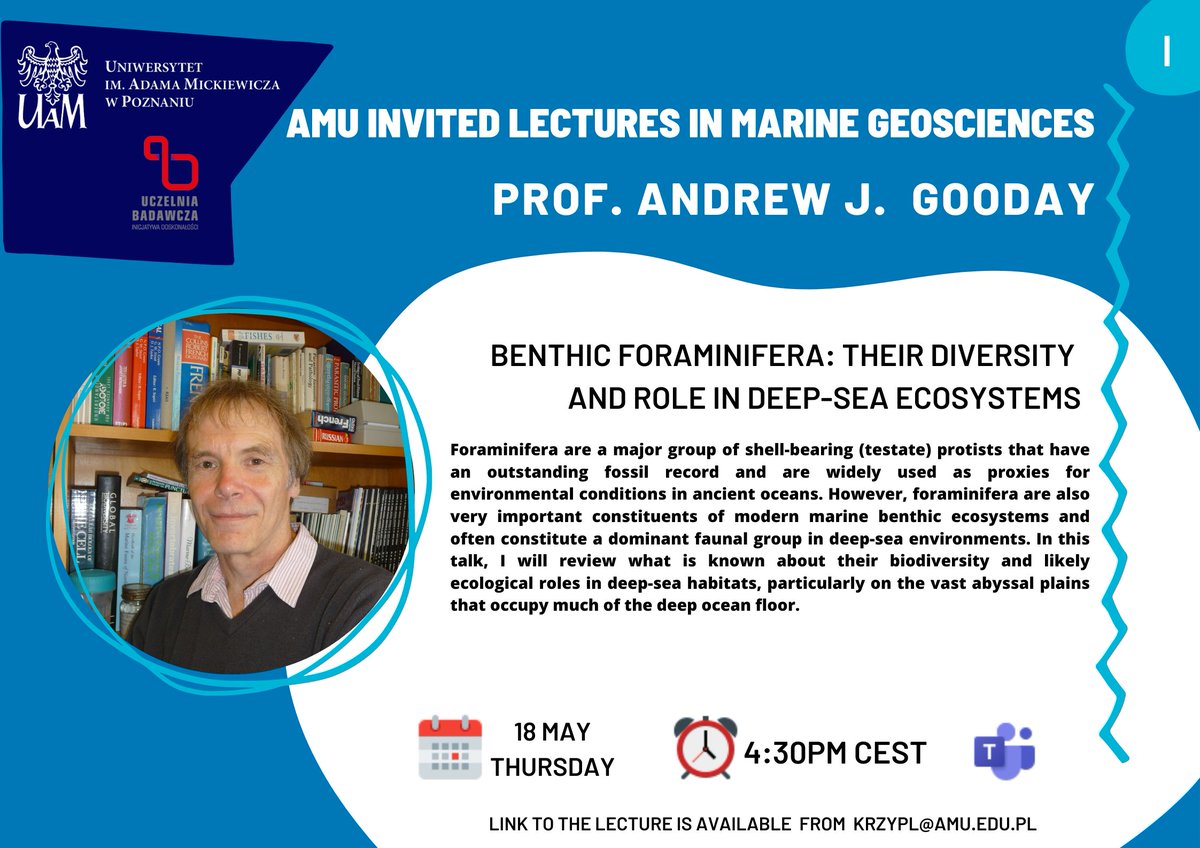
Next week - open online lecture! On Thursday (18th May) at 16:30 CET, prof. Andrew J. Gooday (National Oceanography Centre - Southampton, UK) will give a lecture: 'Benthic foraminifera: their diversity and role in deep-sea ecosystems'. The link is: https://t.co/hmK54rPj5K
A striking visualization of human-caused climate change - watch what happens in the Arctic... 🫠
Temperature anomalies by latitude band (zonal mean) from 1880 to 2022. Visualization produced by @NASAViz at https://t.co/Tu8aN47qlq. Data from @NASAGISS at https://t.co/8pB26JbSzJ.
Between 2018 and 2021, KIV Steenstrup Nordre Bræ in Greenland retreated 7 km and quadrupled in velocity. It's now in the top 10% of glaciers contributing to Greenland's discharge. Our new paper in Nature Comms: https://t.co/1pfo4b2XJf
@ByrdPolar @Michalea_King @PolarScience_UW