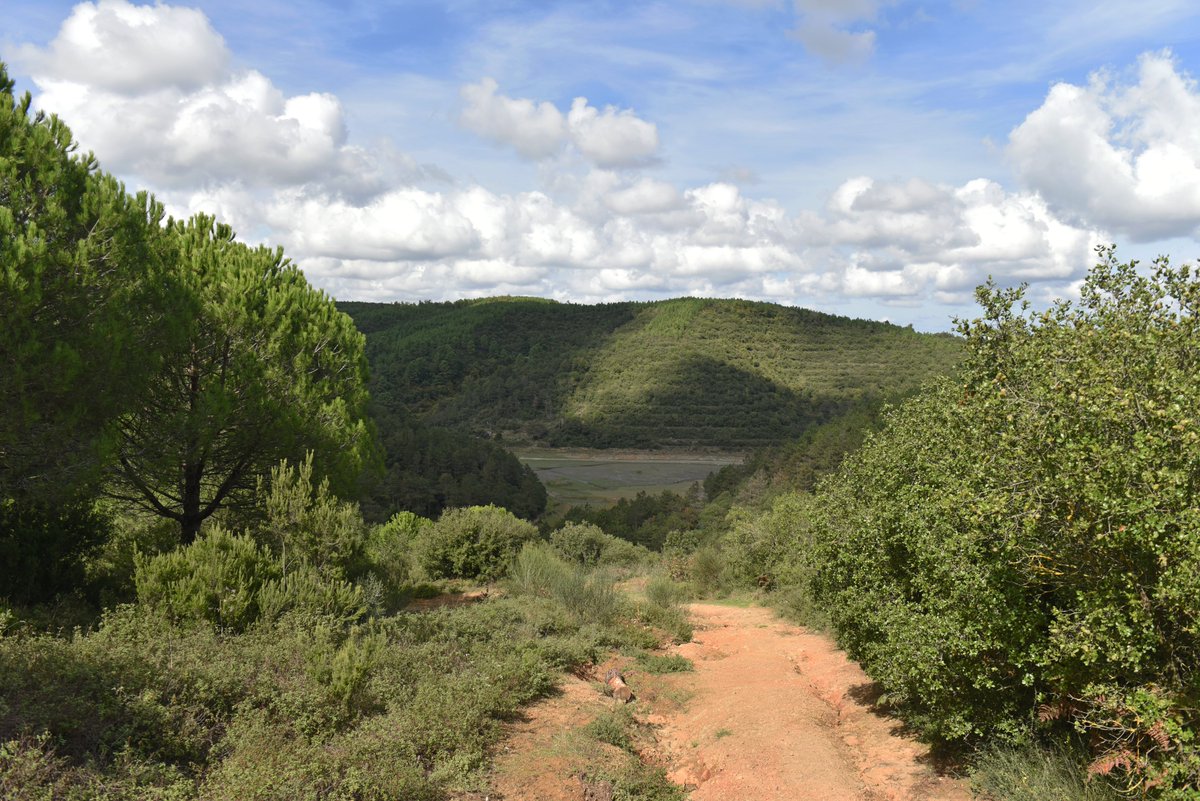
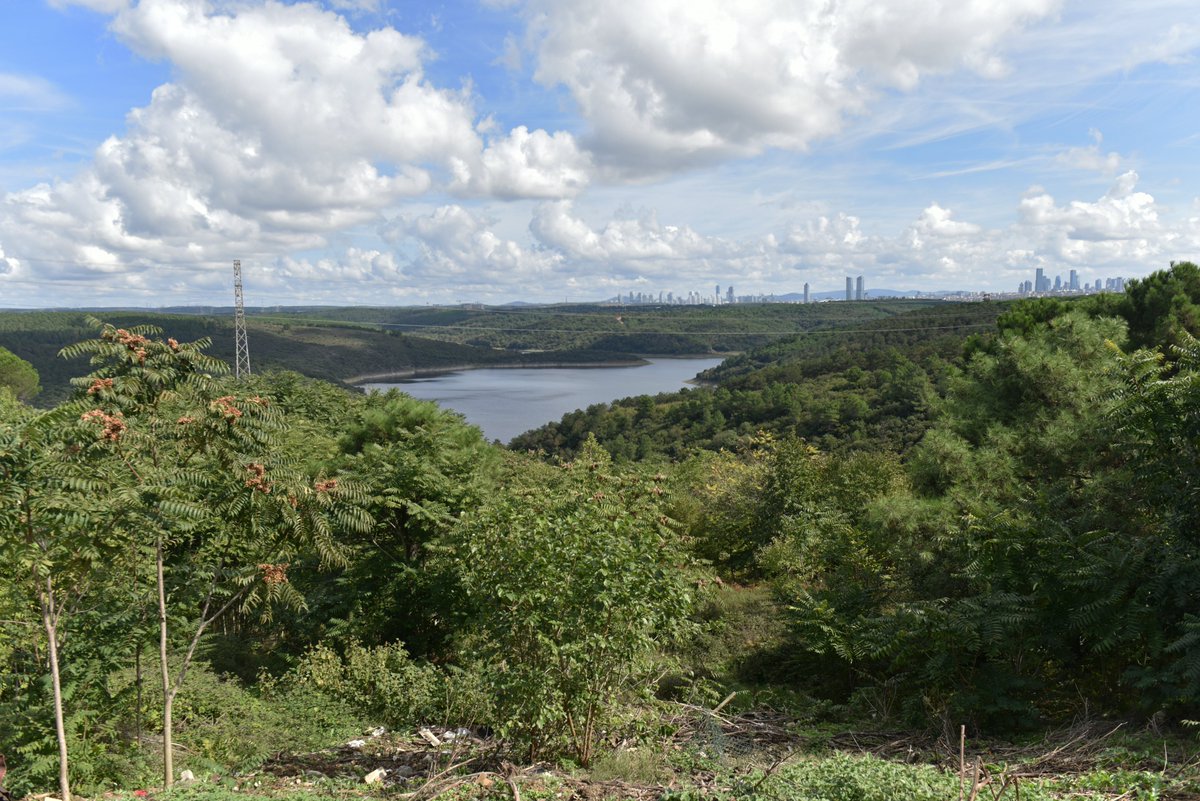
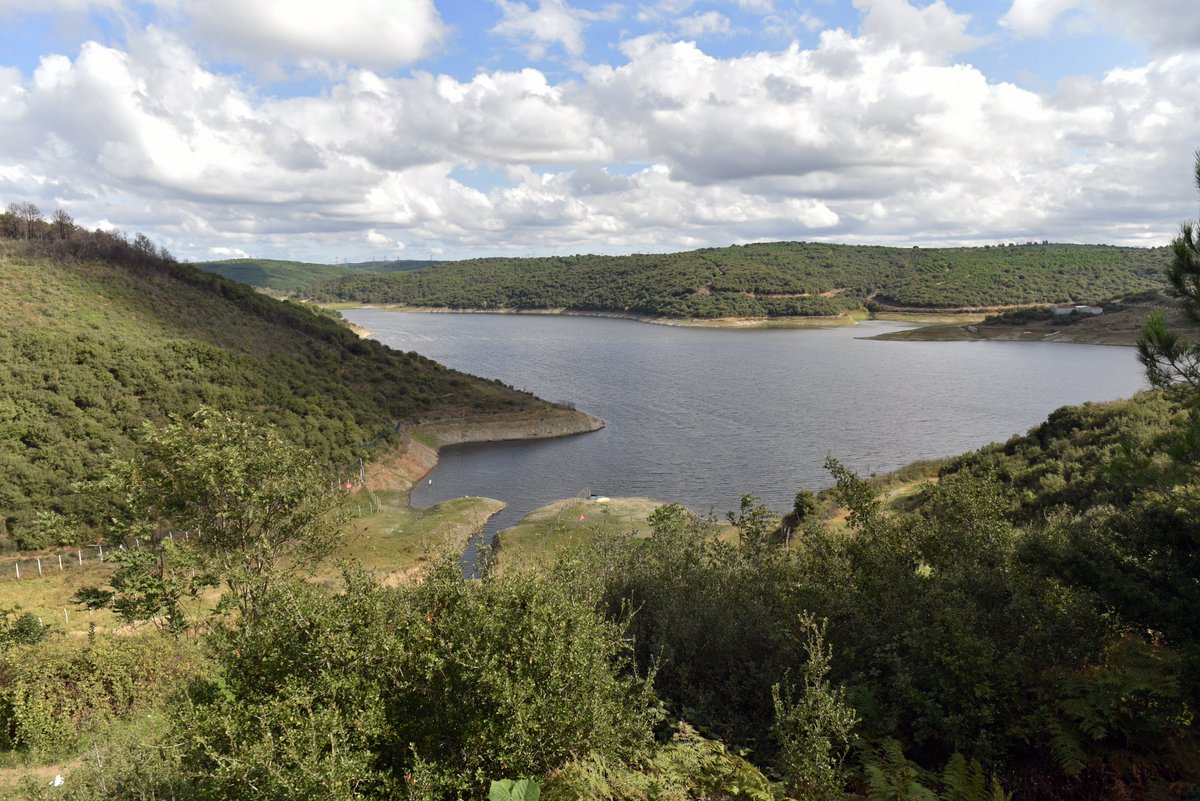
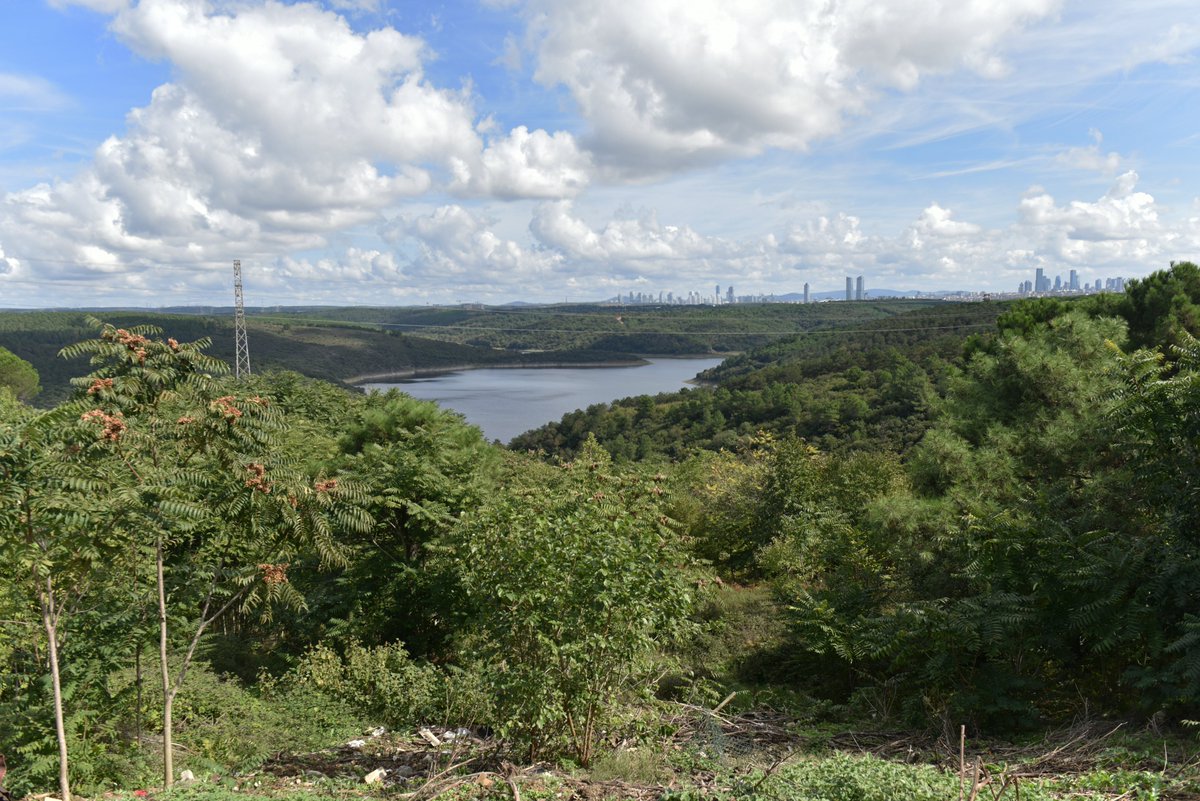
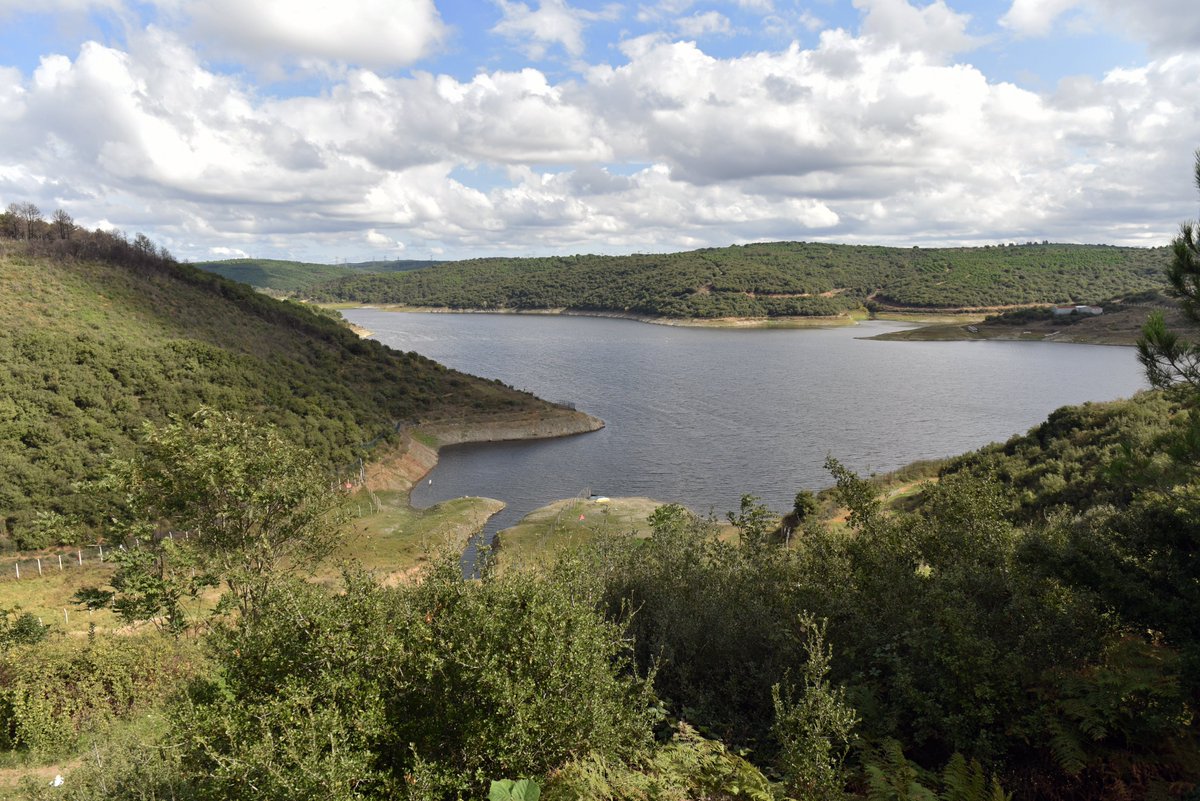
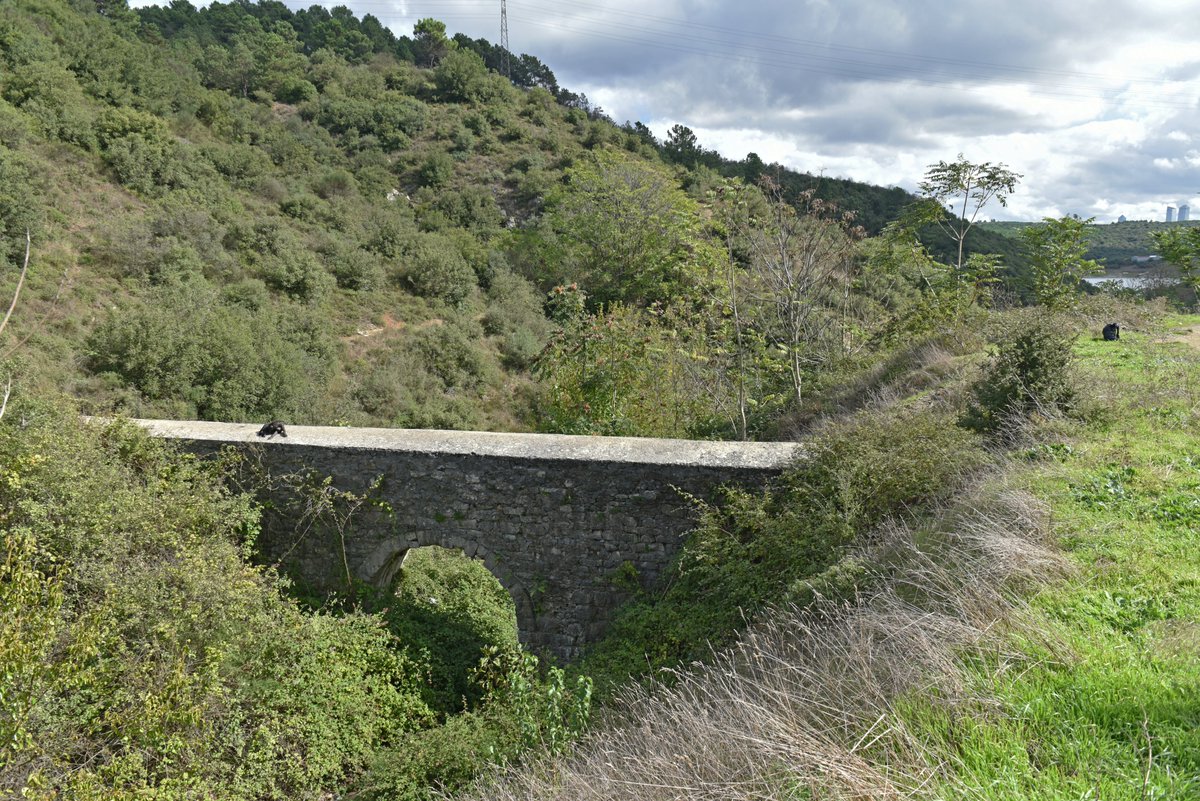
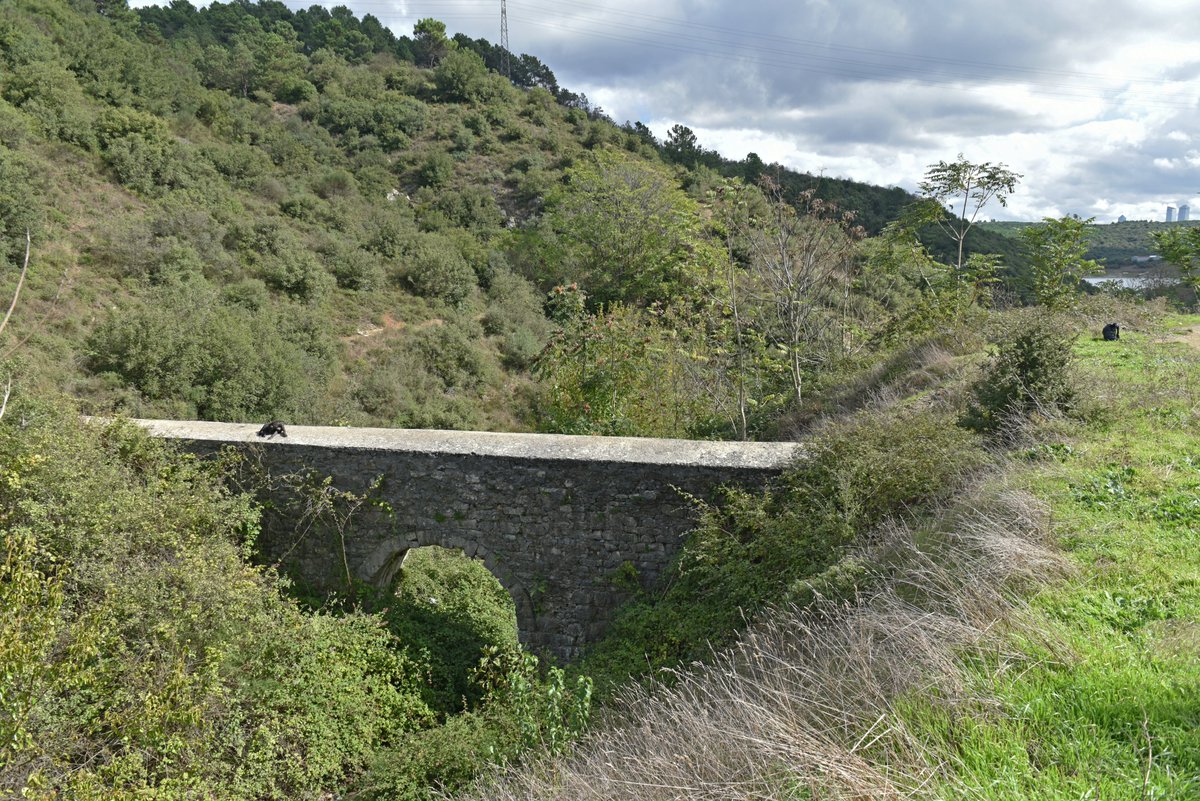
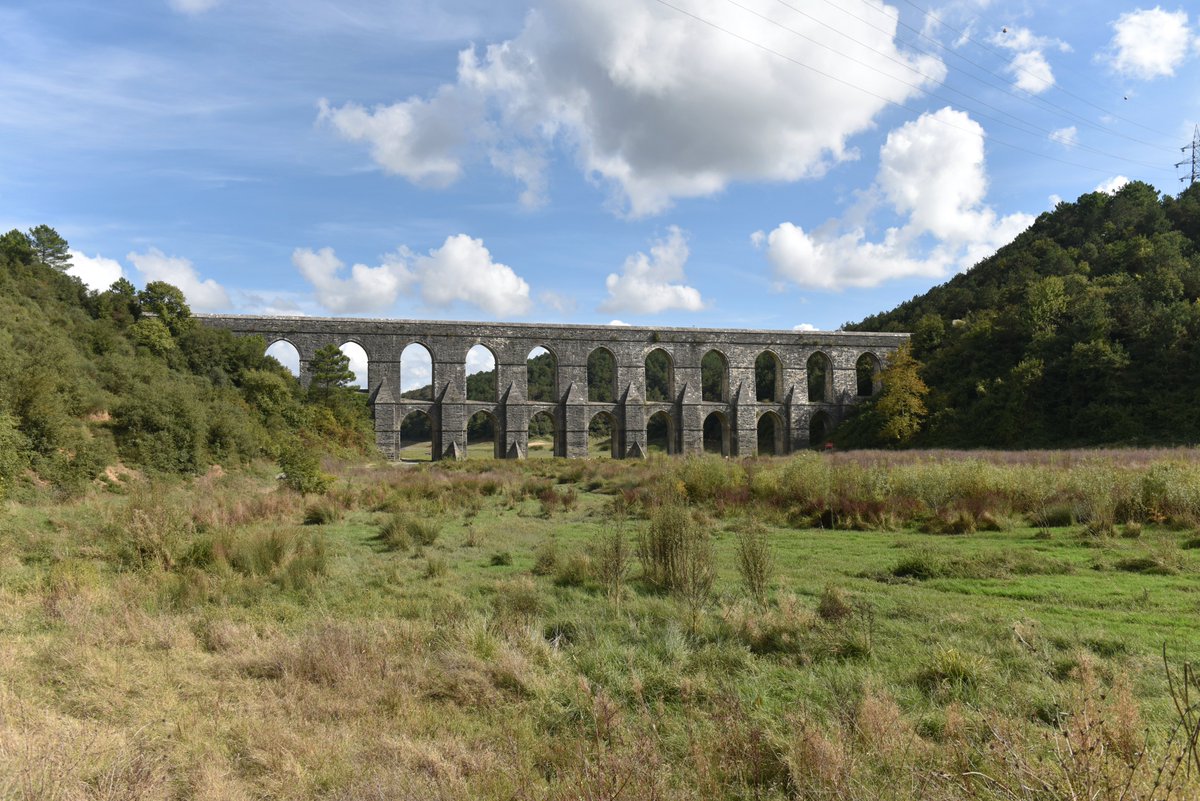
Güzelce Kemeri (“Beautiful Aqueduct”) was part of Ottoman Kostantiniyye’s water supply system, which was built by Architect Sinan in the mid-16th century. It followed the old Byzantine line, occasionally using foundations of aqueduct ruins for new bridges.
Photo taken today
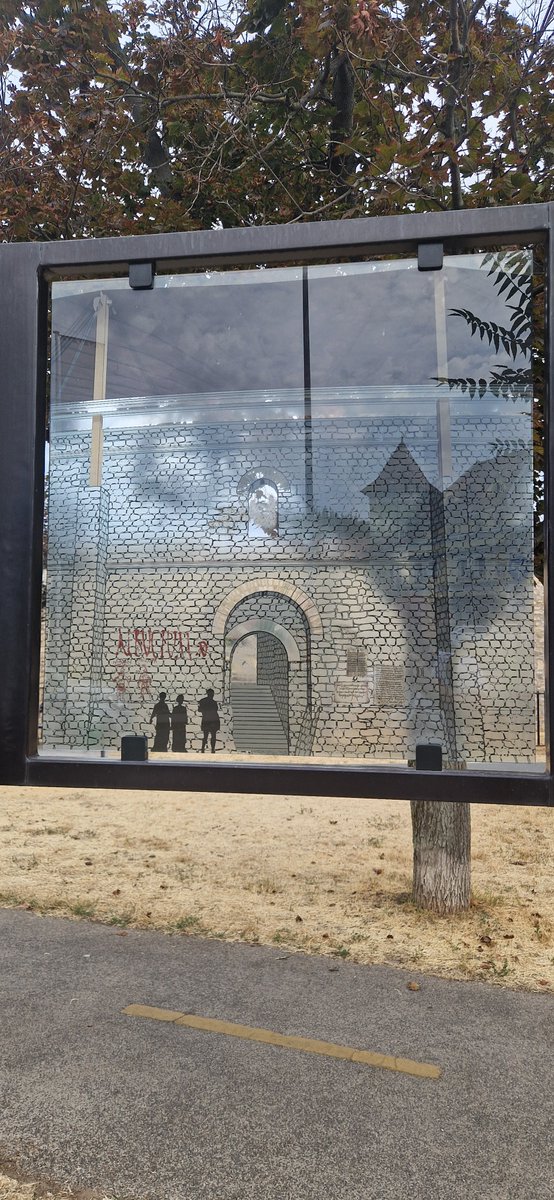
Preview of a video on Lopadion (modern Uluabat/Bursa), an important medieval walled town and military camp that was occasionally the residence of Byzantine emperors.
Check out full video on Patreon
https://t.co/EJZkBdxVTS
Video on the Legends of Gül Camii (“Rose Mosque”), said to be the burial of the last emperor Constantine XI Palaiologos https://t.co/nWA9Znfq5H
This is a self-funded project, so please consider supporting my work documenting Byzantine cultural heritage sites on Patreon
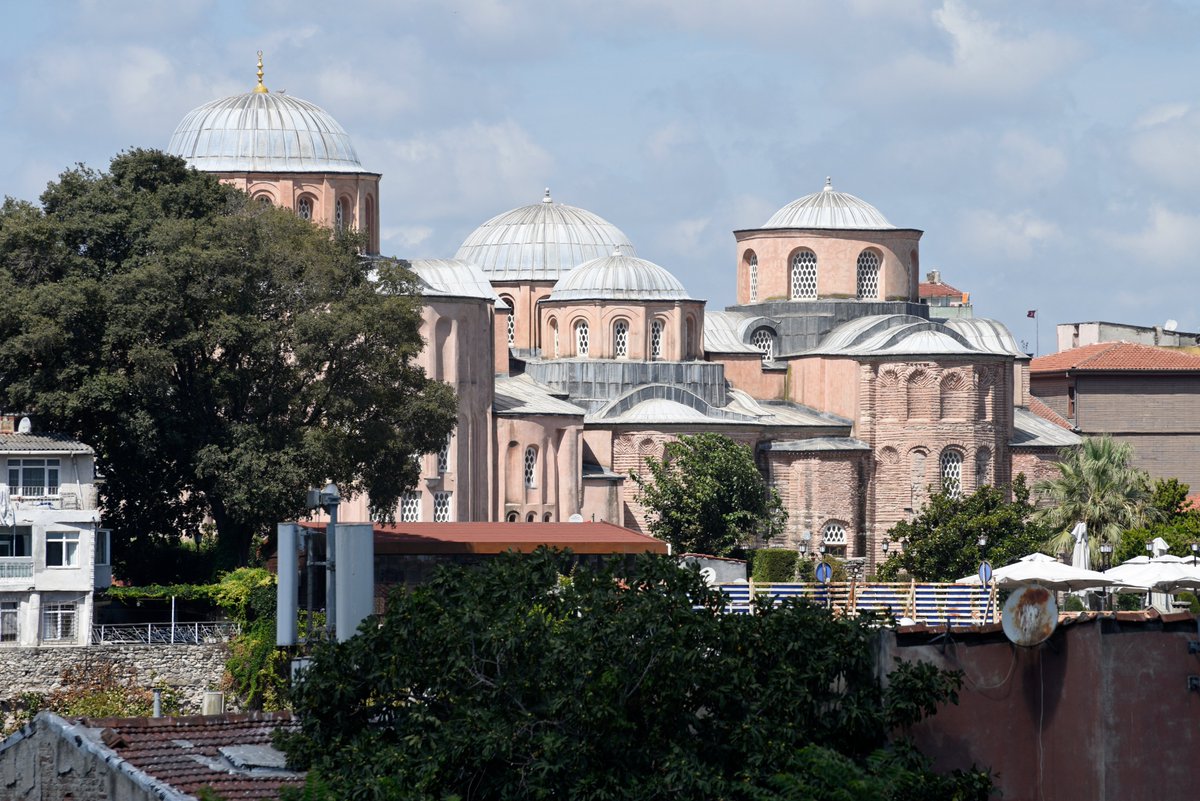
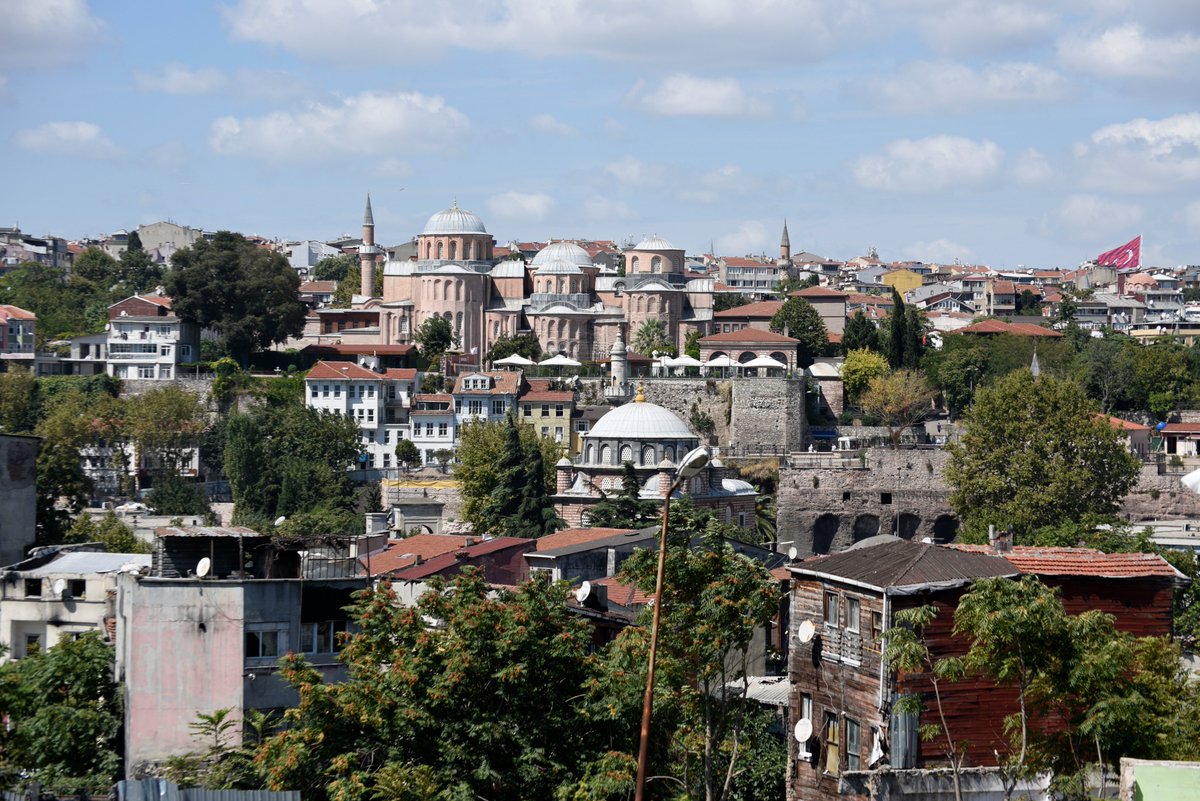
Zeyrek Mosque, formerly the imperial Constantinopolitan Monastery of Christ Pantokrator, was built by John Komnenos and Eirene (Piroska of Hungary) between 1118-1136.
Photos taken yesterday
Happy "Byzantine New Year" 7535
September 1, 7535 (2026) celebrates to day and year of creation and marks the Ecclesiastical New Year (according to the New Calendar)
Photos of the Theotokos (Virgin Mary) and the Christ Child, donations of Constantine and Justinian with the Theotokos (Mother of God) and the Christ Child, and Hagia Sophia and Hagia Eirene
Mosaic of Abraham's Sacrifice at San Vitale in Ravenna
This 6th-century church was built in the capital of Byzantine Italy during the reign of Justinian.