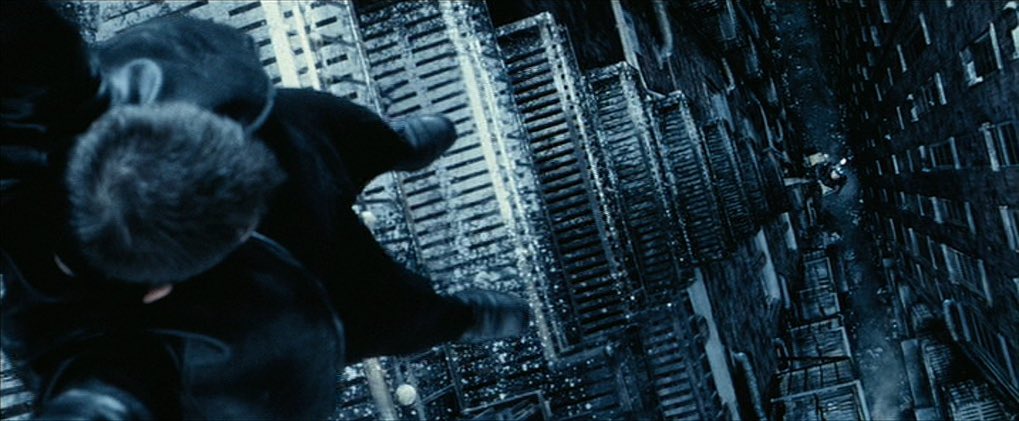
if you enjoyed the found footage portions of Backrooms i urge you to check out the filmography of Koji Shiraishi
he has dozens of found footage horror films and has explored the genre further than anyone else in the world. no one is doing found footage horror like Koji
Ya había escenas filmadas de Fitzcarraldo con Jason Robards y Mick Jagger de protagonistas. Robbards se enfermó, lo reemplazó Kinski y el rol de Jagger desapareció de la película porque se iba de gira con los Stones.
There is a theory going around that Kane Parsons did not really direct *Backrooms*, and that the movie was secretly directed by Osgood Perkins or James Wan.
And I am sorry, but that feels like people trying to take this away from the kid before the movie even opens.
Kane Parsons is officially the director of *Backrooms*. James Wan produced it. Osgood Perkins produced it and served as a mentor during production.
That is not some conspiracy. That is what happens when a 19-year-old filmmaker gets handed his first feature film and experienced people help him navigate the process.
Especially when the entire reason the movie exists is because of Kane Parsons.
His Kane Pixels YouTube channel has more than 3 million subscribers with only 51 videos. His original *Backrooms (Found Footage)* short has over 78 million views. He made that video when he was 16 years old, and it was so good that Hollywood came calling almost immediately.
He did not randomly get handed somebody else’s movie.
He created the version of *The Backrooms* that people fell in love with.
And from everything Kane has talked about publicly, he was deeply involved in bringing that vision to the screen. He modeled the environments in Blender, helped design the massive 30,000-square-foot set, and described the movie as completely connected to the story he was already telling on YouTube.
Could James Wan and Osgood Perkins have helped him? Of course. They were producers. That is their job.
But there is a pretty big difference between mentoring a young filmmaker and secretly directing his movie for him.
And the really wild part is that *Backrooms* is currently tracking for a $20–30 million domestic opening weekend.
For context, *Civil War* currently holds A24’s biggest domestic opening at $25.7 million.
So there is a very real chance that a 20-year-old YouTube creator, adapting the weird little horror universe he started building as a teenager, could open one of the biggest movies in A24 history.
Maybe the movie works. Maybe it does not.
But let the guy have his movie before inventing a conspiracy that somebody more famous must have made it for him.
Michael Mann couldn't shoot Collateral on film. The cameras couldn't see Los Angeles at night the way he wanted. So he picked a digital camera no other major Hollywood movie had used. The crew was still building parts for it during the shoot.
Mann was chasing a specific look. Around 10 or 11pm in LA winters, a low cloud bank drifts in off the ocean and settles about 1,200 feet up. The orange sodium streetlamps below light up the bottom of those clouds and turn the whole sky into a soft, hazy glow. Mann said it looked like winter in England.
Movie film couldn't see that. To shoot a single downtown block clearly, the crew would have had to bring in massive lights and brighten up entire streets just to make the buildings visible. Even with the lens open as wide as it goes to pull in any available light, almost nothing outside the foreground would stay in focus.
The camera Mann picked was the Thomson Viper, brand new and not really ready for production. There was no memory card or storage inside the body. It had to be plugged into a separate hard drive with a cable.
About 80% of Collateral was shot digital. The other 20% on regular film was mostly the Korean nightclub shootout, where the bright club lighting gave the crew plenty to work with.
The coyote scene only exists because of the digital camera. Mann didn't plan it. A small pack of coyotes wandered across an empty street between takes, and because the camera could see in near-darkness, the crew just rolled. On film, that shot would have required lighting up the whole intersection first.
The helicopter shots over the city work the same way. Palm trees against the night sky, the downtown skyline lit only by the city's own light. On 35mm film, none of that would have shown up.
The movie cost $65 million to make and earned $220 million worldwide. It won Best Cinematography at the BAFTAs, the British version of the Oscars, and helped push Hollywood toward digital cameras for night shoots.
One catch. That orange light Mann chased is mostly gone now. Starting in 2009, LA began replacing its sodium vapor streetlamps with white LEDs. By 2013 the city had swapped out 141,000 of them. Today the lighting system is 98% LED. The Los Angeles you see in Collateral doesn't exist anymore.
Lo jodidamente increible que tuvo que ser jugar a Metal Gear Solid en 1998-1999 con edad para entenderlo y disfrutarlo. Imposible que no te cambiase, un poco al menos, tu percepción de los videojuegos
Charles Grodin (born on this day) absolutely wrecked De Niro in Midnight Run. At one point, he needles him so relentlessly that De Niro cracks, breaks for a split-second, looks right at camera, and mutters: “pain in the ass this guy is.”
Grodin waits a beat… then hits him again.
The 1997 PlayStation game The Lost World: Jurassic Park features a secret ending video featuring Jeff Goldblum, that plays after completing the game. In this improvised message, Goldblum tells the player to turn off the game, go outside, take a walk, and get some air
La música de Chris Cornell, el gun barrel, la brutalidad de la secuencia pre-títulos en blanco y negro... Casino Royale no solo es una de las mejores películas de 007, es una gran película en general.
La ventana indiscreta.
En poco más de 2 minutos Hitchcock te sitúa en la película. Te muestra los vecinos que James Stewart va observar toda la película. Que él ha tenido un accidente que lo inmoviliza. Que es fotógrafo.
Magistral.
Érase Una Vez En América (1984) es el ejemplo perfecto de que da igual la duración de una película mientras sea buena.
Y es que decir que es buena, es quedarse muy corto, yo la definiría como una OBRA DE ARTE de 225 minutos.
Steven Spielberg was just 24 when he directed the pilot of COLUMBO, but he was already showing serious visual storytelling chops: the opening shot glides in from the murderer approaching to the victim in one move.
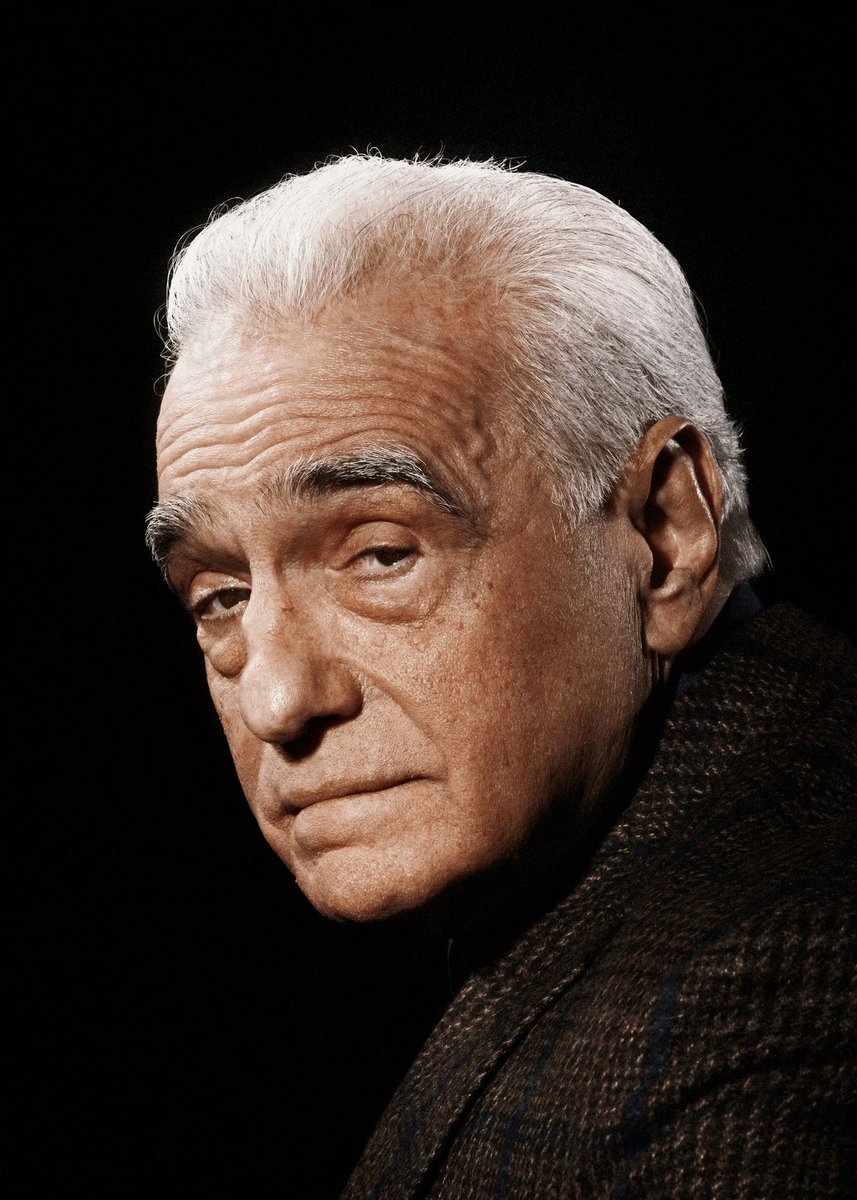
Martin Scorsese habla sobre el paso del tiempo y su edad:
“Tengo 80. El mundo entero se me ha abierto, pero es muy tarde. Cuando le dieron su Oscar a Kurosawa, el dijo que apenas sentía que podía empezar a ver las posibilidades de lo que el cine podía ser, pero que era muy tarde. El tenía 83. En el momento no entendía a lo que se refería; ahora lo entiendo”.