🚨 SHOCKER! INDI Alliance MPs OPPOSED the introduction of the Anti-Paper Leak Bill as Opposition MPs stormed the Well of the House, shouting "NO! NO!"
=> The Bill proposes up to ₹10 crore fine, up to 10 years' jail, and fast-track courts to deliver judgments within 3 months.
My humble suggestions for total overhaul of examination process
1. Create 6000 CBT (Computer Based Test) centres uniformly all over the country.
2. One centre will be a 3-4 storey building with 500 computers.
3. This will cater to 30 lakh students in one shift.
4. Highest number of appearances in a govt. exam was 1.11 Cr. in RRB Group D Exam 2019, completed in 2 months and 99 shifts. With 6000 CBT centres the whole exam can be conducted in 2 days in 4 different shifts.
5. Building a centre from scratch can cost at max 16 Cr. for everything.
6. Total cost of building 6000 centres will be at max 96,000 Cr.
7. This amount can be further divided into 2 years so 1-year cost will be 48,000 Cr.
8. These centres can also be used by states so they will pay 30-40% of the amount and provide land to build them.
9. Cost of building this massive infrastructure for examination will be 0.63% of total budget of India in 2026-27 for 2 years and 24% of total Union Education budget (which is very high so govt. needs to increase Education budget or for this one-time special expenditure they can also float 10-year Education bond).
10. After this there should be a mandate for every ministry and every state to come up with their Employment Exam calendar and other Exam Calendar for the future year between 25th to 31st December. If delayed they have to explain the reason of delay on 1st January in special sitting of Parliament and state assembly.
11. When all Exam Calendars of states and all central ministries are available an Exam body will decide dates of all exams on these centres accordingly without any exam clashing with another in next 2 weeks…
12. All India Exam Calendar of 100 days with 2 shifts can cater to 60 Cr. students’ applications.
13. These centres can be used by private companies and institutions for their exams also by paying to govt.
14. 6000 centres also completely solve the problem of centre allocations to students which create logistical problems when they have to travel 1000-1500 km for one exam.
15. If 6000 centres are divided prudently then
- Urban area student needs to travel only 5-10 km from home
- Semi-urban student needs to travel only 10-15 km from their home
- Rural area students need to travel only 20-25 km
- Far-fetched rural area student needs to travel at max 30-35 km
Other suggestions relating to the way exams are conducted will be in next post.
@narendramodi , @NandanNilekani , @JoshiPralhad, @EduMinOfIndia
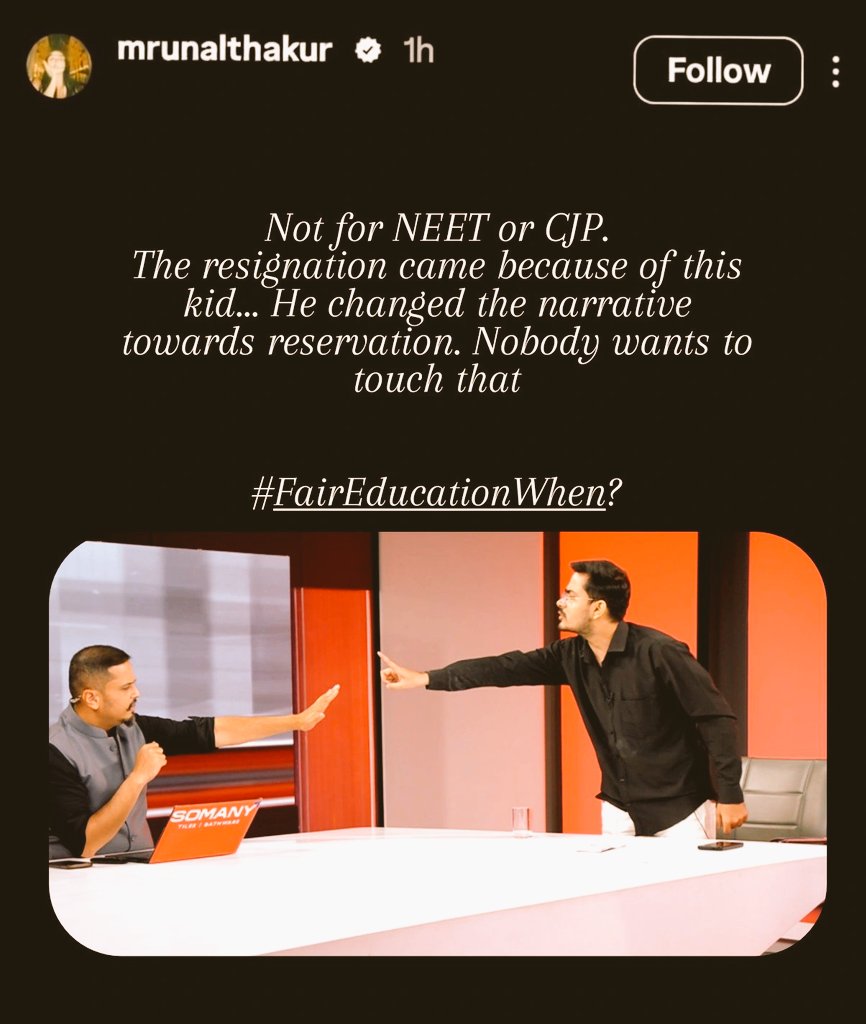
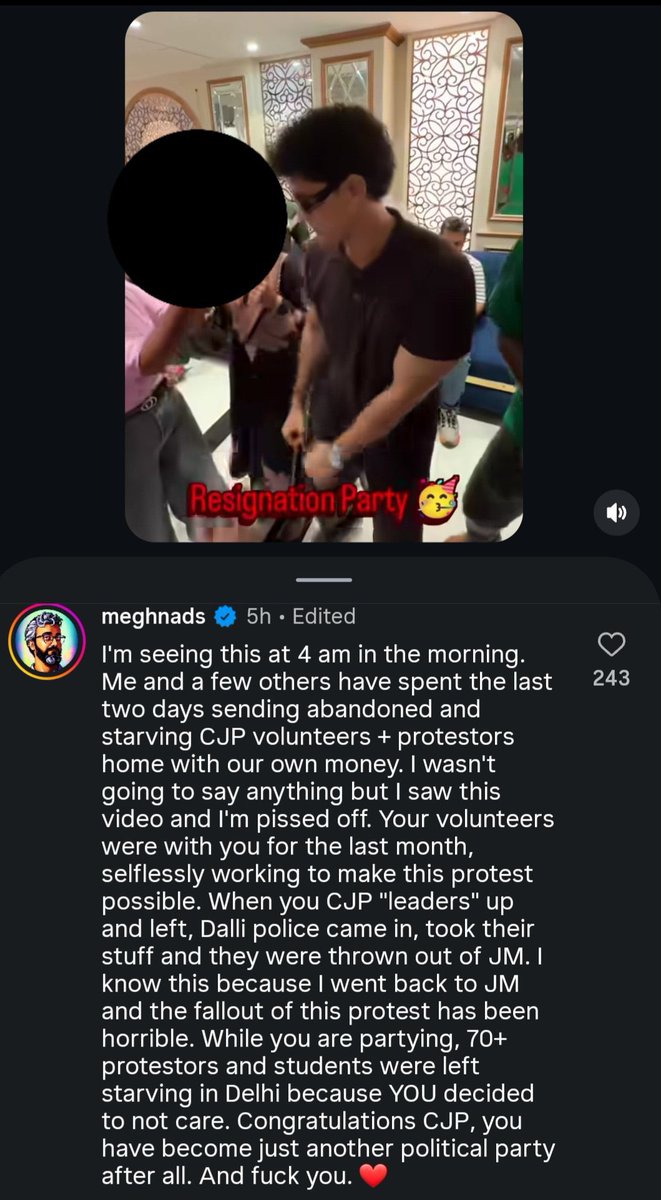
Mrunal Thakur instagram story on Dharmedra Pradhan resignation 🚨
>She said that the reason behind Dharmendra Pradhan's resignation is not CJP but Harsh Dubey
>Harsh dubey exposed the reality of reservation
>Everyone wants fair education but does not want to remove the reservation
>No one is listening to GC students but they are listening to Those protesters who attack the police.
She is really a queen man, It takes courage to stand for General Category in an era where everyone from system to government is biased towards SC/ ST.🙏
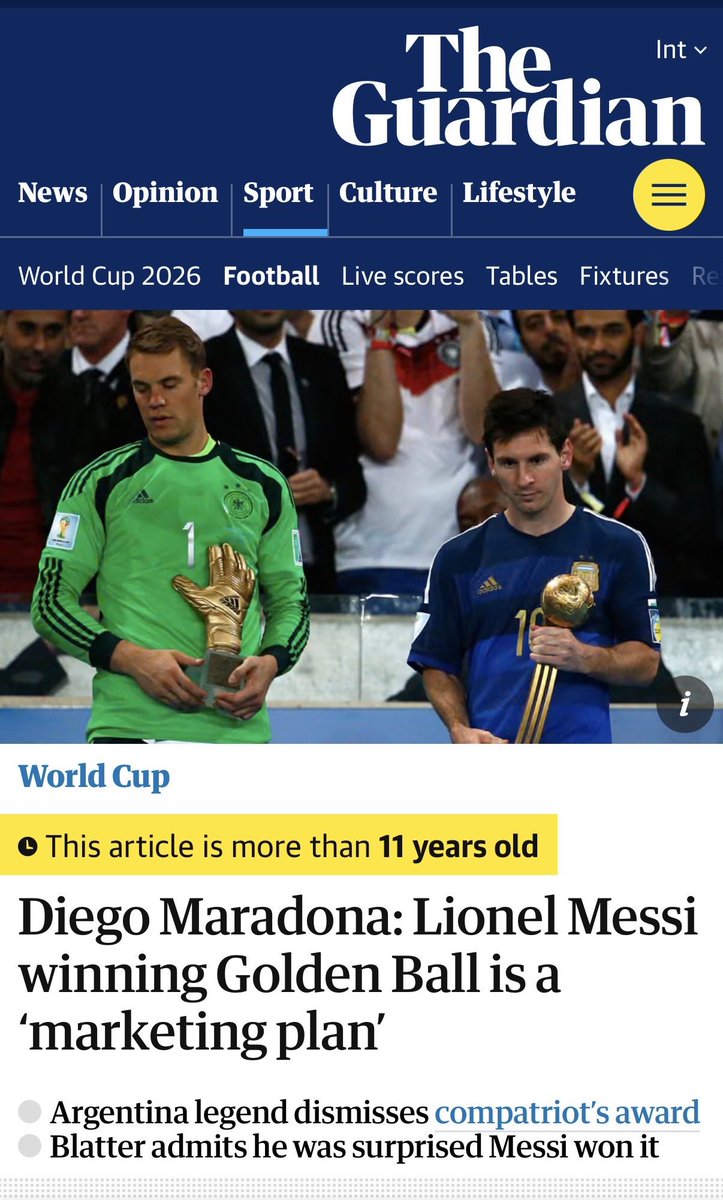
Disgusting behaviour by the Argentinians at the end, especially Paredes.
Just a bunch of nasty violent thugs, and a disgrace to football. Never been so happy to see a team lose.
Tukaram Mundhe is an example of what happens when bureuacracy actually does their job but unfortunately most babus are just there to make money for themselves and the angutha chaap netas who control their postings.
Request people to see this
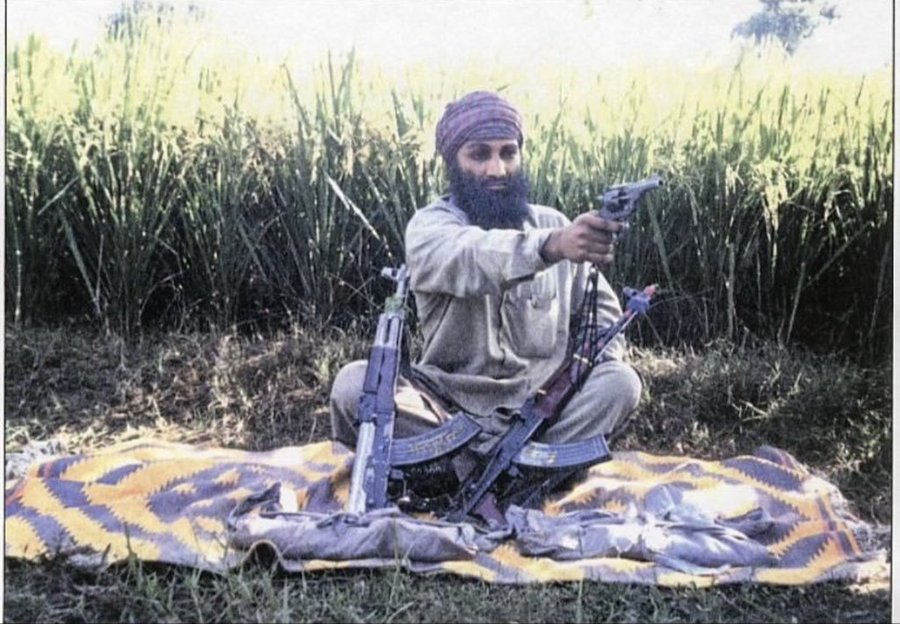
Thank you Shekhar Gupta for sharing the horror of Khalistani terrorism in old days
Terrorists had banned girls from wearing skirts in school
A school headmistress begged for some time for the poor kids to buy salwar kameez
They shot her in the belly
Anyone in India today who tries to create sympathy for Khalistani terrorists is a monster
I worked in Punjab as a journalist during the peak of militancy. Later in my career, I headed the Punjab Cell in the CBI, which had, in its past, investigated cases of fake encounters as well as the assassination of Sardar Beant Singh.
Those experiences gave me a rare opportunity to see both sides of that tragic period. They taught me that any honest account of those years must acknowledge both sides of the story.
And that is exactly my concern with Satluj: not what it shows, but what it leaves out. It tells only half the truth; the other half is left unsaid, deliberately, and with a purpose.
The film decontextualizes Jaswant Singh Khalra and the human rights debate from the Pakistan-backed, brutal Khalistani insurgency. This omission is neither an innocent creative choice nor an inadvertent one. And, in my view, the intent behind such a selective portrayal should matter to every Indian.