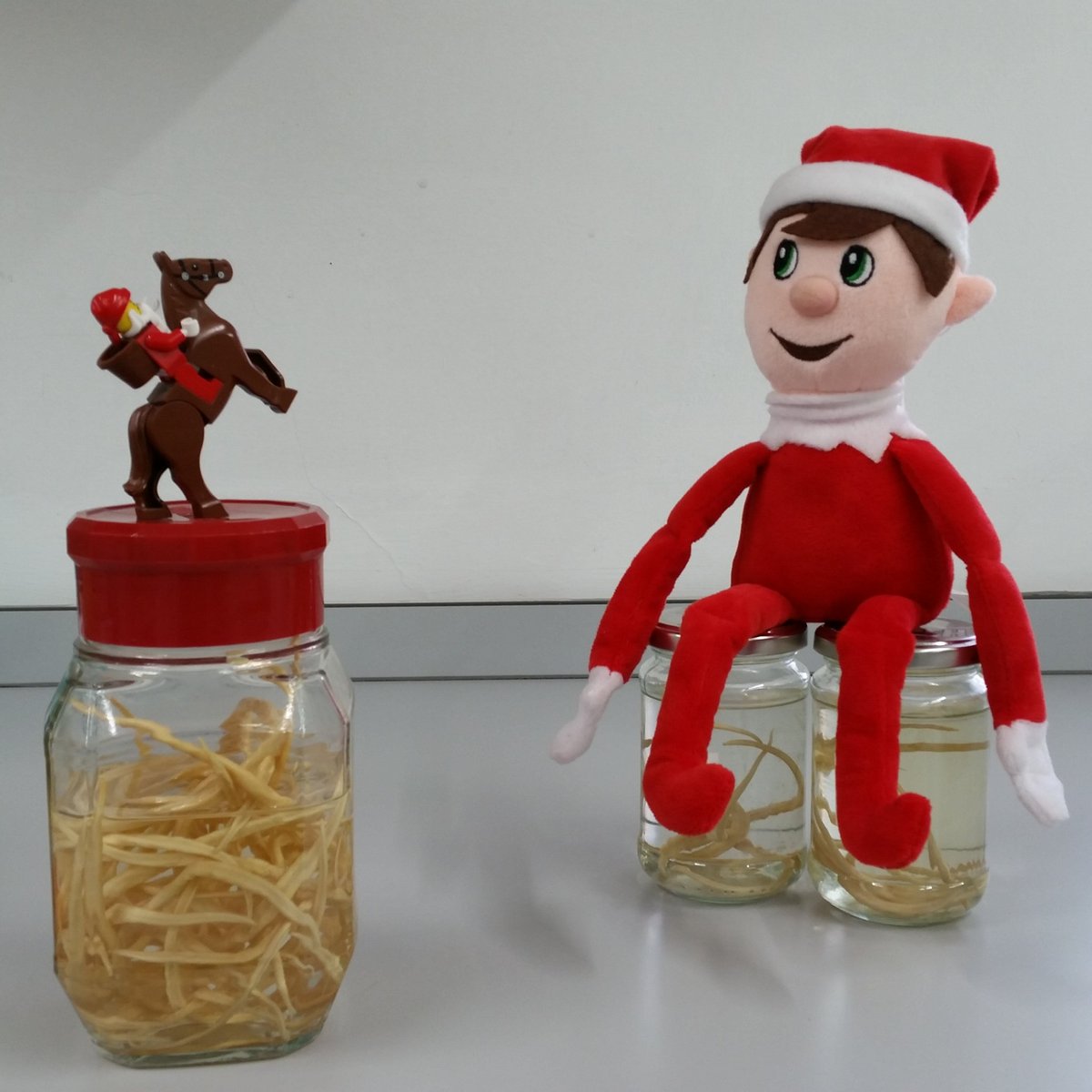
Going through Dr. Lyons' laboratory. Here is a jar of ascarid worms collected in 1923. The species name used then was Ascaris megalocephala. Nowadays, we know the equine ascarid species as Parascaris equorum and Parascaris univalens with the latter being the predominant species!
Introducing Early Third Stage (EL3) Cyathostomin Larvae. These tiny critters can undergo arrested development in the mucosal walls for years. There they can accumulate in 100,000s, which in turn can predispose the horse for larval cyathostominosis! #HistoricHerds
That's the last #tapeworm ELISA test completed for 2017 - results available tomorrow morning. Frankelf looks just about ready for his Christmas break but we're still available for #wormeggcount or advice tomorrow
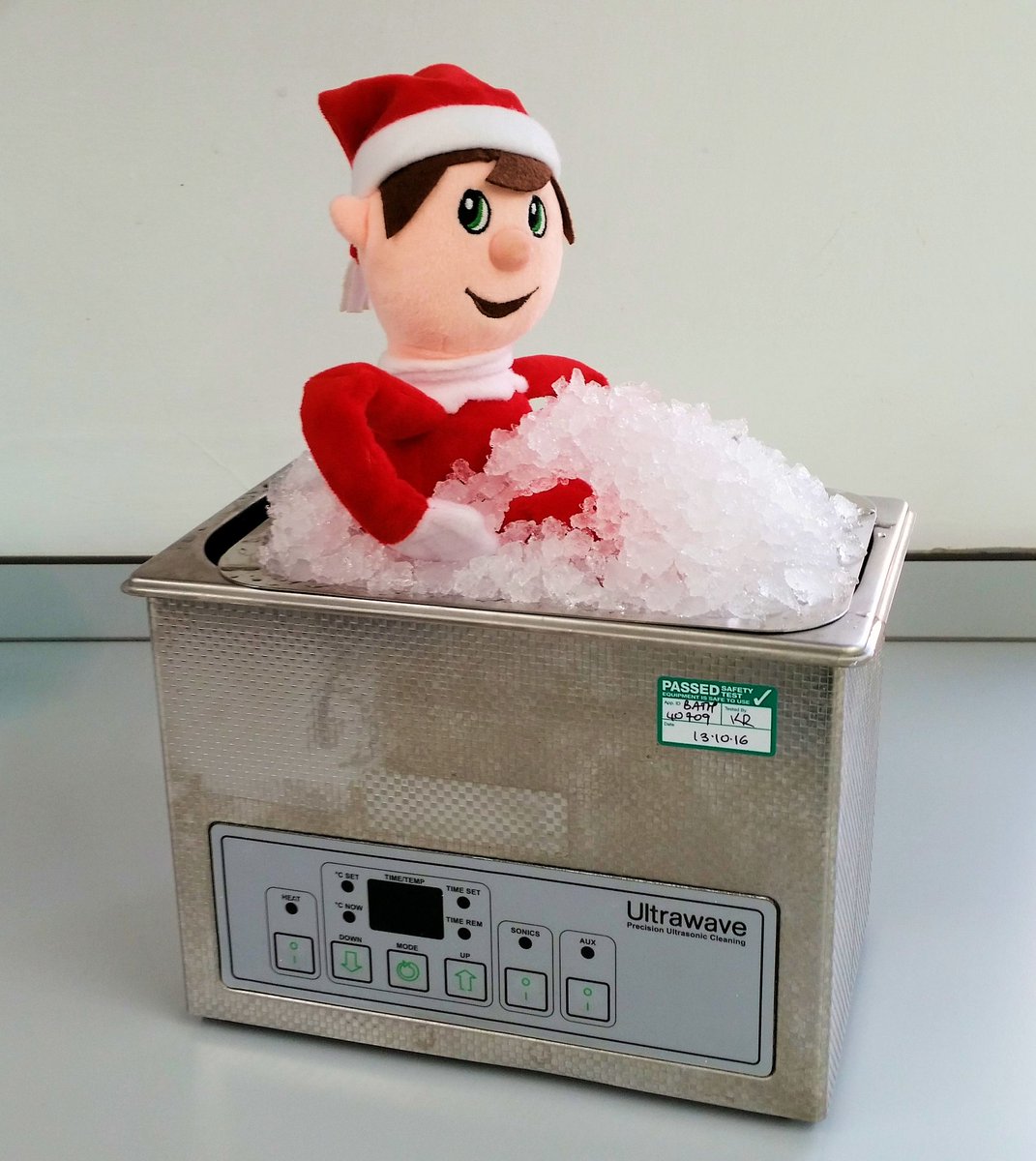
#parasitology can be a messy business - we work hard to keep on top of lab cleanliness! Frankelf, the @Diagnosteq elf, has other ideas for the @LivUni sonic waterbath #elfinthebath
The introduction of African swine fever would have an enormous impact on the UK pig and pork industries. No matter how many pigs you keep, you need to be aware of the potential consequences of feeding waste food to your animals. https://t.co/S3q1FWsQx8
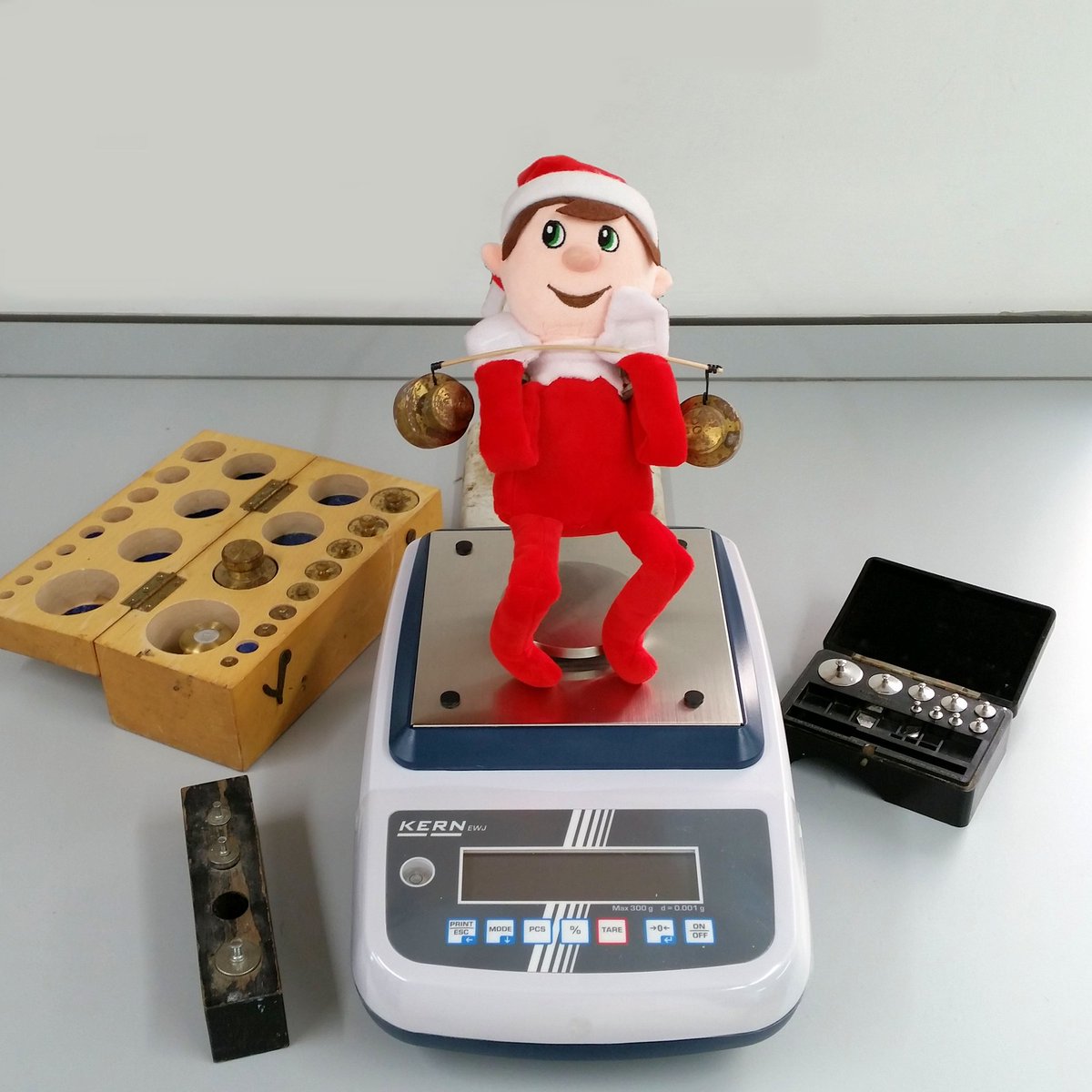
Regular calibration of our lab equipment gives us confidence in the accuracy of results reporting - and gives Frankelf, the @LivUni@Diagnosteq elf, his weekly workout #elfontheweights
We're committed to continuous professional development here at @Diagnosteq@LivUni - we benefit from the advice of 2 #AMTRA certified #SQP (Suitably Qualified Persons) and a Professor and Senior lecturer in Infection Biology. Today Frankelf brushes up on his #parasite id
It's a Wellwasher not a Dishwasher! To standardise our 96 well plate washes between incubations, @Diagnosteq use a Wellwasher - even @LivUni mugs won't fit
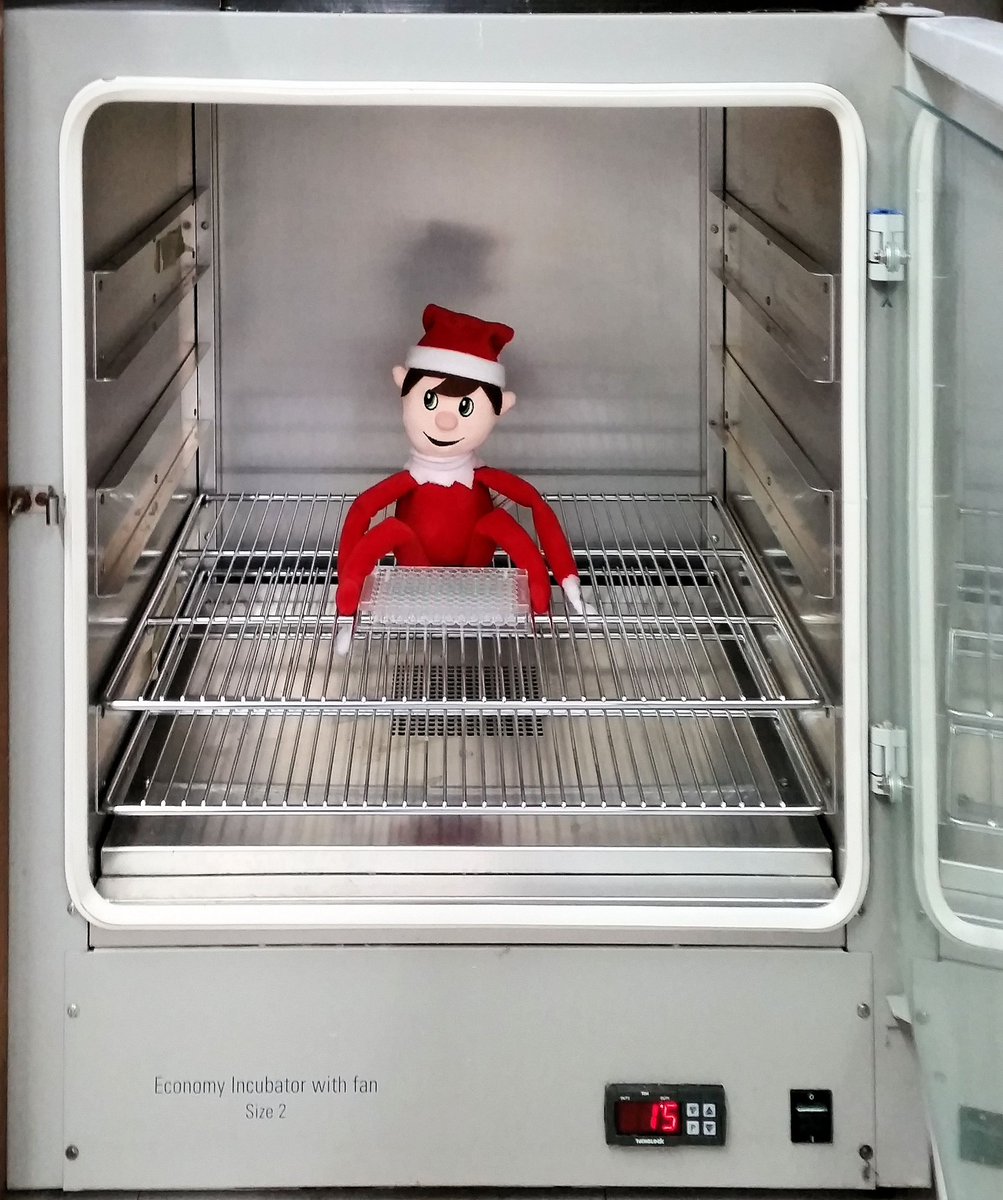
With snow and ice piled up outside, the @LivUni#Diagnosteq lab can get pretty chilly. To keep testing conditions consistent we use an incubator - Frankelf, the @Diagnosteq elf, takes full advantage!