HABITS I STOLE FROM THE CALMEST MOM I KNOW WHOSE KIDS ACTUALLY LISTEN, RESPECT HER, AND FEEL SAFE AROUND HER.
1. She gave two choices instead of one command.
La mujer sabia por naturaleza:
En 2008, la bióloga Katie Hinde descubrió algo que la ciencia había ignorado durante siglos: la leche materna no es una receta fija, es un mensaje en constante cambio.
Mientras estudiaba macacos en California, Hinde notó un patrón extraño. Si la madre tenía un hijo varón, la leche era espesa, rica en grasas y proteínas (combustible de alto octanaje). Si tenía una hija, la leche era más abundante y cargada de calcio. ¿Cómo sabía el cuerpo de la madre cambiar la fórmula química según el sexo del bebé?
Esto la llevó a descubrir el mecanismo más fascinante de la biología humana: el "flujo retrógrado".
Durante años pensamos que la leche solo iba en una dirección (de madre a hijo). Estábamos equivocados. Cuando un bebé amamanta, el vac��o creado succiona una pequeña cantidad de saliva del bebé hacia el interior del pezón de la madre.
Aquí ocurre la magia: El tejido mamario de la madre analiza esa saliva. Es un escáner biológico.
Si la saliva contiene señales de que el bebé tiene fiebre o una infección, el cuerpo de la madre comienza a fabricar anticuerpos específicos para esa enfermedad en cuestión de horas.
Si el bebé está estresado, la leche cambia sus niveles hormonales (como el cortisol) para influir en su temperamento.
La leche cambia de la mañana a la noche. Cambia si el bebé está enfermo. Cambia si es niño o niña.
Como concluyó Hinde: "La leche materna es comida, es medicina y es señal". Es el sistema de comunicación más sofisticado de la naturaleza, una conversación silenciosa entre dos cuerpos que ni siquiera la tecnología moderna ha logrado replicar por completo.
Validación histórica y científica, Katie Hinde, PhD - Laboratorio de Lactancia Comparativa, Arizona State University. Este contenido es informativo y educativo. #fblifestyle
My girlfriend once told me something during an argument that I never forgot.
She said, “You always tell me to talk to you when something hurts me, but whenever I do, you defend your intentions instead of trying to understand why I was hurt.”
“You don’t have to agree with every feeling I have. But you should care enough to acknowledge it. Your intentions may explain why you did something, but they don’t erase the impact it had on me.”
Then she said something that stayed with me:
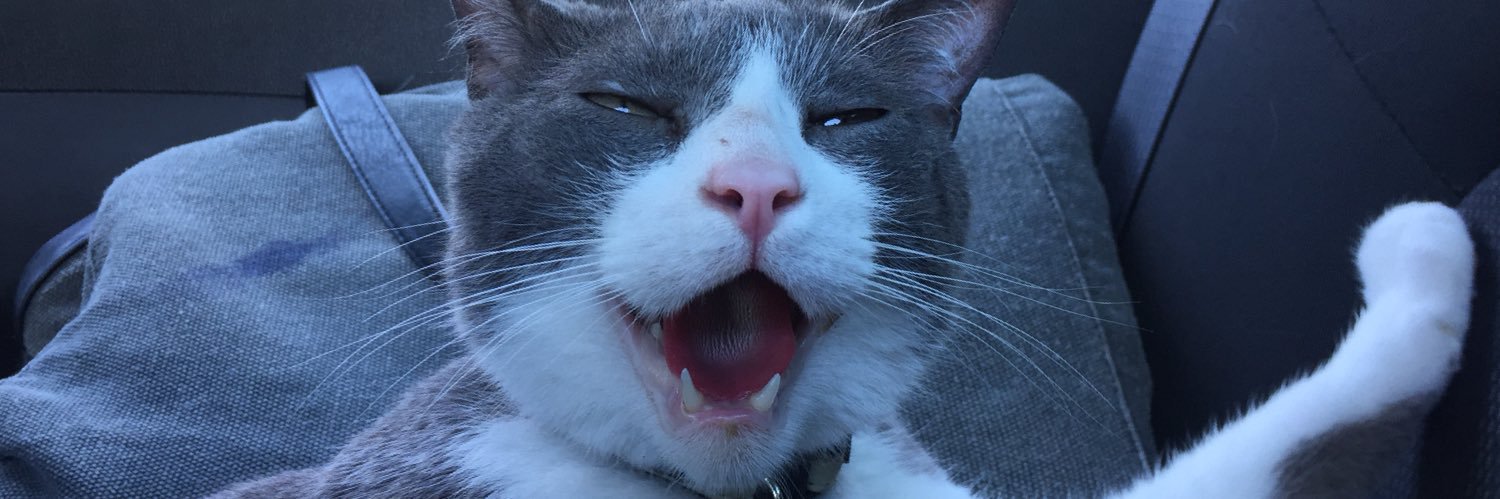
Toru Miyazaki gave 11 cats with advanced kidney disease an experimental injection. 15 others didn’t get it. A year later, 9 of the 11 treated cats were alive. Only 3 of the 15 untreated cats survived. He just filed for approval, and the drug fixes a defect only cats have.
Most cats die from one thing: their kidneys fail. By age 10, 4 in 10 cats already have chronic kidney disease, and by age 15, the rate doubles to 8 in 10. Once diagnosed, a cat has about 2 years left.
The reason kidney disease hits cats so hard is a broken protein in their blood. All mammals carry a protein that helps the kidneys clean out waste. In humans and dogs, the protein floats freely and goes to work when the kidneys are in trouble. In cats, it stays stuck to another protein and can’t get loose. So the waste piles up, and the kidneys eventually give out.
Miyazaki originally found the protein in 1999, back when he was at the University of Tokyo. He figured out the cat-specific glitch in 2015. The paper he published in the Veterinary Journal in February laid out the trial. The injection is a working version of the missing protein. His company, the Institute for AIM Medicine, filed the approval paperwork with Japan’s Ministry of Agriculture on April 24, 2026. If the review clears, the drug goes on sale in spring 2027.
The 30-year lifespan figure in the tweet is Miyazaki’s own projection of what cats could reach without kidney disease. The trial only ran a year, and the average cat today lives 15. Most die from the same disease this injection treats.
The research almost died in 2020. After running out of funding during COVID, Miyazaki went public. Cat owners across Japan responded by sending in 300 million yen, around 2 million dollars total. He resigned from the University of Tokyo and worked on the drug full time. The treatment in front of regulators today exists because cat lovers refused to let the research die.
En Internet, con más de 2 billones de páginas web, descubrir las joyas ocultas puede ser un desafío.
Te voy a mostrar 20 sitios web increíbles que probablemente desconocías.
Te los estabas perdiendo...hasta ahora ⇩
YouTube es educación gratuita.
Pero el 98% de la gente aún no ha descubierto a los mejores maestros virtuales.
Aquí te dejo 17 canales imprescindibles para potenciar tu aprendizaje:
Solo para recordarles que mañana es 14 de febrero y en el trabajo de SU NOVIA hay un man que huele bien, no se apunta el primer botón de la camisa tiene las manos grandes y arregladas y usa un reloj de pulso de los clásicos.
Cómo el man trabaja en su misma área a veces va+
Hija de 7 me dice que no le gusta la vida, primera reacción como madre, pánico, miedo, etc. Respiro y pregunto, ¿Qué no te gusta? Hija explica, la escucho, cosas que para una persona adulta pueden ser mínimas, para ella representan la vida, como la oscuridad, la noche+