🇺🇸 America owes nearly $40 TRILLION. But here's the trillion-dollar question: WHO does it actually owe? 💰
China? Japan? The Federal Reserve? Wall Street? Or its own citizens?
The answer might surprise you.
Most people think America borrowed all this money from other countries. But a huge portion of US debt is actually held within America itself.
And here's where things get interesting…
If the world's largest economy owes this much money, who keeps lending it more? And what happens if lenders stop trusting the dollar? 🌎
🎥 Watch the full breakdown. The global financial system is more complicated than you think.
👇 Do you think America will ever repay its national debt?
#USDebt #AmericanEconomy #NationalDebt #GlobalEconomy #Finance #Dollar #Economics
🚨 GLOBAL MARKETS ARE FALLING. INDIA IS RALLYING. WHAT'S GOING ON?
🇺🇸 Nasdaq: -3.4% this week
🇮🇳 Nifty: Back above 25,000
💰 FII buying: ~₹46,000 Cr this week
🛢️ Crude: Easing from recent highs
Here's the interesting part.
Global investors are questioning expensive AI valuations, while money is flowing back into Indian equities.
But don't confuse a liquidity-driven rally with an earnings-driven recovery.
Money can push prices higher. Only earnings can justify them over time.
The next big test: Can Indian corporate earnings catch up with this rally?
What's your view — sustainable recovery or liquidity-driven bounce? 👇
Elon Musk says “money won’t matter in 2036.”
Sounds absurd — until you follow the logic.
If AI + robots can produce almost everything cheaper, faster and at massive scale, scarcity could collapse.
But here’s the real question:
If money matters less… what becomes valuable instead?
Land? Energy? Compute? Ownership? Attention?
Maybe money doesn’t disappear.
Maybe scarcity simply moves somewhere else.
Full video 👇#ElonMusk #FinanceDaily
If AI eventually does most of the work, who should receive most of the wealth?
🤖 Companies that own the AI
👥 Workers and citizens
🏛️ Governments through redistribution
📈 Anyone who owns productive assets
And what happens to people who own none of them?
Curious to read your answer. 👇
What would happen if every American woke up tomorrow and decided to stop borrowing money?
No new mortgages. No car loans. No credit-card borrowing. No business loans.
At first, it sounds like the most financially responsible thing America could possibly do.
But modern economies are deeply connected to credit.
In this documentary, we follow the journey from one ordinary mortgage to the wider U.S. financial system — and explore what could happen to housing, cars, businesses, banks, jobs and economic growth if new borrowing suddenly stopped.
We break down:
• Why debt and credit are not the same thing
• Why mortgages affect far more than home buyers
• How borrowing brings future purchasing power into the present
• What happens when credit becomes harder to obtain
• Why businesses use debt to expand
• How banks fit into the debt economy
• Why “everyone should just use cash” is more complicated than it sounds
• When debt becomes productive — and when it becomes dangerous
• Why something sensible for one person can create very different consequences when millions do it simultaneously
This isn't an argument that debt is good.
And it isn't an argument that debt is bad.
It's an attempt to understand one of the machines underneath the modern American economy.
Because every debt is also something else:
A promise about the future.
Subscribe if you want to understand the machinery behind money, banking, markets and the economy — one piece at a time.
Question for you:
If every American stopped borrowing tomorrow, what do you think would break first — housing, cars, banks or consumer spending?
#USEconomy #Debt #Finance
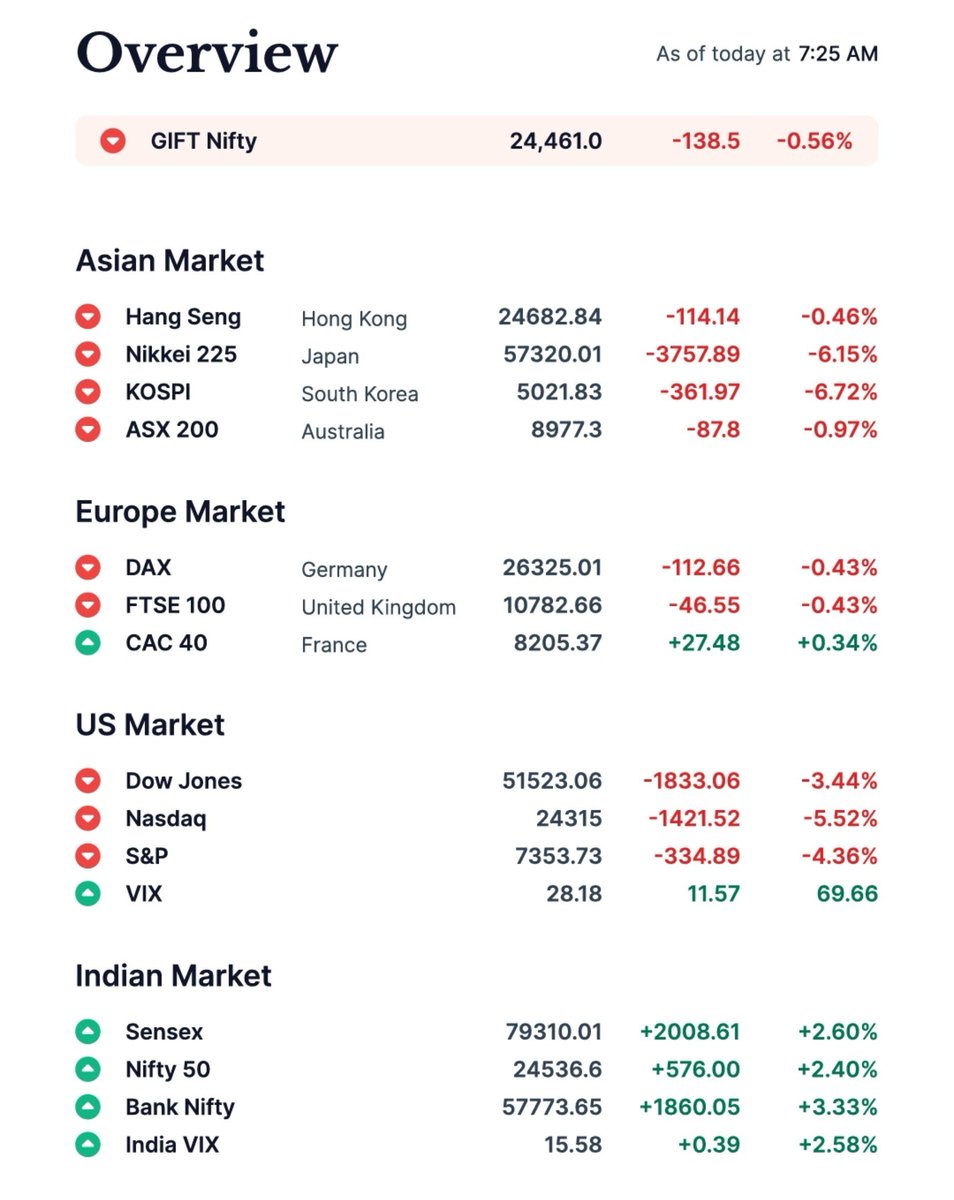
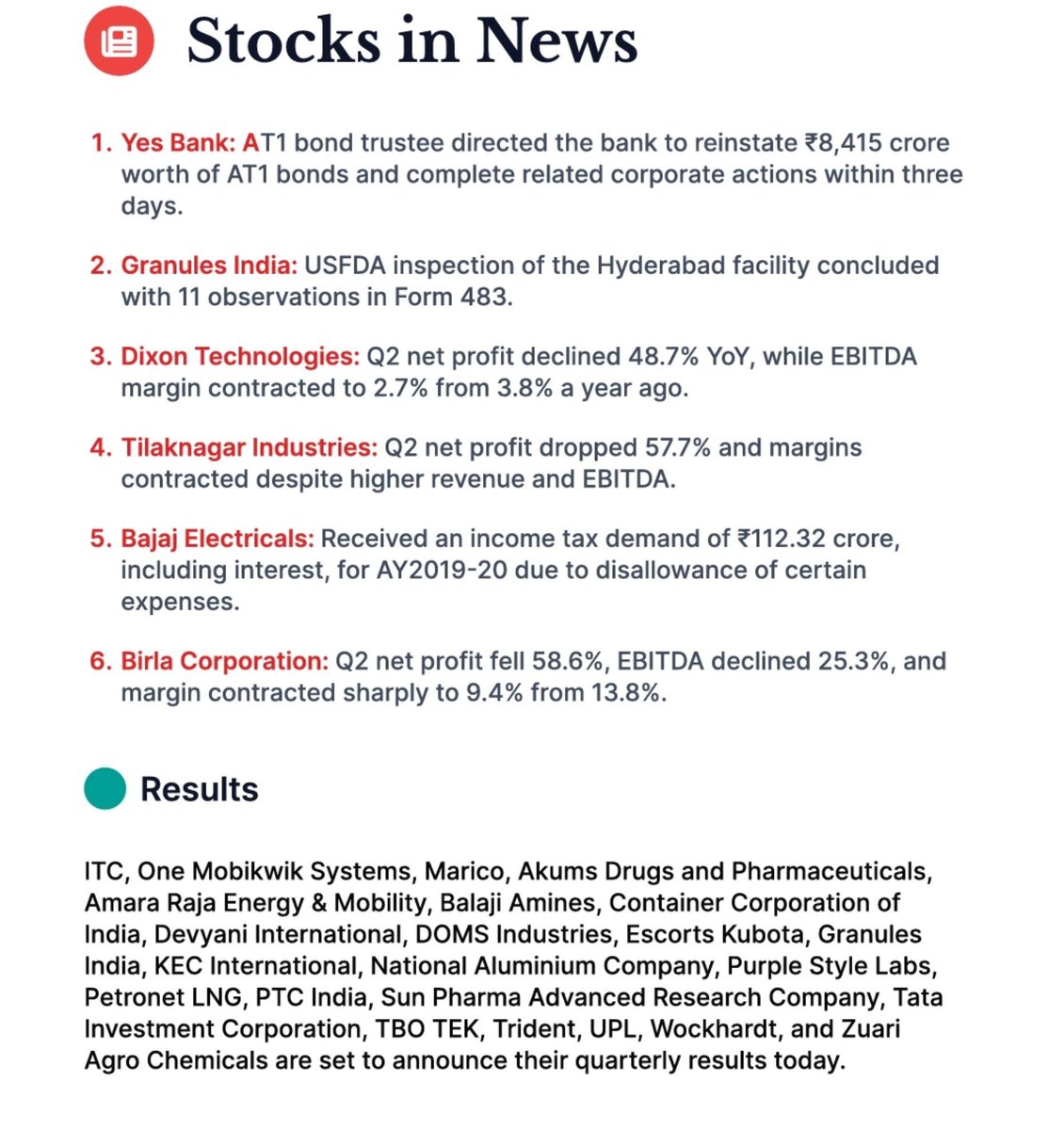
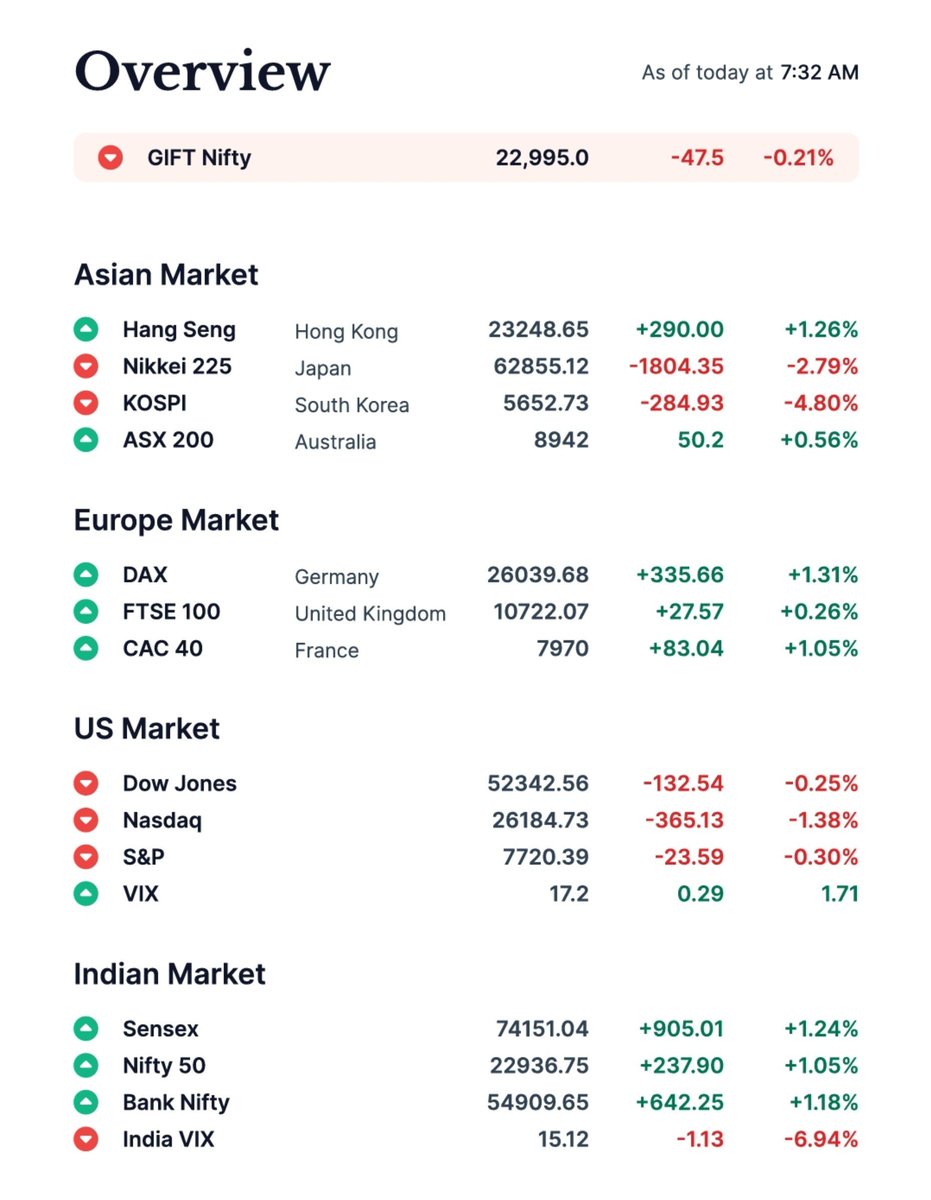
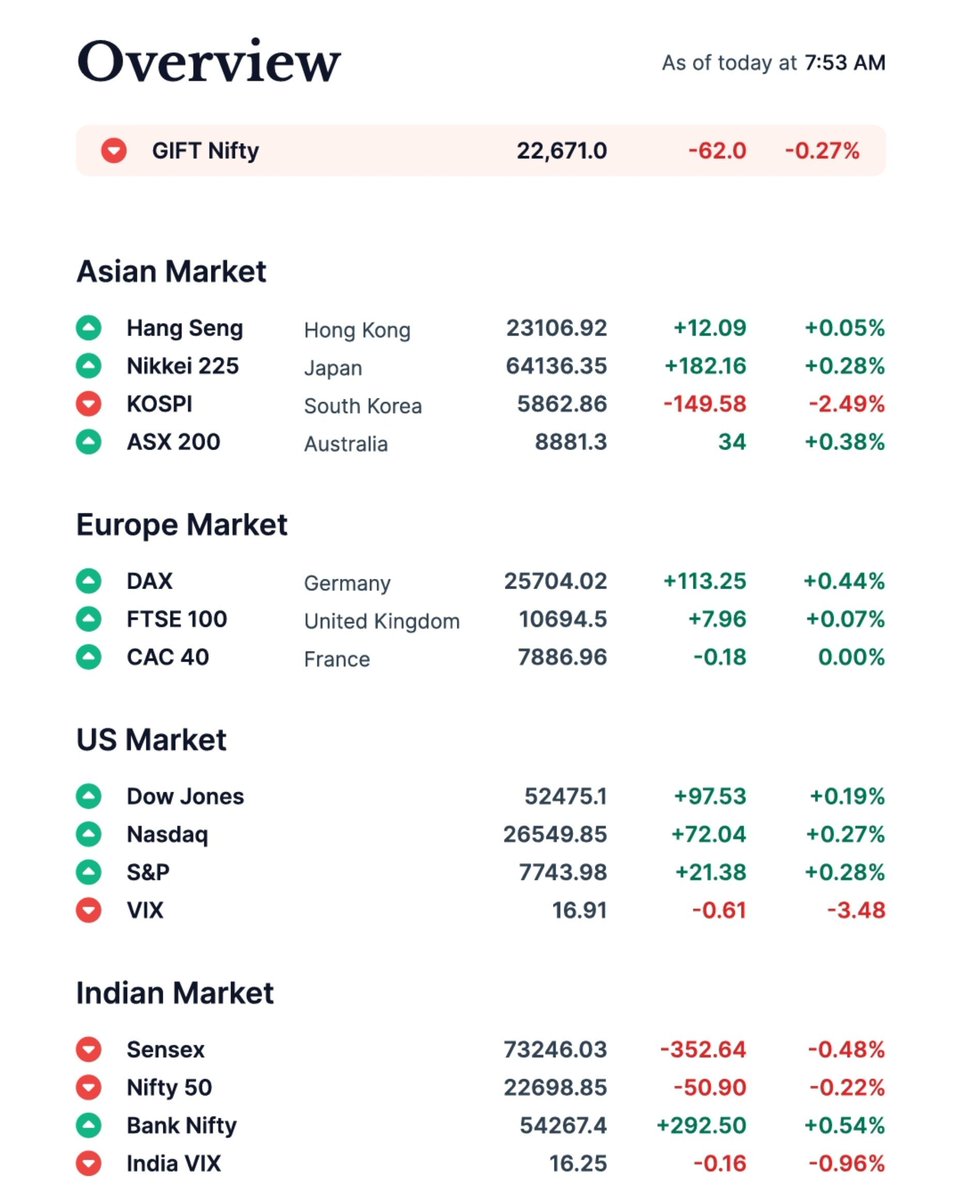
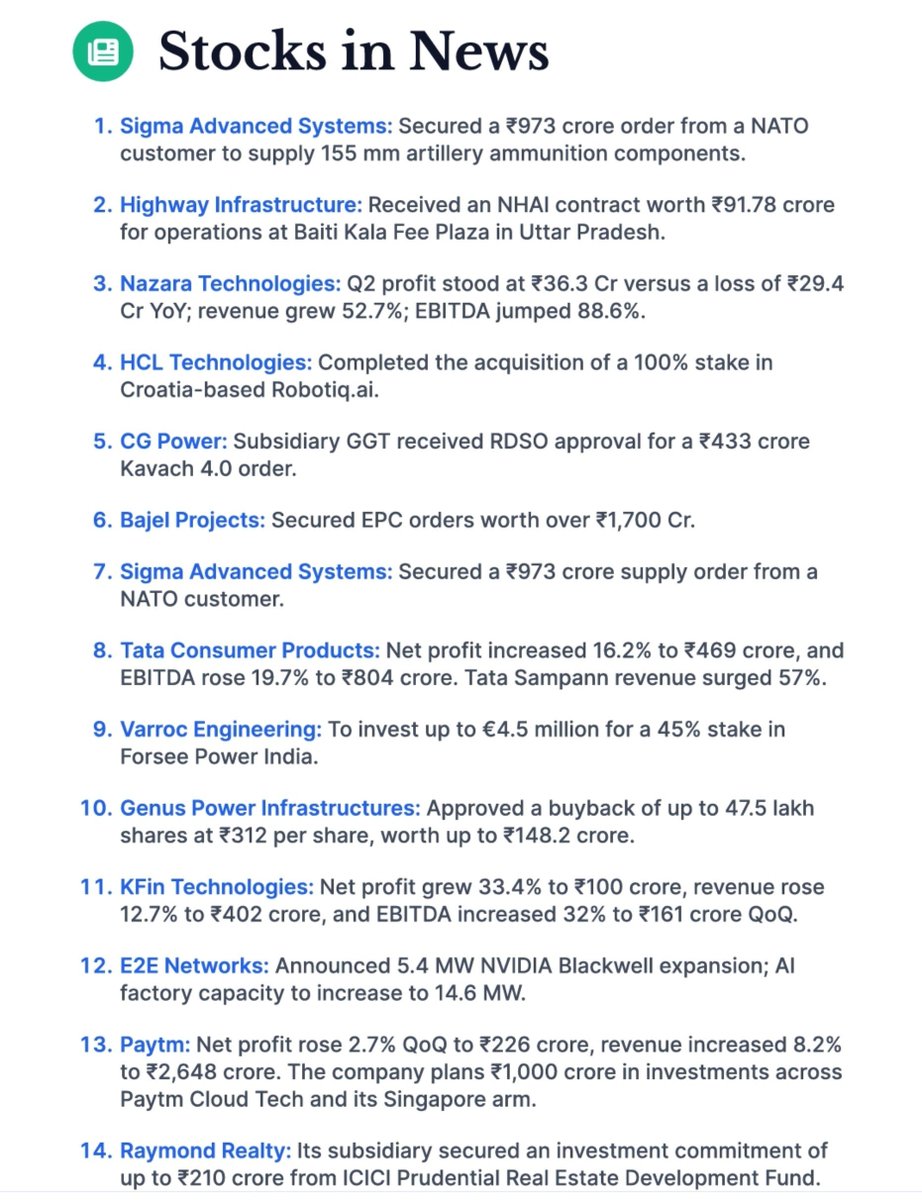
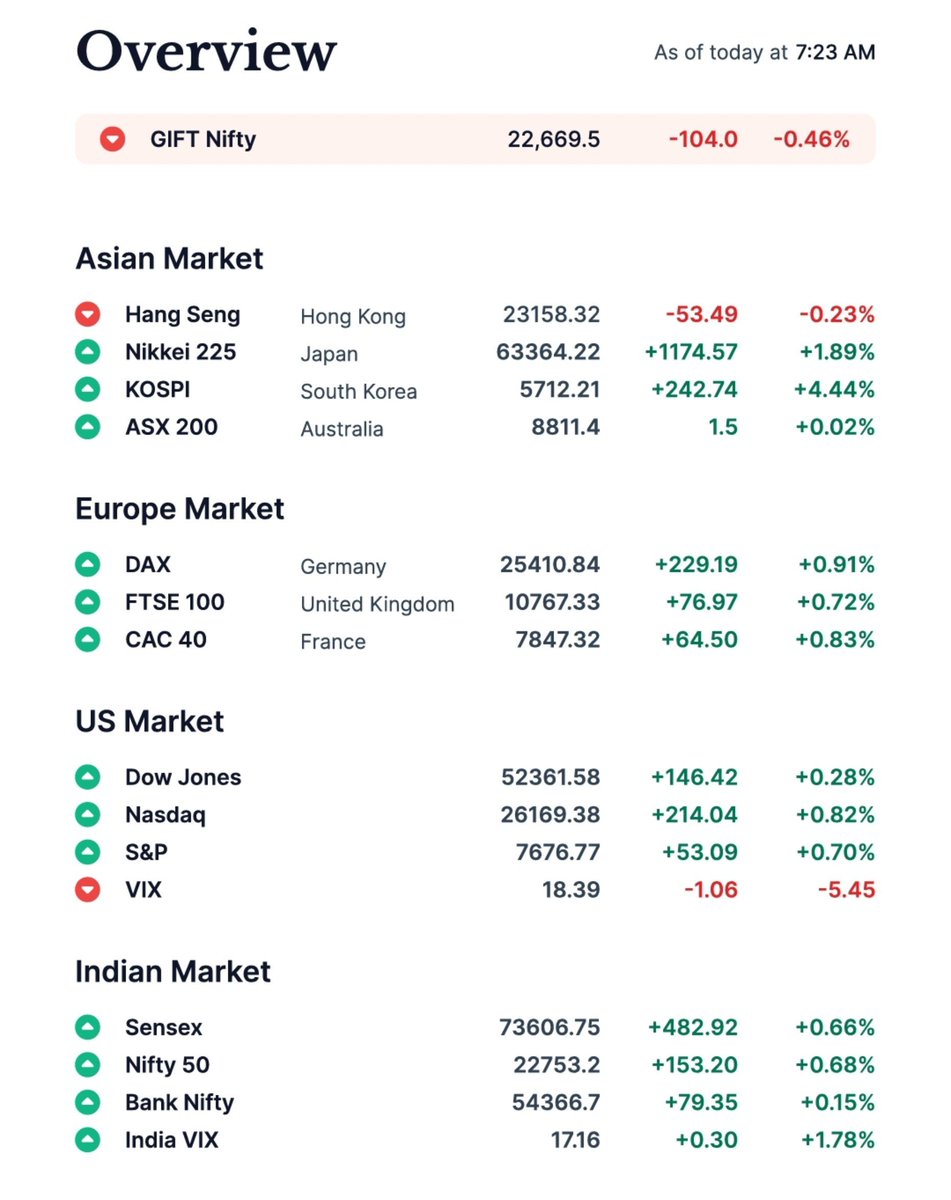
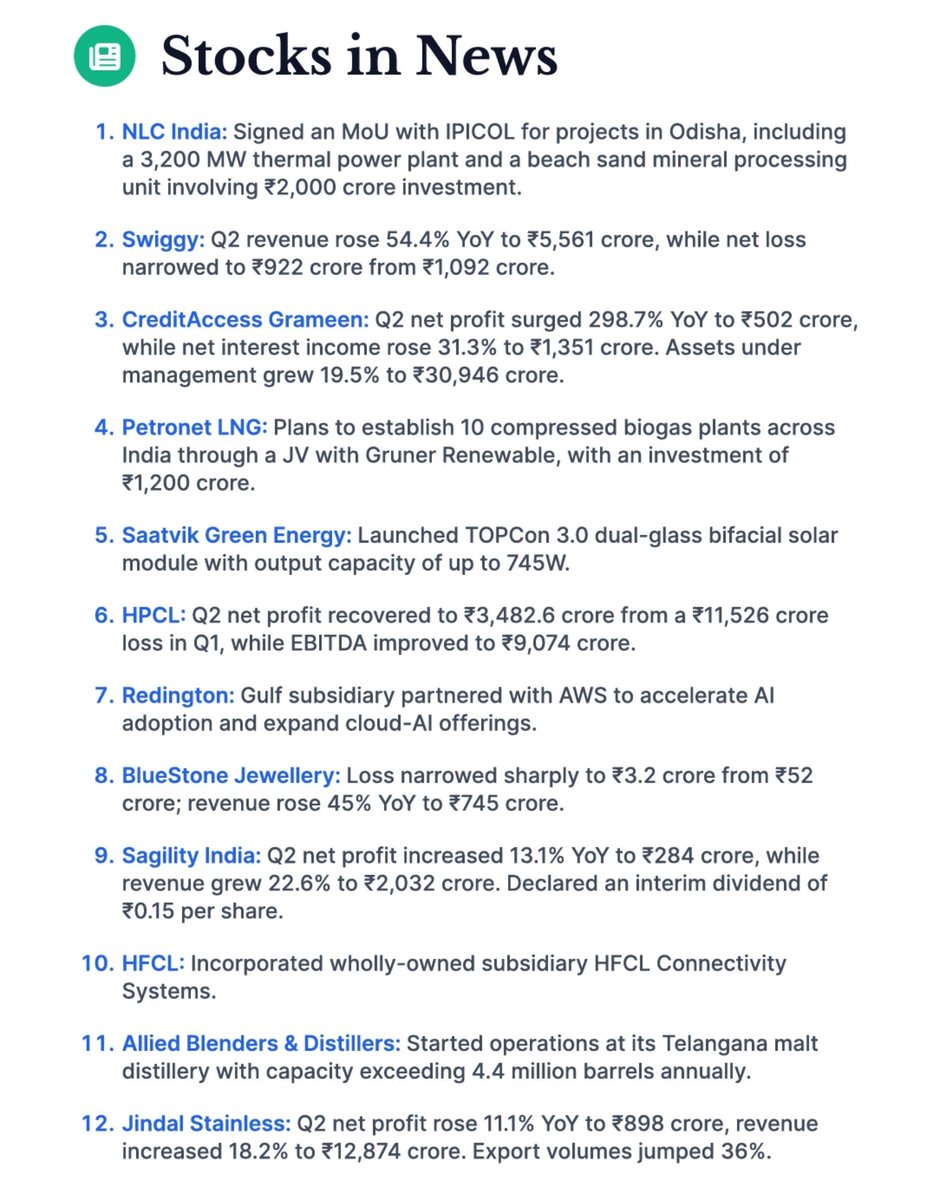
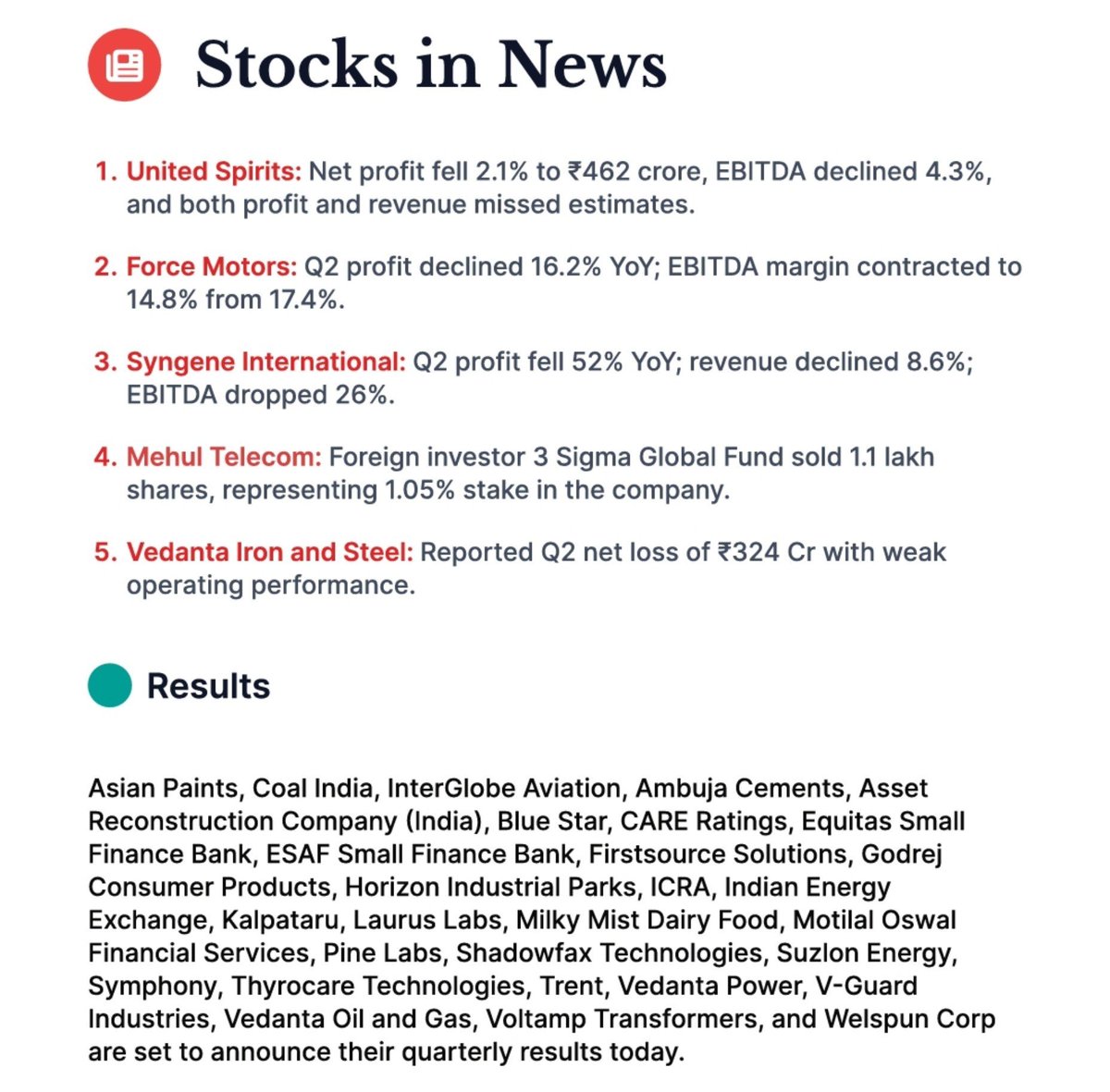
🚨 PRE-MARKET REPORT | 30 OCTOBER -
🌍 Global Cues & GIFT Nifty
📊 FII–DII Activity
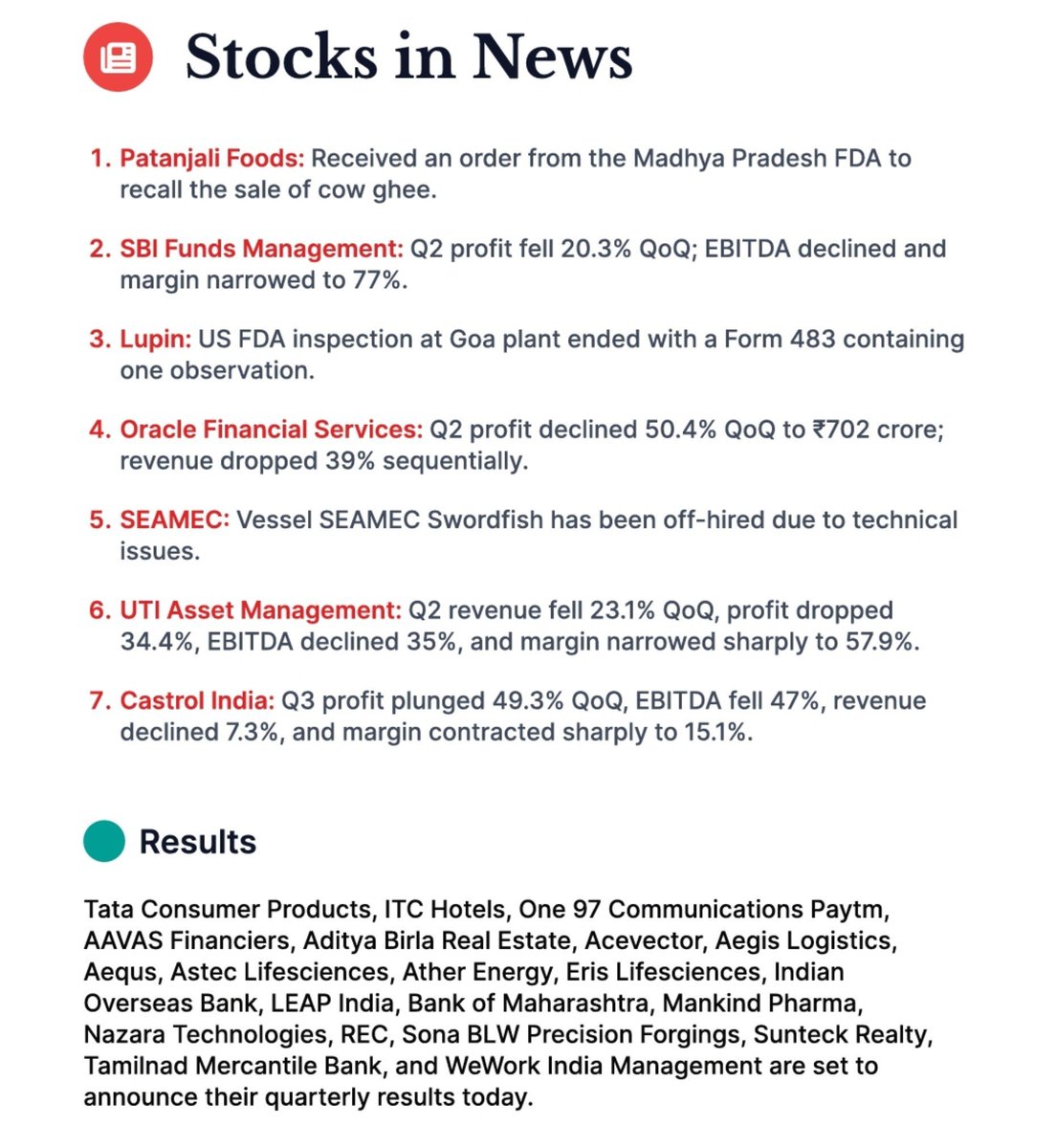
🔥 Stocks in News
📈 Key Levels & Market Triggers
Market में पैसा सिर्फ सही prediction से नहीं, बेहतर preparation और risk management से बनता है।
Read. Analyse. Plan. Then Trade. 🎯
#Nifty #StockMarketNews
Stock Market में सबसे महँगी गलती गलत Stock खरीदना नहीं है।
सबसे महँगी गलती है — सही Stock को गलत वजह से खरीदना।
आपने ₹1,000 पर Stock खरीदा क्योंकि कोई ₹1,500 का Target बता रहा था।
Stock ₹800 आया — आपने Average किया।
₹600 आया — आपने Long-term Investment घोषित कर दिया।
₹400 आया — अब आप Company के Fundamentals खोज रहे हैं।
यही Problem है।
Research खरीदने से पहले होनी चाहिए, Portfolio लाल होने के बाद नहीं।
एक बात याद रखिए:
A falling stock doesn't become cheap just because you bought it higher.
आपके हिसाब से Retail Investors सबसे ज़्यादा पैसा कहाँ गँवाते हैं — गलत Research में या अपनी ज़िद में? #Retail #Traders #moneyview
बनारस के आसमान में जब हमारे जांबाज़ों ने अपना दम दिखाया, तो नज़ारा देखने लायक था! 🇮🇳✈️
गर्व भी, रोमांच भी… और रोंगटे खड़े कर देने वाला एहसास भी! ❤️🔥
#IndianAirForce#varanasi#kashi