Your data is lying to you. Here’s how technical artifacts distort biology—and how to see the truth. 👇
1/ Beautiful t-SNE? Shiny heatmap?
Look closer.
Technical artifacts can fake whole cell types.
Here’s where the ghosts hide.
Exome sequencing of a Portuguese cohort of early-onset Alzheimer’s disease implicates the X-linked lysosomal gene GLA #neuropath
https://t.co/aswKjHDgpj
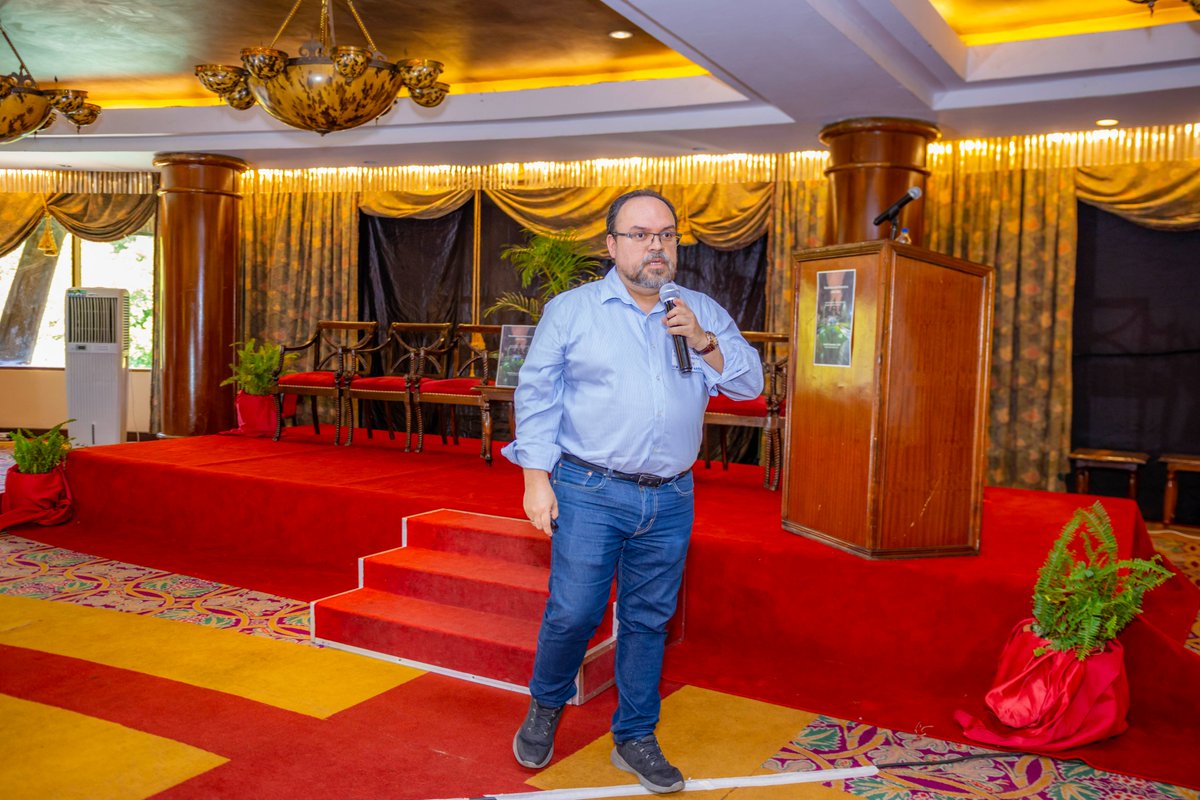
Last week at the Dementia and Brain Ageing in LMICs 2024 Symposium in Nairobi 🦁🦒. We talked a little about Alzheimer's neuropathology 🧠and remember those who left us this year 😢. Thanks to Gladys E. Maestre and Raj Kalaria for the invitation, it was a great meeting!.
Right, only until recently we have been following actual leads to find a cause for Alzheimer's. By the way, that was a brief and accurate profile😀, thanks @UKEHamburg ! https://t.co/TmBOAhQZEz
Many of my papers focus on Tau and not Amyloid-beta. But I could not stand not to report that there is an A-beta predominant form of Alzheimer’s without Tau…maybe they have protective genes against tau pathology?
https://t.co/O7QFbnzyDd
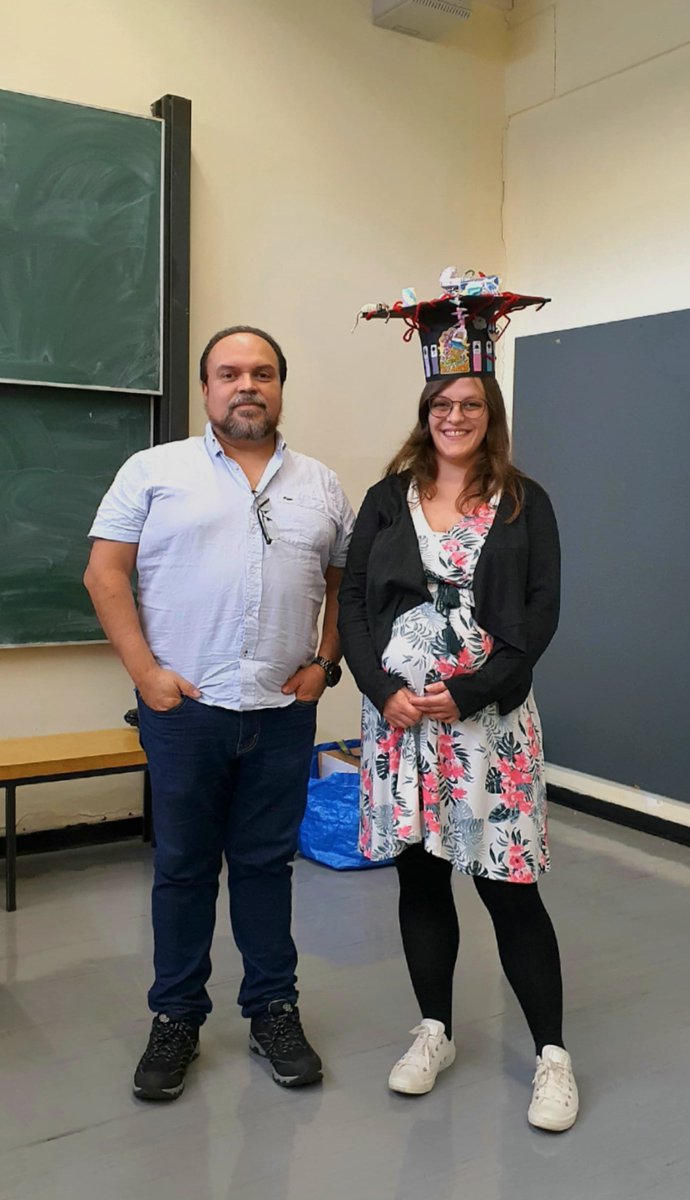
Congratulations to Dr. Lisa @JLisaLittau for her successful thesis defense and comprehensive work in Vacular pathology of Alzheimer's disease! we are very proud of her. 🧠👩🎓🥳 #Alzheimers#PhDs
He was more than a teacher or a mentor to me. A great man, a great scientist, an imperfect human, an example, and a father. He showed us a way to follow, and a task to accomplish, I will humbly do my part in his honor. https://t.co/9YnqpwM5Xd
As one of many scientific children, and a longstanding collaborator of Francisco Lopera, I can only confirm this news with sorrow and restate my support to colleagues, friends, and family for what lies ahead of us.
Who said preparing a grant application is boring? It is great to meet the team that will explore disease heterogeneity in the largest autosomal dominant AD families in the world! 😄 ##AAIC24#ENDALZ@davidaguillon3@neuroudea
I think we certainly can come up with something better. Otherwise, in some years, published data will be useless for actually advancing science. End of rant. 4/4
I am interested in neuronal subtypes and their vulnerability in #Alzheimers, and I am enjoying the latest @manoliskellis paper. I've seen multiple tweets in the last two days, complaining about it because, a) it shows too much without saying nothing, or b) it has too much data 1/
Other examples: we can hardly keep up with the volume of published papers in any field. Peer reviewing is insufficient for really assessing the quality of high density data papers like Manolis'. Paper overproduction gets in the way of validation and reproducibility, etc.. 3/