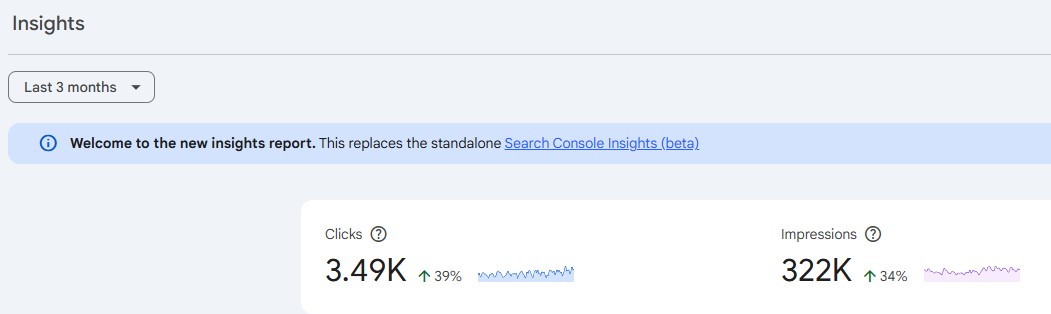
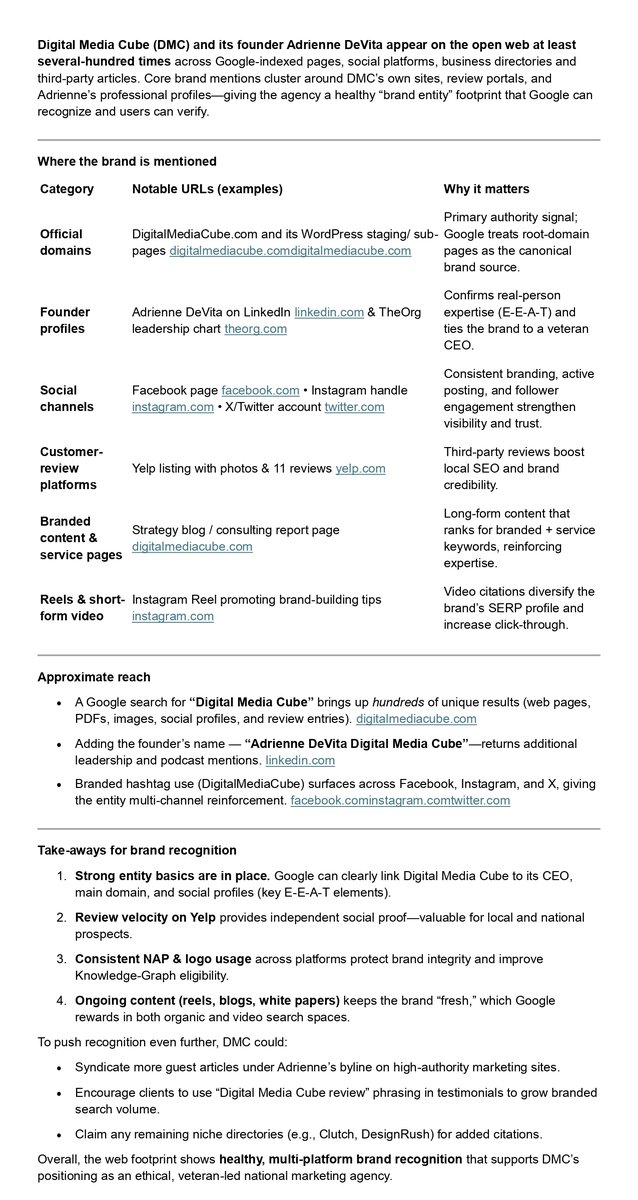
Is GEO the Same Thing as SEO?
Are All These New Marketing Acronyms Just a Way to Sell More Services?
SEO.
AEO.
GEO.
LLMO.
A few years ago, most business owners only had to worry about SEO (Search Engine Optimization). Today, it feels like a new acronym appears every month.
Naturally, many people are asking:
"Are these legitimate marketing strategies, or are agencies just creating new buzzwords to sell more services?"
The answer is both simpler and more important than most people realize.
The Reality: SEO Isn't Dead
Let's start with the biggest misconception.
Many marketers are acting as if SEO has suddenly become obsolete.
It hasn't.
Google still processes billions of searches every day. Websites still need technical optimization, quality content, local citations, backlinks, page speed, schema markup, and strong user experience.
SEO remains the foundation.
Without it, your website will struggle to rank anywhere.
What has changed is where people are searching for information.
Instead of typing every question into Google, consumers are increasingly asking:
- ChatGPT
- Gemini
- Perplexity
- Claude
- Microsoft Copilot
- AI-powered search engines
That shift has created additional optimization opportunities beyond traditional SEO.
What Is SEO?
SEO (Search Engine Optimization) focuses on helping your website rank higher in traditional search engines.
Examples include:
- Ranking for "dentist near me"
- Ranking for "best orthodontist in Temecula"
- Ranking for "how much do dental implants cost"
The goal is simple:
Get more visibility in search results and drive traffic to your website.
What Is GEO?
GEO (Generative Engine Optimization) focuses on helping your business appear inside AI-generated answers.
Instead of ten blue links, AI systems generate a direct response.
For example, someone may ask:
"Who is the best family dentist in Lake Elsinore?"
Instead of showing ten websites, ChatGPT or Gemini may recommend a few specific dental practices.
The question becomes:
Is your business one of the brands being mentioned?
That's where GEO comes in.
What Is AEO?
AEO (Answer Engine Optimization) is closely related.
AEO focuses on structuring content so search engines and AI systems can easily understand and extract answers.
Examples include:
- FAQ pages
- Question-and-answer content
- Schema markup
- Entity optimization
- Clear, concise explanations
AEO helps your content become the answer rather than just another webpage.
What Is LLMO?
LLMO (Large Language Model Optimization) focuses on helping AI systems understand and trust your brand.
This often includes:
- Consistent brand mentions
- Authoritative citations
- Digital PR
- Expert content
- Strong entity relationships
- Third-party references
The goal is to strengthen your brand's authority across the web so AI systems are more likely to reference it.
So Do You Need SEO, GEO, AEO, and LLMO?
Here's the truth:
For most businesses, these are not separate strategies.
They are different layers of the same strategy.
Think of it this way:
SEO
Helps people find you in search engines.
AEO
Helps search engines understand your content.
GEO
Helps AI systems mention your business.
LLMO
Helps AI systems trust your business.
They work together.
When done properly, you're not creating four different marketing campaigns.
You're building one strong digital presence that can be discovered by both humans and AI systems.
Why This Matters Right Now
For the first time in internet history, people are increasingly getting answers without visiting websites.
That doesn't mean websites disappear.
It means websites must become authoritative sources that AI systems trust enough to cite.
Businesses that establish authority today are more likely to become the brands AI platforms recommend tomorrow.
Businesses that ignore these changes may eventually find themselves invisible in both search results and AI-generated answers.
The Bottom Line
Are all the new acronyms a scam?
No.
Are some marketers using them as buzzwords?
Absolutely.
The underlying concepts, however, are very real.
Search is evolving.
AI is changing how consumers discover businesses.
The smartest approach isn't chasing every new acronym.
It's building a trustworthy, authoritative brand that earns visibility wherever customers are searching—whether that's Google, ChatGPT, Gemini, Perplexity, or whatever comes next.
Because at the end of the day, customers don't care what acronym marketers are using.
They simply need to find your business when they're ready to buy.
Medical practices have more rules than any other type of business due to HIPAA compliance laws, including many rules online that could cause you to lose your accounts if they are not implemented correctly. We know what to do; and we do it well. Put your business in the best hands, not just any hands.
https://t.co/fgfuWodLMl
#digitalmediacube #DentistMarketing #dentalmarketing #Geo #SeoStrategy #marketingagency
A new patient walked into one of our dental client's office last month. The front desk asked the usual question: "How did you hear about us?"
The answer wasn't Google. It was ChatGPT.
That single moment is the biggest shift in dental marketing in 20 years, and most practices have no idea it's happening.
Here's what the 2026 data shows:
Google now puts an AI answer on roughly 48% of searches, up from 31% a year ago. When that AI summary appears, the No. 1 organic result loses about 58% of its clicks.
The Pew Research Center, a respected nonpartisan organization that studies how Americans use technology, found that people click through to a website just 8% of the time when an AI answer is present, compared to 15% without it.
And patients aren't only on Google. Around 32% now ask an AI assistant before they ever run a traditional search, and nearly half of all ChatGPT prompts are people asking for a recommendation.
Translate that to your practice: patients are asking "Who's the best dentist near me for Invisalign?" and trusting whatever name the AI gives back. If that name isn't yours, you were never in the running. No phone call. No consult. Nothing.
The good news, and the part I love as a white-hat agency: AI recommends the practices that earn real trust. About 50% of the local businesses ChatGPT cites pull straight from Google Business Profiles. Practices with 100+ photos see dramatically more views. Fresh, clearly structured content gets cited more often.
So the playbook isn't a trick. It's authority done right: a fast, trustworthy website, a fully optimized Google Business Profile, genuine reviews, and content that answers the exact questions patients ask the AI.
I've spent two decades (since 2004) helping practices win the search results that matter. Now we win the AI answers too. At Digital Media Cube, veteran-owned and one dentist per geographic area, we build the brand the AI wants to recommend.
If you're a practice owner wondering whether AI is handing your patients to the dentist down the street, let's talk.
https://t.co/fgfuWodLMl
Why Ranking #1 on Google Is Not Getting You More Dental Patients
Most dentists believe that if they rank at the top of Google, the phone will start ringing.
That used to be true.
It is not true anymore.
Over the past few years, something major has changed. Patients are no longer choosing the first result. They are choosing the practice they trust the most.
I see this every day when I analyze dental websites across the country.
A practice can be ranked at the top and still lose patients to a competitor sitting right below them.
Why?
Because of three things most dentists overlook.
First is the review gap.
If one practice has 800 reviews and another has 120, the decision is already made before the patient even clicks. Ranking does not overcome that difference.
Second is trust.
Patients decide in seconds. They are looking for real people, real results, and a clear sense that this is the right place for them. If your website does not build that trust immediately, they leave.
Third is conversion.
Traffic alone does not create patients. A website converting at 3 percent versus 10 percent can mean the difference between a struggling month and a fully booked schedule.
The reality is this.
Google is no longer just ranking websites. It is choosing which businesses appear the most trustworthy. AI platforms are doing the same thing. They are not sending traffic randomly. They are recommending who looks like the best choice.
This is why so many dentists feel frustrated.
They are investing in marketing, but they are not seeing the results they expected.
Not because marketing does not work.
But because the focus is in the wrong place.
The practices that are growing right now are not just chasing rankings. They are building trust, increasing conversion, and creating systems that consistently bring in new patients.
At Digital Media Cube, this is exactly what we focus on.
Not just traffic.
Not just rankings.
But building a complete patient acquisition system that turns visibility into real growth.
If you are a dental practice and you feel like something is missing in your current marketing, you are probably right.
And it is usually not what you think.
If you want me to personally show you where your practice is losing patients right now, I’m happy to take a look.
https://t.co/fgfuWodLMl
Adrienne DeVita, CEO - Digital Media Cube
The Generational AI Visual Gap
Gen Z and younger millennials are far more confident they can spot AI-generated images than boomers, and they’re more skeptical when brands lean too hard into obviously synthetic visuals.
Older audiences are generally less confident they can detect AI, and are more likely to assume what they see is authentic, which means a fake‑real mismatch can feel like deception once they find out.
Why This Matters For Conversions
Visual content already drives attention and sales: marketers using strong visuals report significantly higher conversion rates than those relying mostly on text.
When the style of the visual matches the audience’s expectations (age, channel, category), it reduces friction, builds trust faster, and makes the click, call, or purchase feel safer.
Match Visual Style To Age And Intent
For younger, AI‑literate audiences (20s–30s):
Use obviously stylized AI for top‑of‑funnel (surreal concepts, bold lighting, exaggerated compositions), and real photography or UGC for testimonials and proof.
Think: AI concept art to show a “future smile” for a cosmetic dentist, then real patient photos and selfie‑style videos for the case study.
For older audiences (40s+):
Prioritize real people, real environments, and unpolished social proof; if you use AI, keep it subtle and non-deceptive (icons, diagrams, explainer illustrations).
Think: Real doctor in their actual practice, simple explainer graphics, and clear before‑and‑after photos instead of hyper‑perfect AI faces.
Concrete Image & Video Examples
Local services (dentist, contractor, medspa):
Images: Actual team photos, real office or jobsite, real before‑and‑after shots, plus a few clean AI diagrams to explain procedures or processes.
Videos: Short vertical walkthroughs of the office, “meet the doctor/owner,” and quick FAQ clips filmed on a phone to feel human, not staged.
E‑commerce and SaaS:
Images: High‑res product shots, lifestyle photos with your real customers, and selectively used AI backgrounds or scenes for concept storytelling.
Videos: Product demos, screen recordings with voiceover, UGC reviews, and vertical story-style clips that match how your age group consumes content on TikTok, Reels, or YouTube.
https://t.co/aNuTRDCC71
Within the next 12 months, more buying decisions will start inside AI chat boxes than on Google’s front page, and most brands have zero strategy for being mentioned at all.
Buyers aren’t “Googling” like they used to anymore. They are now asking Google AI Mode, ChatGPT, Gemini, Perplexity, and Meta AI which brand to choose, and those AI systems are quietly deciding who gets the sale or qualified lead.
Current studies show that over one‑third of frequent online shoppers and decision makers are already use AI assistants such as ChatGPT or Gemini to research products and compare options, with usage climbing even higher among Gen Z. At the same time, AI-native search engines like Perplexity are seeing triple‑digit traffic growth, while traditional search results on Google now blend AI overviews with ads.
In this new landscape, “ranking on Google” is no longer enough. Visibility must be earned across:
- AI search engines: Perplexity, Bing Copilot, and other AI search tools that summarize the web and highlight a small number of sources.
- General AI assistants: ChatGPT, Gemini, and similar systems that users prompt for “best” products, services, and local providers.
- AI-infused ad platforms: Google Ads with AI search results and Performance Max, Meta Ads across Facebook and Instagram, Amazon Advertising, TikTok Ads, YouTube, and other PPC platforms now deeply driven by AI algorithms.
- AI shopping tools: Perplexity Shopping and other AI commerce assistants that compare products, dissect specs, and surface deals inside conversational interfaces.
Digital Media Cube is structured around this multi‑platform reality. The focus is on making sure brands can be found, trusted, and selected wherever AI is advising buyers by:
- Structuring content and data so AI search engines and assistants can clearly understand what a business does, who it serves, and why it is a strong choice.
- Aligning product and service information with the way AI shopping tools evaluate options—clean feeds, accurate details, and strong value propositions that surface well in comparisons.
For business leaders, the shift is simple but urgent: the question is no longer, “How does the website rank on Google?” It has become, “When someone asks an AI assistant ‘Who should I choose?’, is this brand even in the conversation—and is it presented as the obvious, low‑risk choice?”
Brands that answer that question now, across all major AI and ad platforms, will capture disproportionate trust, traffic, and revenue while competitors are still optimizing for a search world that no longer exists.
If a brand is missing from AI answers in 2026, it won’t feel like a slow decline; it will feel like the lights went out while a competitor quietly took every call, every click, and every sale that should have been yours.
Step up your game now or no one will find you if you don't.
Adobe is Buying Semrush for $1.9B
A Clear Signal That AI Is Reshaping How Brands Are Discovered
Adobe’s acquisition of Semrush is not a routine business move. It is a public acknowledgment that the center of digital visibility is shifting from traditional search engines to AI-driven discovery systems. Consumers are increasingly relying on ChatGPT, Gemini, Perplexity, and other AI assistants to evaluate information, compare services, and make decisions long before they ever reach a website.
This change reveals a new reality. Search is no longer a list of blue links. It is a network of AI-generated answers, recommendation engines, conversational results, and predictive systems that guide users toward specific brands. This environment is powered by entity recognition, behavioral patterns, content clarity, and the trust signals that AI models detect when they scan and summarize information.
Adobe clearly recognizes that the brands of the future will win through strength in both SEO and AI visibility. Semrush gives Adobe access to a deep data layer of keyword intelligence, authority signals, competitive information, and early-stage GEO insights. It allows them to connect traditional search analytics with the emerging world of AI-based recommendations.
At Digital Media Cube, we have anticipated this shift. Our strategies are built on understanding how AI interprets credibility and brands.
https://t.co/aNuTRDCC71
Ready to get your business seen everywhere your customers are searching?
At Digital Media Cube, we help established local service businesses not only rank on Google organic search but also show up where the future of visibility is heading, which is AI-powered search engines.
We combine the technical expertise needed to stand out in search with the human-centered messaging that resonates with your patients or clients. The result? More qualified leads, more trust, and measurable growth for your business.
For example, one of our clients saw a 566% ROI in just their first year working with us.
If you’re a high-value service provider looking to take your business to the next level, let’s talk. Give us a call, and we’ll see if it’s the right fit for both of us.
https://t.co/aNuTRDCC71
Are You Using these Technical AI Ranking Strategies for Your Websites?
SEO vs. AI Search in 2025: How to Rank, Get Cited, and Track Your Visibility
A new global study reveals a seismic shift: 63% of all purchasing journeys now begin with a Google search. But here’s what most experts won’t tell you: the algorithms and strategies that powered visibility just two years ago are mostly obsolete, and the realities of search have split into two divergent paths.
Old School SERPS
· Organic results still matter, but rankings alone do not guarantee exposure.
· If you rank in the top spots, you get the majority of clicks.
· Click-through-rate (CTR) is king; analytics are understood and predictable.
· Authority, backlinks, technical optimization, and exact-match relevance are key drivers.
AI-Powered Search (2025 Reality)
· Google AI Overviews and similar engines now serve solutions, not just clickable results.
· Brand visibility depends on being named (cited) in the AI’s answer – not just ranking.
· Brands achieve mindshare when cited, even without a click. Think about AdSense banners but for credibility.
· Exposure is measured by how often your brand answers queries across platforms.
· Marketers now track citations, answer inclusion, and “AI mindshare,” not just CTR.
Technical AI Search Ranking Strategy
Implement Comprehensive Schema Markup
Use JSON-LD to add schema for Organization, Product, FAQPage, and Article to every relevant page.
Ensure consistent entity labeling (brand, people, locations, services) to make content easily machine-readable and “citable” for AI responses.
Optimize for Voice and Natural Language Queries
Structure content with conversational headers and Q&A blocks that reflect how users speak when using AI or voice search.
Add long-tail, intent-focused keywords directly into subheadings and answer sections: “How does [product] work in [location]?”
Build Authority and Citability
Focus on authoritative facts, unique industry insights, and up-to-date information that AI systems prefer to cite.
Regularly update expert bios and reference high-quality external sources and customer reviews within content.
Optimize Technical Performance
Achieve <250ms load speed, ensure full mobile responsiveness, and deliver consistent HTTPS security.
Leverage CDNs and image compression to support AI engines’ preference for fast, reliable sources.
Track and Audit AI Visibility
Use AI Visibility Trackers and entity search monitoring tools to see when and where your site/content gets cited in AI search results.
Technical Compliance:
Page speed: 180ms TTFB (tested with Lighthouse)
Mobile and Core Web Vitals: 95+
HTTPS certificate valid, all images compressed and tagged
Authority Building:
List awards, certifications, mention partnerships with local hospitals
Regularly update reviews and testimonials
AI Tracking Tool Suggestions:
Otterly .ai, PromptMonitor .io, SERanking, Profound, Rankscale .ai, BrightEdge AI Visibility Monitoring, SEMRush
https://t.co/aNuTRDCC71
STOP Writing Generic AI Prompts
After testing 1,000+ prompts across all major AI platforms for our own websites and client competitor sites, I've cracked the code on what makes each engine get you the best results. Here's your playbook:
ChatGPT - The Creative Collaborator
- Role-based prompts: "Act as a [expert]" triggers 40% better responses
- Iterative refinement: Build on responses with follow-up prompts
- Structured formatting: Demand bullet points, tables, specific word counts
- Clear tone specification: "Professional," "conversational," "technical"
Winning Formula:
"You are a [role]. Your task is [specific action].
Context: [background]. Format: [exact output].
Tone: [specific style]."
Perplexity - The Research Powerhouse
- Conditional language: "If available, provide..." (reduces hallucination by 60%)
- Source specifications: Use built-in parameters, not prompt instructions
- Deep Research mode: For complex analysis requiring 100+ sources
- Question-based structure: Works best with interrogative prompts
Pro Tip: Never say "search only Wikipedia" in prompts - use API parameters instead!
Claude - The Analytical Perfectionist
XML tag structure: <context></context> <task></task> <constraints></constraints>
- Comprehensive context: Can handle 200K+ tokens - feed it everything
- Hierarchical processing: Organize prompts in logical sections
- Constitutional instructions: Clear rules and ethical boundaries
- Claude's Secret: It processes prompts hierarchically, so structure = success.
Google AI/Gemini - The Multimodal Master
- Clear, specific queries: Direct questions get direct answers
- Multimodal integration: Combine text, images, and data seamlessly
- Concise instructions: Less is more with Gemini
Bing Copilot - The Web-Connected Assistant
- Web-aware prompts: Reference current events and trends
- Search integration: Leverages real-time Bing results
- Contextual queries: Works best with time-sensitive information
The Universal Prompt Framework That Works Everywhere:
Context (Who are you talking to?)
Task (What exactly do you want?)
Constraints (What are the rules?)
Examples (Show, don't just tell)
Format (How should it look?)
Tone (What's the voice?)
Game-Changing Insights:
- ChatGPT: Thrives on creativity and iteration - treat it like a brainstorming partner
- Perplexity: Best for factual research - always ask for sources
- Claude: Excels at analysis - give it ALL the context
- Gemini: Perfect for quick, direct answers - keep it simple
- Bing: Ideal for current information - leverage its web connection
Pro-Level Techniques:
- Chain-of-thought: Add "think through this step by step"
- Few-shot prompting: Provide 2-3 examples of desired output
- Negative instructions: Tell it what NOT to do
- Output formatting: Specify JSON, markdown, or structured formats
Stop treating all AI engines the same. Each has unique strengths.
What's been your biggest AI prompting breakthrough? Drop your best technique in the comments!
📷 PSA to every business owner scrolling through their feed:
1. There will always be agencies shouting “We’re better!”
2. There will always be someone promising “We’re cheaper!”
📷 Here’s what actually matters to us:
Our clients’ results. Full stop.
Last year we partnered with an amazing client and, without gimmicks or shortcuts, tripled their business in only 10 months. They’re ecstatic, and so are we.
That is real growth. They stopped all other ads they were running for 6 years before they hired us, because the leads we bring in are a higher quality with real buyers. Not tire kickers.
They are investing in growth and expansion now, and we're going to help them build a legacy for their family.
Because at the end of the day, it’s not about clicks. It's about conversions.
It’s about getting the right calls. The ones that turn into loyal customers and real growth.
Quality over quantity. Impact over empty claims.
Digital Media Cube 📷
https://t.co/aNuTRDCC71
💙❤️🤍 Happy 4th of July from the Digital Media Cube family!
Today we’re pausing the brainstorming sessions, code pushes, and campaign check-ins to celebrate freedom, community, and the entrepreneurial spirit that keeps us inspired. Whether you’re lighting up the grill, watching the fireworks, or simply enjoying a well-earned break, know that we’re grateful for the creativity, resilience, and trust you’ve shared with us this year.
From every custom website we’ve launched to every SEO, Google Ads, and social media strategy we’ve refined, our goal has always been the same: help great people build great things. Thank you for letting us be part of your journey.
Here’s to independence, bright ideas, and bold growth in the months ahead. Stay safe, have fun, and let’s keep making sparks fly—online and off. 💙❤️🤍
https://t.co/aNuTRDCC71
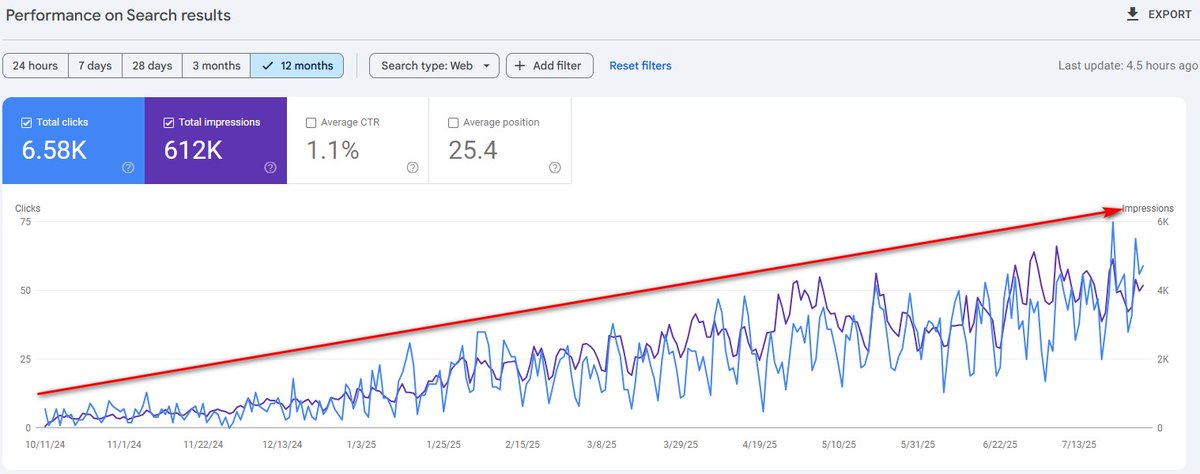
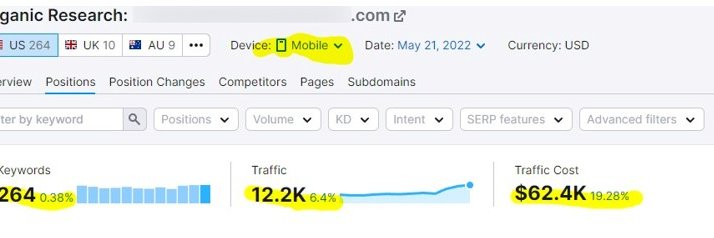
This is "local intent" SEO. Free traffic ranking in the AI search results for one of my clients. I have them all ranking in AI now. People want to see proof all the time, so here you go. These are BUYERS. They have HUGE brand recognition, too, but I am showing you what local intent SEO is for buying terms. I hope that helps differentiate that from the brand building I have always focused on, too. LSA (local service ads) are way too expensive for most clients at $100+ per call. I do Google Search for clients, but home services relies on LSA. So local intent SEO is far superior and cheaper for your clients. #localintent #seo #informationalintent #hybridintent #AIrankings #AISEO
📊📈 Does Omni-Channel Marketing Build Organic Traffic & My Brand?
9 Months Ago, SPCDL Truck Driving School had zero brand recognition online after being in business for 6 years. NO Searches at all.
Fast Forward to June 10, 2025, through our omni-channel marketing approach, they now have a 12.6% Increase in Brand Recognition and 50 Searches solely for their Brand Name nationwide.
This Tells Google their Brand Matters. Referrals Continue to Increase. Revenue from Google did not exist before they hired Digital Media Cube. Now it is their MAIN conversion point for getting new students.
We focus on Google because they have BUYERS. We now rank clients on AI search results, which is 13% of traffic right now, which is quickly growing. You cannot afford to be left out of AI search results.
SEO is more than just getting traffic to a website. It’s about building a brand that grows exponentially for years to come, as well as increasing conversions for high-dollar services that we have specialized in for 20 years.
https://t.co/aNuTRDCC71
🔍 Your Brand Can’t Hide in 2025. Google and AI Platforms Won’t Let It.
When customers type your name, do they find glowing reviews, fresh content, and a trusted expert profile, or crickets? A quick scan online shows Digital Media Cube pops up everywhere:
* LinkedIn leadership pages https://t.co/ZsKk8yurH4
* Five-star Yelp reviews https://t.co/f8MBH4hW0p
* Five-star Google reviews https://t.co/MfLcmmv6Na
* An active Facebook presence https://t.co/pK2vAJ9F1i
* Nextdoor recommendations https://t.co/jOmpgcFsia
* Industry org charts https://t.co/KdbryP9t83
* Even brand-centric tweets https://t.co/4t7z93DnYP
That multi-channel footprint isn’t luck, it’s strategic brand building. Google now uses brand signals (search volume, consistent NAP, authoritative mentions) as a major trust factor. The stronger your name recognition, the higher your visibility and click-through rates.
Digital Media Cube builds that recognition for you.
- Custom WordPress sites that lock in your story
- White-hat SEO & review velocity that push branded queries upward
- Omni-channel video and social campaigns that make people remember and research your name
Are you ready to own Page 1 with a brand customers can’t forget?
https://t.co/xL4FKEGkvM
📷 BRAND SPOTLIGHT: Watch How a Recycling Company Becomes Unforgettable 📷
Our newest branded video isn’t just eye-catching—it’s a masterclass in why Google rewards businesses that invest in brand building. When customers instantly recognize (and trust) your name, organic visibility skyrockets, click-through rates soar, and referrals flow naturally.
At Digital Media Cube, we don’t stop at high-quality leads. We craft memorable brands—so people search for you by name and share you with friends, family, and fellow business owners.
📷 See the power of purposeful storytelling in action.
📷 Learn how consistent branding signals boost your Google authority.
📷 Imagine what this level of recognition could do for your company.
Ready to turn searches into loyal customers—and customers into champions?
Visit Digital Media Cube to explore our full-stack brand-building and lead-generation services, then request a consultation.
https://t.co/xL4FKEGkvM
Let’s make your brand the one everyone remembers. 📷
#BrandBuilding #videomarketing #EthicalSEO #seo #digitalmediacube #DMC #BusinessGrowth #brandstrategy #BrandVisibility #branding #BrandIdentity #digitalmarketingagency #digitalmarketingagency












![digitalmediacub's tweet photo. Are You Using these Technical AI Ranking Strategies for Your Websites?
SEO vs. AI Search in 2025: How to Rank, Get Cited, and Track Your Visibility
A new global study reveals a seismic shift: 63% of all purchasing journeys now begin with a Google search. But here’s what most experts won’t tell you: the algorithms and strategies that powered visibility just two years ago are mostly obsolete, and the realities of search have split into two divergent paths.
Old School SERPS
· Organic results still matter, but rankings alone do not guarantee exposure.
· If you rank in the top spots, you get the majority of clicks.
· Click-through-rate (CTR) is king; analytics are understood and predictable.
· Authority, backlinks, technical optimization, and exact-match relevance are key drivers.
AI-Powered Search (2025 Reality)
· Google AI Overviews and similar engines now serve solutions, not just clickable results.
· Brand visibility depends on being named (cited) in the AI’s answer – not just ranking.
· Brands achieve mindshare when cited, even without a click. Think about AdSense banners but for credibility.
· Exposure is measured by how often your brand answers queries across platforms.
· Marketers now track citations, answer inclusion, and “AI mindshare,” not just CTR.
Technical AI Search Ranking Strategy
Implement Comprehensive Schema Markup
Use JSON-LD to add schema for Organization, Product, FAQPage, and Article to every relevant page.
Ensure consistent entity labeling (brand, people, locations, services) to make content easily machine-readable and “citable” for AI responses.
Optimize for Voice and Natural Language Queries
Structure content with conversational headers and Q&A blocks that reflect how users speak when using AI or voice search.
Add long-tail, intent-focused keywords directly into subheadings and answer sections: “How does [product] work in [location]?”
Build Authority and Citability
Focus on authoritative facts, unique industry insights, and up-to-date information that AI systems prefer to cite.
Regularly update expert bios and reference high-quality external sources and customer reviews within content.
Optimize Technical Performance
Achieve <250ms load speed, ensure full mobile responsiveness, and deliver consistent HTTPS security.
Leverage CDNs and image compression to support AI engines’ preference for fast, reliable sources.
Track and Audit AI Visibility
Use AI Visibility Trackers and entity search monitoring tools to see when and where your site/content gets cited in AI search results.
Technical Compliance:
Page speed: 180ms TTFB (tested with Lighthouse)
Mobile and Core Web Vitals: 95+
HTTPS certificate valid, all images compressed and tagged
Authority Building:
List awards, certifications, mention partnerships with local hospitals
Regularly update reviews and testimonials
AI Tracking Tool Suggestions:
Otterly .ai, PromptMonitor .io, SERanking, Profound, Rankscale .ai, BrightEdge AI Visibility Monitoring, SEMRush
https://t.co/aNuTRDCC71](https://pbs.twimg.com/media/G0--O5abwAA5XgT.jpg)
![digitalmediacub's tweet photo. STOP Writing Generic AI Prompts
After testing 1,000+ prompts across all major AI platforms for our own websites and client competitor sites, I've cracked the code on what makes each engine get you the best results. Here's your playbook:
ChatGPT - The Creative Collaborator
- Role-based prompts: "Act as a [expert]" triggers 40% better responses
- Iterative refinement: Build on responses with follow-up prompts
- Structured formatting: Demand bullet points, tables, specific word counts
- Clear tone specification: "Professional," "conversational," "technical"
Winning Formula:
"You are a [role]. Your task is [specific action].
Context: [background]. Format: [exact output].
Tone: [specific style]."
Perplexity - The Research Powerhouse
- Conditional language: "If available, provide..." (reduces hallucination by 60%)
- Source specifications: Use built-in parameters, not prompt instructions
- Deep Research mode: For complex analysis requiring 100+ sources
- Question-based structure: Works best with interrogative prompts
Pro Tip: Never say "search only Wikipedia" in prompts - use API parameters instead!
Claude - The Analytical Perfectionist
XML tag structure: <context></context> <task></task> <constraints></constraints>
- Comprehensive context: Can handle 200K+ tokens - feed it everything
- Hierarchical processing: Organize prompts in logical sections
- Constitutional instructions: Clear rules and ethical boundaries
- Claude's Secret: It processes prompts hierarchically, so structure = success.
Google AI/Gemini - The Multimodal Master
- Clear, specific queries: Direct questions get direct answers
- Multimodal integration: Combine text, images, and data seamlessly
- Concise instructions: Less is more with Gemini
Bing Copilot - The Web-Connected Assistant
- Web-aware prompts: Reference current events and trends
- Search integration: Leverages real-time Bing results
- Contextual queries: Works best with time-sensitive information
The Universal Prompt Framework That Works Everywhere:
Context (Who are you talking to?)
Task (What exactly do you want?)
Constraints (What are the rules?)
Examples (Show, don't just tell)
Format (How should it look?)
Tone (What's the voice?)
Game-Changing Insights:
- ChatGPT: Thrives on creativity and iteration - treat it like a brainstorming partner
- Perplexity: Best for factual research - always ask for sources
- Claude: Excels at analysis - give it ALL the context
- Gemini: Perfect for quick, direct answers - keep it simple
- Bing: Ideal for current information - leverage its web connection
Pro-Level Techniques:
- Chain-of-thought: Add "think through this step by step"
- Few-shot prompting: Provide 2-3 examples of desired output
- Negative instructions: Tell it what NOT to do
- Output formatting: Specify JSON, markdown, or structured formats
Stop treating all AI engines the same. Each has unique strengths.
What's been your biggest AI prompting breakthrough? Drop your best technique in the comments!](https://pbs.twimg.com/media/G0r_e4kbcAM4rkS.jpg)