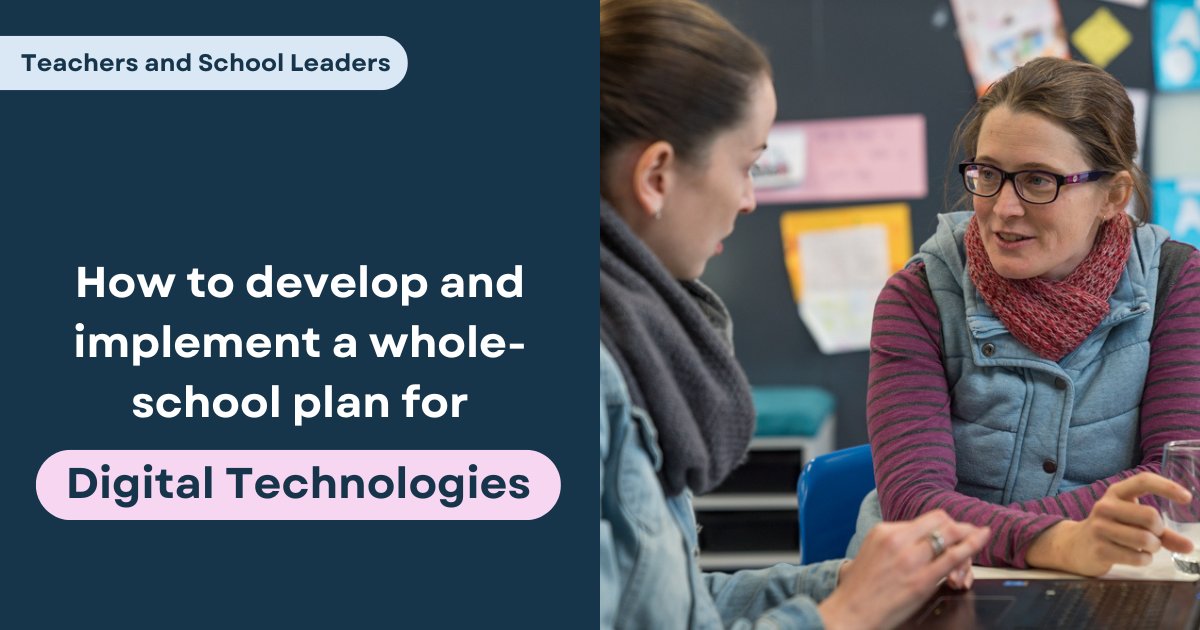
The Digital Technologies Hub has the resources you need to unpack the new Australian Curriculum: Digital Technologies for teachers students & families #AussieEd
We are pleased to announce that module 2 of the AI Readiness course developed by ESA and Microsoft is now available!
Module 2 focuses on how teachers can guide students to use GenAI tools safely, responsibly, and ethically. Dive in now! https://t.co/heDkJmvixV
📝💻 We’ve added a new planning template to the DT Hub!
Try using the new template alongside the Scope and sequence to map out learning with ease.
🔗 Find out more: https://t.co/lNJt7PPqGN
We’re revising our DT Hub topic pages and shifting from curated resource lists to an action-focused topic guide designed around what teachers need.
💬 What do you think of this shift to a more structured, action‑focused approach? What would you want most from a topic guide?
💡💻 Build confidence teaching the Digital Technologies curriculum!
This webinar covers the Scope and Sequence, sample learning sequences, lesson structures and assessment approaches – ideal for teachers to strengthen their practice.
👉 Explore now: https://t.co/wfiUy3bnjj
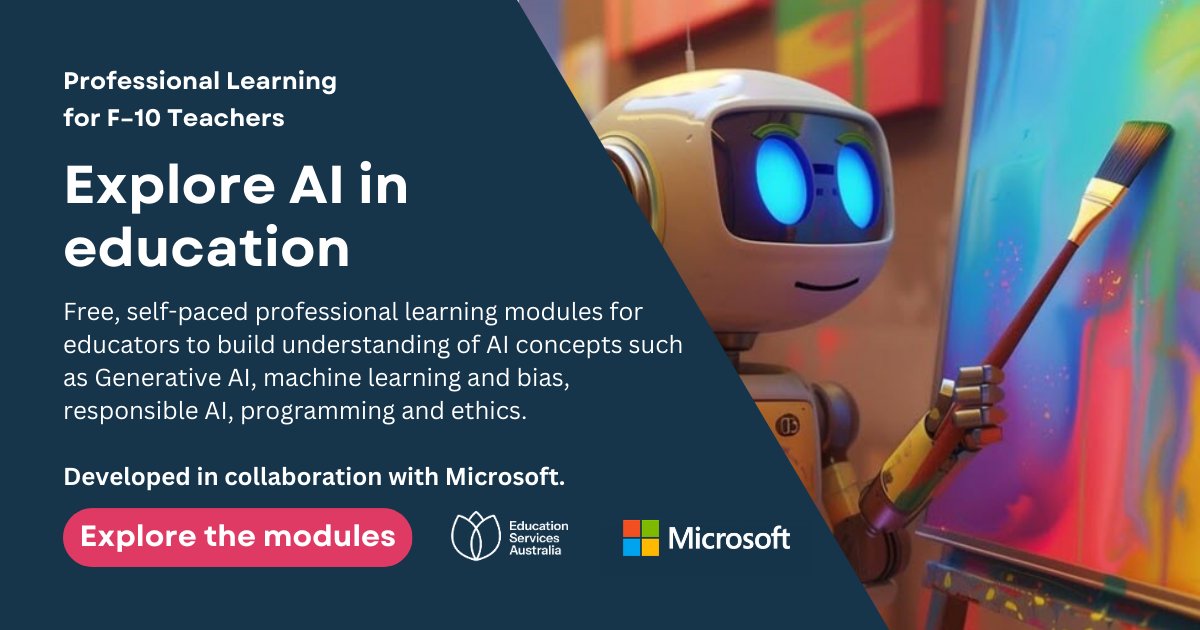
🤖📘AI is changing the way we teach and learn – deepen your understanding and feel confident navigating AI in education.
Explore our free 'Generative AI Readiness and Implementation' professional learning modules for Years F–10 educators!
👉Find out more: https://t.co/FmxBiTcGmQ
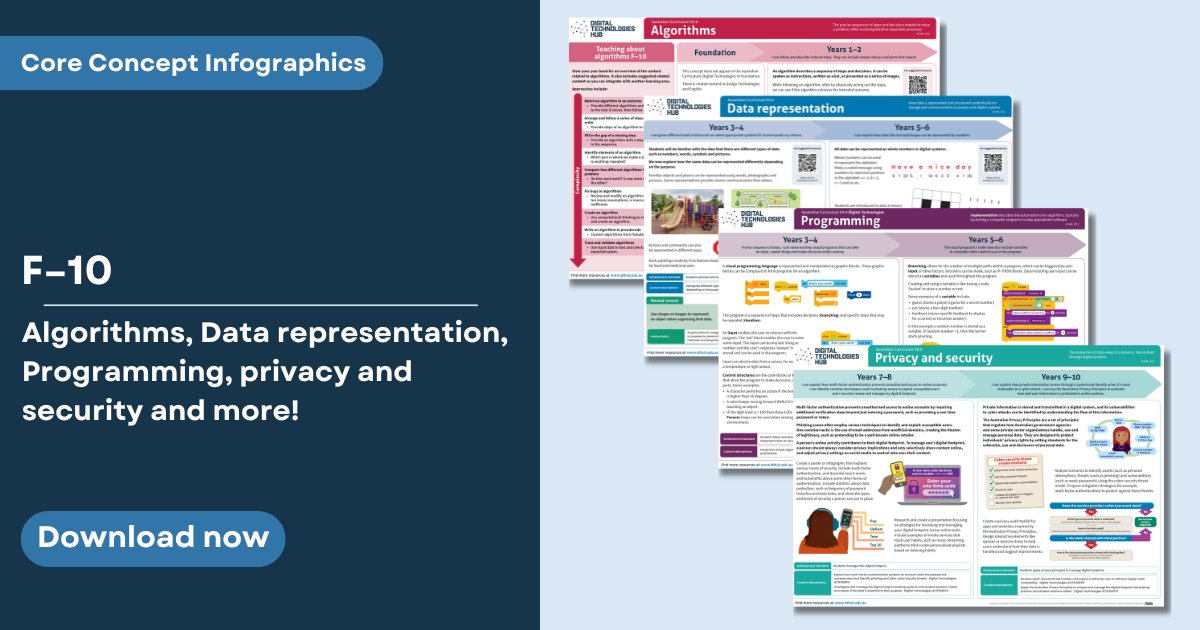
📋 Want to focus your Digital Technologies lessons on what's most relevant for your year level? Our core concept infographics provide a clear, at-a-glance overview of Digital Technologies topics, helping you plan across year levels.
👉 Check them out:
https://t.co/OvUdqUiFkb
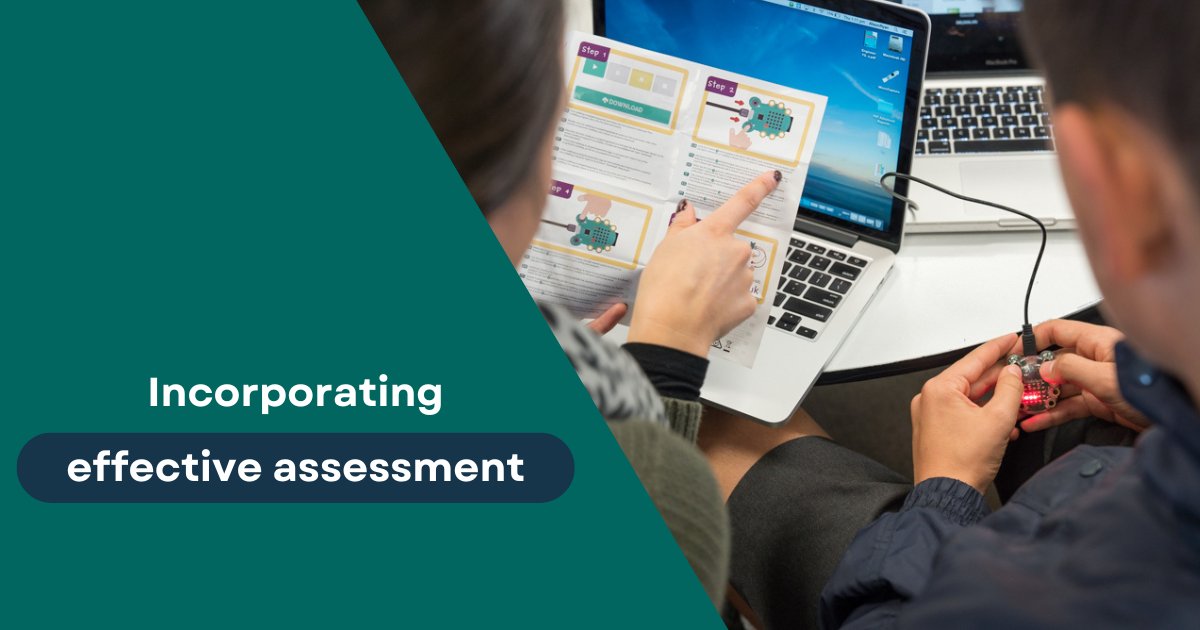
✏️ Not sure what to assess in Digital Technologies – or why? Our teacher-friendly guide to incorporating effective assessment will help you connect learning with meaningful activities.
🔍 Find out more:
https://t.co/yanWcvI8bg
✨⚙️Boost your students’ confidence in digital technologies with our Scope and Sequence! Explore lessons across all year levels and topics – planning for digital technologies has never been easier.
Start planning: https://t.co/Fd1T9qAWXX
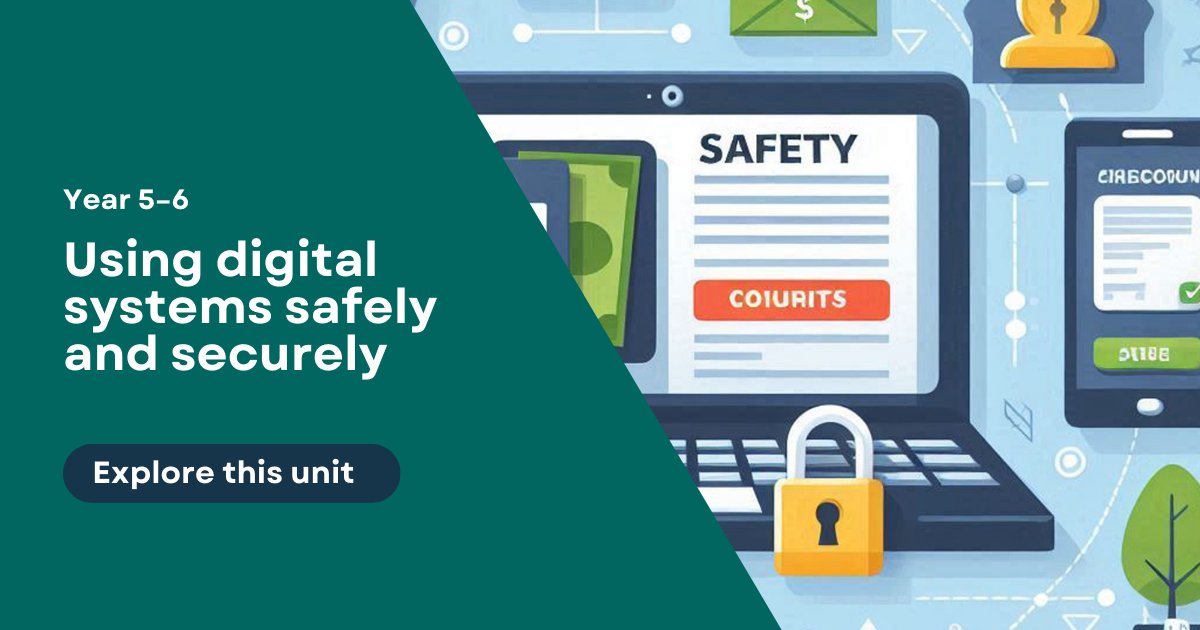
Looking for programming resources? See what’s new in the Digital Technologies Hub Scope and Sequence! ✨Highlight: Digital systems, safety and security – a great resource for Years 5–6!
Explore more resources: https://t.co/Fd1T9qAWXX
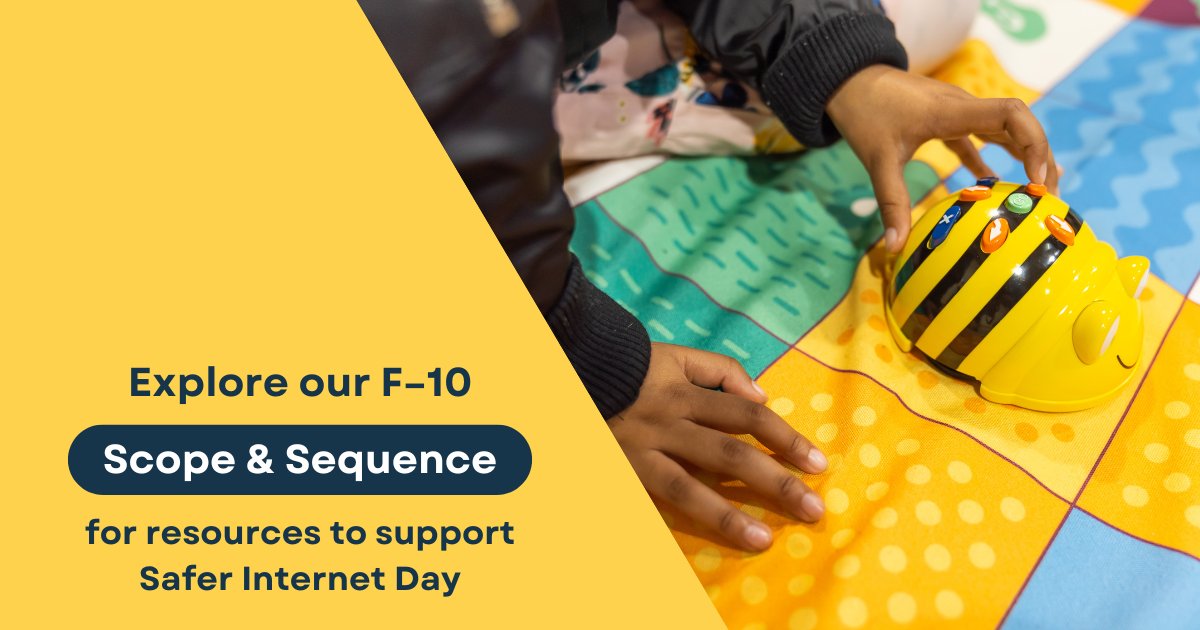
🧑💻Safer Internet Day – Tuesday 10 February 2026. Help students build essential digital safety skills! The Digital Technologies Hub Scope and Sequence includes units for all year levels.
Explore now: https://t.co/Fd1T9qAWXX
📅 ⚙️Is your school ready for 2026?
Start the year strong by reviewing your school implementation plan. Reflect on what’s working, identify gaps and build on what you’ve learned to strengthen future planning.
👉 See more: https://t.co/opouGthQia
🐝 What was our most popular lesson idea in 2025? Buzzing with Bee-Bots! This F–2 lesson introduces students to the concept of algorithms using a step-by-step programming activity.
Check it out: https://t.co/fcMTXQCQdO
🧱 Looking for a fun way to teach students about algorithms? This lesson for Years 3–4 uses the creation of a LEGO figure or model as your guide! Students create and follow an algorithm to complete the task. Check it out: https://t.co/s9wAZ207xk
🧠 As teachers, reflecting on our practice as learners is key. The TPACK model is a simple way to encourage reflection. Use this checklist to assess your technological (TK), pedagogical (PK) and content knowledge (CK).
Explore the model: https://t.co/Afwqc1yrBt
➡️ Choose your own adventure! In this lesson for Years 3-4, students explore the concept of decisions (branching) by planning and creating their own storyboard with a number of decisions that lead to alternative endings. Explore now: https://t.co/RQQdCrwdPM
📚 Explore our Scope & Sequence for F–10! Designed to help you to plan and prepare lessons for the curriculum, it includes: curriculum alignment, engaging tasks, supporting resources, differentiated learning tools, and assessment activities. Get started: https://t.co/Fd1T9qAWXX
🎥 The GiST’s student video comp is back! ‘They did what?’ invites Years F–10 students to uncover and share the amazing stories of unsung Australian STEM stars in a 3-minute video. Get creative, tell a story, and win great prizes!
👉 Find out more: https://t.co/tAuFMgCn9g
📣 It’s back! Our annual student video competition is open now. We’re calling on F–10 students to help us uncover some incredible stories of the unsung Australian STEM stars – with great prizes up for grabs!
📅 Entries close 27 November 2025.
🔗 https://t.co/xldXgScnWA
🥪 How many steps are required to make a vegemite sandwich? This lesson for Years 1–4 introduces students to algorithms and asks them to design a sequence of steps for someone else to follow. Find out more: https://t.co/vKoOT1CjdT
What do ancient trade routes and computer networks have in common? In this Years 7–8 lesson, students compare First Nations trading networks with modern digital ones! Explore cultural knowledge, communication and resource sharing through a digital lens: https://t.co/trQl5ou89q
To support you in guiding your students in safe and effective use of GenAI, explore our new professional learning module! Designed for educators of Year 7–10, it provides strategies for practical, age-appropriate classroom implementation. Check it out: https://t.co/tzsjSgSB4u
📩 Have you subscribed to the DT Hub newsletter? Our Term 3 edition hits inboxes next week! We highlight key topics in the curriculum, spotlight relevant lesson ideas, digest digitech in the news, and find the best PD events nationally.
Subscribe today: https://t.co/9Ly6HFHJRa