DIGYMATEX is an #EU funded #H2020 project (GA 870578) working to develop evidence-based tools for understanding & assessing how kids mature in a digital world.
In a new article for the @ConversationUK, Konstantina Valogianni and Aqib Siddiqui from @IEuniversity, a #DIGYMATEX partner, explore this research on the effects of digital exposure on young minds. 👩🍼👨🍼👉https://t.co/a0JDehXae0 #kids#technology#usage
🚸 How can AI respect children’s rights? What does good look like for AI developers and organisations impacting on children's lives?
🗓️29th April | Online
🕓16:00 to 17:15 (BST)
🔗 Join us tomorrow: https://t.co/dMBXQmyURK
#DigitalFutures4Children@5RightsFound@MediaLSE
Instead of fighting to limit screen time for kids, many parents are opting to use it as leverage to get goals accomplished. We asked experts if this is effective or digging a deeper hole for ourselves. 📳👉https://t.co/dTBFA0zC8t #children#screentime
Para abordar los desafíos tecnológicos actuales, los investigadores han desarrollado una herramienta que mide la madurez digital de los niños, para entender cómo la tecnología afecta su desarrollo psicológico, académico y global. 🧒👧📳👉https://t.co/RzWxdTlQhM #DIGYMATEX
As children demonstrate growing independence and digital maturity, they can progress to restricted smartphones with parental controls, gradually earning more privileges through demonstrated responsibility. https://t.co/jFtX9AMTMI #Kids#Smartphones#DigitalMaturity#ScreenTime
In the context of Australia's new minimum age restriction of 16 for certain services on the horizon, this article by @Livingstone_S et. al. is an interesting read
https://t.co/YE6va2i7aD
Arnd Florack of #DIGYMTEX discusses the challenges of conducting research on digital maturity. He explores work done on the ability of children to use digital tools for their individual growth and to interact with others in a socially appropriate way. 👉https://t.co/MAe2Gn3WVz
Pre-school children's speech and language development is in "steady decline" due to an over-reliance on screen time, an expert has said. https://t.co/kE9XJ6gtbU #UK#Kids#ScreenTime#SocialMedia
Konstantina Valogianni and Alvaro Arenas of @IEuniversity, present their research-based model to evaluate how well children are using technology, at the final conference of the EU-funded #DIGYMTEX project. 👉https://t.co/5khYVN6wc4 #Children#Technology#Usage#Digital#Maturity
“As AI continues to impact education, it’s critical to remember that technology is a tool to support education, not a solution to all challenges - children’s rights must always come first” @aycatabey@5RightsFound@AdaLovelaceInst#DigitalFutures4Children https://t.co/KLACgsmRRt
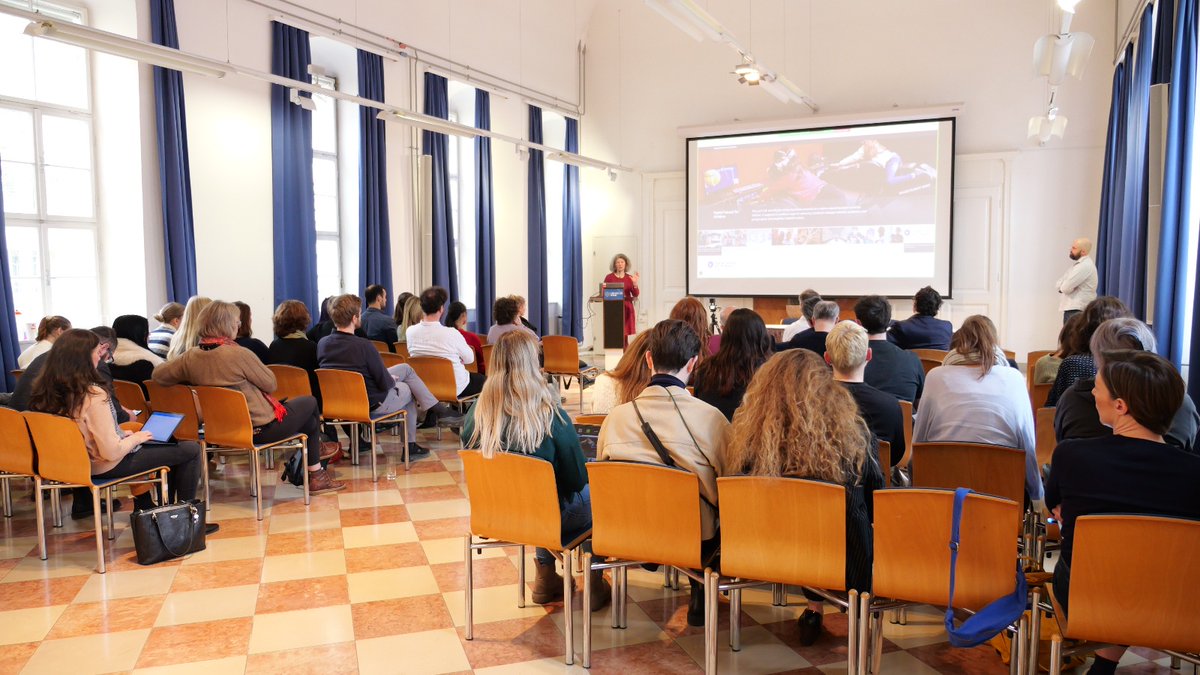
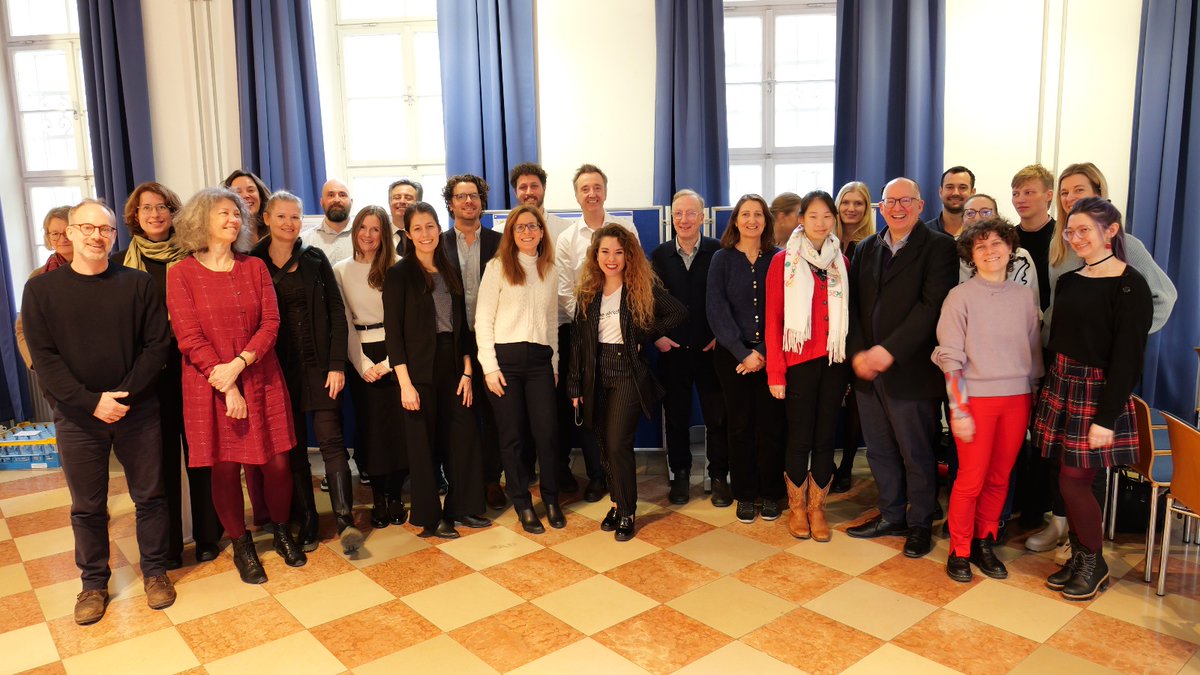
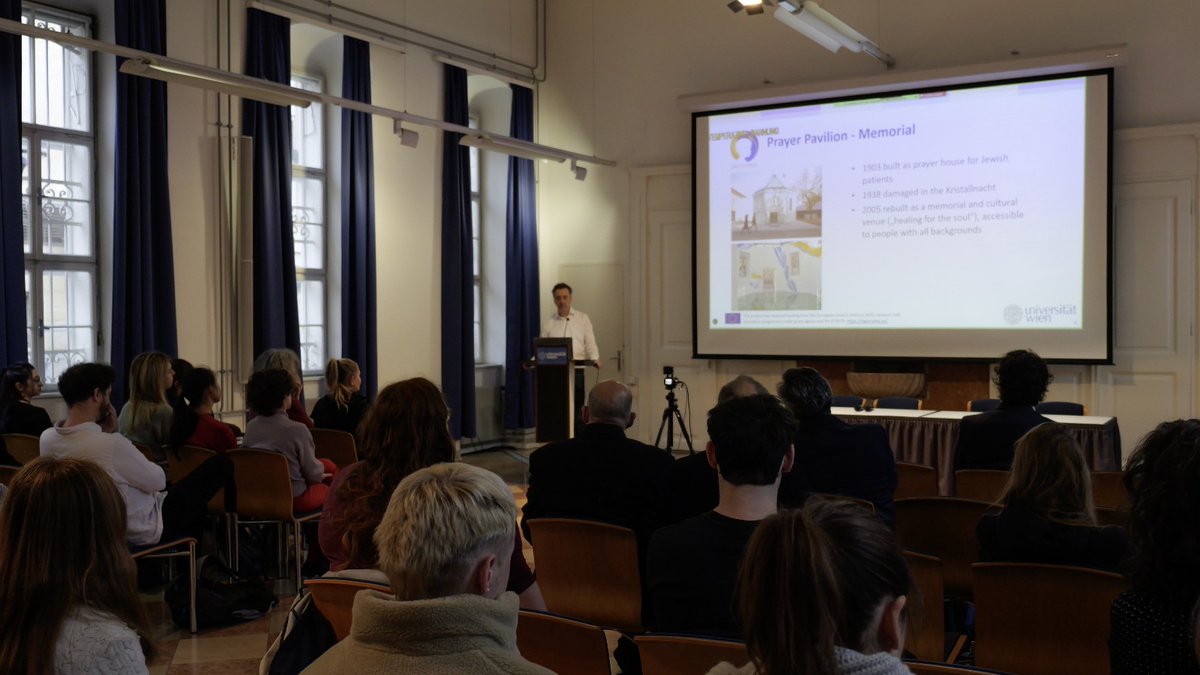
The #DIGYMATEX concluding conference, Growing Up on Screens, is in full swing at Vienna, with insightful discussions and new revelations on screen use by kids.
👉Learn more about the our project: https://t.co/1bbtahVBUT #Children#Digital#Maturity#Research#Technology#Usage
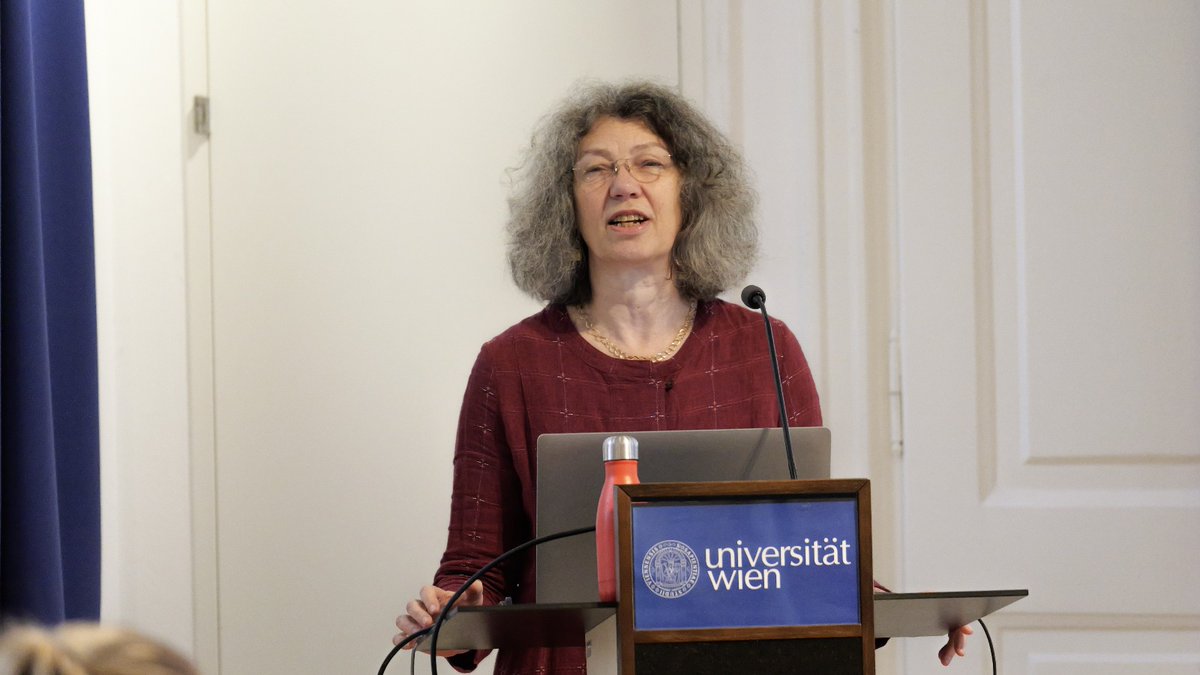
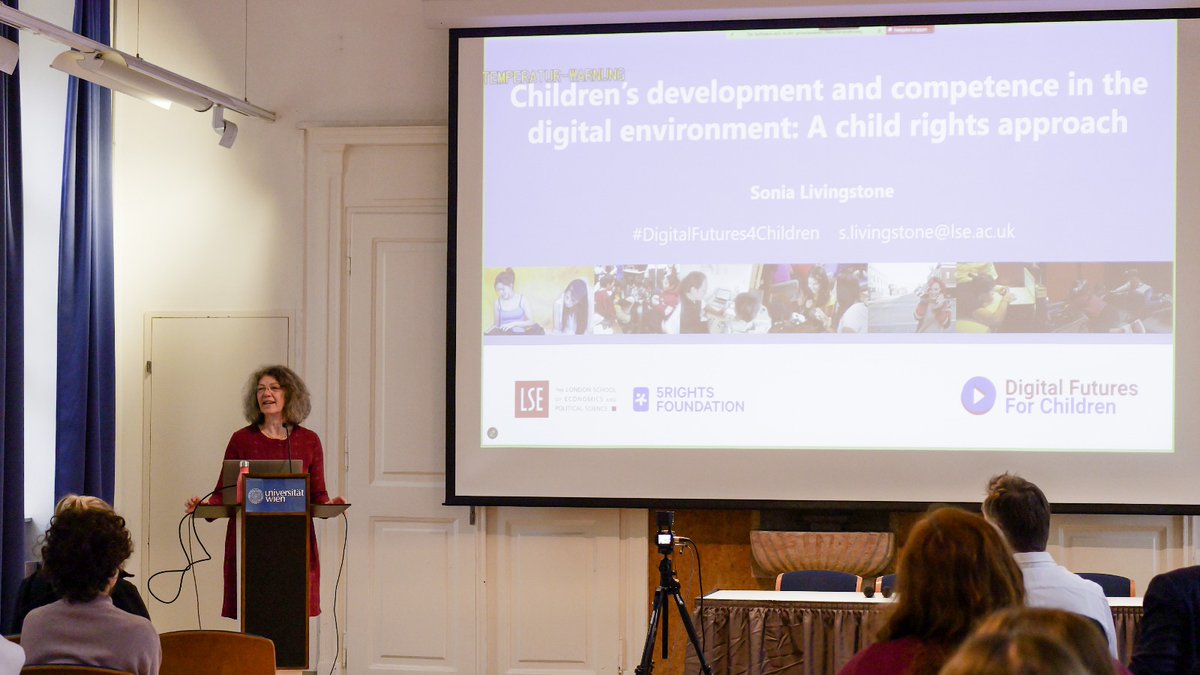
Prof. @Livingstone_S of @MediaLSE opened the #DIGYMATEX final conference, Growing Up on Screens. The keynote presentation, “A Child Rights Approach to Digital Maturity” focused on the issue of how digital environments are affecting child rights. 📳👉https://t.co/VmSNvzxyrn
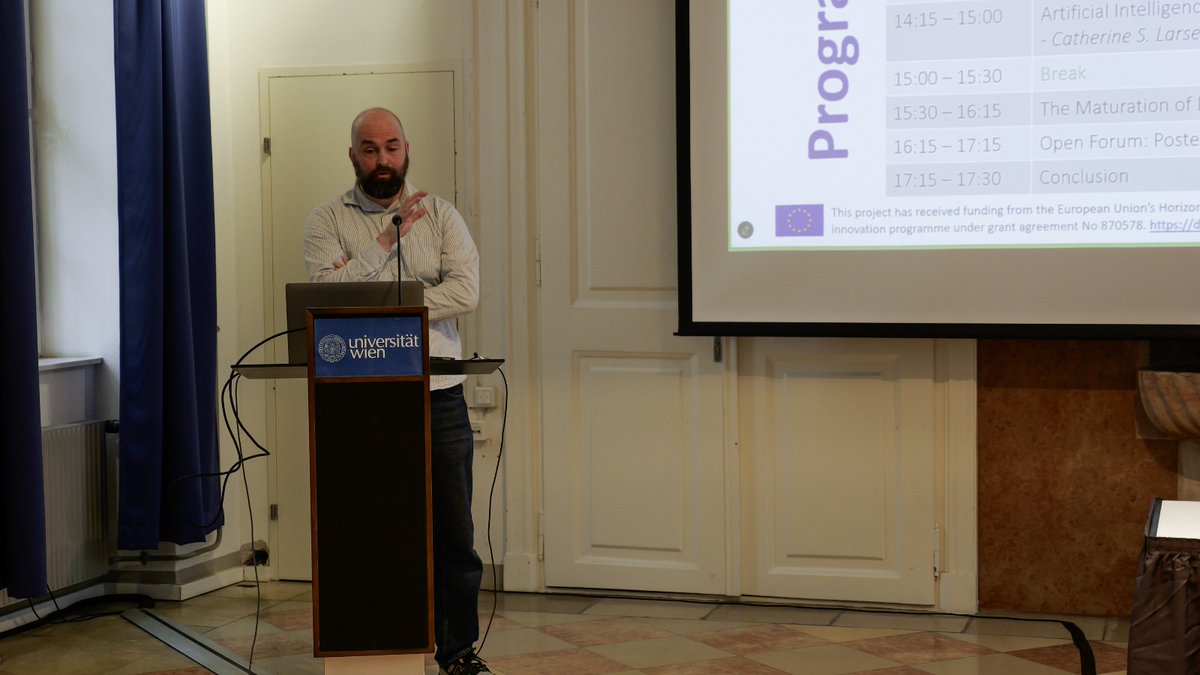
The EU-funded #DIGYMATEX concluding conference, Growing Up on Screens, has just opened with welcome by the host Prof. Arnd Florack of the University of Vienna, and project coordinator Prof. Marco Hubert of Aarhus University. https://t.co/GE9ibXNOdk #EU#Children#Digital#Skills
Did you know that 94% of the 10th grade students (aged 14-15) eat in front of a screen at least once per day? This insightful statistic comes from in-depth interviews conducted by Nofima. To learn more, join our webinar tomorrow. https://t.co/VmSNvzxyrn #Adolescent#ScreenTime