Super happy to see our new article " Late Miocene onset of the modern Antarctic Circumpolar Current " published in Nature Geoscience (open access) @NatureGeosci. The article is available here: https://t.co/sScMFhBxLu
Article: The region beneath the East Antarctic Ice Sheet experienced rotational extension tectonics prior to the break-up of Gondwana, shaping the lithosphere and later ice development
https://t.co/t7g7Snn82R
Article: The Antarctic Ice Sheet became more sensitive to decreasing CO2 levels following the Mid-Pleistocene Transition, driven by the increasing influence of global sea-level changes
https://t.co/gFLB2nHGhZ
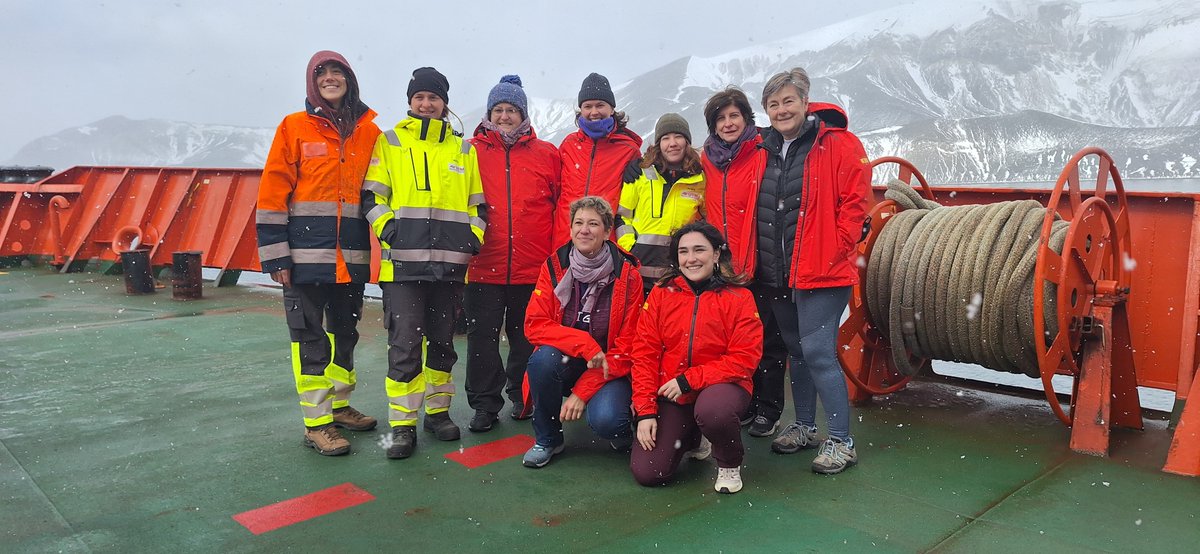
🌍 Con motivo del Día de la Tierra, @IGME1849 y @IACT_CSIC celebramos #PuentesdeCiencia junto a @AldeasEspana.
❄️ Una oportunidad única para conocer cómo es una expedición a la Antártida y por qué su estudio es clave para entender nuestro planeta.
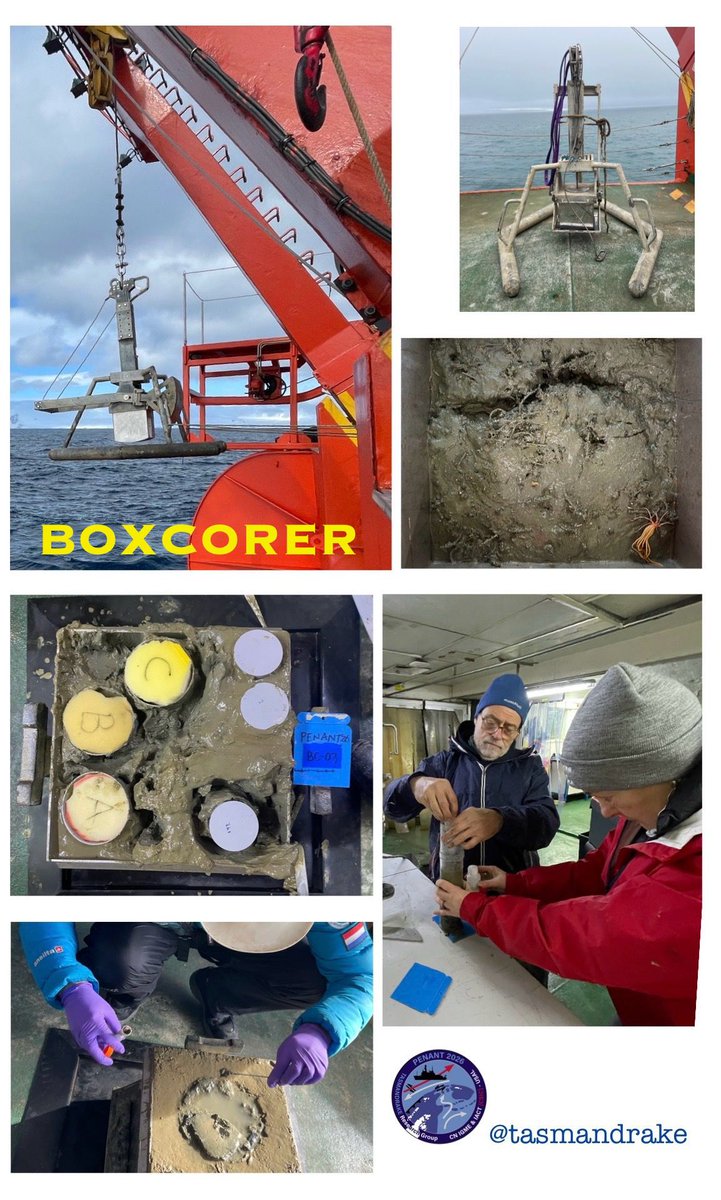
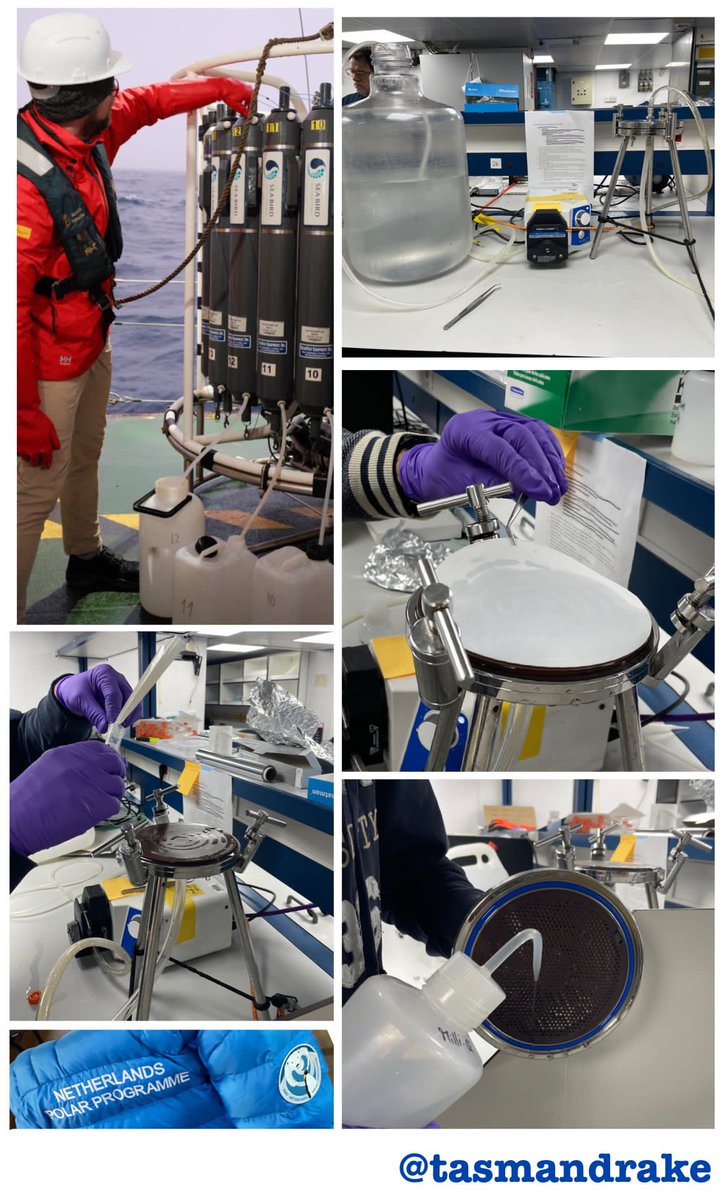
Our colleague Peter Bijl, from Utrecht University (@UUGeo) collects and filters seawater samples at different deths for lipid biomarker analysis👨🔬 to show how the lipid composition changes between these water masses and to compare this to the lipids in the sediments 🇦🇶⛴️
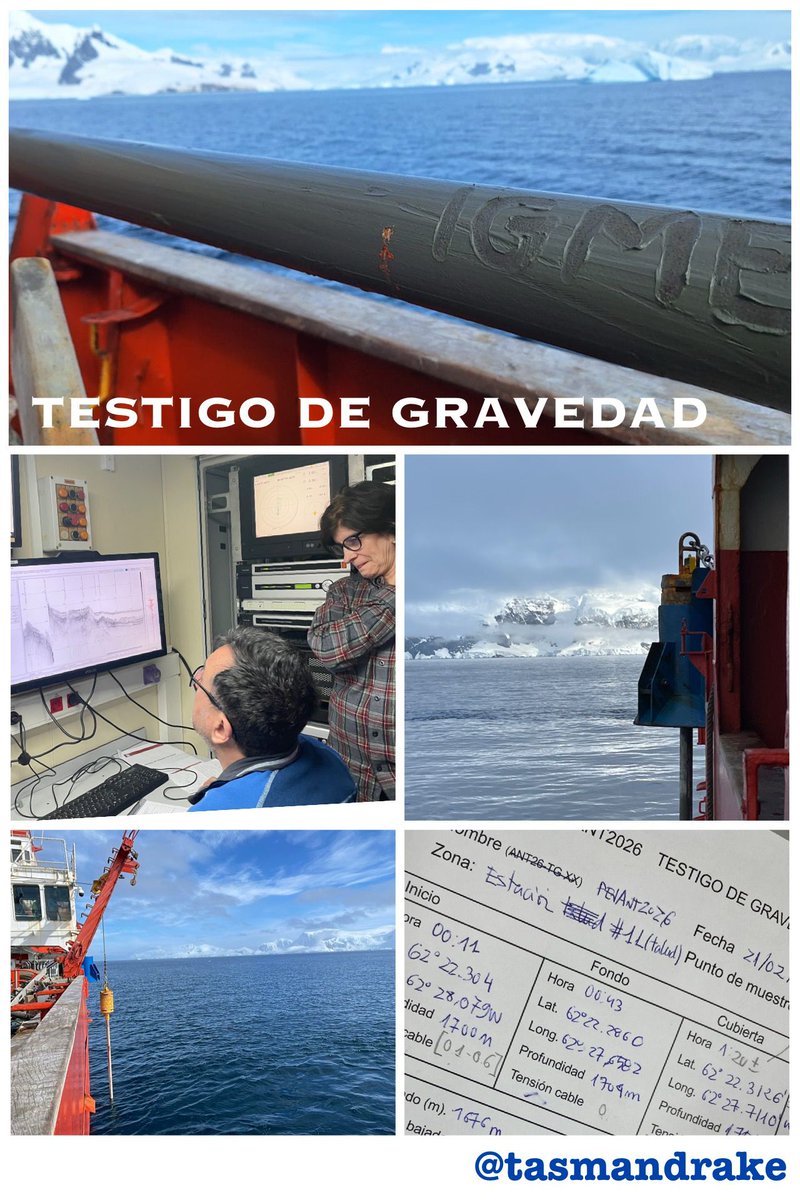
🇦🇶💪🏽Finalizamos los muestreos de agua y sedimentos marinos⛴️🌊. Han sido días de trabajo muy intenso por parte de todo el equipo, junto a la @utm_csic y la @Armada_esp, pero ha merecido la pena!. ¡¡¡Gracias a todos los grupos!!! 👏🏼👏🏼💙
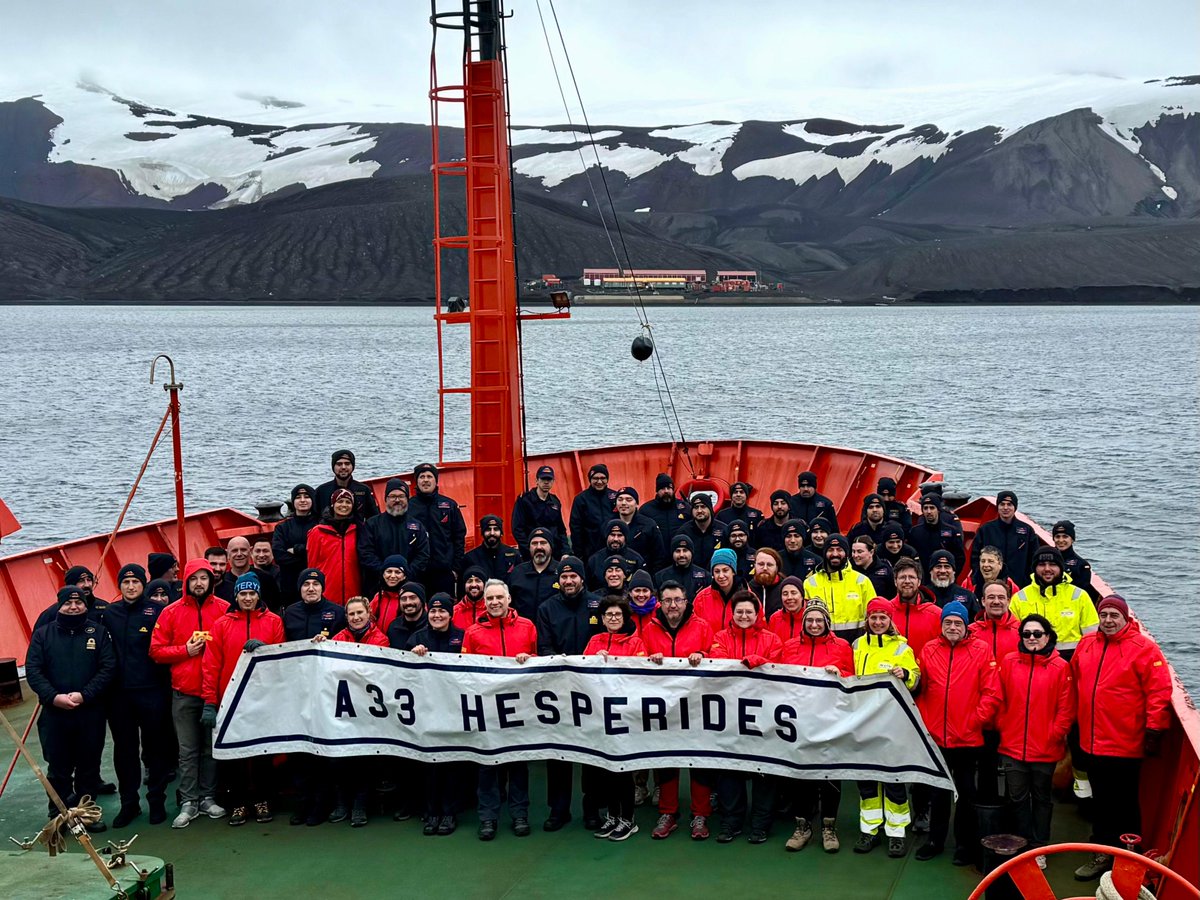
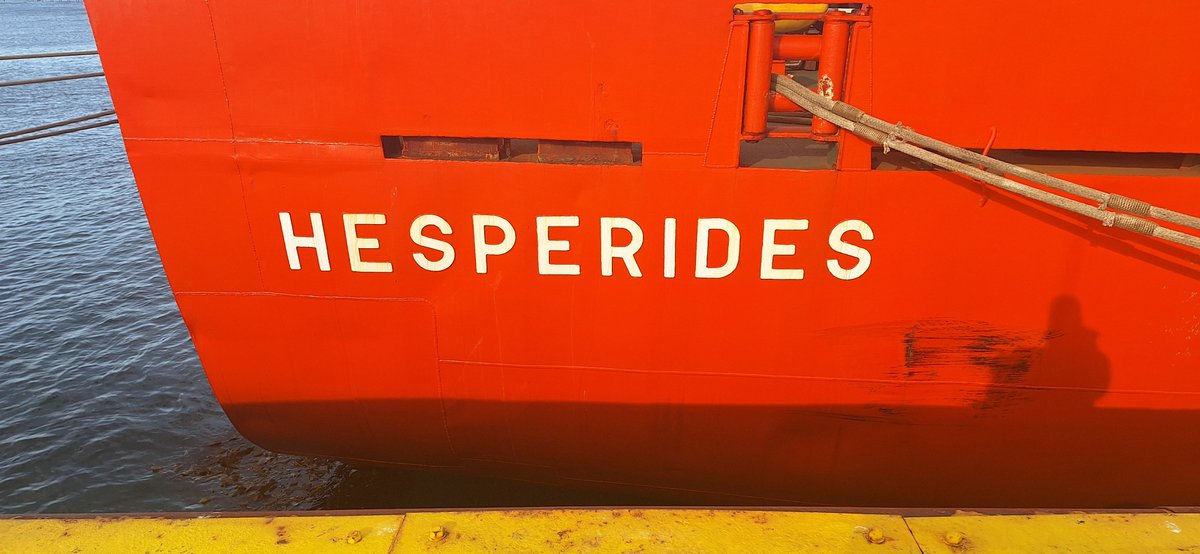
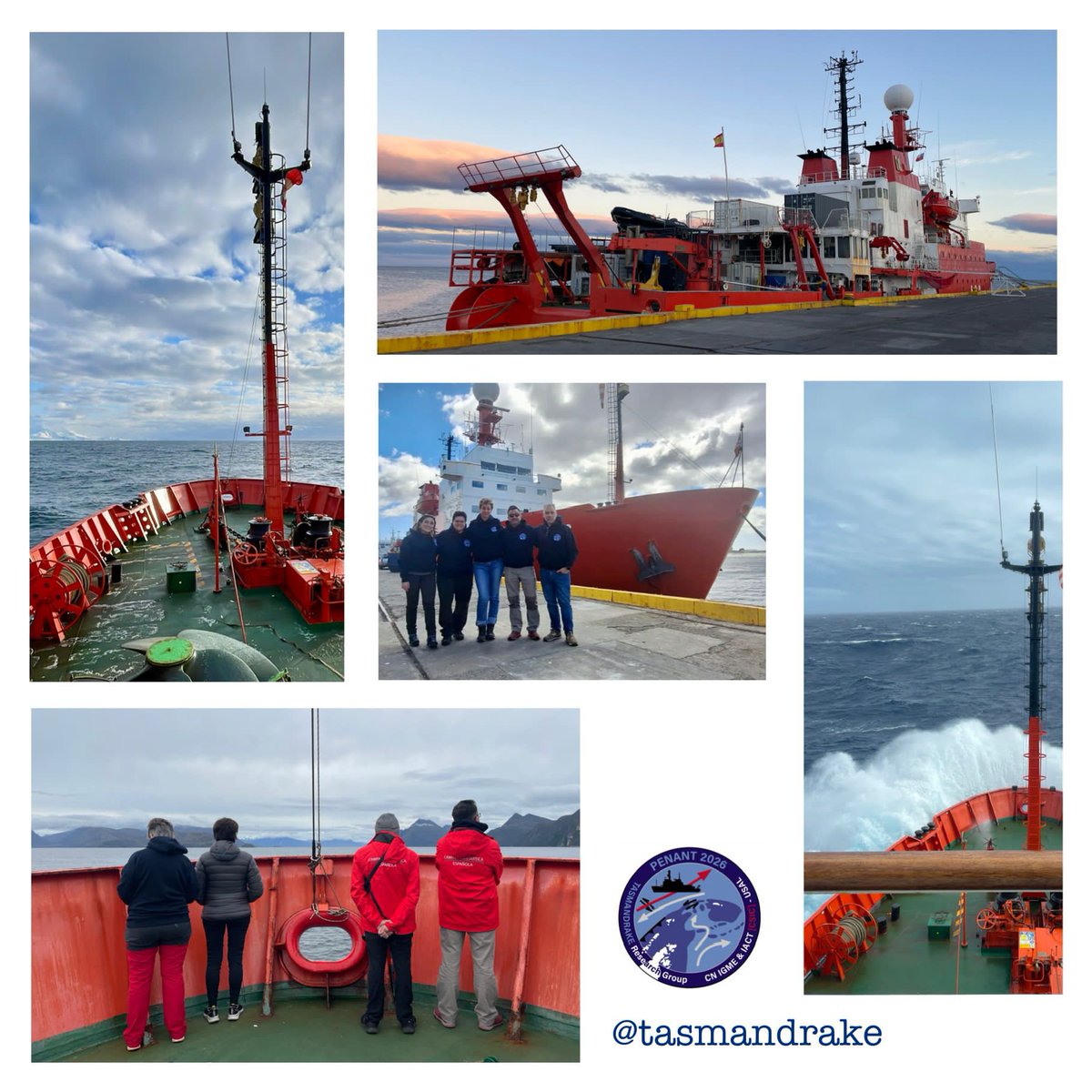
🏁Listos para embarcar en el #BIOHespérides ⚓ Directos hacia la Península Antártica 🇦🇶 y dispuestos a cruzar el temido Mar de Hoces... ¿Qué mar nos acompañará? 🌊🌊🌊
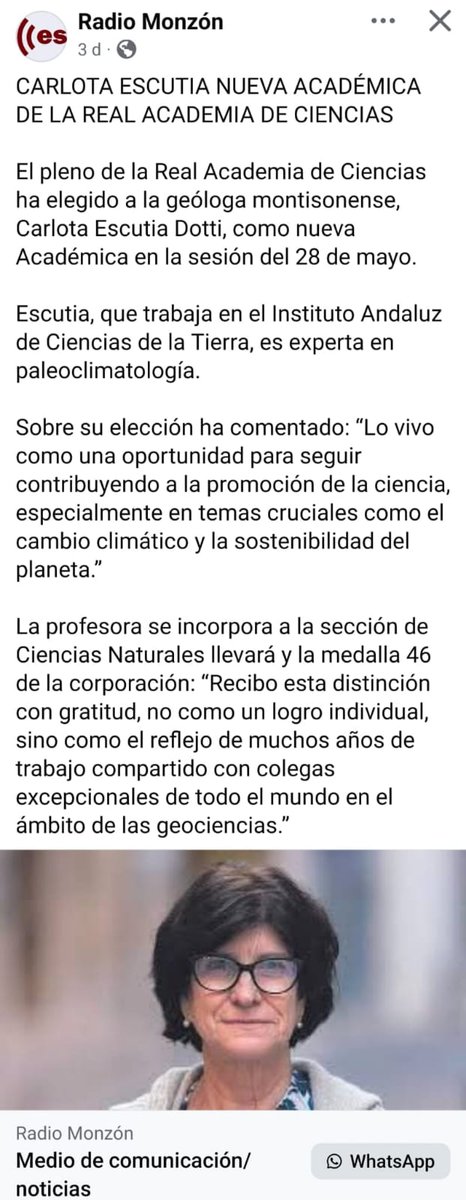
Buenas noticias, el 28 de mayo, nuestra compañera y amiga Carlota Escutia, ha sido nombrada nuevo miembro de la Real Academia de Ciencias Exactas y Naturales. incorpora a la sección de Ciencias Naturales llevará y la medalla 46 de la corporación.
Merecido nombramiento, Carlota!
Thrilled to share our new article 'Environmental conditions controlling cold-water coral growth in the southern Alboran Sea since the last deglaciation' published in Global and Planetary Change: https://t.co/59AJDY6xap. Many thanks to an outstanding team and collaborators 🙌
The most detailed map yet of Antarctica’s hidden landscape has been unveiled.
Bedmap3 reveals towering mountains, deep canyons & the thickest ice ever recorded - providing a vital tool to study how the continent may respond to climate change.
https://t.co/LoZsbuEcT7
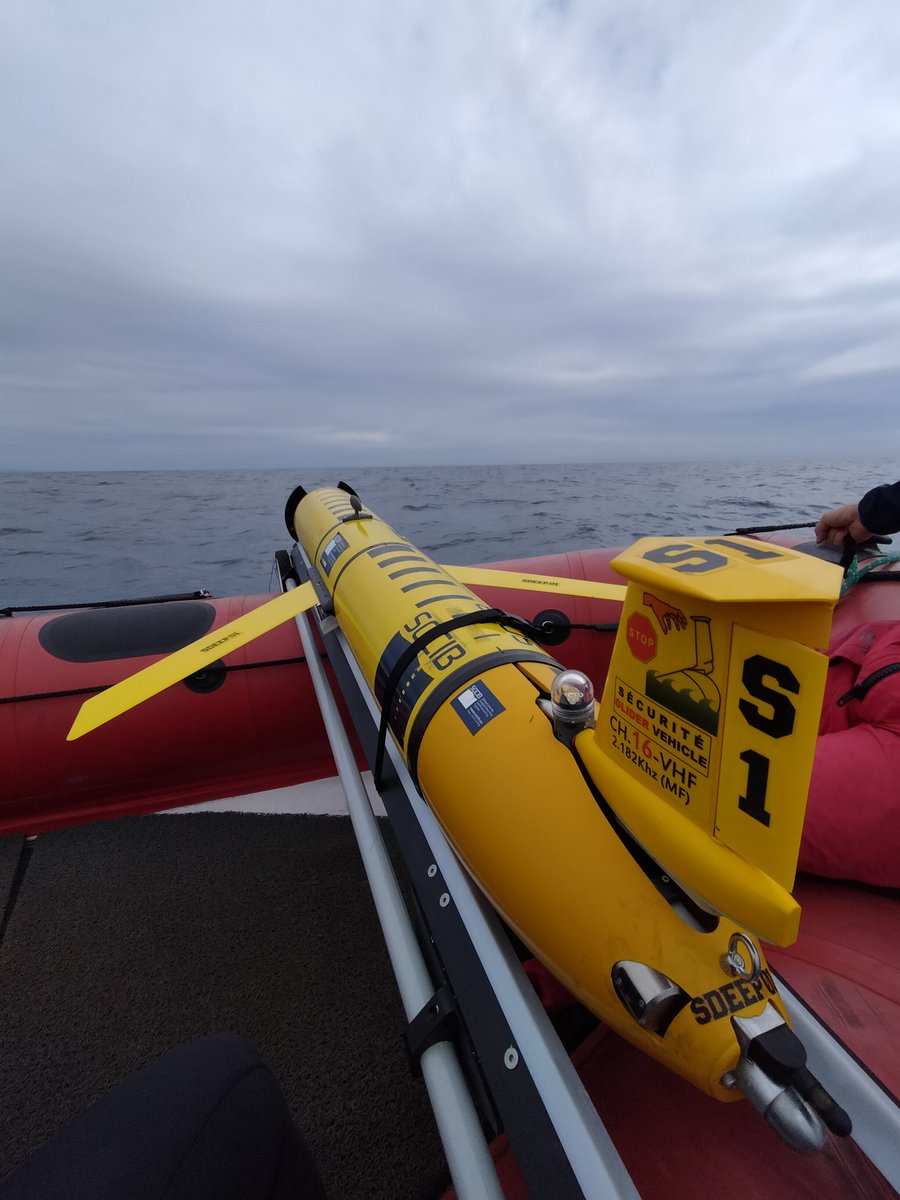
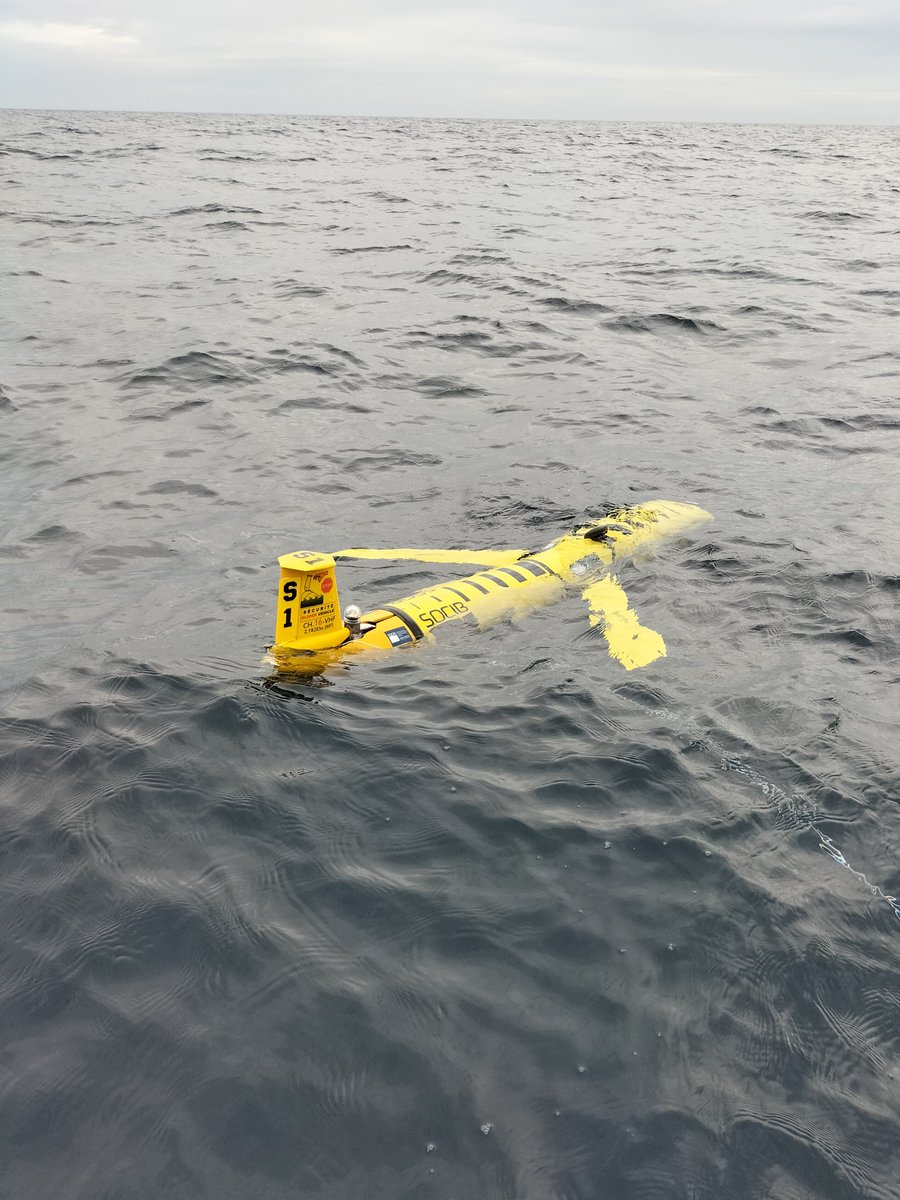
The second mission of the #GLADIATOR project has officially kicked off! This time, we’re exploring the dynamics of the #BalearicCurrent off NE Menorca during #winter conditions! Stay tuned 🔊
Big thanks to @socib_icts for their support!
📢The discovery of two rare 430-million-year-old fossils – nicknamed Punk and Emo – is challenging our understanding of ancient molluscs.
A new study published in @Nature suggests they may not have been as basic and primitive as previously thought👇
https://t.co/MqlcMm1xPj
Article: Biogenic sulfate production during the penultimate glacial period only modestly exceeded the following warm interglacial, indicating a partial balancing of dust-driven subantarctic productivity increases and ice-driven high latitude declines
https://t.co/bLfI4SWCgD