Space is becoming infrastructure.
Its safety layer is not keeping pace.
Today, we are revealing Project-S—and our mission to safeguard space access and exploration.
NASA & ESA estimate over 1.2 million debris objects between 1 and 10 cm are already in orbit.
The risk is growing.
Objects in this range are capable of causing catastrophic damage. If the environment continues to degrade, some orbital regions could become increasingly hazardous—or unusable.
We founded Project-S to help change that trajectory.
Our vision is space for everyone: an orbital environment where humanity can operate safely and keep exploring.
Our mission: Safeguarding Space Access and Exploration.
We release our integrated technology roadmap visualized:
• Detect smaller debris objects
• Model and predict their paths
• Support collision-avoidance decisions
• Ultimately enable debris remediation
Space safety is not another feature.
It is infrastructure.
We have prepared an extended technical paper explaining this architecture in greater depth and clearly separating current work from the longer-term roadmap.
If you are a space enthusiast, a space operator, or just casually enjoying tech trends, what applications of space technologies excite you the most?
Thanks to @ZeroOneCreative and @ashkan01C for the concept film 🙏.
#Space #Technology #Sustainability #OrbitalDebris #ProjectS
The @SUaaVE_project's partner STELLANTIS-CRF shows the user tests they developed, in the project, to study the Cognitive Smart Assistant HMI designed and to define guidelines for the redesign phase here: https://t.co/ybUbdT6qHg. @cinea_eu@stellantis@CCAM_EU#AutonomousVehicles
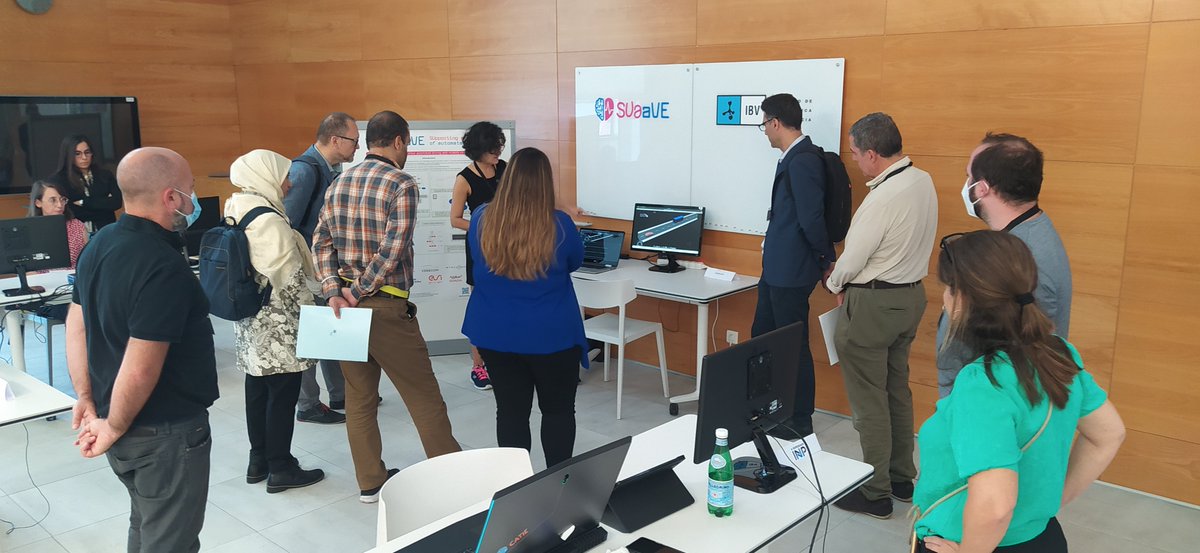
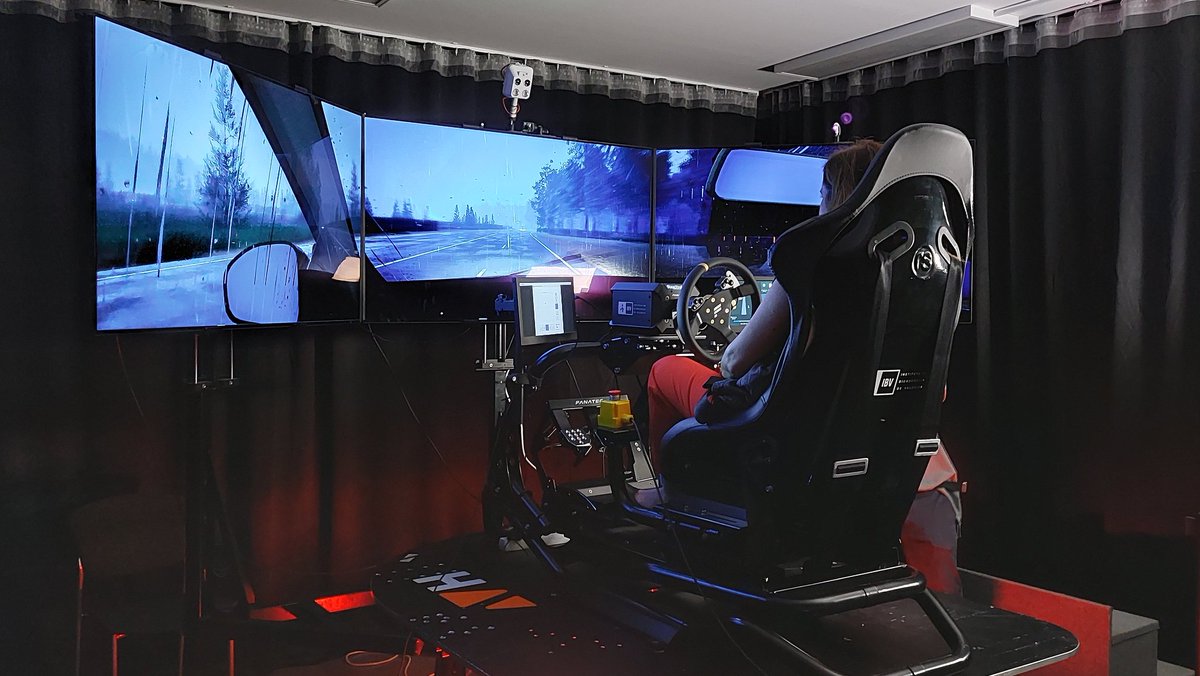
During the 6th Consortium Meeting, @SUaaVE_project partners tested some of the results of the project. They tested the HAV, a dynamic and highly immersive driving simulator of the @ibv_org, that incorporates the VHCD developed in @SUaaVE_project by @ESIgroup. @cinea_eu