Mark Minervini Setup
How to find stocks
Screen stocks that are within 25% of their 52-week high
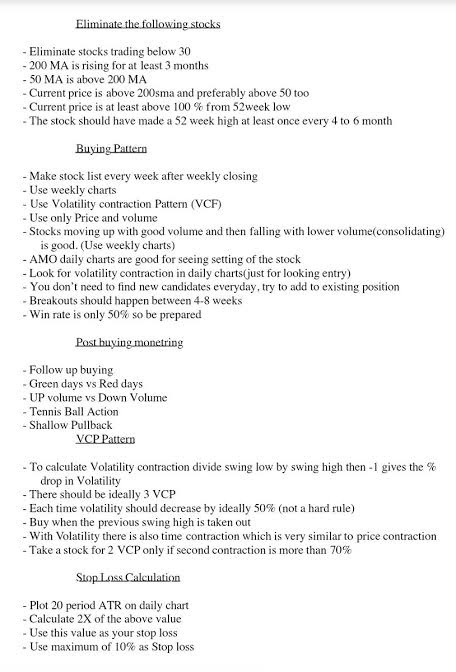
Eliminate the following stocks
Eliminate stocks trading below 30
200 MA is rising for at least 3 months
50 MA is above 200 MA
Current price is above 200 SMA and preferably above 50 too
Current price is at least above 100% from 52-week low
The stock should have made a 52-week high at least once every 4 to 6 months
Buying Pattern
Make stock list every week after weekly closing
Use weekly charts
Use Volatility Contraction Pattern (VCP)
Use only Price and Volume
Stocks moving up with good volume and then falling with lower volume (consolidating) is good
Use weekly charts
AMO daily charts are good for seeing setting of the stock
Look for volatility contraction in daily charts (just for looking entry)
You don’t need to find new candidates every day, try to add to existing position
Breakouts should happen between 4–8 weeks
Win rate is only 50%, so be prepared
Post Buying Monitoring
Follow up buying
Green days vs Red days
Up Volume vs Down Volume
Tennis Ball Action
Shallow Pullback
VCP Pattern
Volatility Contraction Pattern (VCP)
To calculate volatility contraction, divide swing low by swing high then -1 gives the % drop in volatility
There should be ideally 3 VCP
Each time volatility should decrease by ideally 50% (not a hard rule)
Buy when the previous swing high is taken out
With volatility, there is also time contraction which is very similar to price contraction
Take a stock for 2 VCP only if the second contraction is more than 70%
Stop Loss Calculation
Plot 20-period ATR on daily chart
Calculate 2× of the above value
Use this value as your stop loss
Use maximum of 10% as stop loss
Here’s Mark Minervini coming into the ‘95 uptrend based on what stocks met his criteria. He didn’t get really aggressive until April ‘95 - had an incredible 413% return that year! From ‘Trade Like A Stock Market Wizard’ - Minervini 2013
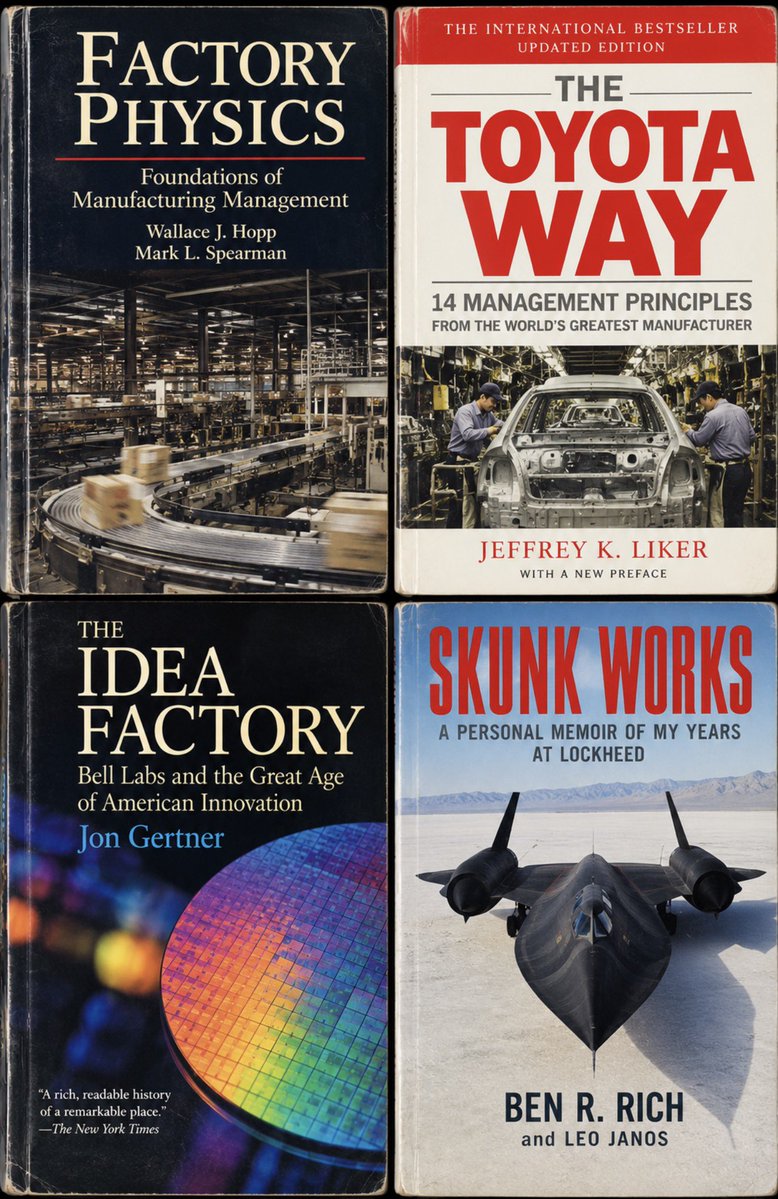
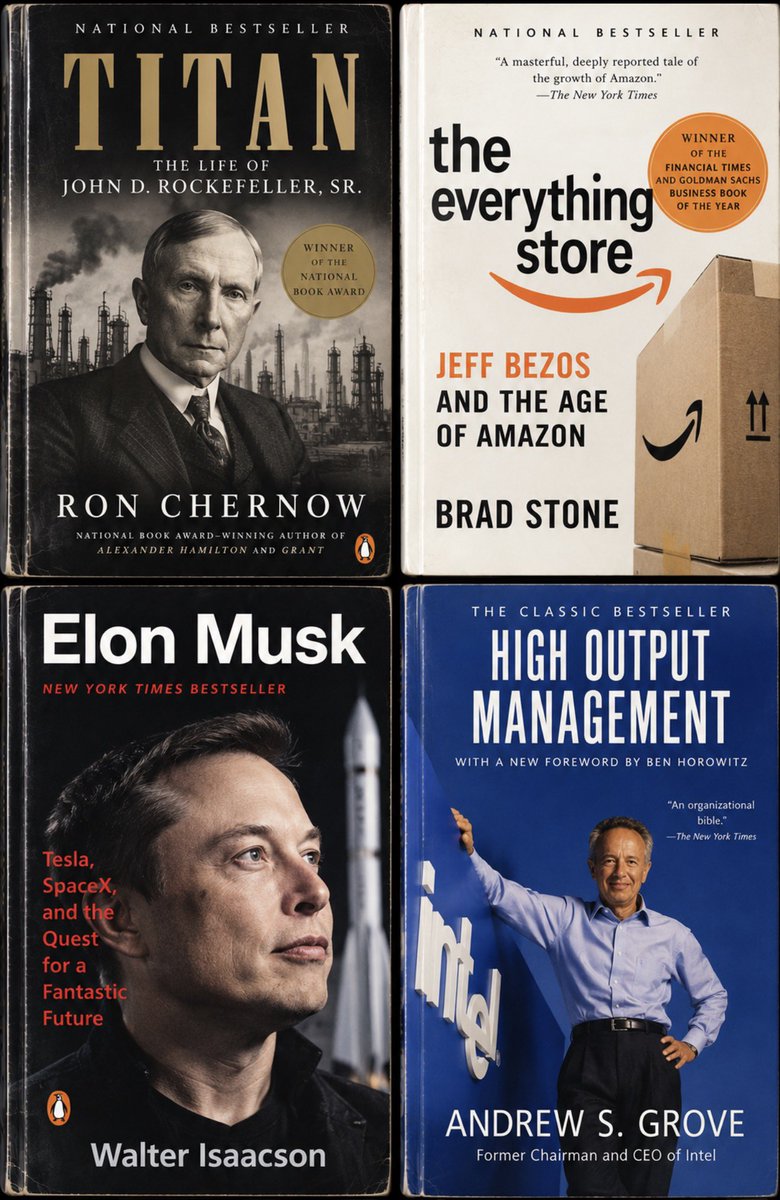
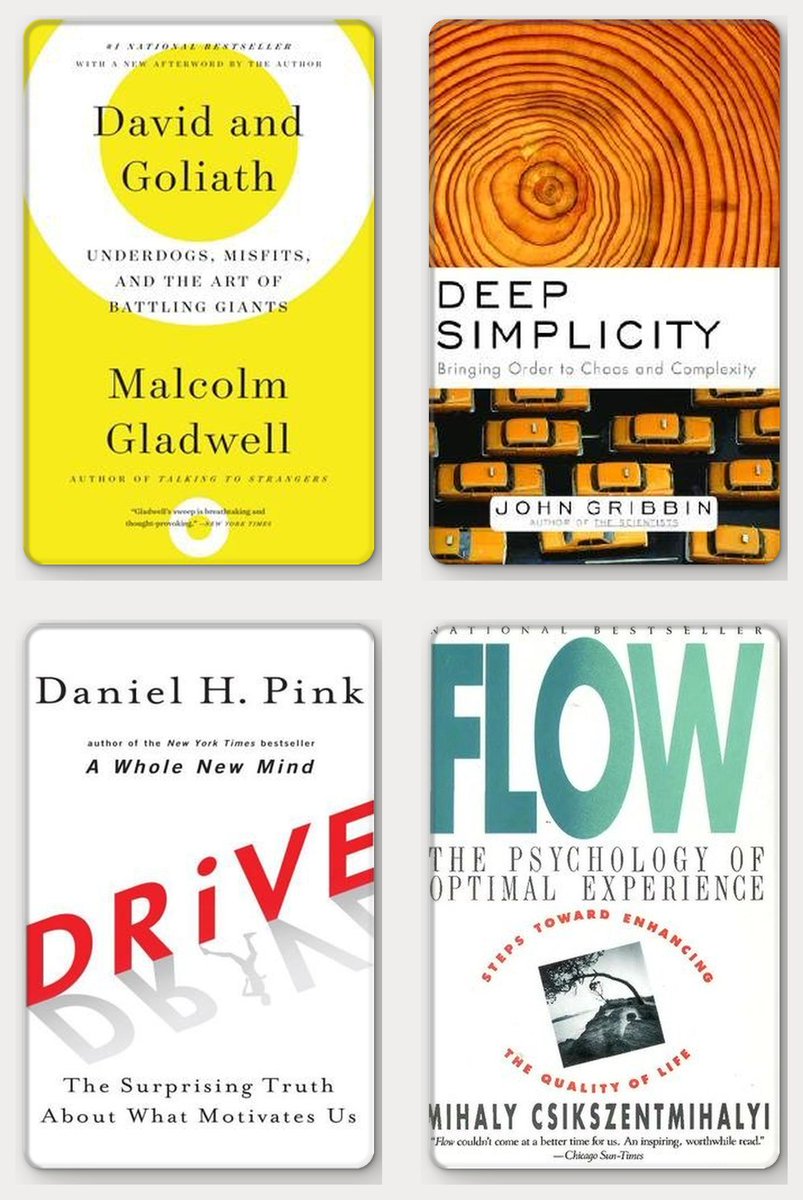
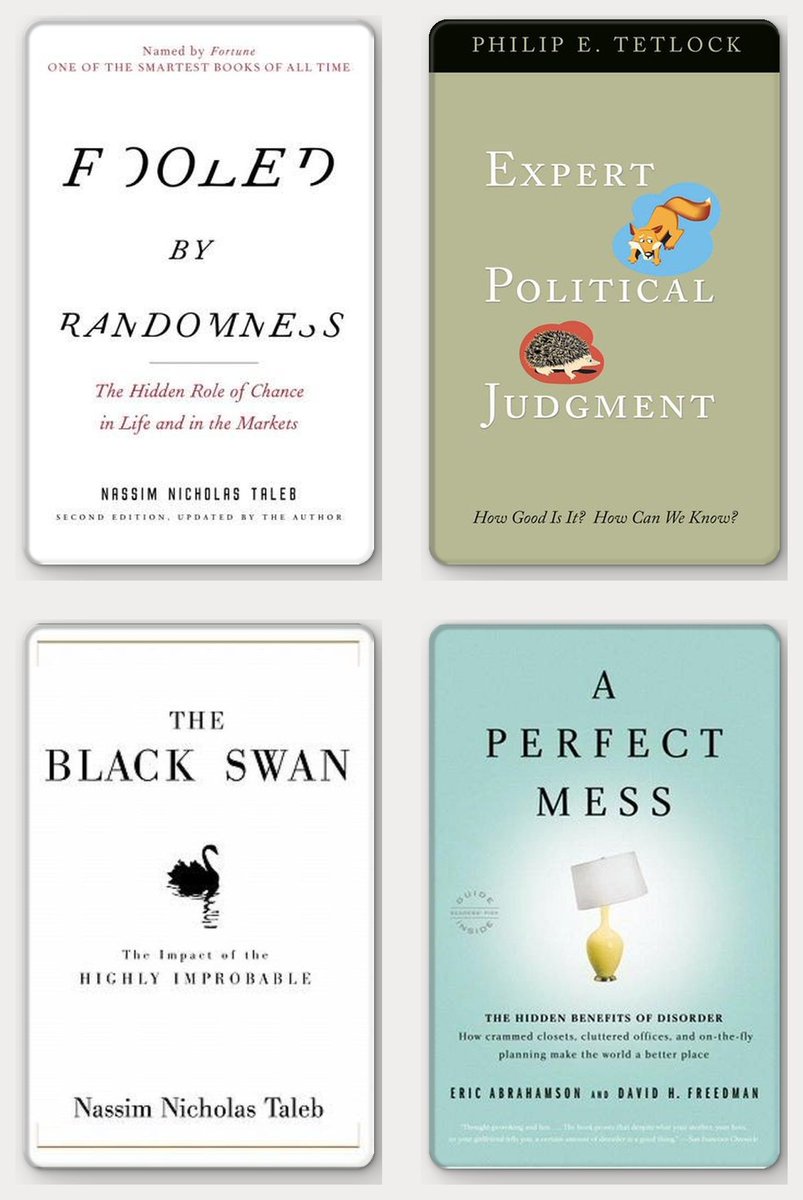
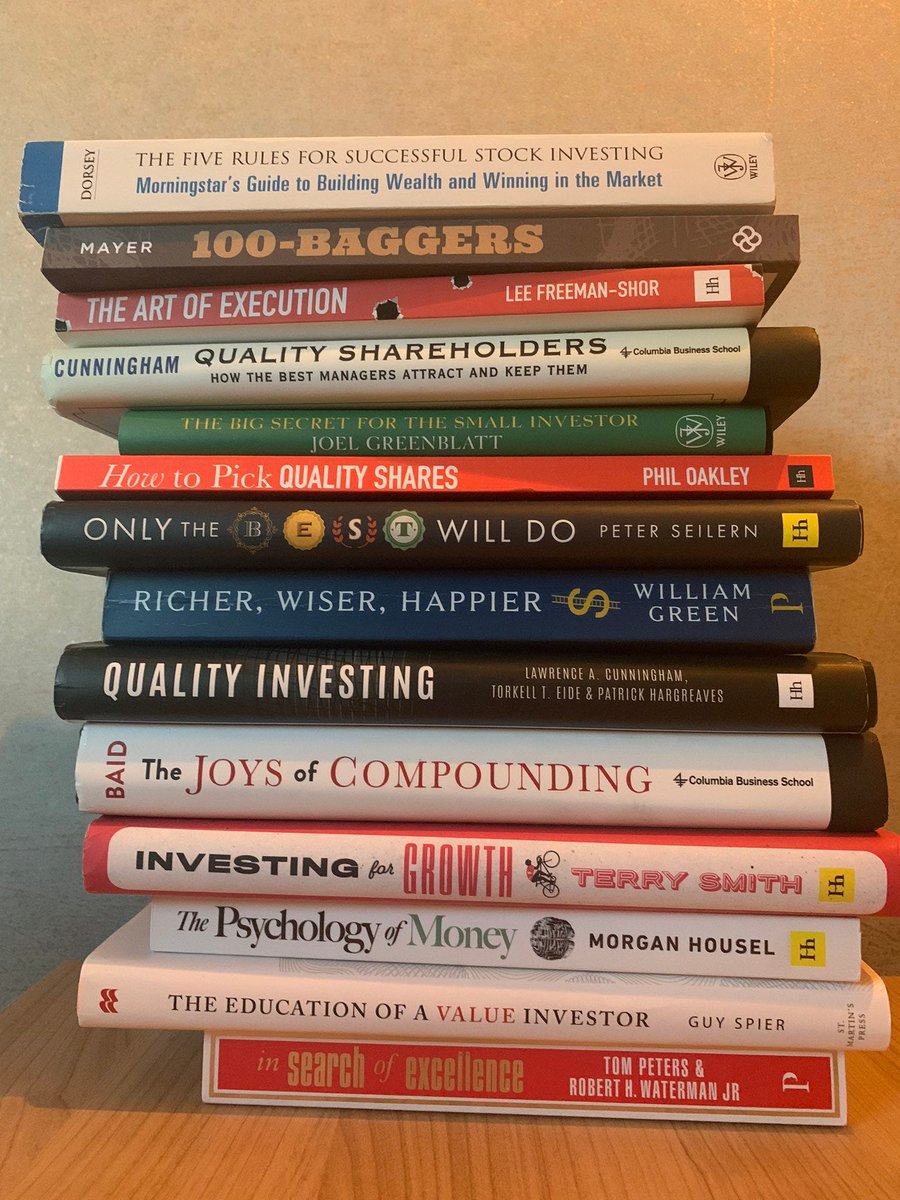
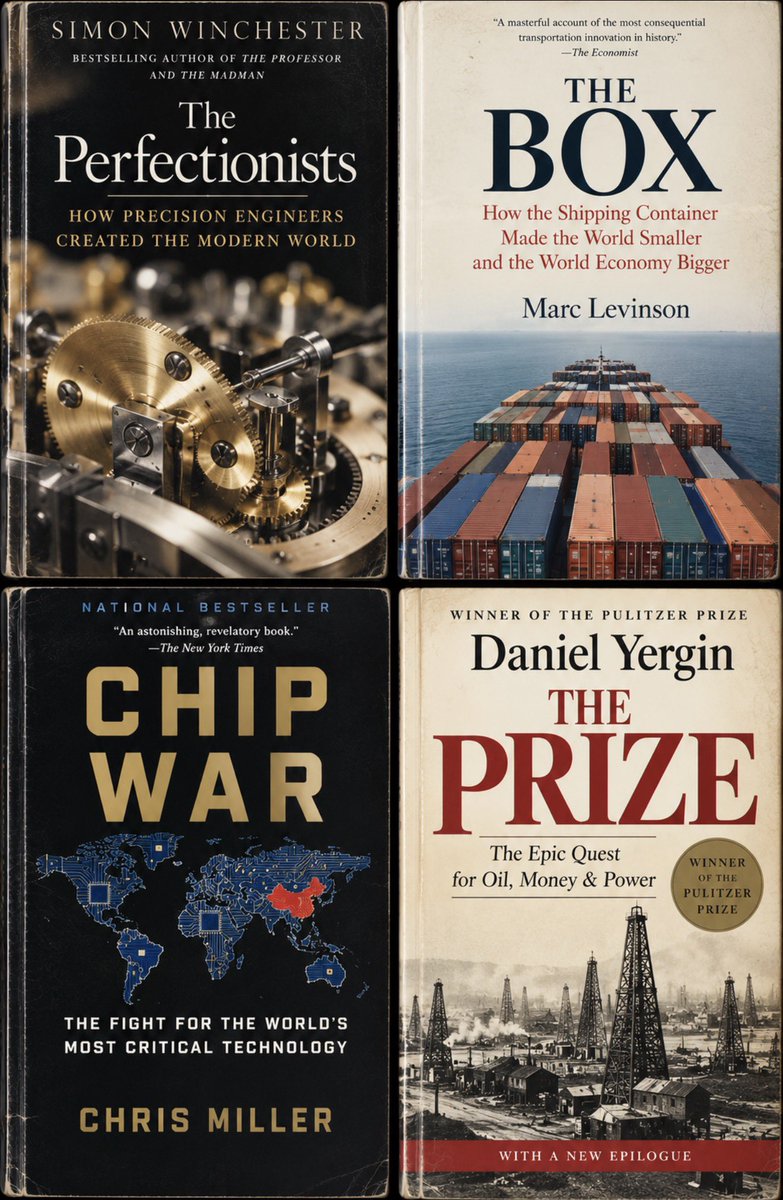
Books must read ( Re sharing my list )
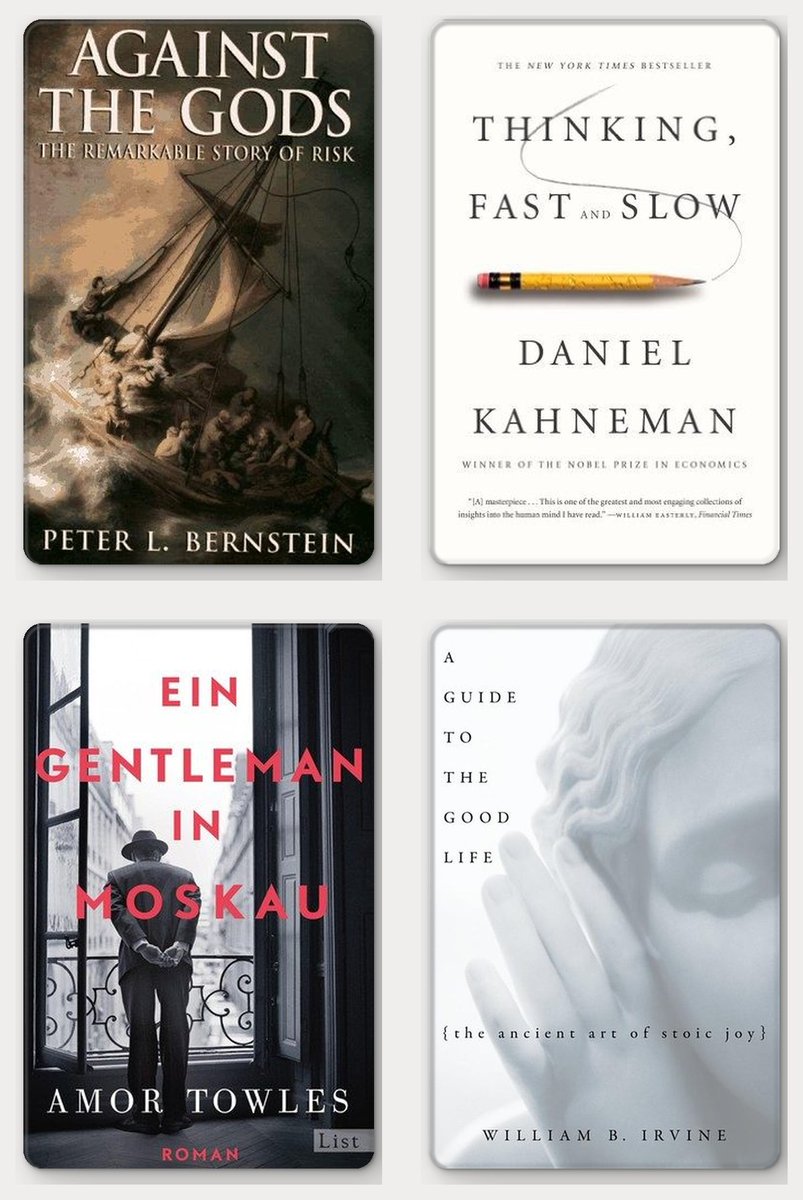
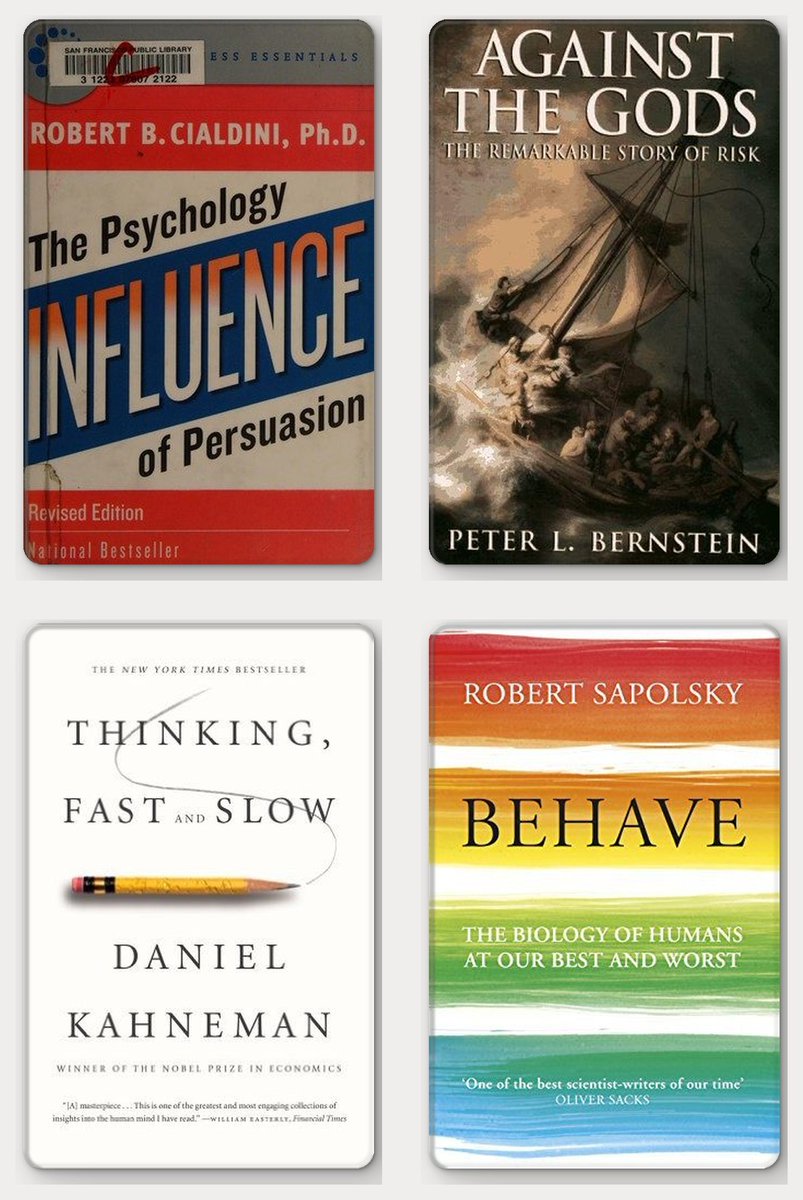
All of Nassim Nicholas Taleb, Investing from Darwin Pulak prasad , Richer Wiser happier and Books on Probabilities and financial history of central banks and Capital returns to understand capital cycles , thinking fast and slow
RBI governers - Gokul rathi , The Price of Time: The Real Story of Interest Book by Edward Chancellor Zurich Axioms, The Halo Effect and Against the gods Zurich Axioms : a book that changes my perception on risk every time I read it , risk as a word is very misunderstood
Podcast: founders podcast , Nicolai Tangen Norges bank podcast
There's a saying as well that one must study a war general and their tactics to learn as well , even recently watching the Movie Odyssey reminded me of so many lessons that I could apply to the world of investing
Alot about investing is learnt from the non finance books , character , courage and persistence !
So much learning available if we are willing to do it , that is why I also incorporate a lot of the learnings I have on my substack audio notes along with the businesses I cover , so do check it out if you are interested !
https://t.co/XaEq35tQWy
Why cutting ✂️ losses is a 🗝️ key:
1. A 90% loss a requires a 900% requires return to break even.
2.A 10%loss requires a 11% gain to break even.
STEPS TO CUT LOSSES SHORT:
1.Formulate a plan before entry
2.If something hits stoploss immediately sell
3.don't hold on hope.
Kobe Bryant once said:
“Everyone wants to be a beast. Everyone wants to be the best. But very few people are willing to do what it actually takes. Because what it takes is boring. It is waking up at 4:00 AM. It is shooting the same shot a thousand times. It is watching the film when you are tired. People fall in love with the result, but they hate the process. You have to fall in love with the boredom. You have to fall in love with the repetition.
If you can find joy in the mundane work that no one else sees, the lights will eventually shine on you.”
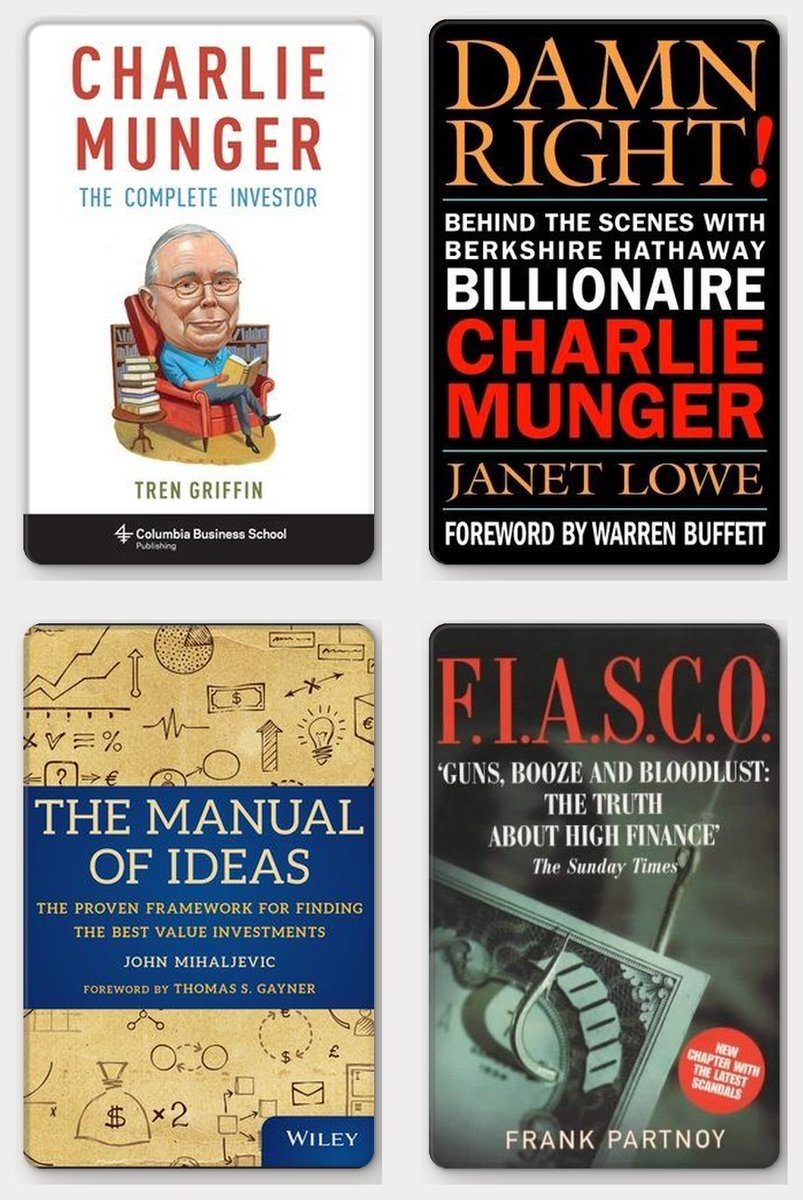
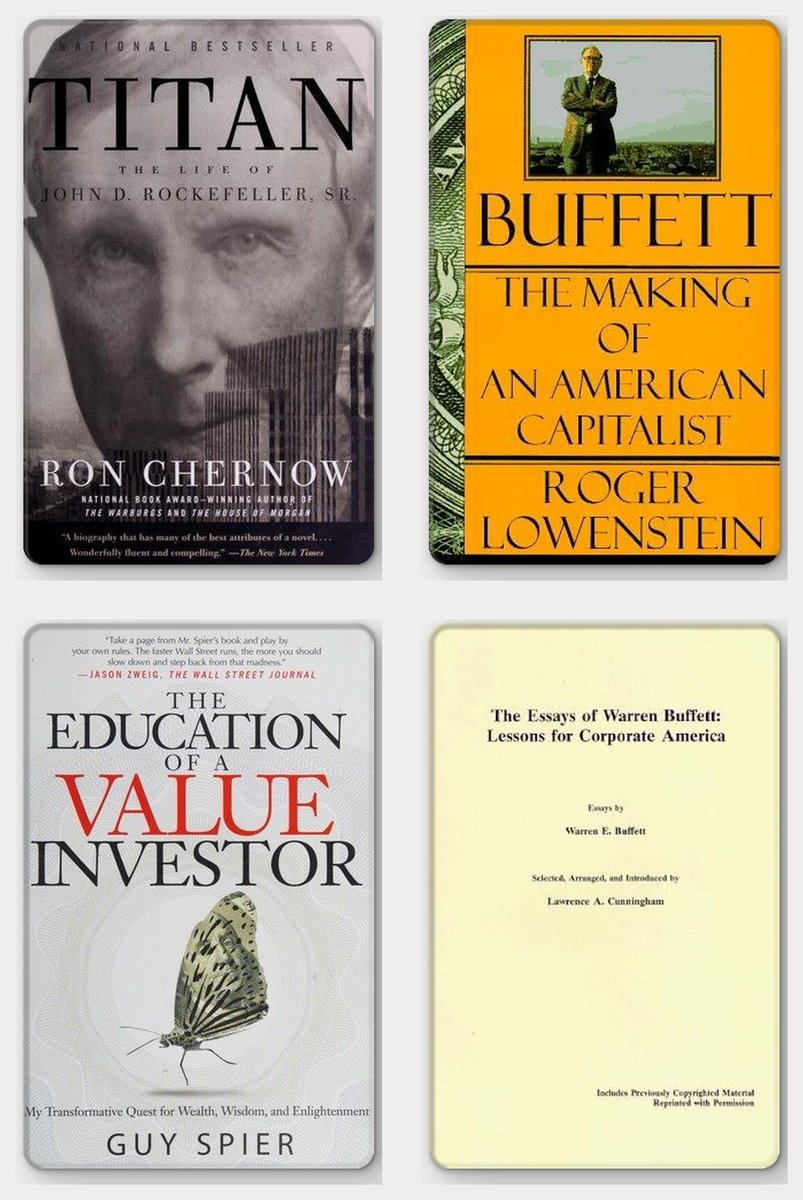
Every book recommended by 4 or more of the world’s best investors:
The Intelligent Investor — 10 investors
Poor Charlie’s Almanack — 8 investors
Security Analysis — 8 investors
Influence — 5 investors
Titan — 5 investors
Buffett — 4 investors
The Outsiders — 4 investors
10 Technical Trading Books That Made Market History
1.Technical Analysis of the Financial Markets” — John J. Murphy
👉 The “bible” of technical analysis. Clear explanations, charts, patterns — foundational for beginners and pros alike.
2.Japanese Candlestick Charting Techniques” — Steve Nison
👉 Brought Japanese candlestick patterns to Western traders — a must for understanding price action and sentiment.
3.Technical Analysis Explained” — Martin J. Pring
👉 Comprehensive reference covering principles, indicators, and market psychology.
4.Encyclopedia of Chart Patterns” — Thomas Bulkowski
👉 The ultimate pattern guide — stats, probabilities, and real charts for classic and rare patterns.
https://t.co/XvEXYGKDdD for a Living” — Dr. Alexander Elder
👉 Not just about charts — combines psychology, technicals, and risk management. Elder’s triple screen system is legendary.
https://t.co/bxXolN6IVJ Wizards” — Jack D. Schwager
👉 Interviews with top traders — timeless insights on how technical and discretionary traders really think.
7.Technical Analysis Using Multiple Timeframes” — Brian Shannon
👉 Modern classic — explains how to align trades across different timeframes for higher probability setups.
8.Reminiscences of a Stock Operator” — Edwin Lefèvre
👉 Fictionalized bio of Jesse Livermore — not a textbook, but every trader finds timeless wisdom on price behavior.
9.The New Trading for a Living” — Dr. Alexander Elder
👉 Updated version of Elder’s classic — refined tools for today’s markets.
🔟
10.A Complete Guide to Volume Price Analysis” — Anna Coulling
👉 A practical modern guide on reading volume with price — often overlooked but critical for deeper market insight.
PICK 5 READ THEM 2026 WILL CALL YOU LUCKY.
The 10 books the world’s best investors recommend most (recommendation counts):
1. The Intelligent Investor (10)
2. Poor Charlie’s Almanack (8)
3. Security Analysis (8)
4. Influence (5)
5. Titan (5)
6. Buffett (4)
7. The Outsiders (4)
8. Against the Gods (3)
9. Common Stocks and Uncommon Profits and Other Writings (3)
10. Sapiens (3)
10 Technical Trading Books for Beginners.
1.Technical Analysis of the Financial Markets – John J. Murphy
👉 Considered the “Bible” of technical analysis. Covers chart patterns, indicators, and intermarket analysis.
2.Japanese Candlestick Charting Techniques – Steve Nison
👉 Must-read for understanding candlesticks, price action, and psychology behind patterns.
https://t.co/JZQT2YPL5h to Make Money in Stocks – William J. O’Neil
👉 Introduces the CAN SLIM method, blending technical and fundamental analysis.
https://t.co/aRS7mojZ8q for a Living – Dr. Alexander Elder
👉 Explains psychology, risk management, and system building for traders.
5.A Beginner’s Guide to Forex Trading – Matthew Driver
👉 Great for beginners who want to apply technical analysis in forex markets.
6.Charting and Technical Analysis – Fred McAllen
👉 Simple introduction to chart reading, trend lines, and setups.
7.Technical Analysis Explained – Martin J. Pring
👉 Comprehensive, beginner-friendly, covering momentum, patterns, and cycles.
8.Encyclopedia of Chart Patterns – Thomas Bukowski
👉 A data-driven guide to recognizing patterns and their probabilities.
9.The New Trading for a Living – Alexander Elder
👉 Updated edition with more tools, trading systems, and psychology insights.
10.Swing Trading for Dummies – Omar Bassal, CFA
👉 Beginner-friendly resource with practical swing trading setups using technical tools.
Part 111.
Investing like a professional involves a disciplined, informed, and strategic approach to managing investments. Here are key principles and strategies professionals often follow:
1. Diversification
Professionals diversify their portfolios across different asset classes (stocks, bonds, real estate, commodities, etc.) and sectors to reduce risk. The goal is to minimize the impact of any single investment’s poor performance on the overall portfolio.
2. Asset Allocation
A key component of diversification, asset allocation refers to how an investor distributes their investments among different categories. It’s based on risk tolerance, financial goals, and time horizon. For example, a younger investor might allocate more to equities for growth, while someone closer to retirement may prioritize safer investments like bonds.
3. Research and Due Diligence
Professional investors rely on thorough research before making decisions. This includes fundamental analysis (assessing a company’s financial health, management, and competitive position) and technical analysis (studying market trends and stock price movements).
4. Risk Management
Successful investors use risk management strategies like setting stop-loss orders, managing position sizes, and using hedging techniques (options, futures, etc.) to protect their portfolios from significant losses.
5. Long-Term Perspective
Professionals often focus on long-term trends rather than short-term market fluctuations. They may ride through volatility, trusting their investments will grow over time. The key is to avoid emotional reactions to market ups and downs.
6. Regular Monitoring and Rebalancing
Professional investors regularly monitor their portfolios and rebalance them to ensure they align with their long-term goals. For example, if the stock market has done well and stocks now make up a larger portion of the portfolio than originally planned, the investor may sell some stocks and buy more bonds to restore the desired allocation.
7. Using Professional Tools and Technology
Professionals often use advanced tools, software, and data analytics to make investment decisions. This can include financial modeling, market screening tools, and algorithms that help with decision-making.
8. Staying Informed
Professionals stay updated on market news, global events, economic indicators, and trends in order to make well-informed decisions. This may involve reading financial news, reports, and analyses, attending conferences, or consulting with industry experts.
9. Emotional Discipline
One of the hallmarks of professional investing is the ability to avoid emotional decisions. Panic selling or chasing after the latest hot stock can often lead to poor outcomes. Professionals focus on their strategy and avoid reacting impulsively to market fluctuations.
10. Tax Efficiency
Professional investors are mindful of the tax implications of their investment choices. They may use strategies like tax-loss harvesting or invest in tax-advantaged accounts (e.g., IRAs or 401(k)s in the U.S.) to minimize taxes.
11. Cost Efficiency
Professionals minimize investment costs, including trading fees, management fees, and taxes, to ensure that more of their returns remain in their portfolios. Low-cost index funds and ETFs are often a key component of a professional’s strategy.
12. Understand Your Own Risk Tolerance
Professionals take a clear-eyed look at their risk tolerance, understanding how much risk they’re comfortable with based on their financial goals and psychological comfort level.
13. Staying Patient and Disciplined
Professional investors focus on long-term growth, even if short-term performance is volatile. Patience and discipline are key to weathering market cycles and achieving consistent returns.
Market Wizard Linda Raschke's 12 Technical Trading Rules
1. Buy the first pullback after a new high. Sell the first rally after a new low.
2. Afternoon strength or weakness should have follow‑through the next day.
3. The best trading reversals occur in the morning, not the afternoon.
4. The larger the market gaps, the greater the odds of continuation and a trend.
5. The way the market trades around the previous day’s high or low is a good indicator of the market’s technical strength or weakness.
6. The previous day’s high and low are two very important “pivot” points, for this was the definitive point where buyers or sellers came in the day before. Look for the market to either test and reverse off these points, or push through and show signs of continuation.
7. The last hour often tells the truth about how strong a trend truly is. “Smart money” shows their hand in the last hour, continuing to mark positions in their favor. As long as a market is having consecutive strong closes, look for the up‑trend to continue. The up‑trend is most likely to end when there is a morning rally first, followed by a weak close.
8. High volume on the close implies continuity the next morning in the direction of the last half‑hour. In a strongly trending market, look for resumption of the trend in the last hour.
9. The first hour’s range establishes the framework for the rest of the trading day.
10. A greater percentage of the day’s range occurs in the first hour than was the case in the past, and thus it has become increasingly important to trade aggressively if there are early signs of a strong trend for the day.
11. There are four basic principles of price behavior which have held up over time. Confidence that a type of price action is a true principle is what allows a trader to develop a systematic approach.
The following four principles can be modeled and quantified and hold true for all time frames, all markets. The majority of patterns or systems that have a demonstrable edge are based on one of these four enduring principles of price behavior. Charles Dow was one of the first to touch on them in his writings.
Principle One: A Trend Has a Higher Probability of Continuation than Reversal
Principle Two: Momentum Precedes Price
Principle Three: Trends End in a Climax
Principle Four: The Market Alternates between Range Expansion and Range Contraction
In the world of money, which is a world shaped by human behavior, nobody has the foggiest notion of what will happen in the future. Mark that word – Nobody! Thus the successful trader does not base moves on what supposedly will happen but reacts instead to what does happen.
“Luck plays a meaningful role in everyone’s lives. You get born to decent parents in a good part of the world, and you’re way ahead of the game. And that doesn’t have much to do with skill or hard work." - Jim Simons.