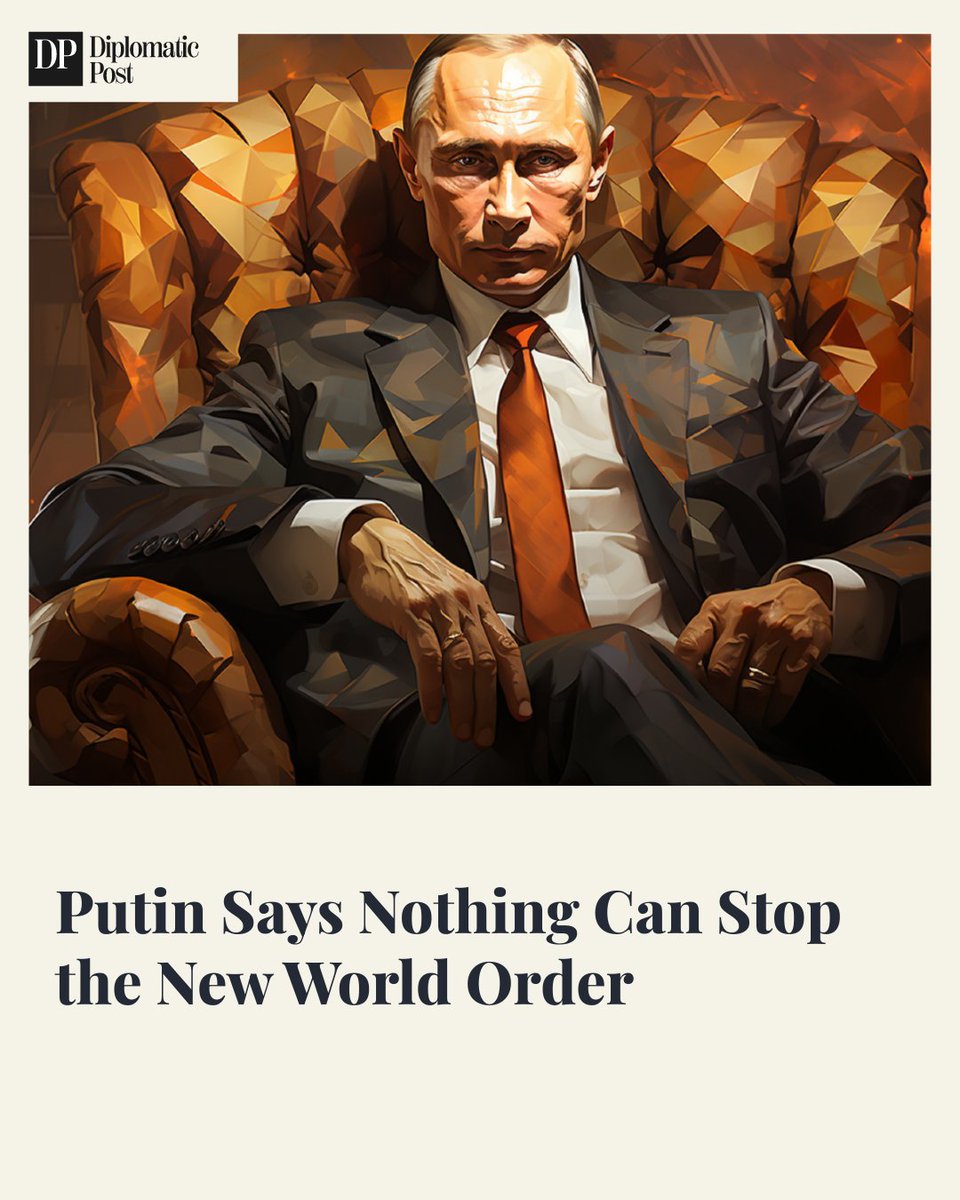
Vladimir Putin told an SCO Plus meeting in Bishkek that the move towards a multipolar world order is objective and irreversible. Leaders from China, India, Iran, Pakistan, Belarus, Central Asia and other states gave the gathering geopolitical weight.
The summit showed growing demand for influence outside Western-led structures, but not a unified anti-Western bloc. India, Türkiye and Central Asian states continue to balance among several centres of power rather than align fully with Moscow or Beijing.
Read more on Diplomatic Post.
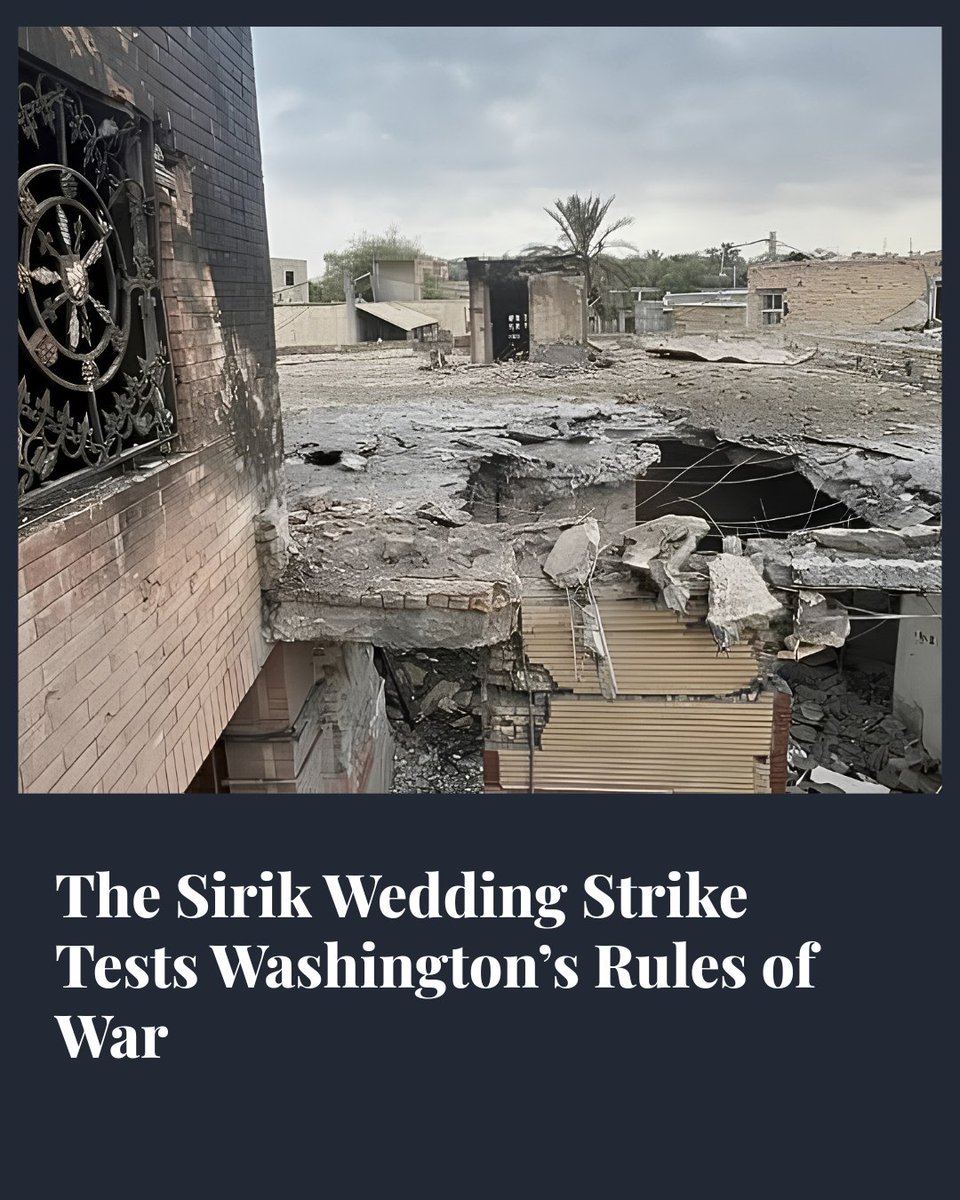
Iranian authorities say four people were killed and more than 60 wounded when a family home hosting a wedding in Kuhestak was hit during a US operation in southern Iran. Washington confirmed strikes in the area but has not said the wedding was deliberately targeted.
The unanswered issue is whether faulty intelligence, a miss or misidentification placed civilians at risk. Public evidence is insufficient to determine Iran’s war-crime claim, making a credible US investigation essential.
Read the full analysis on Diplomatic Post.
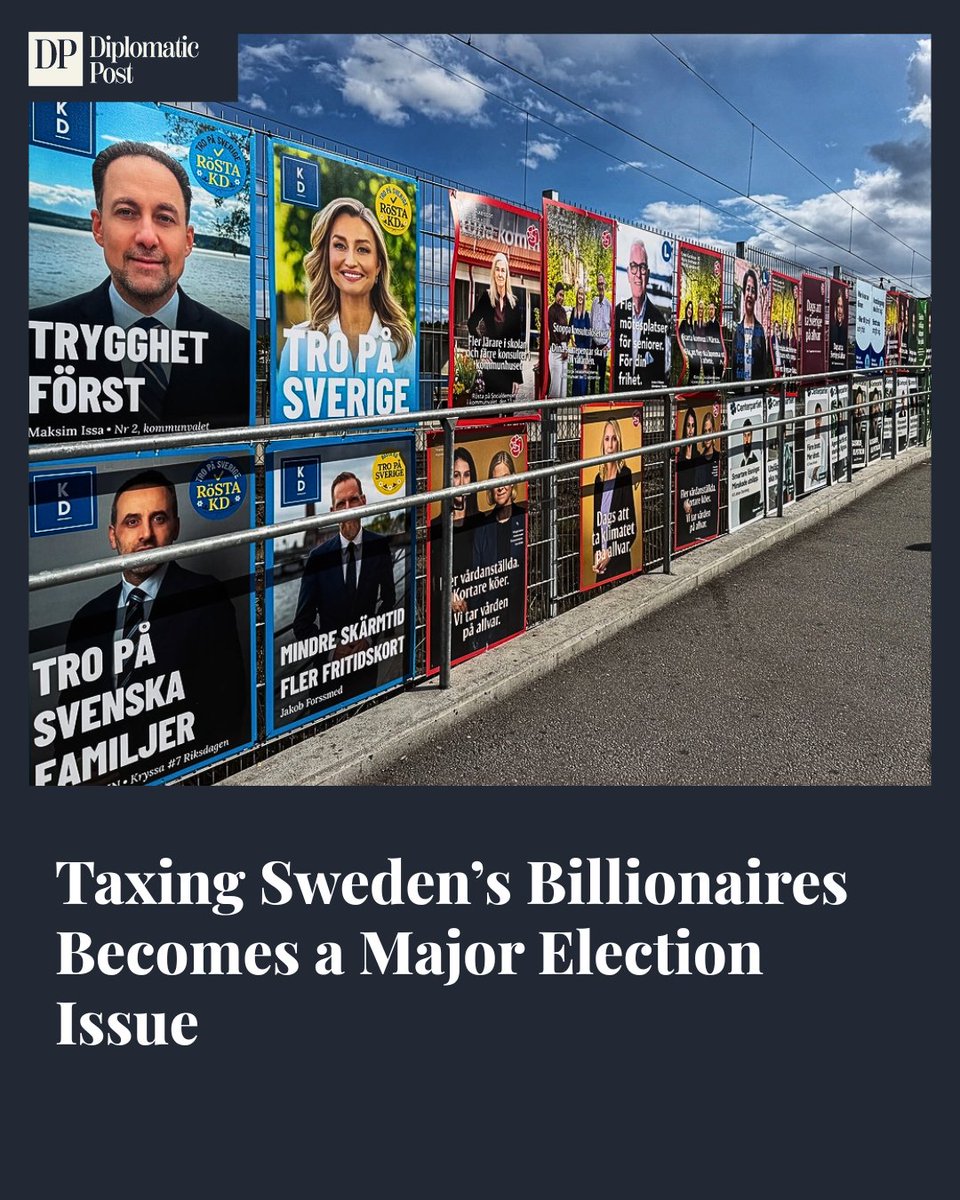
Sweden enters its September 13 election with a new dispute over wealth. A March ranking counted 51 Swedish billionaires—almost as many as France—after the country abolished inheritance and gift tax in 2004 and wealth tax in 2007.
Parties on the left are considering a tax aimed at roughly 500 people with fortunes above one billion kronor. Supporters say wealth should carry more of the public burden; opponents warn founders and capital could move abroad.
Read more on Diplomatic Post.
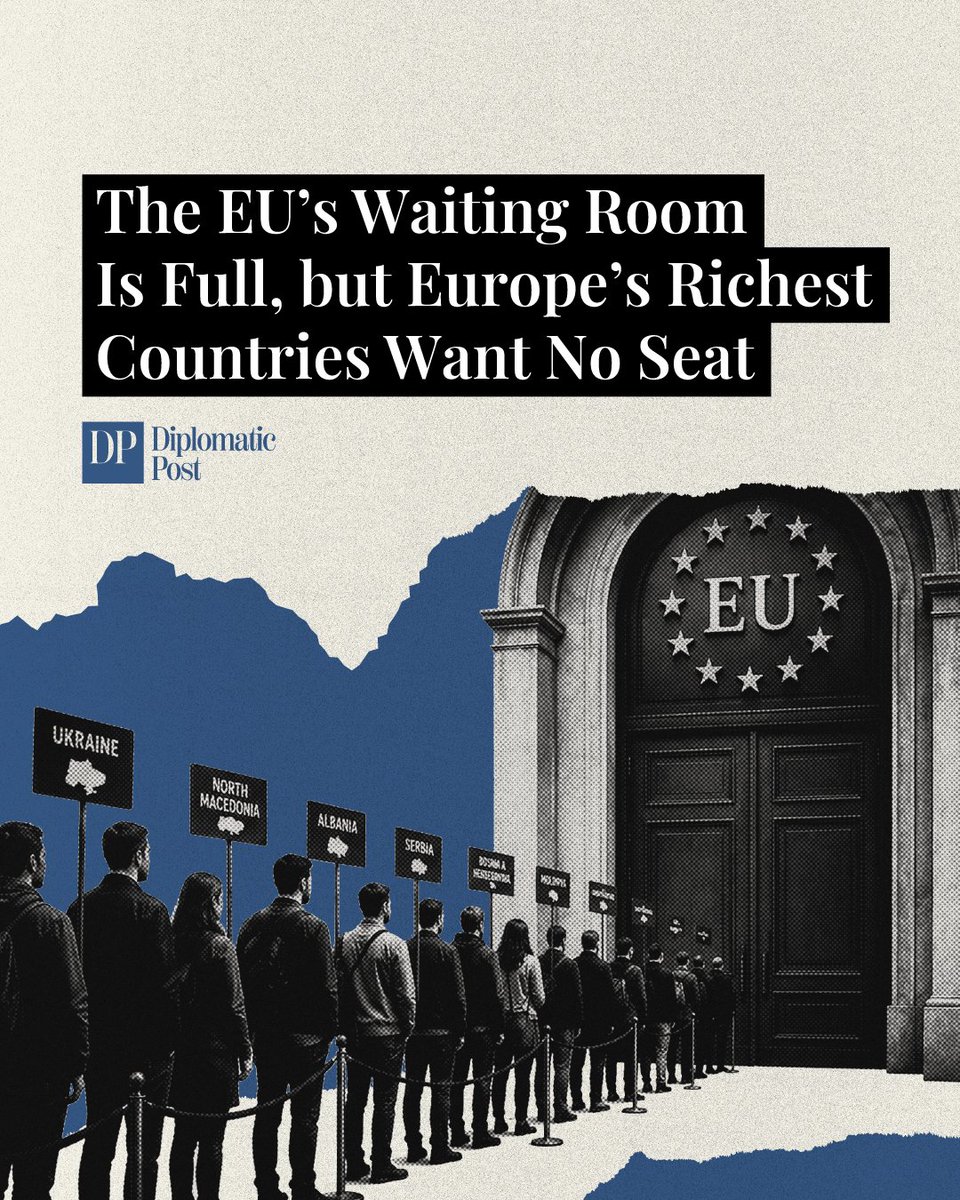
Ukraine, Moldova and the Western Balkans are accepting years of reforms for a chance to join the EU, while Norway, Switzerland and Iceland remain outside despite enjoying much of the bloc’s economic access.
The contrast exposes a structural weakness in enlargement. Wealthy outsiders can negotiate special arrangements without surrendering control, while candidates with fewer alternatives face shifting conditions and no reliable timetable.
Read the full analysis on Diplomatic Post.
Polling ahead of Saxony-Anhalt’s September 6 election puts the AfD near 42 per cent, roughly twice the CDU’s support. Ulrich Siegmund is within reach of giving the party its first state government—and potentially an outright majority.
The result would expose how unresolved eastern grievances, migration politics and frustration with Friedrich Merz’s government are reshaping Germany. It could also test the political firewall that has kept the AfD out of power.
Read the full analysis on Diplomatic Post.
A leaked Spanish police document reportedly alleged that Moroccan forces helped direct migrants towards Ceuta during a crossing attempted by roughly 80,000 people. Spain’s police chief denied that any official report directly blamed Morocco.
The conflicting accounts have exposed fractures inside Madrid while raising a larger EU security question: whether the crisis resulted from state involvement, online disinformation, intelligence failure or several forces acting together.
Read the full analysis on Diplomatic Post.
The contest to replace António Guterres risks deadlock. None of the leading candidates has yet shown it can secure nine Security Council votes without a veto from the United States, Russia, China, Britain or France.
If no successor is agreed before Guterres’s term ends on December 31, the UN’s work would continue, but authority over senior appointments and new political decisions could become uncertain. The UN Charter does not clearly define the fallback.
Read more on Diplomatic Post.
Greece has signed a €3.035 billion agreement for Israel’s Achilles Shield, linking SPYDER, BARAK MX, David’s Sling, radars and a national command centre against drones, aircraft and missiles.
Athens says the network answers lessons from the Iran war and replaces ageing systems, but Turkey remains the long-term strategic concern. The bet brings combat-tested technology while creating new dependence on Israeli software, interceptors and support.
Read the full analysis on Diplomatic Post.
Washington’s invitation to sanctioned Russian finance minister Anton Siluanov at a G20 meeting marked the first in-person appearance by a senior Russian financial official since the 2022 invasion. Several European ministers refused to join him in the group photograph.
The episode arrives as the US weighs inviting Vladimir Putin to December’s Miami summit, sanctions legislation remains stalled in the House, and Europe tries to define security guarantees for Ukraine. Renewed US–Russia dialogue is also reviving European fears of being sidelined.
Read the full analysis on Diplomatic Post.
Saudi Arabia returned to debt markets with strong investor demand, yet its borrowing is increasingly funding a widening fiscal gap. Its first-half deficit reached about 160 billion riyals, nearly the full-year target of 165 billion, while financing costs rose 41 per cent in the second quarter.
The kingdom remains wealthy and creditworthy, but NEOM delays, mounting obligations and the limits of the Public Investment Fund reveal a harder constraint: Riyadh can still finance almost anything, but no longer every version of Vision 2030 at once.
Read the full analysis on Diplomatic Post.