An Arab man from Saudi Arabia in a message to Palestinians:
"Who are you trying to fool? You have no land and no case. This land belongs to Israel for the people of Israel. You Palestinians are evil in any country you set foot on!"
“To announce that there must be no criticism of the President, or that we are to stand by the President, right or wrong, is not only unpatriotic and servile but is morally treasonable to the American public.”
- Theodore Roosevelt 1918
Theodore Roosevelt wrote these words in 1918, during the final year of World War I, when debates over patriotism, loyalty, free speech, and dissent were at their peak.
Although he was no longer president, Roosevelt remained one of the most influential figures in American public life.
The quote comes from an editorial he wrote for the Kansas City Star, in which he argued that patriotism did not mean unquestioning loyalty to those in power. Roosevelt believed no president was above criticism. Instead, he argued that citizens had a responsibility to speak honestly about their leaders, praising them when they were right and criticizing them when they were wrong.
Those words carried particular weight because they were written during wartime, when criticism of government officials was often viewed as unpatriotic or even dangerous. Roosevelt argued the opposite: that a healthy republic depends on honest criticism, even when it is unpopular.
He wrote the passage in his May 7, 1918, editorial, Sedition, A Free Press, and Personal Rule, published just weeks before the Sedition Act of 1918 became law.
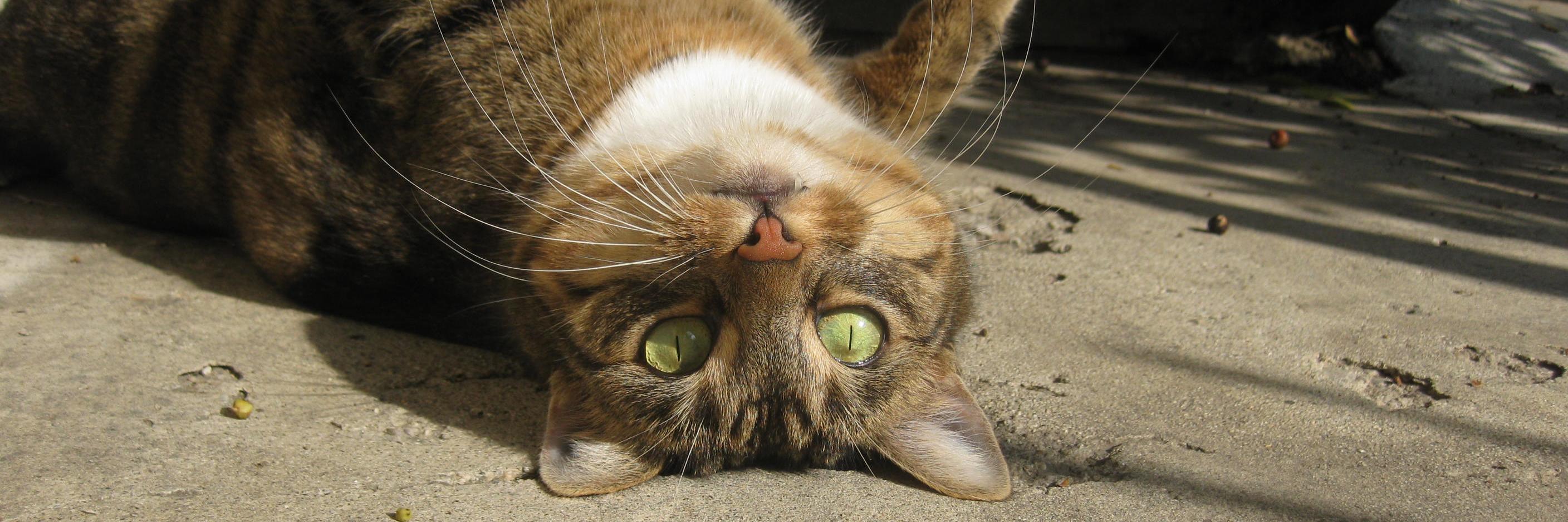
The earliest known record of a pet with a name dates back more than 3,450 years to ancient Egypt. The cat was called Nedjem, a name that translates to “Sweet One” or simply “Sweetie.”
Nedjem belonged to Puimre, a high-ranking official who served as the Second Priest of Amun and oversaw temple estates and religious ceremonies at Karnak Temple.
The cat’s name appears in Puimre’s decorated tomb at the Theban Necropolis, where Nedjem is shown beneath a chair, a common artistic way of depicting beloved household pets.
The name Nedjem (ndm) means “Sweet One,” “Pleasant One,” or “Delightful One.” It was also used as a personal name in ancient Egypt, suggesting it was an affectionate and familiar term rather than one reserved for animals.
Nedjem offers rare evidence of the close bond ancient Egyptians could share with their pets. Although cats were valued for protecting grain stores from rodents and snakes and were linked to the goddess Bastet, they were also cherished companions.
@AlphaCentau7557@archeohistories Yes Romans were blond among other things. You can get one person to have a that migrates to Han China in the fifth century BC and you'll have late and jeans like this. I wish people would go to school and not public schools some real school where you actually learn something
@Paraoh7@archeohistories White people are not I repeat are not albino black people? Look at the genetics why don't you go to school perhaps instead of your racist box of crayons
Behold the Heart Nebula (IC 1805), a breathtaking stellar nursery 7,500 light-years away in the Perseus Arm of the Galaxy, in the constellation Cassiopeia. Its glowing tendrils of ionized gas and intricate dust lanes whisper the secrets of creation, where new stars ignite in a cosmic ballet.