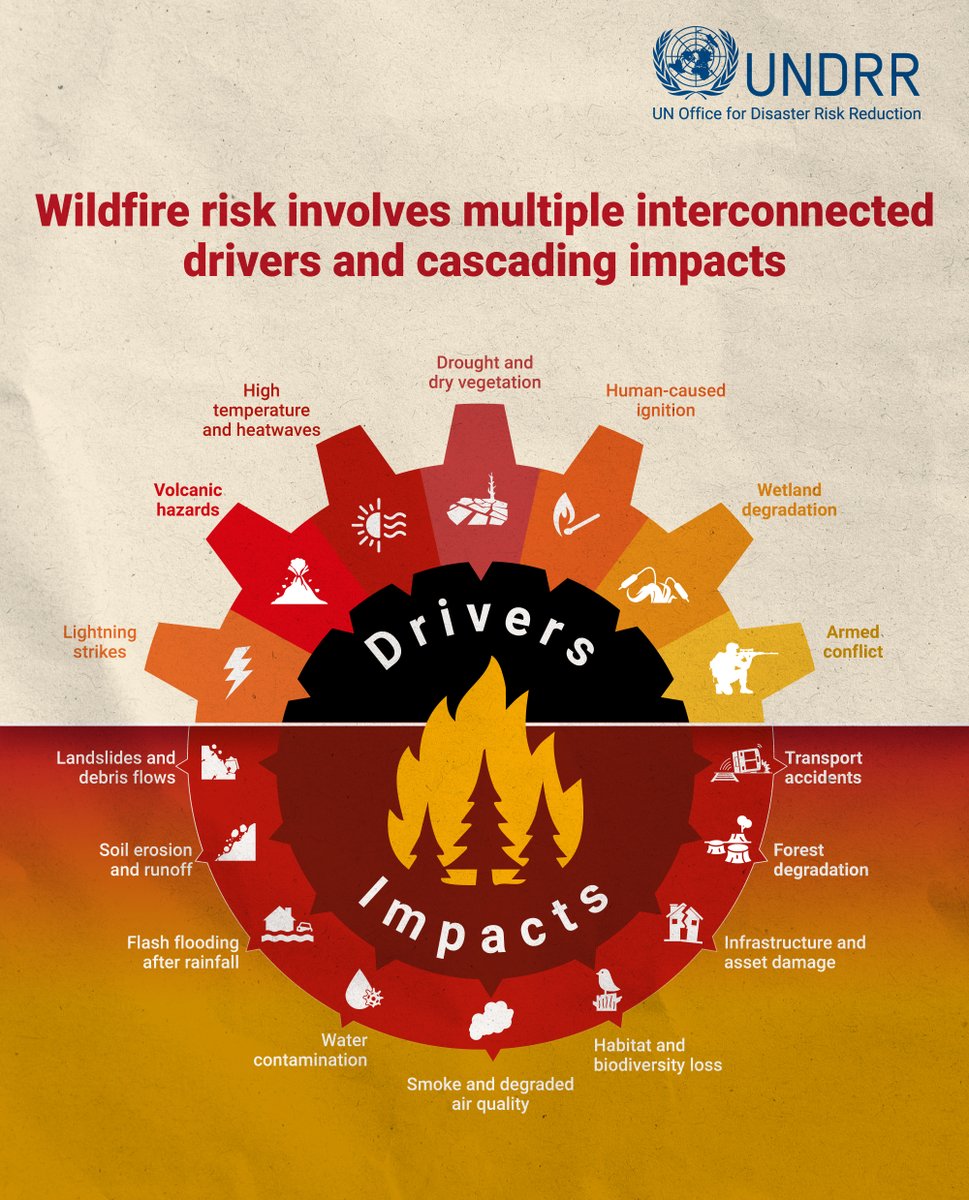
🔥Wildfires are not stand-alone events: they are risk multipliers ⚠️
In 2025, wildfires caused the highest insured losses. Yet the largest impacts extended well beyond burned homes and insurance claims.
Expose wildfires' invisible costs ➡️https://t.co/HHNSRxKds4
See MAY 28 2026 @washingtonpost Story: As Data Centers Boom, Virginians Breathe the Exhaust of 10,000 Diesel Generators / #pollution https://t.co/jbkjd2Xmze
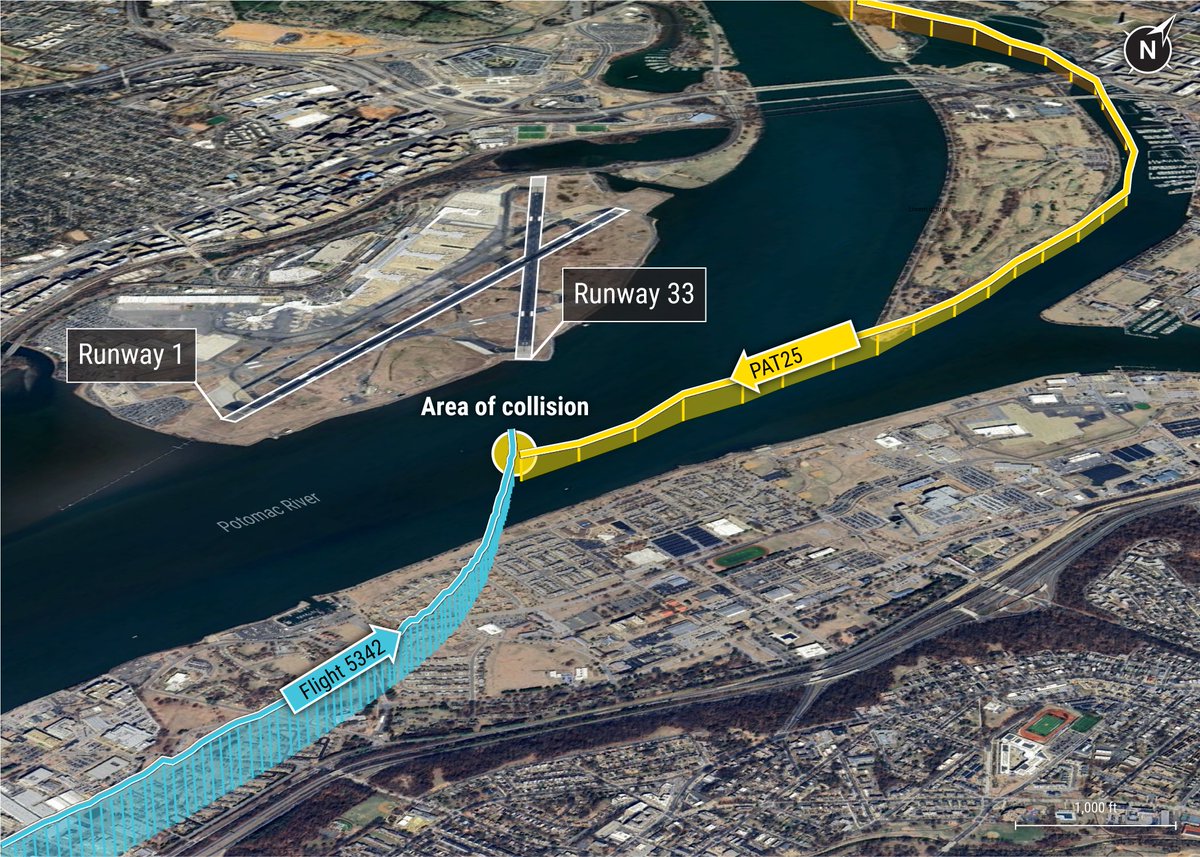
NTSB issues its final report for the Jan. 29, 2025 midair collision between a Bombardier CRJ700 and a Sikorsky UH‑60 Black Hawk over the Potomac River near Ronald Reagan Washington National Airport.
Report: https://t.co/BKTZp1gTWs
Investigation page: https://t.co/C01PwrsUyd
British historian Samuel Miller McDonald argues that ever-increasing expansion has led to looming ecological disaster. By challenging our concept of progress, he explains, we can see a path toward undoing the environmental damage. #books#ecology#review https://t.co/v95FkIbDt9
⏳The countdown to 2026 continues, with our top posts from 2025! 🚙 Here's February's top performer👇
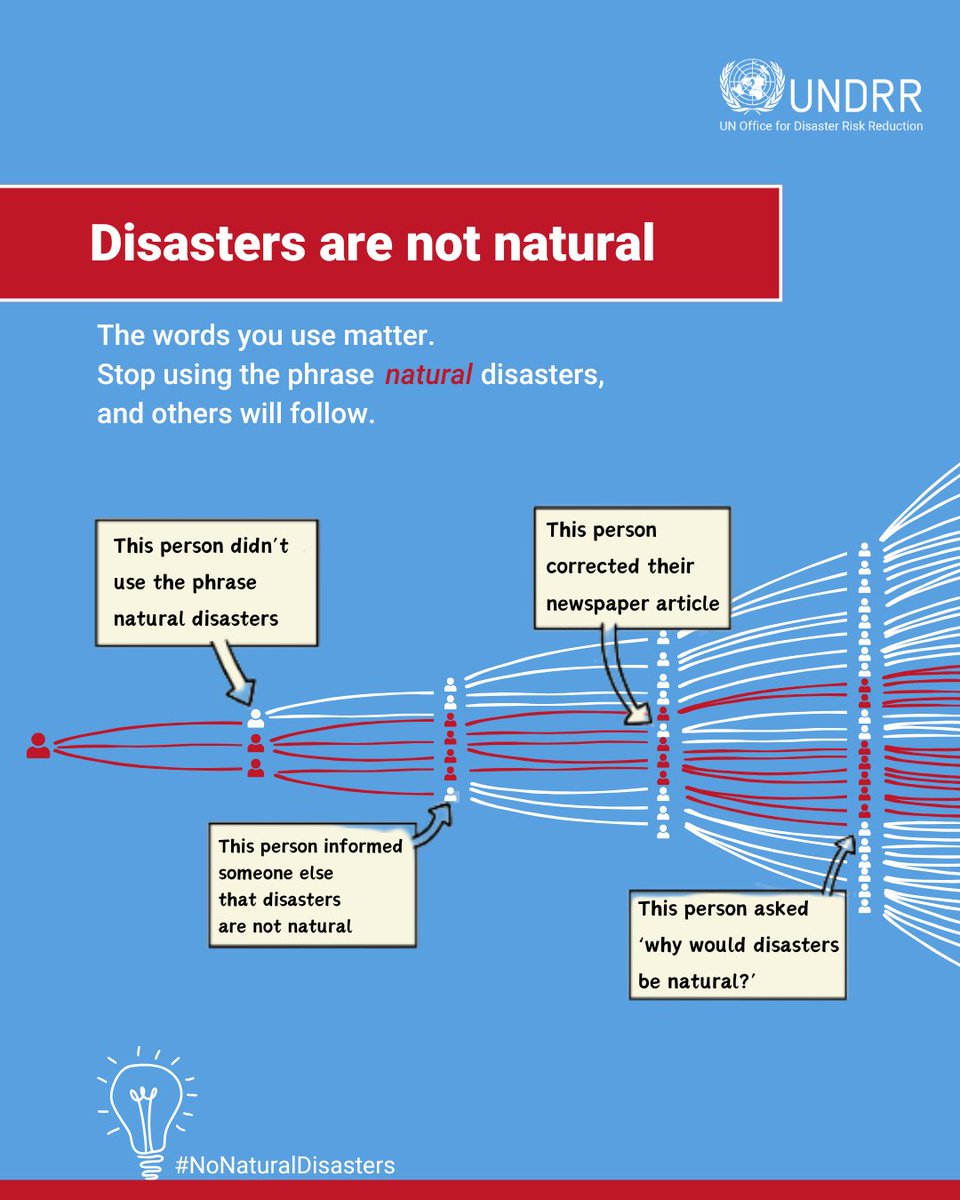
⛓️💥 Let's break the chain. Stop saying NATURAL disasters - and others will follow. 💡
There is no such thing as a natural disaster! ❌
#NoNaturalDisasters
🌊 9 out of 10 disasters are water-related, and water-related disaster deaths have doubled in the past decade. These aren't "natural disasters" - they can be avoided through human decisions.
➡️ https://t.co/FhhDkUwI2e #WaterAction#SDG6
Harmful information compounds disaster impacts, threatening lives, safety, dignity & trust, says @IFRC World Disasters Report 2026.
⚠️ Disaster preparedness requires building trust, so reliable information gets through when it truly matters. ➡️ https://t.co/0PC4dXI5GI
A new book examines 5,000 years of civilizational collapse—and proposes a few ways to help prevent the next one, writes Linda Kinstler: https://t.co/SnYiFVjKSB
The sheer amount of misinformation about USAID on this app is downright alarming. So let’s set the record straight:
USAID (United States Agency for International Development) was created in 1961 by President John F. Kennedy via executive order, after the Foreign Assistance Act passed Congress.
Why It Exists:
1️⃣ Cold War Strategy – To counter Soviet influence by promoting stability and economic growth in developing nations.
2️⃣ Humanitarian Aid – Fighting poverty, responding to disasters, and supporting economic development.
3️⃣ Diplomatic & Strategic Interests – Strengthening alliances and fostering goodwill toward the U.S.
4️⃣ Coordinating U.S. Foreign Aid – Before USAID, aid efforts were scattered across multiple agencies.
5️⃣ Economic Development as Foreign Policy – Kennedy saw global stability as vital to U.S. interests.
Since its founding, USAID has been critical in global health, disaster relief, and democracy promotion. Don’t let bad-faith actors rewrite history.
20 years ago, Hurricane Katrina devastated the Gulf Coast. This in-depth series from @BrookingsMetro and @noladatacenter offers lessons for mitigating future disaster risks for the most vulnerable communities. https://t.co/fmKdLj3ahk